
Want your hammer drill to last for years? This guide reveals the secrets to maximizing hammer drill durability. You’ll learn proper maintenance routines, smart usage habits, and storage solutions that prevent costly repairs and downtime on the job site.
Key Takeaways
- Choose the Right Bits: Always use high-quality, compatible drill bits to reduce strain on the motor and hammer mechanism.
- Clean Regularly: Remove dust and debris after each use to prevent buildup that can damage internal components.
- Store Properly: Keep your hammer drill in a dry, temperature-controlled environment using its original case.
- Mind the Heat: Let the tool cool periodically during extended use to avoid overheating and premature wear.
- Lubricate Key Parts: Apply grease to the chuck and moving parts as recommended by the manufacturer.
- Use Correct Settings: Match the hammer drill’s mode and speed to the material you’re working with.
- Check for Wear: Inspect brushes, cords, and the chuck regularly for signs of damage.
Introduction: Why Hammer Drill Durability Matters
Your hammer drill represents a significant investment in your toolkit. Whether you’re a professional contractor or a dedicated DIYer, you need this powerful tool to handle tough masonry jobs without failing when you need it most. Hammer drill durability doesn’t happen by accident—it’s the result of smart choices, consistent maintenance, and proper usage habits. In this comprehensive guide, you’ll discover practical, actionable strategies to extend the life of your hammer drill, avoid expensive repairs, and maintain peak performance for years to come.
We’ll cover everything from daily cleaning routines to troubleshooting common problems, giving you the knowledge to protect your tool on every job site. By following these tips, you’ll maximize your return on investment and ensure your hammer drill is always ready for the next challenge.
Understanding Your Hammer Drill: The Foundation of Durability
Before diving into maintenance, it’s crucial to understand what makes your hammer drill unique. This knowledge directly impacts how you care for it and what you can do to preserve its hammer drill durability.
Visual guide about Hammer Drill Durability Tips
Image source: retropower.com.ph
How Hammer Drills Work
Unlike regular drills, hammer drills combine rotational force with a rapid hammering action that pulverizes masonry while cutting through it. This dual mechanism creates unique stresses on internal components. The hammering action is generated by a specialized mechanism—usually a clutch or gears—that pounds the bit forward with thousands of blows per minute. This intense operation generates significant heat and vibration, which are the primary enemies of tool longevity.
Key Components That Affect Durability
Several critical parts determine your hammer drill’s lifespan. The motor must handle high torque loads without overheating. The hammer mechanism itself—often called the percussion mechanism—contains springs, clutches, and gears that wear over time. The chuck, which holds your bits, experiences extreme forces and requires proper lubrication. Finally, the gearbox transfers power from the motor to the hammer mechanism and bit, making it vulnerable to wear if not maintained correctly.
If you’re new to power tools, understanding what sets a hammer drill apart is crucial. Check out our guide on the difference between impact driver and hammer drill to make sure you’re using the right tool for the job and not accidentally damaging your equipment through misuse.
Choosing the Right Accessories for Longevity
Using improper accessories is one of the fastest ways to destroy your hammer drill. The wrong bit or accessory creates excessive strain that damages internal components quickly.
Visual guide about Hammer Drill Durability Tips
Image source: hk-tools.com
The Importance of Quality Drill Bits
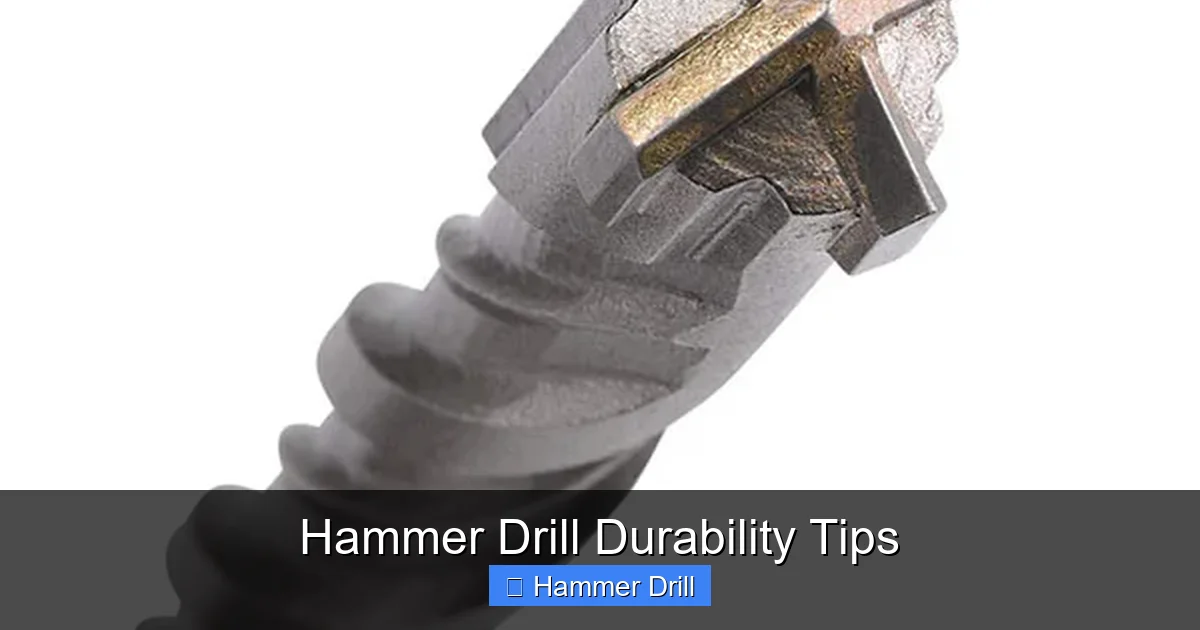
Always invest in high-quality carbide-tipped masonry bits designed specifically for hammer drills. Cheap bits with inferior carbide can shatter under pressure, sending shards into your tool’s mechanism. Worse yet, soft bits wear down quickly, forcing you to push harder and overwork your drill. Look for bits from reputable manufacturers with hardened shanks and reinforced flutes. While they cost more upfront, they last longer and protect your tool, saving you money in the long run.
Matching Bits to Materials
Never use a wood or metal bit in hammer mode—this is a guaranteed way to ruin your drill. Each material requires a specific bit type and hammer drill setting. For concrete and brick, use dedicated masonry bits with the hammer function engaged. For wood or metal, switch to drill-only mode and use appropriate bits. Using the hammer function on non-masonry materials causes the bit to bounce violently, damaging the chuck and hammer mechanism. Always consult your drill’s manual for recommended bit types and settings.
When to Replace Accessories
Inspect your bits after every use. Look for worn carbide tips, bent shanks, or cracks in the flutes. A worn bit forces your hammer drill to work harder, generating excess heat that damages the motor. Replace bits the moment you notice reduced performance or visible damage. Keep a few spare bits in your toolbox so you’re never tempted to push a failing bit past its limits.
Daily Maintenance Routines That Take Minutes
Consistent daily maintenance is the single most effective way to ensure hammer drill durability. These routines take just a few minutes but prevent 90% of common failures.
Visual guide about Hammer Drill Durability Tips
Image source: 911metallurgist.com
Quick Cleaning After Each Use
After finishing your work, spend two minutes cleaning your drill. Start by blowing compressed air into the air vents to remove dust that can clog internal components. Then, wipe down the housing with a clean, dry cloth. Pay special attention to the chuck area where debris collects. For stubborn grime, use a soft brush with mild soapy water, but never spray water directly onto the tool. Moisture can seep into electrical components and cause corrosion or short circuits.
Inspecting the Chuck
The chuck takes a beating during hammer drilling. After cleaning, check for excessive play or wobble by rotating it back and forth. A loose chuck can damage the spindle and affect drilling accuracy. Tighten the chuck properly using the key or keyless mechanism. Apply a small amount of lightweight grease to the chuck threads weekly if you use your drill frequently. This prevents seizing and ensures smooth operation.
Checking the Power Cord (Corded Models)
For corded hammer drills, inspect the power cord for frays, kinks, or exposed wires before and after each use. Damaged cords pose serious safety hazards and can cause electrical shorts that ruin the motor. If you find any damage, stop using the drill immediately and have it repaired by a qualified technician. Never wrap the cord tightly around the drill body, as this stresses the internal connections at the cord entry point.
Battery Care (Cordless Models)
If you own a cordless hammer drill, battery maintenance directly affects overall hammer drill durability. Lithium-ion batteries perform best when stored at partial charge—around 40-60%. Avoid leaving batteries on the charger indefinitely, as this accelerates capacity loss. Store batteries in a cool, dry place away from metal objects that could cause short circuits. Clean the battery contacts monthly with a cotton swab and rubbing alcohol to ensure optimal power transfer. If you’re considering a cordless model, our best cordless drill guide covers models known for long-term reliability and battery life.
Proper Storage Techniques for Long-Term Protection
How you store your hammer drill when not in use significantly impacts its lifespan. Improper storage exposes the tool to moisture, temperature extremes, and physical damage that can be expensive to repair.
Climate Control Matters
Store your hammer drill in a temperature-controlled environment between 50-80°F (10-27°C). Garages and sheds that experience extreme temperature swings and humidity are the worst places for power tools. Moisture causes rust on metal components, while heat can damage battery packs and warp plastic housings. If you must store in a garage, invest in a sealed plastic storage container with desiccant packs to control humidity. Never store your drill on a concrete floor, as concrete wicks moisture upward.
Using the Original Case
The original case isn’t just for transport—it’s designed to protect your drill during storage. These cases have custom foam inserts that hold the drill securely and prevent movement that could damage components. They also shield the tool from dust and moisture. If you’ve lost your case, create custom storage using a hard plastic container with foam padding. Make sure the drill is completely cool and clean before placing it in storage.
Protecting the Chuck and Bits
Before storing, remove any bits from the chuck and clean them separately. Leaving a bit clamped in the chuck for extended periods can cause the jaws to seize or become misaligned. Apply a light coat of oil to the chuck jaws to prevent rust. Store bits in their original packaging or a dedicated bit organizer to protect their carbide tips from damage. Keep accessories organized so you can quickly find what you need without rummaging through a messy toolbox.
Smart Usage Habits That Prevent Premature Wear
How you use your hammer drill matters just as much as how you maintain it. Smart operating techniques can dramatically extend your tool’s life while improving your work quality.
Letting the Tool Do the Work
One of the most common mistakes is leaning into the drill with all your weight. A hammer drill is designed to cut through material with its hammering action—you should only apply enough pressure to keep the bit engaged. Excessive force binds the bit, causing the motor to strain and the clutch to slip prematurely. This also creates heat buildup that damages internal components. Hold the drill firmly with both hands, maintain a stable stance, and let the tool’s weight and mechanism do the work. You’ll drill faster and preserve your drill’s hammer drill durability.
Avoiding Overheating
Overheating is the number one killer of power tools. During extended use, the motor and hammer mechanism generate tremendous heat. If you’re drilling multiple holes in concrete, work in 30-second bursts, then let the tool cool for 15-20 seconds. This prevents thermal overload and protects the motor windings. Most quality hammer drills have thermal overload protection that shuts down the tool before damage occurs, but this feature is a last resort—relying on it frequently indicates you’re pushing your tool too hard. If the drill feels too hot to touch, stop immediately and let it cool completely before continuing.
Using the Right Speed and Mode
Every material requires specific speed and mode settings. For concrete and brick, use low speed (300-600 RPM) with the hammer function engaged. High speeds in hammer mode cause excessive vibration that loosens components. For wood or metal, switch to drill-only mode and use higher speeds as recommended. Never change modes while the drill is running, as this grinds the internal gears. Always come to a complete stop before switching between hammer drill and regular drill functions. If you’re unsure about settings for specific tasks like hanging shelves or installing anchors, our guide on how to use a drill for screws into a wall provides detailed guidance that can prevent accidental damage from incorrect usage.
Troubleshooting Common Durability Issues
Even with proper care, problems can arise. Recognizing issues early prevents minor problems from becoming major, expensive repairs.
Loss of Hammering Action
If your hammer drill stops hammering but still spins, the percussion mechanism is likely worn or damaged. This could be caused by broken clutch plates, worn gears, or lack of lubrication. Stop using the tool immediately, as continued operation in this state can damage the motor. Check if the mode selector is properly engaged. If that’s not the issue, the drill needs professional service. Continuing to use a hammer drill without hammering action defeats its purpose and may cause you to apply excessive pressure, damaging other components.
Overheating Problems
If your drill overheats quickly or shuts off due to thermal protection, first check for blocked air vents. Dust buildup restricts airflow and causes heat retention. Clean the vents thoroughly with compressed air. If the problem persists, the motor brushes may be worn or the armature could be failing. These are electrical issues that require professional diagnosis. Don’t attempt to repair electrical components unless you’re trained, as this creates safety hazards.
Unusual Noises
Grinding, clicking, or squealing noises indicate mechanical problems. A grinding sound often means the gears are stripped or lack lubrication. Clicking could indicate a loose component or worn clutch. Squealing typically points to a dry or failing bearing. When you hear unusual noises, stop using the drill immediately. Continuing operation can turn a simple lubrication issue into a complete gearbox replacement. Inspect for obvious loose parts, then take the tool to a service center if the noise persists.
Chuck Slipping
If your bit slips in the chuck during operation, it’s not only ineffective—it’s dangerous and damages the tool. First, ensure you’re tightening the chuck properly. For keyed chucks, use the key to get maximum grip. For keyless chucks, twist firmly with both hands. If the chuck still slips, the jaws may be worn or damaged. Worn chuck jaws can’t grip bits securely, requiring chuck replacement. Continuing to use a slipping chuck damages both the bit and the drill spindle, creating a more expensive repair.
When to Seek Professional Repair
While DIY maintenance is valuable, some issues require professional attention. Knowing when to seek help saves you from causing further damage.
Signs of Major Wear
If you notice significant power loss, excessive vibration, or visible smoke, stop using the drill immediately. These symptoms indicate serious internal problems that won’t improve with basic maintenance. Professional technicians have the tools and expertise to rebuild hammer mechanisms, replace motor windings, and properly lubricate gearboxes. They can also perform load testing to ensure the repaired tool meets original specifications. Attempting these repairs yourself without proper training usually results in more damage and higher repair costs.
Cost-Benefit Analysis
Before investing in repairs, consider the cost versus replacement. If your hammer drill is more than five years old and the repair estimate exceeds 50% of the cost of a new equivalent model, replacement is often smarter. However, if you own a high-quality professional-grade drill that’s only 1-2 years old, repairs are usually worthwhile. Professional servicing can extend the life of a quality tool by several years, providing excellent value. Keep in mind that well-maintained professional tools often retain more resale value than neglected ones.
Conclusion: Building a Lifetime of Reliable Performance
Maintaining hammer drill durability is a straightforward process that pays dividends over time. By following these tips—choosing quality accessories, performing daily maintenance, storing properly, using smart techniques, and troubleshooting early—you’ll transform your hammer drill from a disposable tool into a lifetime investment. The key is consistency. Five minutes of care after each use prevents hours of downtime and hundreds of dollars in repairs. Your hammer drill is a precision instrument designed to handle brutal tasks. Treat it with respect, and it will serve you reliably for years to come. Start implementing these strategies today, and you’ll notice the difference in performance, reliability, and longevity. Happy drilling!