
This guide unlocks the true power of your hammer drill for DIY home improvement. You will discover 10 practical and impressive projects that go beyond simple drilling, complete with step-by-step instructions and essential tips. Learn how to safely tackle masonry, concrete, and tile to create everything from sturdy shelving to beautiful outdoor features.
Key Takeaways
- Master the Mode Selector: Always match the drill setting (hammer, drill, or drive) to your material and task for safety and best results.
- Carbide is King for Masonry: Use high-quality masonry bits with a carbide tip when drilling into concrete, brick, or stone to prevent dulling and breakage.
- Safety is Non-Negotiable: Essential gear includes safety glasses, a dust mask, hearing protection, and work gloves for every project.
- Start with a Pilot Indentation: Use the hammer function without rotation on concrete to create a starter hole, preventing the bit from wandering.
- Let the Tool Do the Work: Apply steady, moderate pressure—excessive force can damage the bit, the material, or the drill itself.
- Versatility is the Goal: Your hammer drill can be your go-to tool for creating, installing, and repairing items throughout your entire home and garden.
Top Hammer Drill Home Projects Ideas You Must Try Today
So, you own a hammer drill. Maybe you bought it for one specific task, like hanging a heavy mirror on a brick wall. Now it sits in your toolbox, waiting for its next moment to shine. But what if I told you that this powerful tool is the key to unlocking a whole new level of DIY capability around your home?
A hammer drill combines rotary motion with a rapid, hammering blow. This makes it uniquely powerful for drilling into hard, brittle materials like concrete, brick, stone, and tile. While a regular drill might struggle or fail on these surfaces, a hammer drill powers through with ease. It’s the difference between a tool and a powerhouse.
This guide is designed to inspire you. We’ll walk through 10 fantastic home projects perfectly suited for your hammer drill. Each project includes clear steps, material lists, and pro tips to ensure your success. Let’s transform that tool from a single-use gadget into your favorite DIY companion.
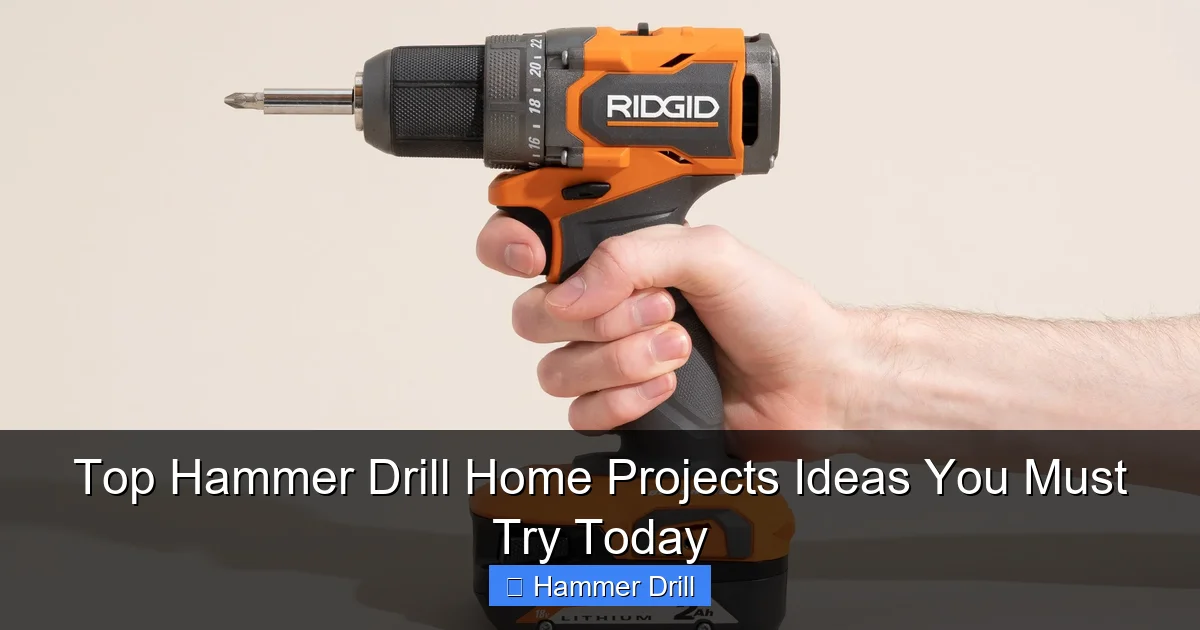
Project 1: Build a Sturdy Masonry Planter
Add timeless charm to your patio or garden with a custom concrete block planter. It’s surprisingly simple with a hammer drill.
Visual guide about Top Hammer Drill Home Projects Ideas You Must Try Today
Image source: cdn.thewirecutter.com
Materials & Tools Needed:
- Concrete blocks (cinder blocks)
- Hammer drill
- Masonry drill bit (size matching your adhesive anchors)
- Construction adhesive or masonry adhesive
- Adhesive anchors (optional, for extra strength)
- Level
- Safety gear (glasses, mask, gloves)
Step-by-Step Instructions:
Step 1: Plan and Dry-Fit. Arrange your blocks on a flat surface in your desired planter shape (square, rectangle, L-shape). Ensure they are stable and level.
Step 2: Mark for Drilling. Where blocks will stack, mark 2-3 points on the bottom block for adhesive anchors. This will lock the layers together.
Step 3: Drill Anchor Holes. Secure your masonry bit. Set your hammer drill to the hammer mode. Drill straight down at your marks to the depth required by your anchors. Blow out the dust.
Step 4: Assemble with Adhesive. Apply a generous bead of construction adhesive to the top of the first layer. Insert anchors into the holes (if using). Carefully place the second layer of blocks, pressing down firmly. Use your level to check for plumb.
Step 5: Repeat and Finish. Repeat the process for subsequent layers. Once the adhesive cures (check product instructions), you can fill it with soil and plants. For drainage, you can carefully use the hammer drill to make a few holes in the bottom layer before assembly.
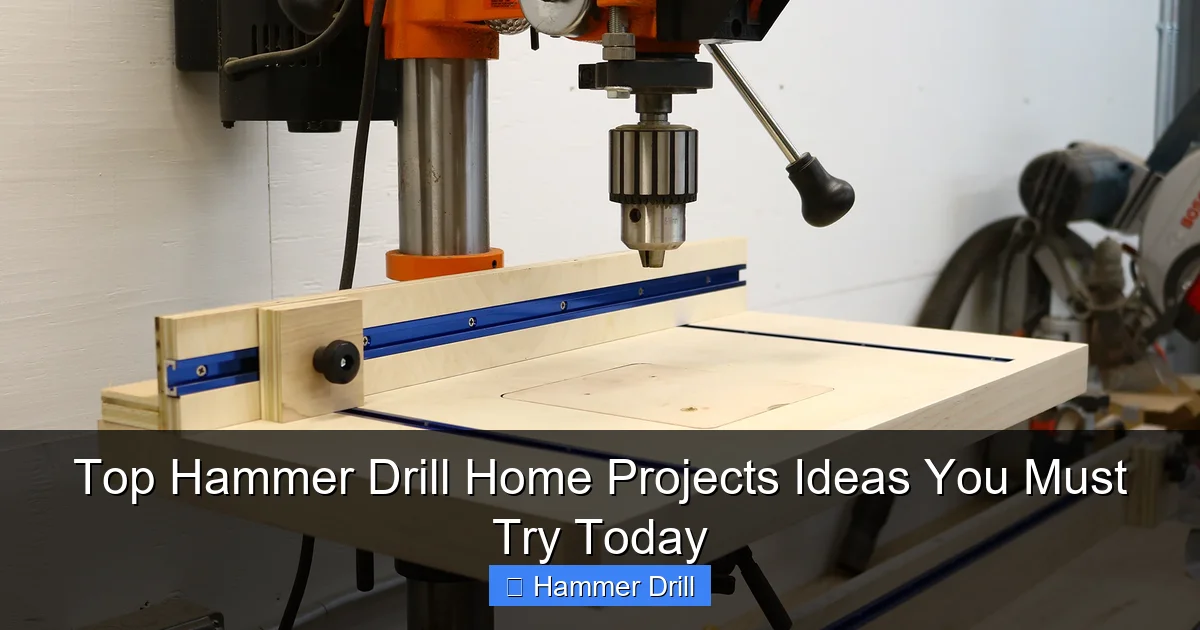
Project 2: Install Floating Shelves on a Brick Wall
Floating shelves offer sleek, modern storage. Mounting them securely on brick requires a hammer drill’s power.
Visual guide about Top Hammer Drill Home Projects Ideas You Must Try Today
Image source: theaveragecraftsman.com
Materials & Tools Needed:
- Floating shelf bracket(s)
- Hammer drill
- Masonry drill bit (size for your wall plugs)
- Heavy-duty wall plugs (anchors) and screws
- Level and pencil
- Stud finder (to check—you likely won’t find one in brick)
Step-by-Step Instructions:
Step 1: Locate and Mark. Hold the bracket level against the wall at your desired height. Mark the screw holes directly onto the brick with a pencil.
Step 2: Drill Pilot Holes. Switch your hammer drill to hammer mode. Place the tip of the masonry bit on your mark. Start drilling slowly to create a small indentation, then increase speed. Drill to a depth slightly longer than your wall plug.
Step 3: Clean and Insert. Remove the bit and clean out the hole thoroughly. A vacuum or blast of air works best. Insert the wall plugs until they are flush with the brick.
Step 4: Mount the Bracket. Align the bracket with the holes. Drive the screws through the bracket and into the wall plugs using the drill’s drive mode (hammer off). Don’t overtighten. Ensure the bracket is level as you go.
Step 5: Attach the Shelf. Slide the shelf onto the bracket according to the manufacturer’s instructions. Your new shelf is now securely mounted!
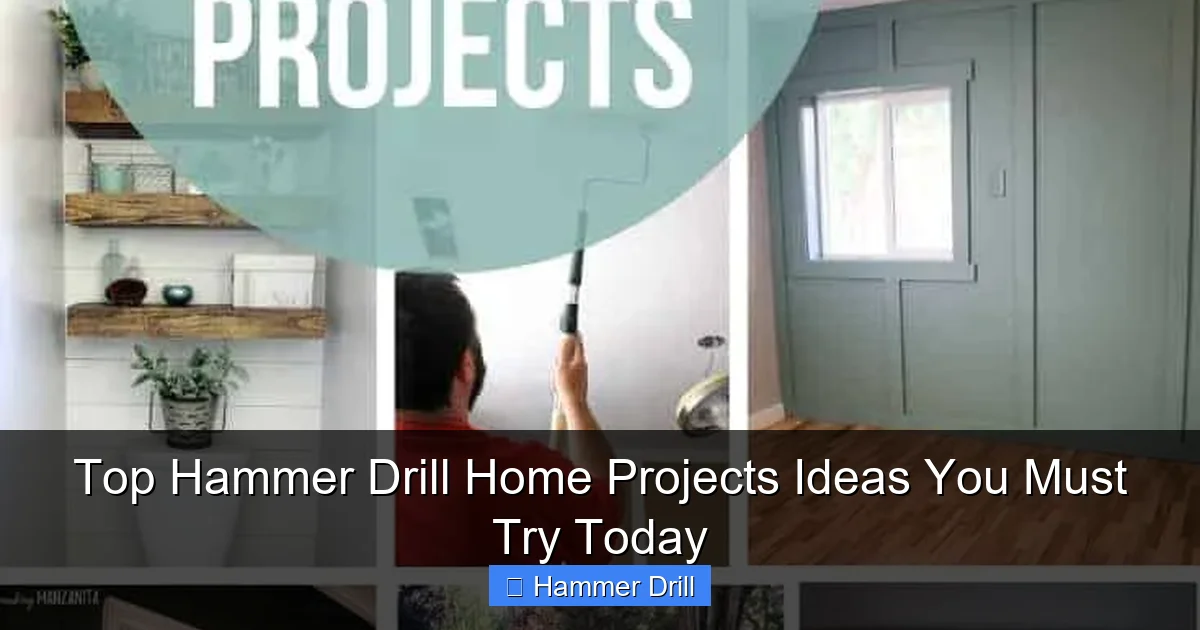
Project 3: Create a Custom Tile Backsplash
Installing a tile backsplash often requires drilling into the wall behind it for outlets, pipes, or accessories. A hammer drill with the right bit makes this clean and easy.
Visual guide about Top Hammer Drill Home Projects Ideas You Must Try Today
Image source: makingmanzanita.com
Materials & Tools Needed:
- Hammer drill
- Diamond-tipped hole saw or carbide-grit hole saw (for tile)
- Masking tape
- Spray bottle with water
- Center punch (optional)
Step-by-Step Instructions:
Step 1: Mark the Spot. Clearly mark the center of the hole you need to cut on the tile. Place a large “X” of masking tape over the spot. This helps prevent the drill bit from slipping.
Step 2: Start Slowly and Cool. Set your hammer drill to drill mode only (hammer OFF). Drilling tile requires rotation, not percussion, to avoid cracking. Place the tip of the hole saw on the mark. Start at a very low speed to score the glaze. Use your spray bottle to keep the bit and tile wet—this reduces heat and dust.
Step 3: Drill Through. Maintain steady, light pressure. Let the abrasive action of the hole saw do the work. Once you’re through the tile, you can stop. If you need to go into the wall behind it, assess the material. For concrete backer board, you can switch to hammer mode with a masonry bit.
Pro Tip: For a perfectly clean cut, drill from the finished side of the tile. If you’re nervous, practice on a spare tile first.
Project 4: Secure a TV Mount to a Concrete Wall
This is the quintessential hammer drill project. For ultimate peace of mind when mounting a heavy TV, concrete is your best friend.
Materials & Tools Needed:
- TV wall mount
- Hammer drill
- Masonry drill bits (size specified by your concrete anchors)
- Concrete sleeve anchors or wedge anchors
- Wrench or socket set
Step-by-Step Instructions:
Step 1: Find Studs? Skip It. With concrete, you don’t look for studs. Instead, ensure your mount is positioned where you want it, avoiding obvious cracks or seams.
Step 2: Mark and Confirm. Hold the mounting plate level and mark all holes. Double-check your measurements! An error here means drilling new holes in concrete.
Step 3: Drill Anchor Holes. Use hammer mode with a masonry bit. Drill straight and to the exact depth required for your anchors. Clean each hole meticulously.
Step 4: Install Anchors and Mount. Insert the concrete anchors into the holes. Place the mounting plate over them, lining up the bolts. Hand-tighten the nuts, then use a wrench to secure them firmly. The anchor will expand inside the concrete, creating an incredibly strong hold.
Step 5: Attach the TV. Follow the mount’s instructions to attach the arms to your TV, then hang it securely on the wall plate.
Project 5: Build an Outdoor Bench with Concrete Legs
Combine wood and concrete for a durable, stylish garden bench. The hammer drill is used to create connections between the materials.
Materials & Tools Needed:
- Two concrete blocks or pre-cast piers for legs
- Wooden bench seat (2x lumber or a solid slab)
- Hammer drill
- Masonry bit and wood drill bit
- Concrete screws or lag shields and lag bolts
- Wrench
Step-by-Step Instructions:
Step 1: Prepare the Legs. Position your concrete leg blocks where you want the bench. Ensure they are level with each other.
Step 2: Drill into Concrete. Mark where the wooden seat will attach to the blocks. Using hammer mode, drill pilot holes into the concrete at these marks.
Step 3: Drill into Wood. Switch to a standard wood bit and drill mode (hammer off). Drill corresponding pilot holes through the wooden seat, slightly countersinking them.
Step 4: Connect. Align the wood with the concrete legs. If using concrete screws, drive them directly through the wood and into the pilot holes in the concrete. For a heavier bench, use lag shields inserted into the concrete, then drive lag bolts through the wood into them.
Step 5: Seal and Enjoy. Consider sealing the wooden seat with a weatherproof stain. Your sturdy, custom bench is complete!
Project 6: Hang Heavy Garage Storage
Maximize vertical space in your garage by securely hanging heavy-duty shelving units, slatwall panels, or bike racks on concrete walls.
The process is similar to mounting a TV bracket but on a larger scale. Always use anchors rated for the weight you intend to hold. For the heaviest loads, like a full shelving unit, consider using multiple toggle bolts or heavy-duty wedge anchors. The key is a solid plan, a steady hand with the hammer drill, and the correct hardware.
Project 7: Install a Mailbox Post in Concrete
Tired of a wobbly mailbox? Secure a new post permanently.
Quick Steps:
- Dig a hole for your post (check local regulations for depth).
- Place the post in the hole and brace it perfectly plumb.
- Mix and pour quick-setting concrete around it.
- Before the concrete fully sets, use your hammer drill (hammer mode) to drill 1-2 holes into the concrete footing and the bottom of a wooden post.
- Drive in concrete screws or a short piece of rebar to act as a mechanical lock, preventing the post from being lifted or twisted out.
Project 8: Mount a Basketball Hoop on a Driveway
Give the family a permanent play fixture. Many in-ground hoop kits require drilling into your driveway to anchor the base.
Critical Check: You must know what’s underneath your driveway. Call 811 before you dig or drill anywhere. Assuming it’s clear, use a large-diameter masonry bit in hammer mode to drill the anchor holes specified by the hoop manufacturer. This project highlights why a powerful, reliable cordless drill or a corded hammer drill is essential for sustained heavy drilling.
Project 9: Fasten a Deck Ledger Board to Concrete
If you’re building a deck attached to your house with a concrete foundation, the ledger board must be anchored solidly. This is a structural, safety-critical project.
After applying a waterproof membrane, hold the pressure-treated ledger board in place. Use a hammer drill to create holes through the board and into the concrete foundation at regular intervals (per local building code). Insert sleeve anchors or lag shields and tighten with a wrench until snug. Always consult and follow local building codes for this project.
Project 10: Make Garden Stepping Stones
Get creative! Use your hammer drill with a small diamond bit to create drainage holes in the bottom of ceramic pots, or to carefully drill patterns into concrete stepping stones for a custom look. You can even drill a hole to insert a glass mosaic piece or a small solar light.
Hammer Drill Troubleshooting & Pro Tips
Even with the right project, things can go wrong. Here’s how to handle common issues.
Problem: The drill bit is spinning but not drilling.
Solution: You’re likely in drill mode on masonry. Switch to hammer mode. Also, check that your bit is sharp and meant for masonry. A dull bit or a wood bit on concrete will just spin and get hot.
Problem: The bit keeps wandering/skipping on the concrete.
Solution: Use a center punch to make a small starter dent. Or, start the drill at a slow speed in hammer mode, holding it perfectly perpendicular, until an indentation forms.
Problem: Excessive dust or slow progress.
Solution: Regularly pull the bit out to clear dust from the hole. For deep holes, this is crucial. If progress is very slow, your bit may be dull, or you may be using too small a battery/underpowered drill for the job.
Problem: Drilling into tile causes cracking.
Solution: You are using hammer mode. Turn the hammer function OFF for tile, glass, or porcelain. Use a specialized bit, go slow, and use water to cool it.
Universal Pro Tip: If you’re unsure about which tool to use for a task, it’s helpful to understand the difference between an impact driver and a hammer drill. An impact driver is for driving large screws and bolts, while a hammer drill is for drilling into hard materials.
Conclusion: Your Home Improvement Journey Starts Now
Your hammer drill is far more than a one-trick pony. It’s a gateway to durable, professional-looking DIY projects that can enhance every part of your living space, from the foundation to the finishing touches. By mastering its dual functions—the precise rotation for drilling and the powerful hammer action for masonry—you gain the confidence to tackle materials that once seemed off-limits.
Start with a simpler project like the masonry planter to get a feel for the tool. Then, gradually work up to more complex installations like floating shelves or a TV mount. Always prioritize safety, choose the right bit and mode for the job, and don’t be afraid to make that first pilot hole. Now, grab your hammer drill, pick a project from this list, and start building something amazing for your home today!
