
Proper hammer drill storage tips prevent costly damage and keep your tool ready for action. This guide covers essential cleaning, protection, and organization methods that save space. You’ll learn how to store your hammer drill safely in any environment.
Key Takeaways
- Clean thoroughly before storing: Remove dust and debris to prevent internal damage and maintain performance.
- Use original cases: Hard-sided cases provide superior protection and keep accessories organized.
- Store batteries separately: Remove batteries and store at room temperature to extend their lifespan.
- Control humidity exposure: Keep your drill in a dry environment to prevent rust and corrosion.
- Store vertically when possible: Hanging saves space and prevents chuck damage from pressure.
- Protect the chuck: Apply light oil and store without pressure on the mechanism.
- Create a maintenance schedule: Regular checks ensure your drill stays ready for use.
Why Proper Hammer Drill Storage Matters
Your hammer drill represents a significant investment in your toolbox. These powerful tools handle tough masonry work that regular drills cannot manage. Understanding the difference between a drill and a hammer drill helps you appreciate why specialized storage matters. Without proper care, your hammer drill can suffer from internal damage, battery degradation, and chuck malfunction. This guide provides practical hammer drill storage tips that prevent these common problems while maximizing your workshop space.
Proper storage extends beyond simple organization. It protects the internal gears, preserves battery health, and maintains the precision mechanism that makes hammer drilling effective. Whether you own a corded or cordless model, these tips apply universally. Let’s explore how to keep your tool in peak condition.
Step 1: Clean Your Hammer Drill Thoroughly Before Storage
Never store a dirty hammer drill. Dust, concrete particles, and debris accumulate during use and can cause serious damage over time. Cleaning should be your first step every time you finish a project.
Visual guide about Hammer Drill Storage Tips That Prevent Damage and Save Space
Image source: i.etsystatic.com
Remove Surface Debris
Start by wiping down the entire tool with a clean, dry cloth. Pay special attention to the vents and chuck area where dust builds up. Use a soft brush to gently remove stubborn particles from crevices. Avoid compressed air for initial cleaning as it can force debris deeper into the motor housing.
Deep Clean the Chuck
The chuck collects the most debris during operation. Open the chuck fully and clean between the jaws with a small brush. Use a degreaser for tough grease buildup, but apply it sparingly to avoid damaging internal components. Wipe away all residue before closing the chuck.
Clean Ventilation Slots
Motor vents allow airflow that prevents overheating. These slots easily clog with dust. Use a thin brush or vacuum attachment to clear them completely. Blocked vents cause the motor to overheat during future use, shortening its lifespan significantly.
Step 2: Protect the Chuck Mechanism
The chuck is the business end of your hammer drill. It experiences constant stress and must remain precise for accurate drilling. Proper protection ensures smooth operation when you need it next.

Visual guide about Hammer Drill Storage Tips That Prevent Damage and Save Space
Image source: i.ytimg.com
Apply Light Lubrication
After cleaning, apply a light machine oil to the chuck jaws and mechanism. Open and close the chuck several times to distribute the oil evenly. Wipe away excess oil to prevent dust attraction. This simple step prevents rust and keeps the mechanism moving freely.
Store Without Pressure
Never store your hammer drill with the chuck tightened on a bit or under heavy pressure. The internal springs can weaken over time, affecting gripping power. Store the chuck in a partially open position to relieve tension on the mechanism.
Use Chuck Protection
Consider a rubber chuck guard that slides over the jaws. These inexpensive accessories prevent accidental impacts that can damage the precision-machined surfaces. If you don’t have a guard, store the drill so the chuck doesn’t bear the tool’s weight.
Step 3: Choose the Right Storage Location
Location determines your drill’s long-term health. The wrong environment can destroy a perfectly maintained tool. Consider these factors carefully.
Visual guide about Hammer Drill Storage Tips That Prevent Damage and Save Space
Image source: m.media-amazon.com
Avoid Moisture and Humidity
Moisture is your drill’s worst enemy. Store your hammer drill in a dry area with humidity below 50%. Basements and outdoor sheds often have high humidity levels. Use a dehumidifier or silica gel packs in enclosed spaces. Never store tools directly on concrete floors, as moisture seeps upward. Use a shelf or pallet instead.
Control Temperature Fluctuations
Extreme temperature changes cause condensation inside metal parts. Avoid unheated garages or attics that experience freezing winters and scorching summers. A climate-controlled space maintains stable conditions. If climate control isn’t possible, insulate the storage area and avoid exterior walls.
Ensure Adequate Airflow
Storing tools in airtight containers without ventilation traps moisture. Choose storage solutions with some airflow or leave case vents open. This prevents musty odors and reduces rust formation. Good airflow also makes your tools more comfortable to handle when you retrieve them.
Step 4: Select the Proper Storage Case
The case you choose makes a huge difference in protection. Many DIYers make the mistake of tossing tools into generic containers.
Original Manufacturer Cases
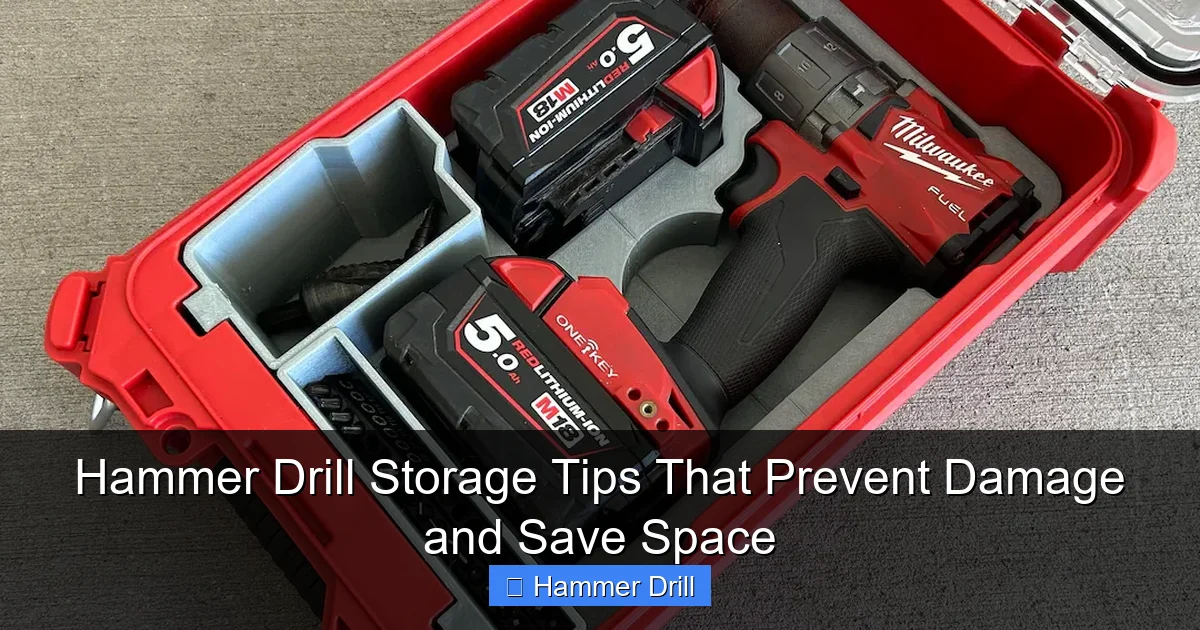
Original cases offer the best protection. They feature custom foam inserts that cradle your hammer drill securely. The foam prevents movement during transport and absorbs shocks. These cases also have dedicated compartments for accessories, batteries, and bits. If you still have yours, use it religiously.
Aftermarket Hard Cases
Quality aftermarket cases provide excellent protection when original cases are lost. Look for cases with customizable foam that you can cut to fit your specific model. Pelican-style cases offer superior impact resistance and waterproof sealing. They’re an investment that pays off when accidents happen.
Soft-Sided Tool Bags
Soft bags work for short-term storage but offer minimal protection. They’re lightweight and convenient for transporting tools to job sites. However, they don’t prevent crushing or protect against moisture. Use soft bags only for carrying, not long-term storage. Never stack heavy items on soft-sided storage.
Step 5: Organize and Store Accessories Separately
Your hammer drill comes with various accessories that need organization. Loose pieces create frustration and can damage the tool.
Drill Bit Storage
Masonry bits are expensive and easily damaged. Store them in dedicated bit cases with individual slots. Keep them separated by size and type. Never toss bits into a general toolbox where they can chip or become lost. Chipped bits can damage your drill’s chuck during use.
Side Handles and Depth Stops
These attachments often get lost because they’re removed during use. Store them in labeled bags or small containers within your main case. Take a photo of your drill with all accessories attached. Print and store this photo in the case as a reminder of what belongs with your tool.
Battery Organization for Cordless Models
Cordless hammer drill owners need special battery storage strategies. If you’re looking for the best cordless drill options, consider models with smart charging systems. For storage, remove batteries from the tool. Store them at room temperature, away from metal objects that could cause short circuits. Use the original battery case or a dedicated battery organizer.
Step 6: Master Vertical vs. Horizontal Storage
The orientation of your stored hammer drill affects both space efficiency and tool longevity. Each method has advantages depending on your available space.
Benefits of Vertical Storage
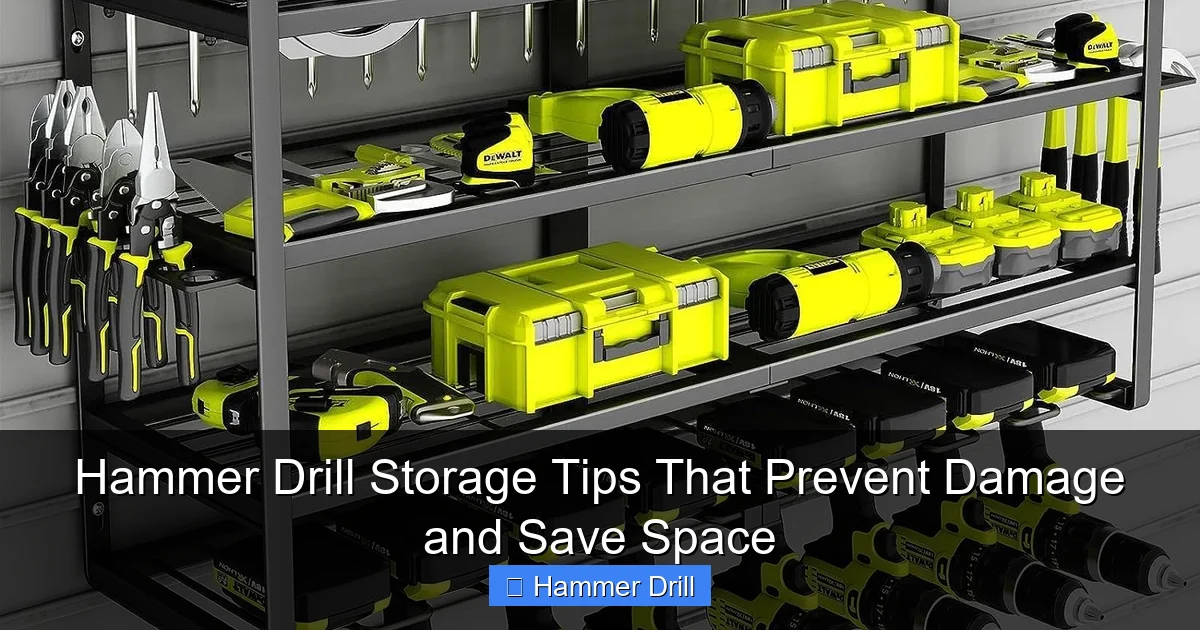
Storing your hammer drill vertically saves valuable shelf space. Wall-mounted hooks or pegboards keep tools off the floor and easily accessible. This method prevents chuck damage from bearing the tool’s weight. It also deters pests from nesting inside the case. Ensure your mounting hardware can support at least twice the tool’s weight for safety.
When to Store Horizontally
Horizontal storage works best for tools in hard cases on shelves. This method provides stable support and prevents cases from tipping. It’s ideal for workshop environments where wall space is limited. Use shelf dividers to keep cases from sliding and to maximize organization.
Avoid Stacking Heavy Items
Never stack heavy items on top of your hammer drill, regardless of storage orientation. Even in a sturdy case, excessive weight can compress internal components. Store heavy tools like saws or sanders on separate shelves. If stacking is unavoidable, place the hammer drill on top of lighter items only.
Step 7: Battery Care for Cordless Hammer Drills
Battery technology has improved dramatically, but improper storage still ruins many power cells. Cordless hammer drill storage tips must include battery management.
Charge to Storage Level
Never store batteries fully charged or completely drained. Both extremes stress the cells. Charge lithium-ion batteries to about 50% capacity before storage. This level provides enough charge for periodic maintenance without causing degradation. Most modern chargers have a storage mode that maintains this level automatically.
Temperature Control for Batteries
Batteries degrade fastest in extreme temperatures. Store them at room temperature, ideally between 50-75°F. Avoid leaving batteries in vehicles during summer or winter. Cold temperatures cause irreversible capacity loss, while heat accelerates chemical breakdown. A cool, dry closet works better than a garage workbench.
Regular Maintenance Charging
Check stored batteries monthly. Lithium-ion batteries self-discharge slowly. If the charge drops below 20%, top them up to 50%. This prevents deep discharge that can damage the battery management system. Set a recurring calendar reminder to avoid forgetting this important step.
Step 8: Create a Maintenance Schedule
Even stored tools need attention. A simple schedule keeps your hammer drill ready for action.
- Weekly: Quick visual inspection for signs of moisture or pests.
- Monthly: Check battery charge levels and test case latches.
- Quarterly: Remove the drill from storage, run it briefly without load, and inspect the chuck.
- Annually: Deep clean, lubricate moving parts, and replace worn accessories.
Mark these dates on your calendar. Consistent maintenance prevents surprises when you start your next project.
Troubleshooting Common Storage Problems
Even careful storage can sometimes lead to issues. Here’s how to handle the most common problems.
Moisture Inside the Case
If you find condensation or moisture inside your storage case, remove the drill immediately. Wipe everything dry with a cloth. Place silica gel packs in the case to absorb remaining moisture. Leave the case open in a dry, warm room for 24 hours before sealing it again. Consider adding a small humidity indicator card to monitor conditions.
Rusted Chuck or Metal Parts
Light surface rust can be removed with steel wool and a rust dissolver. Apply light oil after cleaning. Severe rust may require professional servicing. Prevent rust by ensuring all metal parts are completely dry before storage. Never store tools immediately after use in humid conditions.
Dead Batteries After Storage
If batteries won’t hold a charge after proper storage, they may have reached end-of-life. Lithium-ion batteries typically last 2-3 years with normal use. Check for physical damage or swelling. Swollen batteries are dangerous and must be disposed of properly at a recycling center. Always have spare batteries for critical projects.
Pest Infestation in Storage
Mice and insects love nesting in tool storage. Inspect cases regularly for droppings or nesting material. Store tools off the floor and away from walls. Consider pest deterrents like peppermint oil-soaked cotton balls near storage areas. Never store food or drinks near tools, as this attracts pests.
Maximizing Small Workshop Space
Space constraints challenge many DIYers. Smart storage solutions make the most of limited room.
Wall-Mounted Systems
Pegboards, slat walls, and French cleats offer versatile hanging options. Mount your hammer drill case securely using heavy-duty hooks. Keep frequently used accessories on the same board for quick access. Label everything clearly so you can find tools instantly.
Stackable Drawer Units
Plastic drawer units fit under workbenches and provide excellent organization. Store the drill in the bottom drawer with heavier accessories. Use upper drawers for bits, batteries, and small parts. Label each drawer for instant identification.
Ceiling Storage for Lightweight Cases
For infrequently used tools, ceiling-mounted racks work well. Ensure your hammer drill is in a sealed case to prevent dust accumulation. Use a pulley system for safe access. Only store lightweight cases this way. Never store heavy items overhead where they could fall.
Seasonal Storage Considerations
Different seasons require different storage strategies. Adjust your approach throughout the year.
Winter Storage Tips
Cold weather makes metal brittle and increases condensation risk. Bring tools inside before temperatures drop below freezing. Allow them to acclimate slowly to room temperature before opening cases. This prevents condensation on cold metal surfaces. Increase insulation around storage areas during freezing months.
Summer Storage Precautions
High summer temperatures accelerate battery degradation. Check battery charge more frequently during hot months. Ensure storage areas have adequate ventilation to prevent heat buildup. If your garage gets extremely hot, move tools to a cooler interior room.
Spring Cleaning Routine
Use spring cleaning time to reorganize your entire tool storage system. Inspect all tools for damage, clean cases thoroughly, and update your inventory. This annual refresh ensures you start the busy season with everything in order.
Conclusion: Making Storage a Habit
Proper hammer drill storage doesn’t require significant time investment, but it demands consistency. The best hammer drill storage tips become automatic with practice. Clean your tool immediately after use. Return it to its designated spot. Check batteries monthly. These simple habits protect your investment and ensure your hammer drill performs reliably for years.
Remember that storage needs vary by environment and usage frequency. Adapt these tips to your specific situation. Whether you’re a professional contractor or weekend DIYer, your hammer drill deserves proper care. Start implementing these strategies today, and your tool will thank you with years of dependable service.
