Mastering battery management is the cornerstone of cordless drill efficiency, directly maximizing runtime and preventing frustrating mid-project shutdowns. Combine this critical practice with proper technique—using the correct speed and avoiding excessive force—to significantly extend both battery life and tool longevity while achieving optimal results. These foundational steps ensure your drill performs powerfully and reliably whenever you need it.
Key Takeaways
- Rotate batteries: Keep spare batteries charged to avoid downtime during projects.
- Match torque settings: Adjust clutch to prevent stripping screws or damaging materials.
- Select correct bits: Use appropriate drill bits for wood, metal, or masonry.
- Clean regularly: Remove debris and lubricate moving parts for optimal performance.
- Apply steady pressure: Let the drill do the work; don’t force it.
- Store batteries properly: Keep at room temperature and partial charge for longevity.
- Use two-handed grip: Improve control and reduce fatigue on demanding tasks.
Why This Matters: The Real Struggle with Cordless Drills
Remember that feeling? You’re halfway through hanging shelves, assembling furniture, or fixing a loose hinge. Your cordless drill suddenly dies. Or worse—it takes forever to drive a single screw because you’re using the wrong setting. Frustrating, right?
Here’s the truth: cordless drills are incredibly powerful tools, but they’re not magic. Without the right approach, you’ll waste time, drain batteries fast, and end up with wobbly projects. That’s why smart cordless drill efficiency tips matter. They turn frustrating DIY sessions into smooth, satisfying wins.
I learned this the hard way after stripping countless screws and killing multiple batteries during a weekend deck project. Since then, I’ve tested dozens of techniques to find what actually works. In this guide, I’ll share those practical insights so you can drill smarter, not harder.
What You Need Before We Start
Don’t worry—you don’t need a fancy workshop. Grab these basics:
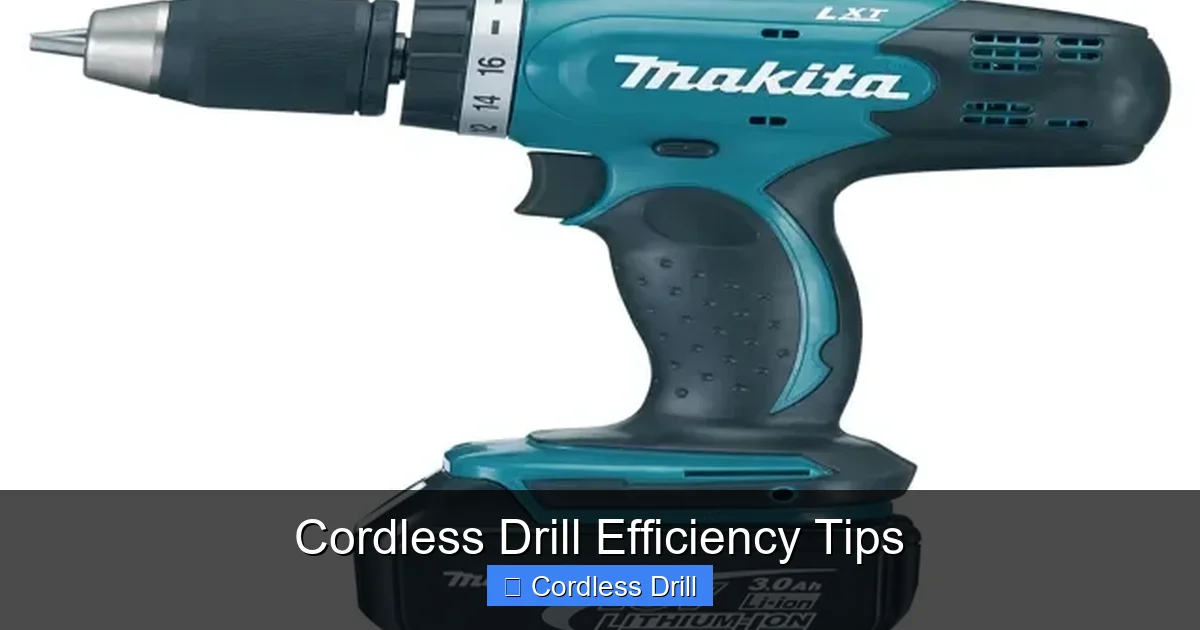
Visual guide about Cordless Drill Efficiency Tips
Image source: ourhometools.com
- Your cordless drill (obviously!)
- At least two batteries (this is a game-changer)
- A clean, well-lit workspace
- The right drill bits for your material (wood, metal, masonry)
- A bit organizer or small tray to keep things tidy
Pro tip: If you’re new to drills, check out our guide to the best cordless drill options for every budget. It helped me pick my first reliable model.
Step-by-Step Guide to Cordless Drill Efficiency Tips
Let’s dive into actionable steps. These aren’t just theory—I’ve used each one to shave hours off projects.
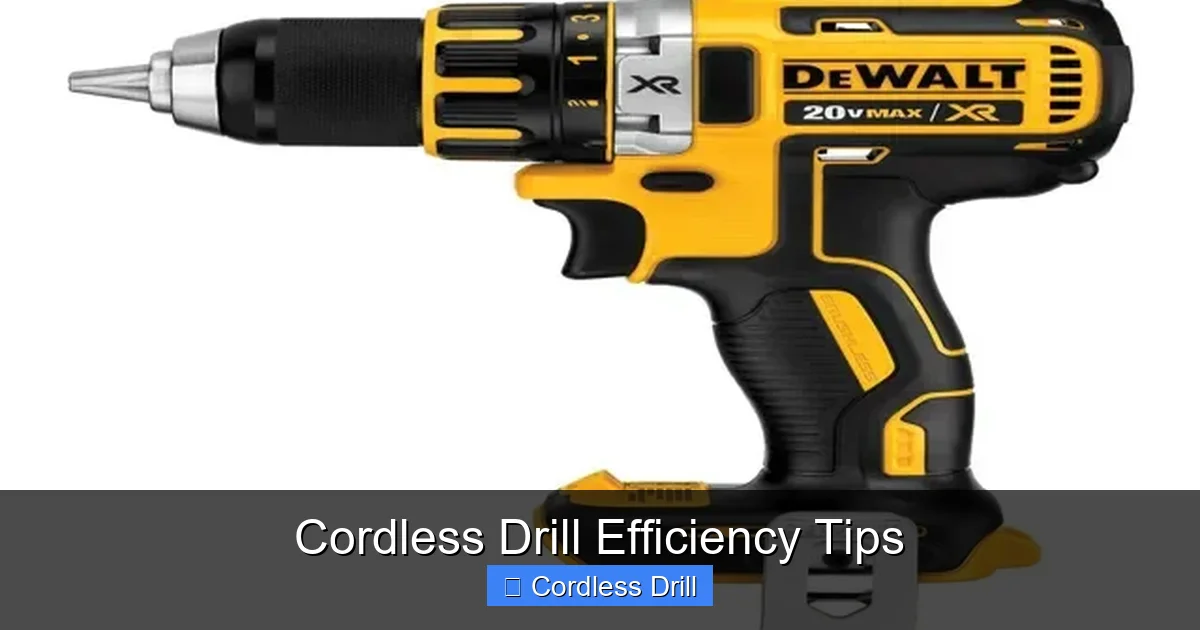
Visual guide about Cordless Drill Efficiency Tips
Image source: ourhometools.com
Step 1: Choose the Right Drill for the Job (Seriously, Don’t Skip This)
Not all drills are created equal. Using a heavy hammer drill for simple cabinet screws is like using a sledgehammer to crack a nut—it works, but it’s wildly inefficient.
For most home projects, a standard 12V or 18V drill is perfect. Save high-torque models for serious jobs. If you’re unsure about drill types, our article on the difference between impact drivers and hammer drills cleared up my confusion years ago.
Personal insight: I once tried assembling an IKEA bookshelf with an industrial-grade drill. The result? Stripped screw heads and a wobbly shelf. Lesson learned: match your tool to the task.
Step 2: Master Battery Management Like a Pro
Battery anxiety is real. But here’s what nobody tells you: modern lithium-ion batteries hate being drained completely. They last longest when you keep them between 20% and 80% charge.
Always keep a spare battery charging while you work. Swap them when the first one dips below half power. And never store batteries fully charged—aim for about 50% if you won’t use them for weeks.
This simple habit doubled my battery lifespan. It’s one of my most valuable cordless drill efficiency tips for weekend warriors.
Step 3: Match Bits and Speeds to Your Material
Using a wood bit on metal? Or cranking your drill to max speed for a tiny screw? That’s like revving a car engine in first gear—it wears everything out fast.
Here’s my quick cheat sheet:
- Wood: Use brad-point bits at medium speed (500-1,000 RPM)
- Metal: Go slow with HSS bits (300-500 RPM) and apply light pressure
- Masonry: Only use hammer mode with masonry bits (if your drill has it)
- Screws: Start at low speed to set the head, then increase slightly
Your drill’s clutch setting is also crucial. Set it low for delicate tasks (like cabinet knobs) and higher for dense materials. I always test on scrap first.
Step 4: Perfect Your Drilling Technique
Here’s where most people go wrong: they lean hard on the drill like it’s a hammer. Bad idea. Let the tool do the work.
Apply steady, moderate pressure. For drilling holes, use a “pecking” motion—pull out slightly every few seconds to clear debris. This prevents overheating and extends bit life.
When driving screws, keep the drill perpendicular to the surface. Angled drilling strips screw heads faster than you’d believe. And always start at zero speed—rev up gradually as the screw bites.
Step 5: Maintain Your Drill Like It’s Your Car
A little TLC goes a long way. After each project, blow dust out of the vents with compressed air. Wipe down the chuck (that spinning part) with a dry cloth.
Every few months, check the chuck for wobble. A loose chuck makes bits dance, ruining holes and accuracy. Tighten it with the key or by hand if it’s keyless.
Store your drill in its case, not a damp garage. Moisture is the silent killer of motors and batteries. These small steps are essential cordless drill efficiency tips that pros never skip.
Step 6: Organize Your Workflow for Maximum Efficiency
Time wasted hunting for bits or batteries kills momentum. Before starting:
- Layout all bits and materials within arm’s reach
- Charge both batteries overnight
- Mark drill points with a pencil or awl to prevent bit slip
- Keep a trash bin nearby for scraps
For wall projects, I always read our guide on how to use a drill for screws into a wall. It saved me from countless drywall disasters.
Pro Tips & Common Mistakes to Avoid
After years of trial and error, here are my hard-won insights:
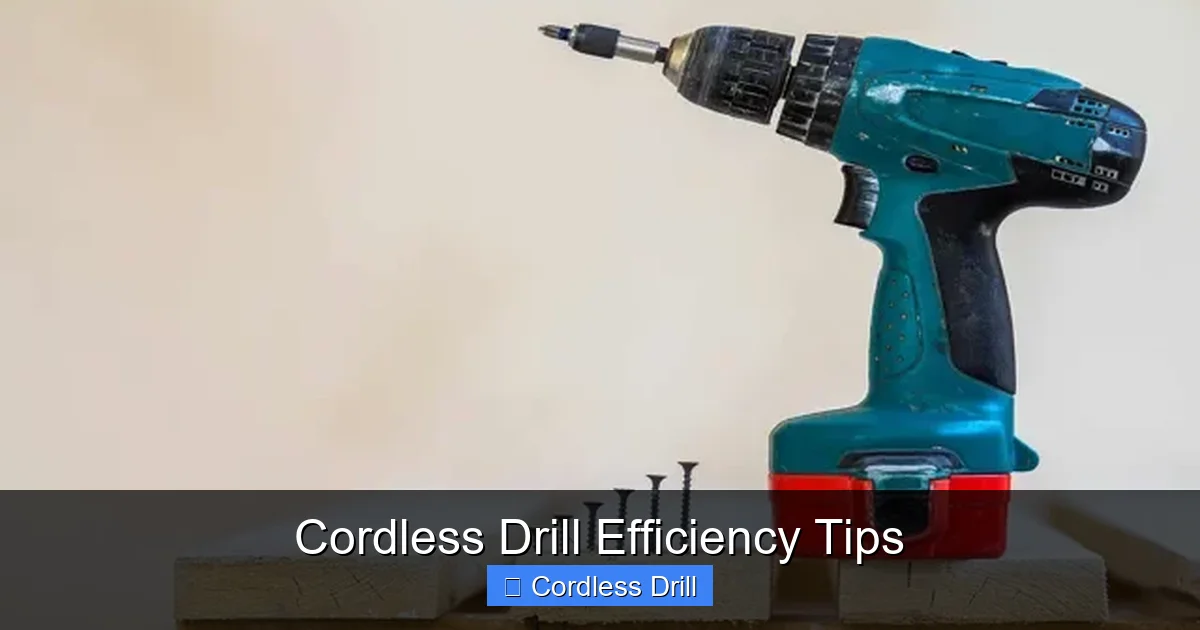
Visual guide about Cordless Drill Efficiency Tips
Image source: ourhometools.com
Warning: Never force a dull bit. It strains the motor, drains batteries fast, and makes ugly holes. Replace bits at the first sign of wear—usually when they stop cutting cleanly in 5 seconds.
Common mistake: Ignoring the two-speed gearbox. Low speed (0-500 RPM) is for high-torque tasks like driving big screws. High speed (1,000+ RPM) is for drilling small holes. Mixing these up is inefficient and risky.
Pro tip: Keep a small bottle of dry lubricant (like silicone spray) for the chuck mechanism. A monthly spritz keeps it spinning smoothly. But never use oil-based lubes—they attract gunk.
Personal pet peeve: People who store drills with bits still in the chuck. It wears out the mechanism. Always remove bits after use.
One last thing: if your drill overheats, stop immediately. Let it cool for 10 minutes. Continuous overheating damages internal components permanently. This isn’t just about efficiency—it’s about safety.
FAQs About Cordless Drill Efficiency Tips
Let’s tackle your burning questions:
Q: How often should I fully charge my drill battery?
A: Modern lithium-ion batteries don’t need full discharges. Charge when convenient, but avoid letting them drop below 20% regularly. Partial charges are actually better for longevity.
Q: Can I use my cordless drill for concrete?
A: Only if it has a hammer function. Standard drills will overheat trying to drill concrete. Even then, use dedicated masonry bits and go slow. For serious concrete work, rent a hammer drill.
Q: Why does my drill struggle with long screws?
A: You’re likely using too high a speed or the wrong bit. Switch to a square-drive bit (like Robertson) for better grip, and use low speed with steady pressure. Also, check that your battery is charged—weak batteries can’t maintain torque.
Q: How do I know when my drill bits need replacing?
A: When they take twice as long to drill the same material, or when holes become rough instead of clean. Dull bits also get hot to the touch quickly. I replace mine every 3-5 projects for consistent results.
Q: Is it bad to leave batteries in the drill overnight?
A: Modern drills have cutoffs, but it’s still not ideal. Heat from charging degrades batteries over time. Unplug once charged, and store batteries at room temperature.
Q: What’s the best way to drill straight holes?
A: Use a drill guide or make a simple jig from scrap wood. But honestly? Practice on cardboard first. The key is keeping your wrist rigid and drilling slowly until the bit bites.
Final Thoughts: Work Smarter, Not Harder
Mastering cordless drill efficiency tips isn’t about buying the fanciest tool—it’s about working smarter. Start with these steps: keep batteries healthy, match bits to materials, and maintain your drill regularly. You’ll save money, time, and frustration.
Remember that deck project I mentioned? After applying these tips, I finished it in half the time with zero stripped screws. That’s the power of working intelligently.
Your turn: pick one tip from this guide and try it on your next project. Notice the difference? Then add another. Before long, you’ll wonder how you ever drilled without these tricks.
Got a favorite efficiency hack? Share it in the comments—I’m always looking to learn from fellow DIYers. And if you’re diving into a wall project soon, don’t forget our comprehensive guide to drilling into walls. Happy drilling!