

If you are currently renovating a home or tackling a weekend DIY project in the United States, you may find yourself wondering: can an electric drill be used as a screwdriver? The short answer is yes; most modern cordless drills are versatile enough to handle light-to-medium fastening tasks alongside their primary function of boring holes. However, while it is technically possible, understanding the mechanical limitations of your tool is vital to prevent damaging your workpieces.
When you decide to use your drill as a driver, it is important to consider the following factors:
- Torque Control: Unlike dedicated drivers, standard drills often lack the nuanced clutch settings required to prevent over-tightening or stripping screws.
- Variable Speed: Most high-quality drills allow for precise speed adjustments, which is critical when sinking screws into delicate finishes.
- Versatility: With the right attachments, a single tool can manage a variety of home repair tasks, as detailed in this guide to power tool selection.
Why Understanding Your Tool Matters
Using the wrong tool for the job often leads to poor results. According to occupational safety guidelines, users should always ensure they are operating equipment within its intended design parameters. If a user tries to force a drill to perform heavy-duty assembly without proper technique, they risk snapping screw heads or damaging the motor.
Key Considerations for Success
To determine if can an electric drill be used as a screwdriver effectively in your specific scenario, keep these three points in mind:
- Material Sensitivity: Hardwoods require more torque, while drywall or soft plastics require a delicate touch to avoid surface damage.
- Bit Compatibility: Ensure the bit is firmly secured in the chuck to prevent wobble, which is a leading cause of stripped fasteners.
- Ergonomics: For long-term projects, industry experts often point toward ergonomic tool design as a way to reduce hand fatigue—something a heavy, bulky drill may not provide compared to a lightweight electric screwdriver.
By mastering the clutch and speed settings, any homeowner can safely transform their drill into an efficient fastener driver.
Key Takeaways
Many DIY enthusiasts frequently ask, “can an electric drill be used as a screwdriver?” The short answer is yes, provided the user exercises caution and understands the tool’s limitations. By adjusting the clutch settings and managing trigger pressure, a standard drill can serve as a versatile fastening tool for various home improvement projects.
For a deeper understanding of tool maintenance and selection, users can refer to these professional guidelines on power tool safety.
Essential Insights for Using a Drill as a Driver
- Versatility: Most cordless drills feature adjustable torque settings, which are critical for preventing damage to both the fastener and the material.
- Skill Requirements: Success depends on the operator’s ability to control speed; applying too much power can quickly strip screw heads or crack soft wood.
- Best Practice: Always utilize a pilot hole when working with hardwoods to ensure the screw drives straight and to reduce the stress on the drill motor.
- Tool Longevity: Frequent, heavy-duty use of a drill as a driver can accelerate wear on the chuck, so proper care and maintenance of your drill is essential for long-term reliability.
When to Switch Tools
While a drill is convenient, it may not always be the optimal choice. For repetitive tasks or heavy-duty construction, users should consider these factors:
- Precision: Dedicated electric screwdrivers offer better balance and control for delicate furniture assembly.
- Efficiency: An impact driver is significantly more efficient for driving long, thick screws into dense materials, as it provides high torque with minimal kickback.
- Ergonomics: For information regarding workplace health and tool ergonomics, the National Institute for Occupational Safety and Health (NIOSH) provides excellent resources on minimizing physical strain during repetitive tasks.
By following these key takeaways, users can confidently decide when to grab their drill for a fastening task and when a specialized tool is necessary to achieve professional-grade results.
Understanding the Differences Between Drills and Drivers
While many homeowners often wonder if can an electric drill be used as a screwdriver, the answer depends largely on the technical design of the tool. Although a standard drill is versatile, it lacks the specialized internal mechanics found in dedicated fastening tools. Understanding these nuances helps users achieve better results while protecting their materials from unnecessary damage. For a more detailed breakdown of tool capabilities, users can refer to this guide on tool selection for DIY projects.
Drill vs. Impact Driver Mechanics
The primary difference between these tools lies in how they generate rotational force. According to resources from the Occupational Safety and Health Administration (OSHA), understanding tool mechanics is essential for site safety.
- Standard Drills: These use a continuous spinning motion. They are designed for drilling holes and provide steady, constant torque.
- Impact Drivers: These utilize a “hammer and anvil” mechanism. As resistance increases, the tool delivers quick, intense bursts of rotational force.
- Performance: An impact driver is generally superior for driving long screws into dense materials because it minimizes the risk of the bit slipping out of the screw head.
Torque Control and Chuck Types
The secondary distinction involves how the tools manage the power they deliver, which is crucial when determining if can an electric drill be used as a screwdriver without stripping hardware.
- Torque Clutch: Most drills feature an adjustable clutch. This allows the user to set a maximum torque limit, causing the drill to “slip” or stop rotating once a specific resistance is reached. This feature is vital for preventing over-driving screws into delicate surfaces like drywall or soft wood.
- Chuck Design:
- Drills: Typically use a keyed or keyless chuck that accepts a wide variety of round or hex-shank bits.
- Impact Drivers: Almost exclusively use a 1/4-inch hex collet, which locks bits securely in place to withstand the high-vibration impact driver forces.
- Precision: Because drills are built for rotation rather than percussion, they offer finer control for tasks requiring a delicate touch, which researchers at the National Institute of Standards and Technology (NIST) emphasize as critical for accurate mechanical assembly.
By recognizing that a drill is a general-purpose tool while an impact driver is a specialized fastener-setter, users can effectively determine which tool is best suited for their specific project needs.

How to Properly Set Your Drill for Screwdriving
Many DIY enthusiasts often wonder, “can an electric drill be used as a screwdriver” effectively. The answer is a resounding yes, provided the tool is configured correctly for the specific task at hand. Utilizing the wrong settings can lead to damaged hardware or ruined surfaces, so understanding the mechanics of the tool is essential for professional results. For a deeper look at how to maintain your equipment for these tasks, refer to this guide on proper power tool handling.
Adjusting the Torque Clutch
The torque clutch is arguably the most critical feature when determining if can an electric drill be used as a screwdriver without over-tightening. Most modern drills feature a collar behind the chuck labeled with numbers.
- Low Settings (1–5): Best for small screws or delicate materials like soft pine or plastic. This prevents the bit from spinning out and stripping the screw head.
- Medium Settings (6–12): Ideal for general assembly, such as furniture construction or driving into medium-density fiberboard (MDF).
- High Settings/Drill Icon: This locks the clutch, providing maximum power. This should generally be avoided for driving screws, as it risks snapping the screw head or damaging the workpiece.
According to guidelines from OSHA regarding power tool safety, always ensure the clutch is set appropriately before applying power to prevent mechanical kickback or injury.
Selecting the Right Speed Settings
Matching the speed of the motor to the size and length of the screw is vital. Most cordless drills feature a two-speed transmission switch, usually located on the top of the housing.
- Low Speed (Gear 1): This setting prioritizes high torque over speed. It is the recommended choice for driving long screws into hardwoods or metal, as it offers the user better control and reduces the heat generated by friction.
- High Speed (Gear 2): Designed primarily for drilling holes, this setting is generally too fast for driving fasteners. Using high speed when driving screws often results in the bit jumping out of the slot, commonly known as “cam-out.”
By choosing the low-speed gear, the user gains a much higher degree of precision. For more detailed technical specifications on tool performance, users can consult resources like the National Institute of Standards and Technology to understand the mechanical forces involved in torque application. Always start slow to seat the screw properly before increasing pressure.
Essential Bit Types for Your Electric Drill
When asking can an electric drill be used as a screwdriver, the secret to success lies in selecting the correct accessory bits. A standard power drill is a versatile tool, but it requires the right interface to engage with various screw heads effectively. Using the wrong bit often leads to frustration or damaged hardware, which is why understanding proper tool selection is essential for any DIY enthusiast. Following the guidance provided by the Occupational Safety and Health Administration (OSHA) ensures that users maintain a safe workspace while handling these attachments.
Phillips and Flathead Bit Compatibility
Most standard drills come with a keyless chuck that accommodates a wide array of driver bits. To ensure your drill functions like a professional driver, consider these common types:
- Phillips Bits: These are the most common bits for general home projects. They feature a cross-head design that helps center the bit within the screw head.
- Flathead (Slotted) Bits: Used primarily for older furniture or specialized hardware. These require careful alignment to prevent the bit from “camming out” or slipping.
- Torx (Star) Bits: Increasingly popular in construction, these provide superior torque transfer compared to traditional Phillips heads, significantly reducing the likelihood of stripping.
Always match the size of the bit to the screw head precisely. A loose-fitting bit is the primary cause of stripped threads and damaged materials. For more technical details on fasteners and assembly standards, refer to resources provided by the National Institute of Standards and Technology (NIST).
Using Magnetic Bit Holders
One of the most effective ways to improve efficiency when using a drill for fastening is the integration of a magnetic bit holder. This simple accessory offers several distinct advantages:
- Retention: It holds the screw securely in place, allowing for one-handed operation in tight corners or overhead spaces.
- Quick Changes: Because the bits are held in a hex-shank adapter, the user can switch between Phillips, flathead, or Torx bits in seconds without having to loosen and retighten the drill chuck.
- Stability: The added length of a magnetic bit holder provides better clearance, ensuring the drill body does not obstruct the surface of the material being fastened.
By utilizing these accessories, a user significantly improves their ability to drive fasteners cleanly and accurately, reinforcing the idea that a versatile drill can easily outperform a standard handheld screwdriver in most household applications.
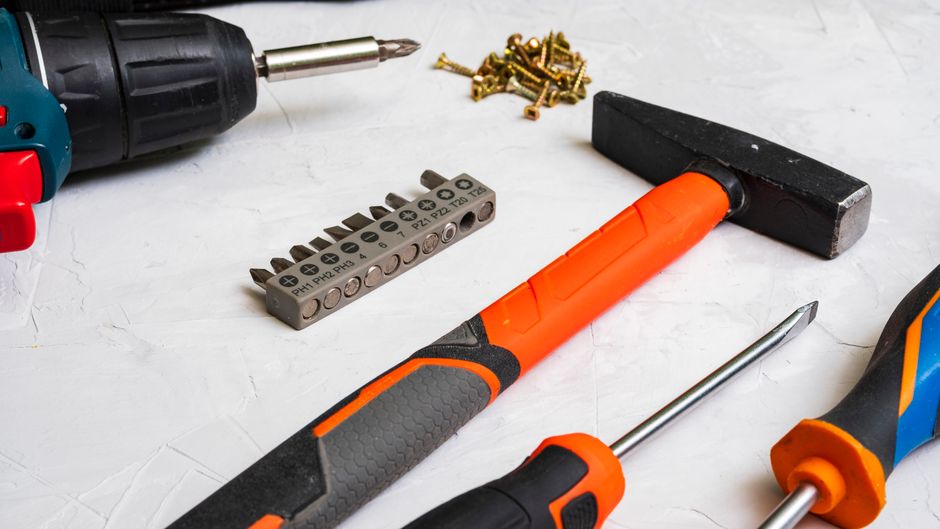
The Risks of Using a Drill for Fastening
While many homeowners wonder if they can an electric drill be used as a screwdriver, it is essential to recognize the potential pitfalls of utilizing a high-torque tool for precision fastening. Because power drills are primarily engineered for drilling holes through various materials, they often lack the delicate touch required for small fasteners. Misusing these tools can lead to frustration, project delays, and damaged components. For more information on proper tool application, users can consult official safety guidelines from OSHA regarding power tool operation.
Stripping Screw Heads
The most common issue when using a standard drill for fastening is the risk of stripping screw heads. This happens when the drill’s motor provides too much torque or speed, causing the bit to “cam out” or spin freely inside the screw head.
- Excessive Speed: Drills often reach high RPMs quickly, which is counterproductive for driving screws.
- Lack of Control: Without the refined clutch settings found on dedicated drivers, the fastener may over-rotate even after it is flush with the surface.
- Result: A stripped screw head becomes nearly impossible to remove or tighten further, often requiring the use of specialized extraction tools.
To mitigate this, users should focus on maintaining steady, firm pressure on the tool. For those seeking expert tips on tool maintenance and usage, it is helpful to ensure the bit is properly seated before engaging the trigger.
Damaging Delicate Materials
Using a heavy-duty drill on softwoods, drywall, or finished cabinetry can lead to significant surface damage. Unlike a dedicated screwdriver, a drill often lacks the “feel” needed to prevent common assembly errors.
- Over-driving: Fasteners can easily sink too deep into soft materials, cracking the wood or tearing the drywall paper.
- Surface Marring: If the bit slips due to lack of torque control, it can scratch or gouge the surrounding material, ruining the aesthetic finish of a project.
- Material Splitting: Without a pilot hole, the raw power of a drill can force a screw into material too quickly, causing it to split along the grain. According to research on material science in construction, applying excessive force without proper preparation is a primary cause of structural weakness in woodworking joints.
By being aware of these risks, users can decide whether their specific task is appropriate for their drill or if a lower-impact tool is required to ensure a clean, professional finish.
When to Use a Dedicated Electric Screwdriver Instead
While many homeowners wonder, “can an electric drill be used as a screwdriver,” the answer depends heavily on the project at hand. A standard cordless drill is a versatile powerhouse, but it is often overkill for delicate tasks. In many scenarios, a dedicated electric screwdriver provides superior control and ergonomics, especially when working with sensitive materials or small fasteners. If you are curious about the specific technical differences and mechanical capabilities of your gear, you can review this comprehensive guide on power tool functions to see how these tools compare.
Benefits of Compact Design
Dedicated electric screwdrivers are engineered with a slim, ergonomic profile that drills simply cannot match. When deciding if can an electric drill be used as a screwdriver for tight corners, consider these advantages of a smaller tool:
- Improved Maneuverability: Their narrow design allows users to reach into cramped spaces, such as inside kitchen cabinets or behind electronics.
- Reduced Fatigue: Because they are significantly lighter, they are ideal for repetitive tasks, such as assembling flat-pack furniture.
- Easier Storage: They take up minimal room in a junk drawer or a small toolbox, making them more convenient for quick household fixes.
According to guidelines from OSHA regarding hand and power tools, choosing the right size tool for the job is essential to preventing operator strain and maintaining control during operation.
Low-Torque Precision Work
Using a high-powered drill for tiny screws often leads to stripped threads or damaged workpieces. A dedicated electric screwdriver is built specifically for low-torque precision work, which offers several benefits:
- Clutch Sensitivity: These tools feature highly sensitive clutches that stop rotation the instant a screw is seated, preventing the “over-driving” that is common with larger drills.
- Surface Protection: By eliminating excessive speed, the risk of the bit slipping and scratching delicate finishes—such as finished wood or plastic housings—is greatly reduced.
- Controlled Starts: The trigger mechanisms are designed for gradual engagement, allowing the user to begin the fastening process slowly to ensure the screw is properly threaded.
For those engaging in detailed hobbyist work or electronic repairs, scientific literature on ergonomics and tool precision suggests that matching the tool’s torque profile to the fastener size significantly increases the longevity of the materials being fastened. When precision is the priority, reaching for a dedicated screwdriver is the professional choice.

Best Practices for Driving Screws into Wood
While many DIY enthusiasts often wonder if can an electric drill be used as a screwdriver effectively, the secret lies in refined technique. Achieving a flush, secure fit without damaging the wood or the hardware requires a methodical approach that prioritizes control over raw power. Professionals often refer to best practices for cordless tool operation to ensure longevity and accuracy. By managing speed, pressure, and preparation, users can transform their standard drill into a reliable fastening tool for almost any home improvement project.
The Importance of Pilot Holes
Drilling a pilot hole is the most critical step when working with lumber to prevent structural issues. It effectively guides the screw and reduces the internal stress placed on the wood fibers.
- Prevent Splitting: Without a pilot hole, the wedge action of a screw can easily split softwoods, especially when driving near the edge of a board.
- Easier Alignment: It provides a clear path, ensuring the screw stays on course.
- Bit Sizing: Always choose a drill bit slightly smaller than the shank of the screw.
- Standard Compliance: The U.S. Forest Service recommends proper preparation of materials to ensure long-term stability in carpentry.
Proper Downward Pressure Techniques
Operating a drill requires a firm hand to maintain consistent engagement between the bit and the screw head. When users ask, can an electric drill be used as a screwdriver successfully, the answer usually depends on their ability to manage downward pressure.
- Centered Alignment: Keep the drill perfectly perpendicular to the wood surface. If the bit is angled, it is more likely to slip and strip the screw head.
- Consistent Force: Apply steady, firm pressure forward. This keeps the bit seated deeply in the drive recess.
- Variable Speed Control: Start at a slow speed to “bite” into the wood, then increase speed gradually once the screw has caught.
- Avoid Over-Driving: Stop just before the screw head reaches the surface to prevent “burring” the wood or stripping the threads.
- Ergonomics: For safety, the Occupational Safety and Health Administration suggests maintaining a neutral wrist position to prevent strain while operating handheld power tools.
By focusing on these specific techniques, a user ensures that the tool performs reliably, preventing common pitfalls like stripped heads or damaged surfaces.
Frequently Asked Questions
Many DIY enthusiasts often wonder if they need a dedicated fastening tool or if their current power equipment suffices. While many homeowners ask, “can an electric drill be used as a screwdriver,” the answer is generally yes, provided the operator understands the limitations and settings of their specific tool. To ensure you are using your equipment correctly and safely, consult official guidelines from the Occupational Safety and Health Administration for proper power tool handling.
Will using a drill as a screwdriver damage the motor?
Under normal conditions, using a drill to drive screws will not damage the motor. However, excessive strain occurs if:
- The user forces the drill to drive large screws into dense material without a pilot hole.
- The tool is held in a stalled position, which causes heat buildup.
- The user ignores the torque settings, putting undue stress on the internal gearbox.
Can I use any drill bit for screwdriving?
No, you cannot use just any bit. Standard drill bits are designed for boring holes, not for fastening. To successfully use your drill, you must:
- Use specific driver bits (Phillips, flathead, Torx, or hex) designed to fit the screw head geometry.
- Avoid using drill bits that are not intended for fastening, as they will quickly slip and damage the screw head.
- Learn more about proper bit selection and maintenance to ensure your tool performs at its peak.
Is an impact driver better for driving long screws?
An impact driver is technically superior for driving long screws. Unlike a standard drill, these tools:
- Utilize a rotational impact mechanism that provides high torque without the “kickback” often felt in a drill.
- Are more efficient at sinking long fasteners into hardwoods or structural lumber.
- Reduce the likelihood of snapping the screw head off compared to a traditional high-torque drill setting. For further reading on tool safety and standards, refer to documentation provided by the National Institute of Standards and Technology.
How do I prevent stripping screws when using a drill?
Stripping occurs when the bit slips out of the screw head, usually due to incorrect speed or pressure. To prevent this:
- Select the correct bit size: Ensure the bit sits snugly in the screw head with zero “wiggle.”
- Use the torque clutch: Set the drill to a lower torque setting to stop the motor once the screw is seated.
- Apply consistent pressure: Maintain firm downward force on the back of the drill to keep the bit engaged.
- Control the speed: Start slowly to ensure the screw enters straight before increasing speed.
Safety Precautions for Power Tool Usage
When determining if can an electric drill be used as a screwdriver, safety should always remain the top priority for the operator. Power tools are incredibly efficient, but they harbor significant potential for injury if handled improperly. Whether a user is a seasoned contractor or a weekend DIY enthusiast, adhering to established safety protocols is essential to prevent accidents. For comprehensive guidelines on tool handling, users can refer to resources from the Occupational Safety and Health Administration regarding power tool operation.
Wearing Proper Eye Protection
Operating a drill involves high-speed rotation that can easily eject debris, wood splinters, or metal shavings toward the face.
- Always wear ANSI-rated safety glasses: Standard prescription eyewear is often insufficient; ensure your gear meets ANSI Z87.1 standards for impact resistance.
- Utilize face shields: If working overhead or in tight spaces where chips may bounce back, a full face shield provides an extra layer of protection.
- Avoid loose apparel: Long hair should be tied back, and dangling jewelry or loose clothing should be secured to prevent them from becoming entangled in the rotating chuck.
Managing Battery and Cord Safety
Proper management of the power source is critical to maintaining a safe work environment and ensuring the tool functions correctly.
- Battery Maintenance: When using a cordless drill, users should only use batteries recommended by the manufacturer. If a battery pack appears damaged or overheated, it should be removed from service immediately to avoid fire hazards.
- Cord Awareness: For corded drills, the operator must keep the cord clear of the bit path at all times. A properly maintained tool reduces the risk of electrical shorts or cord damage.
- Inspect for Frayed Wires: Before starting any project, check the cable for exposed wiring or cracked insulation.
- Safe Storage: Never leave a battery-powered tool with the battery inserted during extended storage, as this can lead to accidental activation or deep discharge.
By consistently applying these safety measures, users minimize the risks associated with power tools. Maintaining focus while learning whether can an electric drill be used as a screwdriver ensures that every project is completed without compromising personal well-being or workplace safety.
Maintenance Tips for Long-Lasting Tools
To ensure your power tools remain in top condition—especially when you ask can an electric drill be used as a screwdriver—consistent maintenance is essential. Neglecting your equipment can lead to premature motor burnout or mechanical failure. By following a regular care schedule, you extend the lifespan of your investment and ensure that your drill’s performance remains consistent across various projects.
Cleaning Your Drill Chuck
The chuck is the primary point of contact for your bits and is highly susceptible to debris buildup. Proper care helps maintain the grip required for heavy-duty tasks.
- Remove Debris: Use a can of compressed air or a soft brush to remove wood dust and metal shavings from the jaws of the chuck.
- Prevent Corrosion: Occasionally apply a light coat of dry lubricant to the moving parts to ensure smooth operation without attracting excess grit.
- Inspection: Periodically check the jaws for uneven wear. If the jaws are misaligned, the drill bit will wobble, which often happens when users attempt to force a drill bit into a task it isn’t suited for.
- Standard Compliance: For more information on general safety standards regarding power tool handling, visit the Occupational Safety and Health Administration (OSHA).
Storing Your Power Tools Correctly
Proper storage is as vital as active maintenance. Environmental factors like humidity and extreme temperatures can degrade internal components.
- Control Moisture: Always store your drill in a dry environment to prevent rust on internal metal gears. Use a silica gel packet inside your tool box to absorb ambient humidity.
- Battery Management: For lithium-ion batteries, store them at a partial charge (around 40-50%) if the tool will not be used for an extended period. According to Energy.gov, extreme temperatures—whether too hot or too cold—can significantly shorten the usable life of rechargeable battery cells.
- Dedicated Space: Keep the drill in a hard-shell case or on a wall-mounted rack. This prevents the tool from falling or suffering accidental impact damage, which can misalign the internal chuck mechanism.
- Cable Care: If using a corded model, avoid wrapping the power cord too tightly around the handle, as this can lead to internal wire breakage over time.
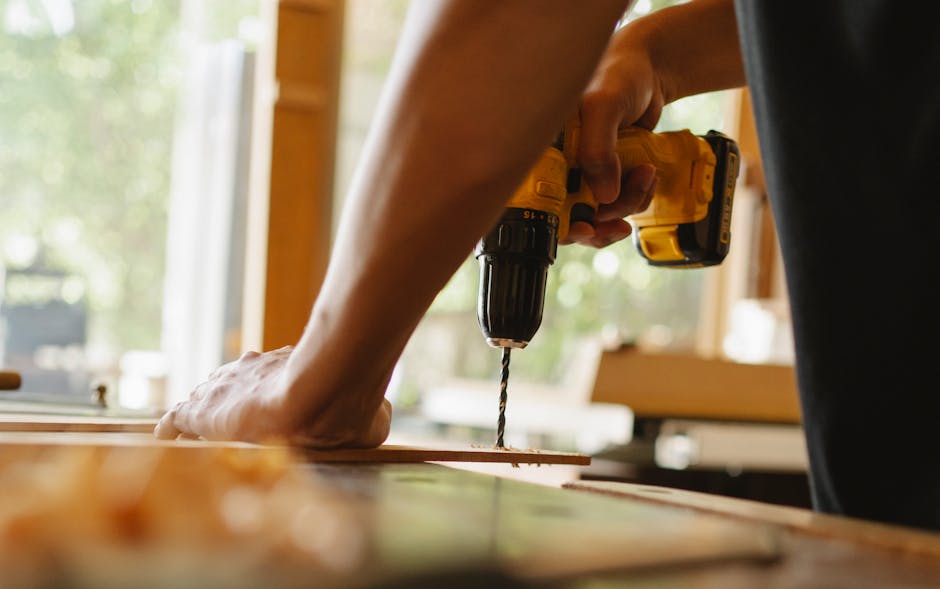
Conclusion: Can an electric drill be used as a screwdriver effectively?
In short, yes, can an electric drill be used as a screwdriver effectively for a wide variety of household projects. While it is not always the most precise tool for delicate tasks, it remains a versatile staple in any DIY enthusiast’s workshop. By utilizing the adjustable clutch and proper bit selection, users can transform their standard drill into a capable fastening machine.
Balancing Power and Control
When considering if can an electric drill be used as a screwdriver for specific applications, one must prioritize control over raw power. Professionals often rely on the following best practices to ensure success:
- Adjusting the Clutch: Setting the torque to a lower limit prevents the accidental stripping of screw heads.
- Variable Speed Control: Utilizing a slower trigger pull allows for better alignment during the initial bite.
- Bit Quality: High-quality hardened steel bits are essential for maintaining grip and preventing slippage.
Why Choice Matters
While an electric drill serves as a functional “all-in-one” solution, serious woodworkers might eventually find that an impact driver offers better performance for high-torque fastening tasks. For those wondering about the mechanical limitations of these devices, detailed safety and operational guidelines provide excellent context for long-term tool health.
If a user finds their current setup lacking, they should consider exploring specialized driving equipment designed specifically for high-frequency fastening.
Final Takeaways
To wrap up, here are the three pillars of effective screwdriving with a drill:
- Preparation: Always drill pilot holes in hardwood to avoid splitting the material.
- Technique: Apply firm, consistent forward pressure to keep the bit seated.
- Tool Selection: Reserve the drill for general tasks and reach for a dedicated screwdriver when precision or compact space is required.
Ultimately, once the user understands the mechanics, the answer to can an electric drill be used as a screwdriver is a confident yes, provided they practice caution and maintain their equipment properly.