Walking under a ladder is often associated with bad luck in many cultures, and the superstition surrounding it has been around for centuries. Whether it’s in a construction zone or just in a home or office setting, the idea of walking beneath a ladder seems to carry an eerie sense of danger and misfortune. But what is the true significance of walking under a ladder? Is it just a superstition, or does it present real-world risks?
In this comprehensive guide, we will explore the history and origins of the “walking under a ladder” superstition, as well as the safety considerations associated with this act in everyday life. We will also discuss the potential physical dangers of walking under a ladder in construction environments, the psychology behind the superstition, and how to approach ladders with safety in mind—whether you’re superstitious or not.
1. The Origins of the “Walking Under a Ladder” Superstition
The belief that walking under a ladder brings bad luck is one of the most well-known superstitions worldwide. It is often considered a practice that should be avoided, especially in cultures where luck and fate are believed to be influenced by actions, numbers, or signs. But where did this superstition come from?
a. Ancient Egyptian Symbolism
One of the most widely accepted origins of the “walking under a ladder” superstition dates back to Ancient Egypt. In Egyptian culture, the triangle was a symbol of life, and its shape was revered as sacred. The triangle was thought to represent the trinity of life, death, and rebirth, with the pyramid being a prominent symbol.
When a ladder is placed against a wall, it forms a triangle. Walking under it was seen as disrespectful to the triangle’s sacred geometry, and it was believed that crossing through it would disrupt the harmony of life, bringing misfortune. This belief gradually made its way into European cultures, where it became associated with bad luck.
b. Christian Influence
In Christian symbolism, the ladder also held significance. The ladder was seen as a symbol of the connection between heaven and earth, especially in religious texts like Jacob’s Ladder in the Bible. In this context, walking under a ladder was thought to be disrespectful to sacred symbols, as it could imply that the individual was disregarding the spiritual connection between God and humanity.
Additionally, it was believed that walking under a ladder could break the “trinity” symbol (the three points of the ladder), further linking it to ideas of misfortune and bad luck.
c. Medieval Superstitions and Witchcraft
During the medieval period, ladders were often associated with witches and the supernatural. Witches were believed to use ladders to access higher realms or to cast spells. Some people believed that by walking under a ladder, you might accidentally step into the realm of the supernatural, inviting bad luck or negative energy into your life.
2. The Psychology Behind Superstitions

While the superstition around walking under a ladder may seem irrational, psychology offers an explanation for why these kinds of beliefs persist. Superstitions often arise in situations where people feel they have little control over their lives or outcomes. In moments of uncertainty or anxiety, people might develop habits or beliefs that they think will help them avoid bad things from happening.
The idea of “bad luck” is often tied to uncertainty—people want to feel as though they can influence events, especially negative outcomes. Superstitions like walking under a ladder play into this desire for control. For example, if a person were to walk under a ladder and later experience something unpleasant, they might attribute the event to the superstition, reinforcing the belief that walking under a ladder brings misfortune.
Additionally, social conditioning plays a role. If one person in a group avoids walking under a ladder and others see them doing so, it may become a learned behavior. Over time, this can evolve into a societal norm, making it seem more plausible that walking under a ladder indeed invites bad luck.
3. Real-World Risks of Walking Under a Ladder
While superstition may be rooted in psychology and ancient beliefs, there are real physical dangers associated with walking under a ladder, particularly in work environments. When it comes to construction or other physically demanding work, the risk is far more tangible than any myth.
a. Potential for Falling Objects
In a construction or home improvement setting, walking under a ladder can put you directly in the path of falling objects. Workers often use ladders to access higher levels or shelves, and tools, materials, or debris can fall from the ladder if not properly secured.
- Unsecured Tools: Tools and materials that are not properly secured on the ladder can fall onto anyone standing below. Even a small hand tool falling from a height can cause significant injury.
- Hazardous Debris: In some cases, dust, debris, or even nails can fall from the ladder, posing a safety risk to anyone in its direct line.
To minimize these risks, it’s important to follow safety protocols such as securing tools, ensuring the ladder is stable, and never standing directly under a ladder in use.
b. Ladder Instability
Ladders can sometimes be unstable, especially if they are placed on uneven ground or not locked properly. Walking underneath a ladder that’s in use can result in accidental movements or shifts that could lead to a fall.
- Shifting Ladders: If someone is ascending or descending a ladder and another person walks underneath, the ladder could be inadvertently nudged or bumped, causing it to become unstable. A sudden shift could result in the ladder tipping over.
- Unstable Position: If a ladder is leaning against an unstable surface or positioned poorly, walking underneath it can destabilize the ladder and lead to accidents.
c. Occupational Safety
In certain work environments, there are strict guidelines about walking under or around ladders. For instance, the Occupational Safety and Health Administration (OSHA) mandates that workers avoid certain high-risk areas to reduce the likelihood of accidents. Ladders should be positioned in safe areas where people aren’t walking under or near them during use.
4. How to Stay Safe Around Ladders
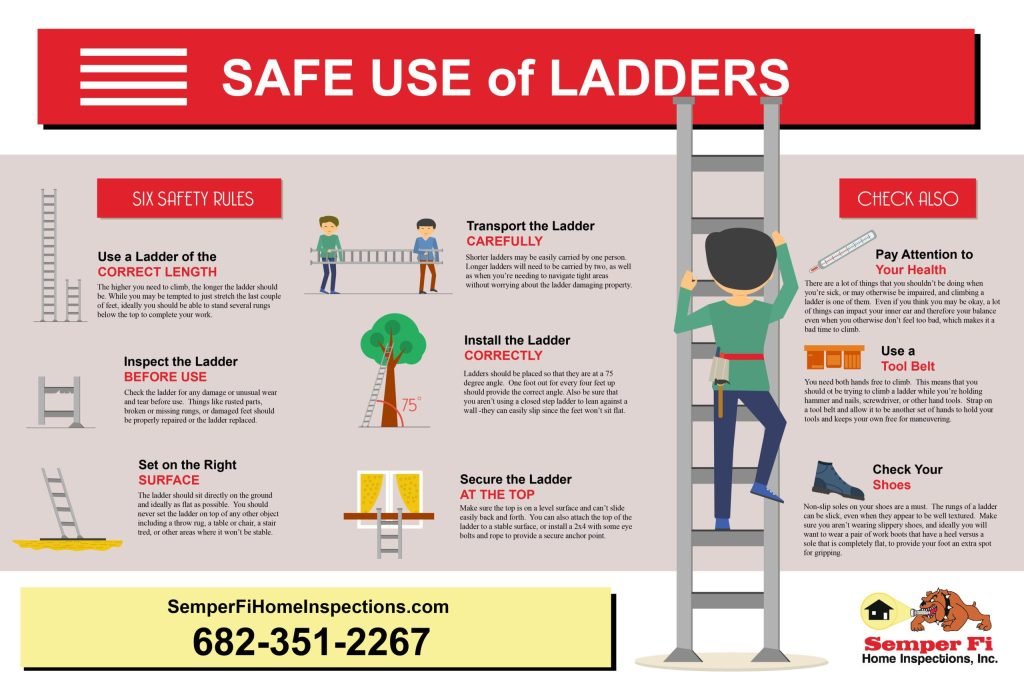
Whether you believe in the superstition or not, there are practical steps you can take to stay safe around ladders, particularly in environments where the risk of accidents is higher.
a. Positioning Ladders Safely
When setting up a ladder, make sure it is placed on a level surface and is at the correct angle (around 75 degrees). The base of the ladder should be far enough from the wall so that the user can safely climb without the ladder becoming too steep or too shallow.
b. Securing the Ladder
Before using a ladder, ensure it is properly secured. This can include tying it off at the top (if using an extension ladder), ensuring that it has locking mechanisms in place (especially with folding or step ladders), and checking that the feet are in good condition.
c. Awareness of Surrounding Areas
Always be aware of the area around a ladder. If there are people moving around or if the ladder is in a high-traffic zone, it’s important to ensure that no one walks under the ladder or gets too close. Make use of caution cones, barriers, or warning signs if necessary.
d. Use of Personal Protective Equipment (PPE)
In high-risk environments, wearing appropriate PPE (personal protective equipment) is essential. Hard hats, gloves, and steel-toed boots can protect against potential falling objects or unexpected accidents.
5. What to Do If You Need to Walk Under a Ladder
In some situations, walking under a ladder might be necessary—especially if it’s in a confined space or if no one is actively using the ladder. Here’s how to minimize the risk:
- Wait for the Ladder to Be Unoccupied: The best course of action is to wait until the ladder is not in use. If the ladder is being climbed, stay clear of the area entirely.
- Look Up: If you must walk under a ladder, glance upward to check if anyone is standing on it or if any objects are loose. If so, wait until it’s safe to pass.
- Move Quickly and Carefully: If you must pass under a ladder, move quickly but carefully. Be mindful of any obstacles or equipment that may be on or around the ladder.
6. Conclusion: Superstition vs. Safety
While the superstition about walking under a ladder has deep cultural roots, it’s important to recognize that the real risks associated with walking under a ladder are far more practical than mystical. Whether in a construction zone or a residential setting, the true danger comes from physical hazards like falling objects, unstable ladders, and the risk of causing an accident.
That said, if the superstition helps remind you to be more cautious around ladders and enhances your awareness of the potential risks, then it serves a useful purpose. Whether you believe in bad luck or not, it’s crucial to prioritize safety when working around ladders and to follow the proper guidelines to prevent accidents.
In the end, understanding the history and psychology behind the superstition can make it easier to differentiate between superstition and reality. When it comes to ladder safety, make sure you always consider the practical risks and take appropriate precautions to stay safe.
RELATED POST
- Guide to Ladder Inspections
- The Safety and Strategy of a Henchman Climbing
- When Ascending or Descending a Ladder
- Essential Guidelines for Safe Climbing