
Ladders are invaluable tools in both residential and professional settings, particularly for tasks that require reaching high places. Among the different types of ladders, extension ladders stand out for their versatility and ability to extend to great heights. However, while these ladders are essential for many jobs, they can also pose serious risks if not handled correctly. The process of raising and lowering an extension ladder is particularly hazardous and is a common source of injury in both the workplace and home.
In this comprehensive guide, we will explore the best practices for safely raising and lowering an extension ladder, the common injuries that occur when handling these ladders improperly, and the key safety precautions you can take to minimize risks. Whether you’re a seasoned professional or a DIY enthusiast, understanding how to safely use and move extension ladders is critical to preventing accidents and ensuring a safer work environment.
1. Why Extension Ladders Pose a Risk
Extension ladders, while highly effective in reaching high areas, present unique challenges in terms of safety. Their design, which allows for the ladder to extend and retract, can make them cumbersome to handle, especially when they are being raised or lowered. The risks involved with extension ladders often stem from the following:
- Heavy Weight: Extension ladders, particularly aluminum or fiberglass models, can be heavy and difficult to maneuver alone. When raising or lowering them, it’s easy to strain muscles or lose control.
- Lack of Stability: If an extension ladder is not positioned correctly, it can shift or topple when you attempt to raise or lower it. This can result in serious injury from falling or dropping the ladder.
- Improper Technique: Many injuries occur due to improper lifting techniques, such as lifting the ladder at the wrong angle or failing to maintain proper body posture. This can lead to back injuries, strains, or even drops.
- Environmental Hazards: Uneven ground, wet or slippery surfaces, and windy conditions can make raising or lowering an extension ladder particularly dangerous.
Understanding these risks is the first step in preventing injury. The following sections provide detailed tips and best practices to safely raise and lower your extension ladder.
2. Pre-Raising/Lowering Safety Checks
Before you even begin the process of raising or lowering an extension ladder, it’s crucial to perform a thorough safety check to ensure everything is in good condition and that the environment is safe for ladder use. Here are the steps to follow:
a. Inspect the Ladder
Before any use, always inspect the extension ladder for the following:
- Structural Integrity: Check the ladder for any cracks, bent rungs, or loose parts. Pay particular attention to the locking mechanism to ensure it works properly. Any damage could make the ladder unstable or cause it to collapse unexpectedly.
- Cleanliness: Ensure that the ladder is free of debris, oil, grease, or other substances that could cause slipping. Clean the rungs and feet if necessary.
- Rope and Pulley Mechanism (if applicable): If your extension ladder has a rope-and-pulley mechanism for extension and retraction, check the rope for wear, fraying, or damage. A broken rope can make it extremely difficult to raise or lower the ladder safely.
b. Check the Ground Surface
- Level Ground: Always raise or lower your ladder on firm, level ground. If the surface is uneven, unstable, or slippery (due to rain, ice, or dust), take extra precautions. Place the ladder on a stable surface or use stabilizing accessories.
- Obstacles: Clear the area around the ladder of any debris, tools, or other obstacles that might cause tripping or interfere with the ladder’s movement.
c. Environmental Conditions
- Wind: Avoid raising or lowering an extension ladder on windy days. Wind can destabilize the ladder, especially when it’s being extended or retracted, and can cause it to topple over.
- Weather: Do not use an extension ladder during rain or snow, as wet conditions can make the ladder slippery and increase the risk of accidents.
3. Techniques for Safely Raising an Extension Ladder

Raising an extension ladder involves both strength and coordination. Doing it improperly can lead to accidents and injuries, particularly to your back, arms, and shoulders. Here are some key techniques to ensure safe lifting:
a. Use the Proper Lifting Technique
- Bend Your Knees: Never use your back to lift a heavy ladder. Always bend your knees, squat down, and use your legs to lift. Keep your back straight as you lift, and avoid twisting your body while handling the ladder. This technique will help prevent back strains.
- Position Your Hands Correctly: Stand facing the base of the ladder, gripping the sides with both hands. Keep your arms extended in front of you at shoulder height for better control.
- Avoid Lifting Alone: Extension ladders, especially those over 16 feet in length, are heavy and difficult to handle alone. If possible, have a second person assist you. One person should lift from the bottom while the other person assists in positioning the top of the ladder.
b. Maintain Proper Angle
When raising the ladder, make sure the ladder forms the correct angle with the ground (approximately 75 degrees). If the ladder is too steep or too shallow, it could become unstable, leading to a fall when climbing or lowering the ladder.
c. Use a Ladder Pulley System (if applicable)
If your ladder has a rope and pulley system for extension, ensure the rope is securely tied and in good condition before using it. When raising the ladder, pull the rope smoothly and evenly to avoid jerking, which could destabilize the ladder.
d. Position the Ladder Correctly
Once the ladder is fully extended, place it against the structure you plan to access, ensuring the top of the ladder extends at least 3 feet above the edge (if possible). Secure the ladder by tying it off or using ladder stabilizers if necessary.
4. Techniques for Safely Lowering an Extension Ladder
Lowering an extension ladder can be just as hazardous as raising it, especially if you are not following the proper procedures. Here are some essential tips for safely lowering your ladder:
a. Lowering the Ladder Gradually
- Use Controlled Movements: Never let the ladder fall quickly or without control. Lower it gently by gradually releasing the locking mechanism and pulling down the rope (if using a rope-and-pulley system).
- Avoid Jerking Movements: Abrupt movements can destabilize the ladder or cause it to shift unexpectedly. Always keep the ladder stable as you lower it.
b. Clear the Area
Before lowering the ladder, make sure the area below it is clear of people, tools, and obstacles. Lowering a ladder onto someone or something can result in serious injury or damage.
c. Ensure Proper Positioning During Lowering
As you lower the ladder, make sure it remains vertical. If it starts to tilt, stop and reposition the ladder before continuing. Lower the ladder slowly, making sure it doesn’t bang against walls or other structures, which could cause it to fall or become damaged.
d. Use a Second Person When Possible
Again, if you are dealing with a particularly long or heavy ladder, it is advisable to have a second person help. One person can stand at the top to guide the ladder’s descent, while the other controls the base.
5. Additional Safety Tips for Ladder Use
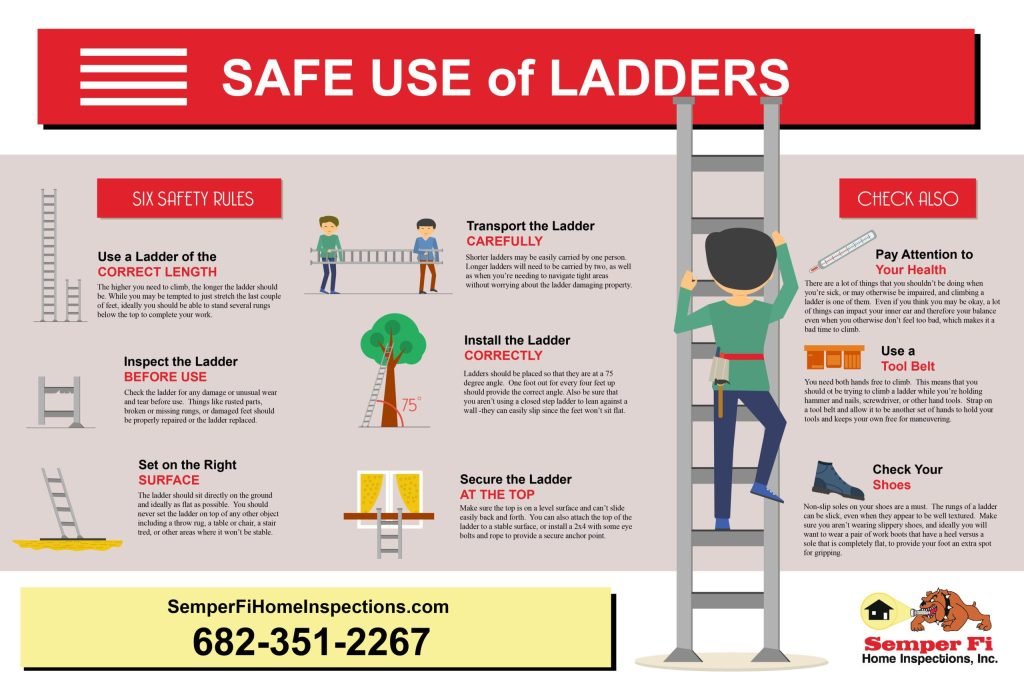
In addition to the basic techniques for raising and lowering an extension ladder, here are some additional safety considerations that can help prevent injury:
a. Wear Proper Clothing and Footwear
- Footwear: Always wear slip-resistant shoes or boots when working with ladders. This will reduce the chance of slipping when raising, lowering, or climbing the ladder.
- Clothing: Avoid wearing loose or baggy clothing that could get caught in the ladder or restrict your movement. Wear gloves to protect your hands from abrasions and ensure a secure grip.
b. Stabilize the Ladder Before Use
Once the ladder is in place, consider using a ladder stabilizer or spreader bar to prevent the ladder from wobbling or tipping over. These tools add extra support and stability, making the ladder safer to climb and use.
c. Check the Ladder’s Locking Mechanism
Before using an extension ladder, ensure that the locking mechanism (either a spring-loaded lock or a metal pin) is fully engaged and functioning. If the mechanism is loose or malfunctioning, the ladder could collapse during use, leading to injury.
d. Never Overreach or Overload the Ladder
When using an extension ladder, always make sure your body stays centered and balanced on the rungs. Never overreach to the side or try to carry tools while climbing. This can cause you to lose balance and fall. Additionally, be mindful of the ladder’s weight limit; overloading it can cause it to become unstable.
6. Conclusion: Safety First for Ladder Use
Raising and lowering an extension ladder may seem like a simple task, but it involves physical exertion and careful attention to safety. By following the proper techniques, checking the environment, and using the correct equipment, you can significantly reduce the risk of injury.
Always ensure that the ladder is in good condition, the area is clear, and you are using proper lifting techniques. Don’t hesitate to ask for help if the ladder is too heavy or cumbersome for you to handle alone. Whether you’re working on a construction site, in your backyard, or at home, taking these safety precautions will help prevent accidents and ensure a safer ladder
RELATED POST
- What Happens When You Walk Under a Ladder
- Guide to Ladder Inspections
- The Safety and Strategy of a Henchman Climbing