
In today’s financial landscape, investors seek a variety of strategies to manage risk, optimize returns, and ensure long-term financial stability. One effective approach is the creation of a laddered bond portfolio, a strategy that provides diversification, mitigates interest rate risk, and allows for liquidity across different time frames. This article will guide you step-by-step on how to create a laddered bond portfolio, explain the rationale behind the strategy, and discuss its benefits.
Introduction: What is a Laddered Bond Portfolio?
A laddered bond portfolio is a strategy where an investor purchases bonds with varying maturities, typically spanning several years. The key idea behind the laddered approach is to stagger the bond maturities at regular intervals (e.g., every year or every few years), so that a portion of the portfolio matures at regular intervals. This strategy helps reduce the risks associated with interest rate fluctuations, while providing investors with periodic access to capital.
The goal of a laddered bond portfolio is to balance the potential for higher returns with the security of predictable income. By investing in bonds that mature at different times, the investor ensures that their portfolio is not overly sensitive to the timing of interest rate changes. Instead, as bonds mature over time, they can be reinvested in new bonds, potentially taking advantage of rising interest rates, or ensuring liquidity for future needs.
Why Create a Laddered Bond Portfolio?

- Interest Rate Risk Mitigation: One of the primary benefits of a laddered bond portfolio is the reduction of interest rate risk. Interest rates and bond prices have an inverse relationship: when interest rates rise, bond prices typically fall, and vice versa. By staggering the maturities of bonds, investors can avoid having their entire portfolio locked into long-term bonds when interest rates are rising. With bonds maturing periodically, investors have the opportunity to reinvest in bonds with higher yields if rates increase.
- Diversification: A well-diversified portfolio is less susceptible to individual bond defaults or fluctuations in market conditions. A laddered bond portfolio allows you to spread investments across bonds with different maturities and risk profiles, ensuring that the overall portfolio is more resilient.
- Liquidity: With bonds maturing at regular intervals, investors have access to capital without having to sell bonds prematurely. This provides liquidity in the event of a cash need while maintaining the portfolio’s stability.
- Consistent Cash Flow: A laddered bond portfolio can provide consistent cash flow for the investor, especially if the bonds have different coupon payment schedules. As bonds mature, the investor can either reinvest the principal or use it to meet cash flow requirements.
- Reduced Market Timing Risk: Timing the bond market can be difficult and is often a futile exercise for most investors. With a laddered bond portfolio, investors avoid the need to predict interest rate movements in the short term. Instead, the portfolio allows for regular reinvestment, reducing the need for market timing.
How to Create a Laddered Bond Portfolio
Now that we’ve discussed the benefits of a laddered bond portfolio, let’s walk through the steps involved in creating one.
Step 1: Define Your Investment Objectives
Before purchasing bonds for your laddered portfolio, it’s essential to define your investment objectives. Ask yourself the following questions:
- What is your risk tolerance? Bonds can range from low-risk government bonds to higher-risk corporate or municipal bonds.
- What is your time horizon? How long are you willing to hold the bonds in your portfolio? The laddered strategy generally works well for long-term investors.
- What are your liquidity needs? How much access to cash do you need, and when? The laddering approach provides liquidity over time, but you should still have a clear sense of when you will need access to your investments.
Step 2: Select the Type of Bonds to Include
Once you’ve defined your investment objectives, you can choose the types of bonds to include in your laddered portfolio. There are several types of bonds to consider:
- Government Bonds: These are bonds issued by national governments, typically regarded as the safest form of investment. Treasury bonds (T-bonds), Treasury notes (T-notes), and Treasury bills (T-bills) are common types in the U.S., while other countries have their own equivalents. These bonds offer low yields but are very secure.
- Municipal Bonds: Issued by local governments or municipalities, municipal bonds can offer tax advantages, especially in terms of federal tax exemptions. However, they carry a bit more risk compared to government bonds.
- Corporate Bonds: Corporate bonds are issued by companies and tend to offer higher yields than government bonds but come with increased risk. The risk level depends on the company’s creditworthiness.
- Agency Bonds: These are bonds issued by government agencies, such as Fannie Mae or Freddie Mac. They typically offer slightly higher yields than government bonds but carry slightly more risk.
- International Bonds: These bonds are issued by foreign governments or corporations. While they offer the potential for higher returns, they also carry currency and geopolitical risks.
Choose a mix of these bond types based on your risk tolerance, income needs, and time horizon.
Step 3: Determine the Ladder’s Structure
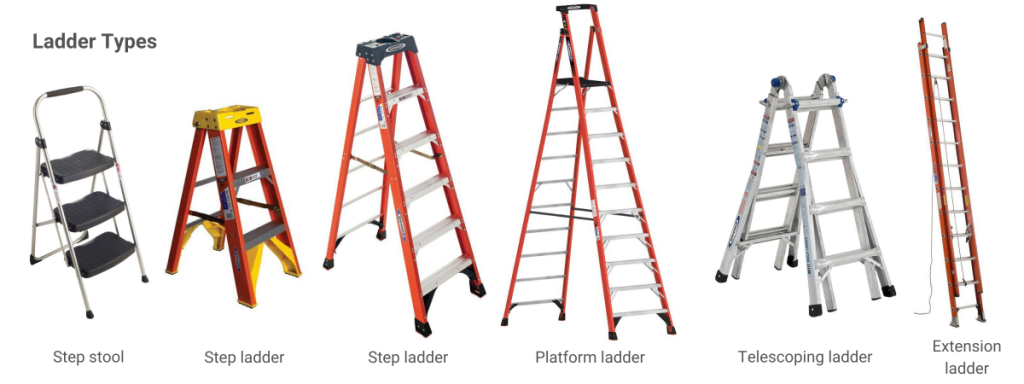
The structure of your bond ladder will depend on the size of your investment and your personal financial goals. To create a ladder, you’ll need to decide on the number of “rungs” or maturity dates that you want.
For example, if you are creating a five-year ladder, you may choose bonds with the following maturities:
- Bond 1: Matures in 1 year
- Bond 2: Matures in 2 years
- Bond 3: Matures in 3 years
- Bond 4: Matures in 4 years
- Bond 5: Matures in 5 years
With this setup, you would have bonds maturing each year, which allows you to reinvest or use the proceeds as needed. As each bond matures, the principal is either reinvested in a bond with a longer maturity, or you can use it for cash needs.
The number of rungs and the length of the ladder will depend on your preferences and objectives. For example:
- Short-Term Ladder (1-3 years): This ladder is ideal for those who need liquidity soon and are more risk-averse. It will typically include short-duration bonds with less exposure to interest rate fluctuations.
- Medium-Term Ladder (3-7 years): Suitable for those with a medium-term horizon, this ladder offers a balance of liquidity and yield.
- Long-Term Ladder (7+ years): A longer ladder works well for those who can wait longer to access their capital and are looking for higher yields over time.
The more rungs in your ladder, the more complex the portfolio will be. A 5- to 10-year ladder is common, but it’s important to ensure that the ladder structure aligns with your goals and cash flow needs.
Step 4: Invest in Bonds with Different Coupon Rates
Along with selecting bonds based on maturity, it’s also essential to choose bonds with varying coupon rates. The coupon rate is the interest rate the bond pays on its face value, and it can affect both the income you receive and the bond’s price.
In a laddered portfolio, you may choose bonds with:
- Fixed Coupon Rates: These bonds pay a fixed interest rate over the life of the bond, providing predictable income. Fixed-rate bonds are ideal for investors looking for stability and regular income.
- Floating Rate Bonds: These bonds have interest rates that adjust periodically based on a benchmark (e.g., LIBOR or the Federal Reserve rate). Floating rate bonds can help mitigate interest rate risk when rates are expected to rise.
By incorporating both fixed-rate and floating-rate bonds, you can further diversify your laddered portfolio and reduce the risk associated with fluctuating interest rates.
Step 5: Monitor and Rebalance Your Ladder
Once your laddered bond portfolio is in place, it’s important to monitor its performance regularly. Over time, as bonds mature, you’ll need to reinvest the proceeds into new bonds with maturities that maintain the structure of your ladder.
Additionally, if interest rates change or your financial situation evolves, you may need to adjust your ladder’s structure. For example, if you need more liquidity or are approaching your investment goals, you may choose to shorten the ladder or adjust the types of bonds in the portfolio.
Rebalancing ensures that your ladder remains aligned with your objectives, risk tolerance, and market conditions.
Conclusion: The Benefits of a Laddered Bond Portfolio
Creating a laddered bond portfolio is a strategic way to manage interest rate risk, provide consistent cash flow, and enhance the stability of your investment portfolio. By investing in bonds with staggered maturities, you can ensure liquidity while taking advantage of potential interest rate changes.
When designing your laddered portfolio, it’s essential to consider your investment goals, risk tolerance, and time horizon. By selecting the right mix of bonds, structuring your ladder to fit your needs, and maintaining regular monitoring and rebalancing, you can successfully build a bond portfolio that provides predictable returns and mitigates the impact of interest rate fluctuations.
RELATED POST
- Where to Place a Ladder When Cleaning Gutters
- Essential Guidelines for Safe Climbing
- Get the Ladder in Animal Crossing
- Do You Unlock the Ladder in Animal Crossing