
Ladders are a fundamental tool used in various industries, from construction to maintenance, cleaning, and more. They help workers reach heights safely, but if not properly maintained and inspected, ladders can pose serious risks to health and safety. To mitigate these risks, it is crucial to understand the inspection requirements for ladders, which can vary depending on the industry, the type of ladder, and the environment in which it is used. This article explores how often ladders should be inspected, the regulations that govern ladder inspections, and best practices to ensure ladder safety.
The Importance of Ladder Inspections
Ladders, though seemingly simple tools, have the potential to cause accidents if they are defective or improperly maintained. Falls from ladders are one of the leading causes of workplace injuries, resulting in fractures, head injuries, and sometimes fatalities. The primary function of ladder inspections is to identify hazards, ensure that ladders are safe to use, and prevent accidents before they happen.
Regular inspections help identify issues such as:
- Loose or missing rungs
- Damaged or bent frames
- Slippery or worn-out feet
- Corrosion or rust, particularly in metal ladders
- Cracked or broken materials, particularly in fiberglass ladders
- Faulty locking mechanisms on extension ladders
By detecting these issues early, inspections can prevent ladder malfunctions that could lead to accidents.
Regulatory Guidelines for Ladder Inspections
Ladder inspection frequency is regulated by a number of safety standards and regulatory bodies. The most widely recognized regulations governing ladder inspections are from the Occupational Safety and Health Administration (OSHA) in the United States. These standards specify when and how ladders should be inspected and maintained to ensure their safety.
OSHA Guidelines

According to OSHA’s regulations, all ladders used in the workplace must be inspected regularly to ensure they are in good working condition. While OSHA does not specify a set frequency for ladder inspections, it does state that ladders should be inspected:
- Before each use: Workers should inspect ladders before every use to identify any visible damage or defects.
- After any incident: Ladders should be inspected following any accident or event that could potentially damage the ladder, such as a fall or impact.
- On a routine basis: Employers are required to have a regular ladder inspection program in place. The frequency of routine inspections depends on the type of ladder and the conditions in which it is used.
OSHA requires that ladders be maintained in a safe condition. Employers must ensure that any ladder found to be defective is removed from service immediately and repaired or replaced. Failure to do so could lead to fines, penalties, or, more importantly, serious accidents.
Other Regulatory Bodies and Standards
In addition to OSHA, other organizations and standards also govern ladder safety and inspection requirements. For example:
- ANSI (American National Standards Institute): ANSI provides guidelines for ladder safety under its ANSI A14.2 and ANSI A14.5 standards. These standards specify design, construction, and inspection guidelines for portable ladders.
- ISO (International Organization for Standardization): The ISO has developed international standards for ladders, including recommendations for ladder inspections.
- Local Regulations: Some states or regions have their own safety regulations that can be more stringent than federal requirements. Always check local regulations for any additional requirements.
Frequency of Ladder Inspections
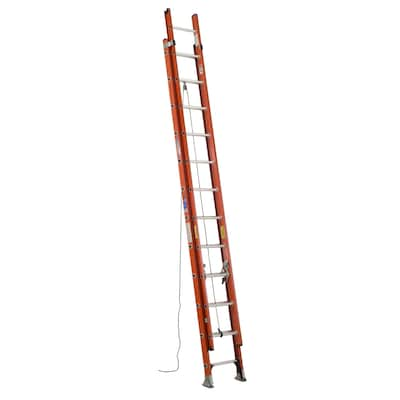
The frequency of ladder inspections can be divided into three categories: inspections before use, periodic inspections, and inspections after an incident. Let’s examine each of these in detail.
1. Inspections Before Each Use
Before a ladder is used, it is critical to check its condition to ensure it is safe for use. This is especially important for portable ladders used in high-risk environments, such as construction sites. A quick visual inspection should be done before every use to look for:
- Any visible damage, such as cracks, chips, or dents.
- Loose parts or missing components.
- Accumulation of debris or substances that could make the ladder slippery.
- Properly functioning feet or rubber pads that prevent the ladder from slipping.
- Any signs of rust or corrosion that could weaken the structure of a metal ladder.
Ladders that show signs of damage during this inspection should be immediately removed from service and repaired or replaced.
2. Periodic Inspections
In addition to pre-use inspections, ladders should undergo periodic inspections based on usage and environment. OSHA requires that ladders be inspected at regular intervals, which should be determined by the employer based on the frequency of use and the environment in which they are used. For example:
- High-use ladders: Ladders that are used frequently, such as on construction sites, should be inspected monthly or even weekly, depending on their condition and usage.
- Low-use ladders: Ladders used in less demanding environments, such as in offices or warehouses, may only need to be inspected quarterly or semi-annually.
These inspections should be more detailed and include checking the structural integrity of the ladder, ensuring all locking mechanisms work properly, and evaluating any wear and tear that could affect the ladder’s safety. Inspectors should also check for:
- Signs of wear on the rungs, side rails, or steps.
- Corrosion, especially on metal ladders.
- Damage to any ladder accessories, such as safety rails or stabilizers.
- Integrity of ladder supports or spreaders.
3. Inspections After Incidents
Whenever a ladder is involved in an accident, such as a fall or impact, it should be thoroughly inspected before being put back into service. This applies even if the ladder appears to be undamaged, as the structural integrity could have been compromised in ways that aren’t immediately visible. If a ladder is suspected to be damaged, it should be removed from service and repaired or replaced.
Best Practices for Ladder Inspections
To ensure ladder safety and compliance with regulations, there are several best practices that employers and workers should follow:
- Train Workers on Proper Inspections: Employees should be trained on how to conduct basic ladder inspections, recognizing the signs of damage, and reporting issues. It’s essential to educate workers about what to look for when inspecting a ladder, including checking for cracks, bent or broken components, and slippery surfaces.
- Use a Ladder Inspection Checklist: Having a checklist can help ensure that no part of the ladder is overlooked during an inspection. A checklist should cover all aspects of the ladder, from the feet to the rungs, side rails, and locks.
- Document Inspections: Inspections should be documented for future reference. This helps employers keep track of ladder maintenance and can provide proof of compliance in case of an audit.
- Remove Defective Ladders from Service: Any ladder that is found to be defective should be immediately taken out of service. Posting a “Do Not Use” sign on the ladder is a good practice to prevent others from using it until it has been repaired or replaced.
- Ensure Proper Storage: Ladders should be stored in a way that protects them from damage. For instance, ladders should not be exposed to extreme temperatures, heavy loads, or corrosive materials that could weaken their structure.
- Regularly Test Ladders for Safety: In addition to visual inspections, it may be beneficial to periodically test the ladder’s strength and stability, especially in high-risk environments. Testing can help uncover hidden defects that may not be visible to the naked eye.
- Maintain Records of Repairs and Replacements: Keep a log of all repairs and replacements performed on ladders to track their maintenance history.
Conclusion
Ladder inspections are a critical part of maintaining workplace safety. The frequency of ladder inspections varies depending on how often they are used, the type of ladder, and the environment in which they are used. However, key principles include inspecting ladders before each use, conducting periodic inspections based on ladder usage, and inspecting ladders after any incident or accident. By following the regulations set forth by OSHA and other safety organizations, and by adhering to best practices, employers and workers can help reduce the risk of accidents and injuries related to ladder use. Regular inspections, proper training, and proactive maintenance are all essential steps in ensuring that ladders remain safe, reliable tools in the workplace.
Related post