
This guide provides a comprehensive cordless drill safety checklist to keep you protected on every job. Follow our step-by-step instructions for pre-use inspection, personal protective equipment, and safe operating practices. Implement these tips to prevent accidents, extend your tool’s lifespan, and work with confidence.
Key Takeaways
- Always inspect before use: Check the drill, battery, and accessories for damage to prevent malfunctions and ensure reliable performance.
- Wear proper PPE: Safety glasses, gloves, and hearing protection are essential to shield from debris, noise, and potential hand injuries.
- Prepare your workspace: Ensure a clean, well-lit area and secure materials to avoid slips, falls, and workpiece movement.
- Use the right drill and settings: Select the correct drill mode and torque for the material to prevent kickback, damage, and inefficient drilling.
- Maintain a firm grip and stance: Hold the drill with both hands and stand steadily to control the tool effectively and reduce fatigue.
- Perform regular maintenance: Clean and store your drill properly, and charge batteries safely to ensure longevity, safety, and optimal function.
Introduction to Cordless Drill Safety
A cordless drill is a handy tool. It helps you build, repair, and create. But it can also be dangerous if used wrong. Every year, people get hurt from drill accidents. Cuts, eye injuries, and falls are common. That is why safety matters. This guide gives you the ultimate cordless drill safety checklist. It will teach you how to stay safe. You will learn to inspect your drill, protect yourself, and use it correctly. We cover everything from start to finish. By the end, you will master cordless drill safety. Let’s begin.
Pre-Use Inspection Checklist
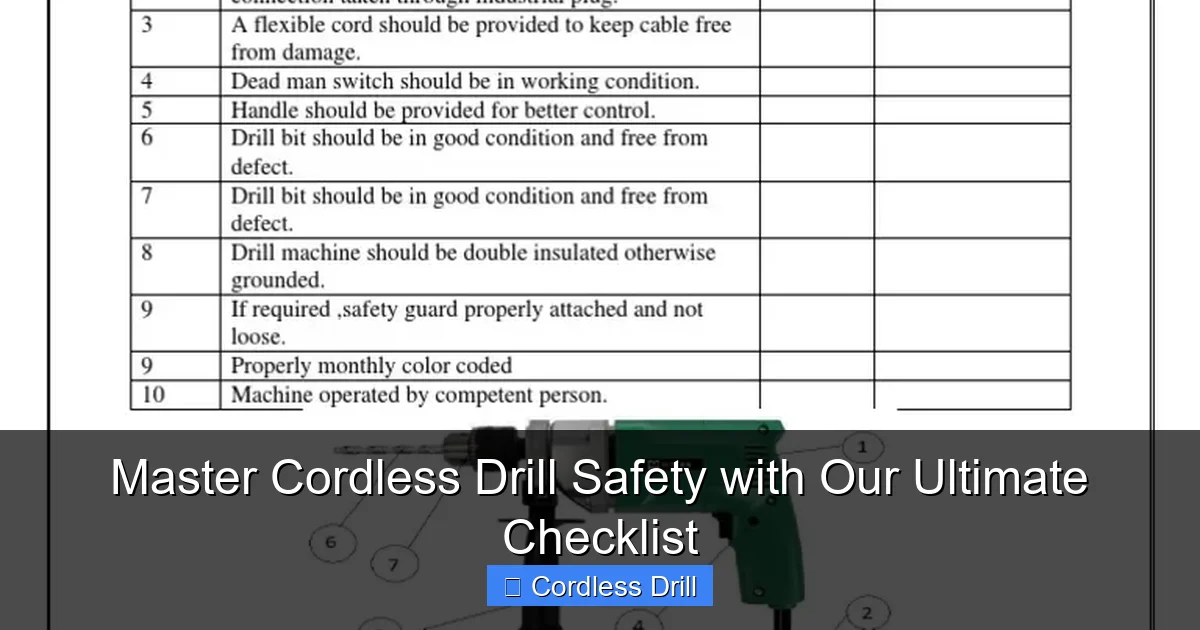
Never skip the inspection. It is the first step in your cordless drill safety checklist. A quick check can stop big problems. Do this before every use.
Visual guide about Master Cordless Drill Safety with Our Ultimate Checklist
Image source: imgv2-1-f.scribdassets.com
Check the Drill Body
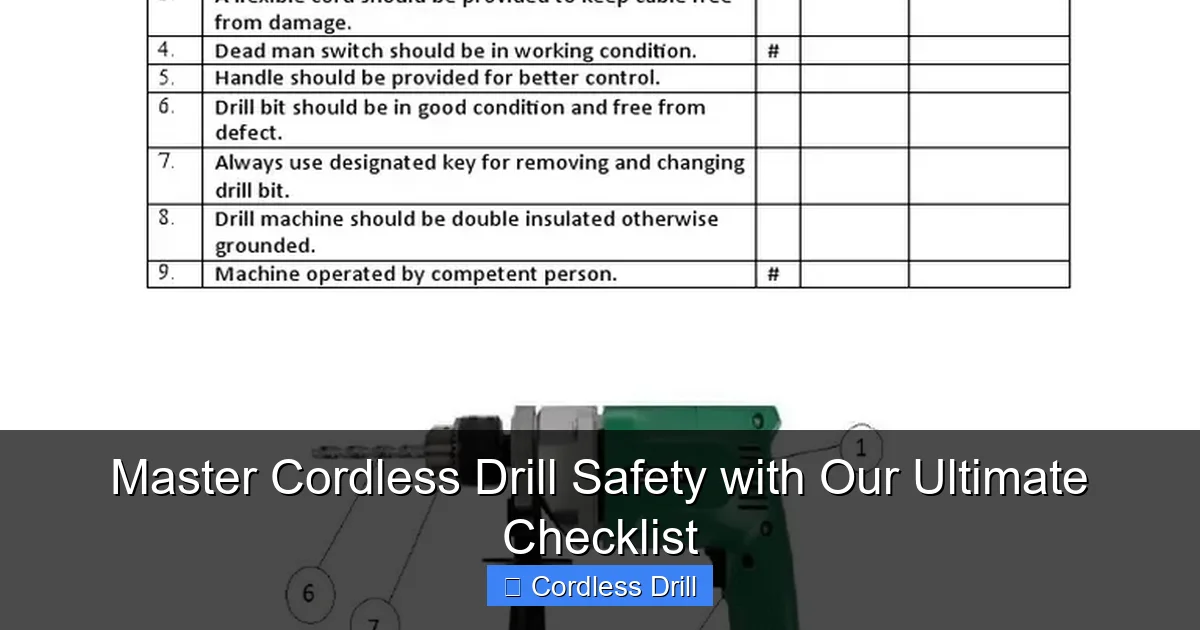
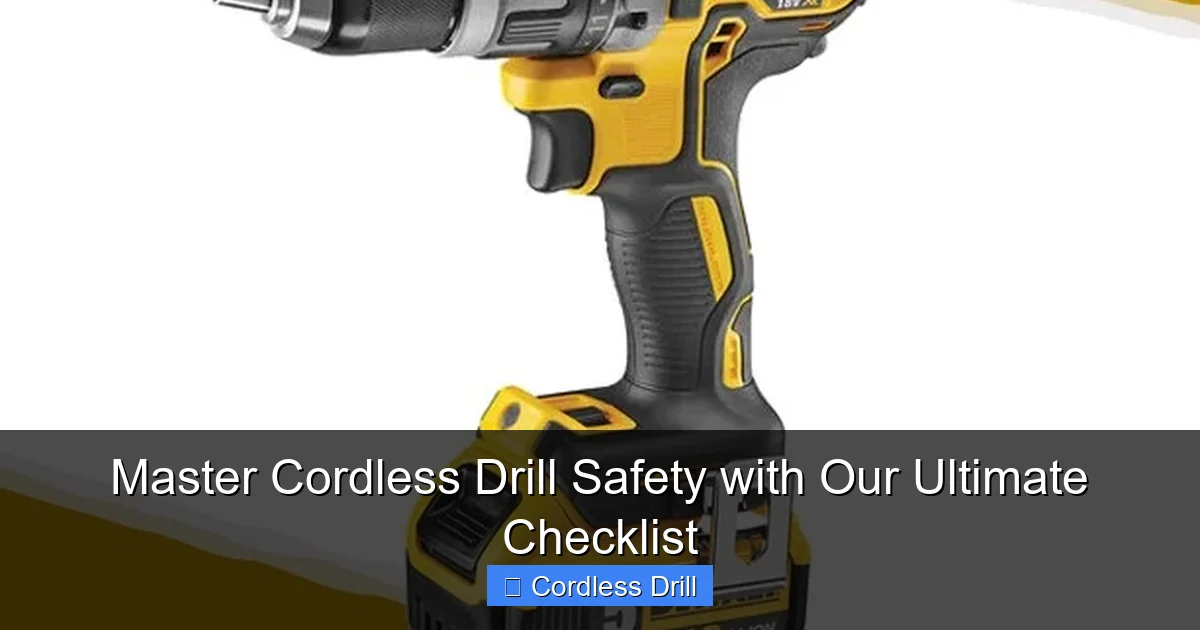
Look at the drill from top to bottom. Are there cracks or dents? Feel the body. It should be solid. Press the trigger. It must move smoothly without sticking. Spin the chuck by hand. It should turn easily. If the chuck is loose, tighten it. A wobbly chuck can make the bit slip. That is risky. For a reliable tool, start with our picks for the best cordless drill. A good drill lasts longer and is safer.
Inspect the Battery and Charger
The battery powers your drill. Safety starts here. Look for swell marks or leaks. A swollen battery can explode. Do not use it. Plug the battery into the drill. It should click in place. No wiggle. Check the charger cord. Frayed wires can cause shocks. Use only the charger that came with your drill. Off-brand chargers may not be safe. Charge batteries on a non-flammable surface. Never leave them charging unattended.
Examine Drill Bits and Accessories
Drill bits take the beating. A dull bit is unsafe. It forces the drill to work harder. This can lead to kickback. Kickback is when the drill jerks back at you. It can cause injuries. Check each bit. The tip should be sharp. No chips or bends. Screwdriver bits should fit snugly. Loose bits can fly out. Keep your bits organized in a case. This prevents damage and makes them easy to find.
Personal Protective Equipment (PPE)
PPE is your personal shield. Do not drill without it. Even a small project can send debris flying. Protect yourself every time.
Visual guide about Master Cordless Drill Safety with Our Ultimate Checklist
Image source: imgv2-1-f.scribdassets.com
Eye Protection
Safety glasses are a must. Tiny wood or metal chips can hit your eyes. Wear glasses that wrap around your face. This gives side protection. Clear lenses are good for low light. If you wear prescription glasses, get safety glasses that fit over them. Or use goggles. Keep your glasses clean. Dirty lenses block your view. That is a hazard itself.
Hand Protection
Gloves save your hands. They improve grip and stop blisters. Choose gloves that fit tight. Loose gloves can get caught in the drill. Avoid bulky materials. Leather or synthetic gloves work well. They protect from sharp edges and heat. But remember, gloves are not for handling small parts near the chuck. Use your fingers for that, with the drill off.
Hearing and Respiratory Protection
Drills can be loud. Prolonged noise hurts your ears. Use earplugs or earmuffs. They cut the noise. If you are drilling into concrete or drywall, dust flies. Inhaling dust is bad for your lungs. Wear a dust mask. A simple N95 mask filters out particles. For heavy dust, use a respirator. Your health comes first.
Workspace Preparation
A safe workspace sets you up for success. Chaos leads to accidents. Take a few minutes to get ready.
Visual guide about Master Cordless Drill Safety with Our Ultimate Checklist
Image source: cambridgesafetysolutions.com
Clearing the Area
Look around your work area. Move trip hazards like cords, toys, or tools. Sweep the floor. Wet spots can make you slip. Keep your space tidy. Use a tool belt or table to hold screws and bits. This keeps them off the floor. A clear area lets you focus on drilling.
Lighting and Ventilation
Good light helps you see what you are doing. Set up a lamp if needed. Shadows can hide marks or holes. Ventilation is key indoors. Open a window or use a fan. This blows dust away. Fresh air keeps you alert. If using chemicals, like for cleaning, ensure airflow. Fumes can be harmful.
Securing the Workpiece
Never hold the workpiece with your hand. It can spin or jump. Use clamps or a vise. Secure it to a stable surface. This gives you two free hands for the drill. For walls, check for wires or pipes behind. A stud finder helps. If drilling overhead, ensure the workpiece is firmly supported. A falling piece can hurt you or damage things.
Operating the Drill Safely
Now you are ready to drill. Safe operation is about control and knowledge. Follow these steps to use your cordless drill without fear.
Choosing the Right Drill and Settings
Not all drills are the same. Know your drill’s features. Use drill mode for holes. Use driver mode for screws. Adjust the torque setting. Start low and increase as needed. High torque on soft wood can split it. For walls, learn the right way with our comprehensive guide on drilling into walls. It covers anchors, studs, and more. The right settings prevent damage and keep you safe.
Proper Grip and Stance
Hold the drill like a pro. Grip the handle with your dominant hand. Place your other hand on the auxiliary handle or the drill body. This gives balance. Stand with feet apart. Bend your knees slightly. This stance is stable. If the drill kicks back, you can absorb the shock. Do not overreach. Move your body to the work. Leaning strains your back and reduces control.
Drilling Techniques
Start slow. Press the trigger gently. Let the bit do the work. Do not force it. For hard materials, use a pilot hole. This guides the bit. Pull the bit out now and then to clear chips. This keeps it cool. When drilling through, go slow at the end. This prevents tear-out on the other side. Always drill straight. Angled drilling can break bits or cause slips.
Working at Heights
Drilling on a ladder adds risk. Always follow ladder safety. Place the ladder on level ground. Use the 4-to-1 rule for angle. For extension ladders, extend them properly. Do not stand on the top rung. Keep your body centered. Hold the drill with one hand and the ladder with the other? No! That is unsafe. Instead, use a tool belt or holster for the drill when climbing. For detailed tips, see our article on essential safety precautions when using a ladder. Safety up high is crucial.
Post-Use and Maintenance
After drilling, do not just toss the drill aside. Proper care keeps it safe for next time. This part of the cordless drill safety checklist is often forgotten. Do not skip it.
Cleaning the Drill
Dirt and dust clog the drill. Wipe it with a dry cloth. Use a brush for vents. Blocked vents cause overheating. Check the chuck for debris. A clean chuck grips better. If the drill is very dirty, use a bit of compressed air. Do not use water or solvents. They can damage electronics. Store the drill in a dry place.
Battery Care and Storage
Remove the battery after use. Store it at room temperature. Extreme heat or cold ruins batteries. Charge batteries before they are fully dead. This extends their life. Do not leave batteries on the charger for days. Overcharging reduces performance. If storing long-term, charge to 50%. Check every few months. A dead battery can become unusable.
Long-Term Storage Tips
If you will not use the drill for a while, prepare it. Clean it thoroughly. Remove the battery. Store both in a case or toolbox. Keep them away from moisture. Humidity causes rust. Label the storage box. This helps you find it fast. Before using again, do a full inspection. Batteries may need a recharge.
Troubleshooting Common Safety Issues
Even with care, problems can pop up. Know how to fix them safely. This keeps your cordless drill safety checklist effective.
Drill Overheating
If the drill gets hot, stop. Let it cool down. Overheating can mean blocked vents or dull bits. Check and clean the vents. Use sharp bits. Do not push too hard. Let the drill rest between heavy tasks. If it keeps overheating, the motor might be faulty. Get it checked by a pro.
Battery Not Holding Charge
Old batteries lose power. If your drill dies fast, the battery may need replacing. Do not use a weak battery. It can die mid-drill, causing loss of control. Recycle old batteries properly. Buy replacements from trusted brands. Store batteries correctly to make them last.
Kickback Prevention
Kickback is sudden and dangerous. To prevent it, use sharp bits and correct speed. For large bits, start with a pilot hole. Hold the drill firmly. If the bit binds, release the trigger immediately. Do not force it. Wear your PPE to protect from flying debris. Practice on scrap wood first. This builds confidence.
Conclusion
Mastering cordless drill safety is easy with this checklist. Start with inspection. Wear your PPE. Prepare your space. Operate with care. Maintain your tool. Safety is a habit that saves you from harm. Keep this cordless drill safety checklist handy. Share it with friends and family. Every drill user should know these tips. Now go forth and drill safely. Your projects will be better for it. Happy building!
