
Hammer drills deliver powerful percussion action that makes tough material drilling easy. This guide reveals the top benefits of hammer drill tools, including superior performance in concrete and masonry, time savings, and versatile functionality. You’ll learn how to choose, use, and maintain your hammer drill for maximum results.
Key Takeaways
- Superior Material Penetration: Hammer drills combine rotation with rapid hammering to power through concrete, brick, and stone with ease.
- Time and Energy Savings: Complete tough drilling tasks in half the time while reducing physical strain on your hands and arms.
- Versatile Applications: Switch between hammer mode for masonry and regular drilling for wood or metal with one tool.
- Professional Results: Achieve cleaner, more precise holes with less effort compared to standard drills.
- Cost-Effective Investment: A quality hammer drill serves both DIY enthusiasts and professionals for years of reliable service.
- Safety Features: Modern hammer drills include vibration control and ergonomic designs to protect users.
- Easy Maintenance: Simple care routines keep your hammer drill performing at its best for many projects.
Introduction: Why You Need to Know About Hammer Drill Benefits
You’re staring at a concrete wall. You need to hang a shelf, install a TV mount, or run some wiring. A regular drill just won’t cut it. This is where the mighty hammer drill shines. Understanding the benefits of hammer drill tools can transform your approach to home improvement and professional construction projects.
This guide is perfect for beginners who want to make smart tool choices. We’ll explore exactly what makes hammer drills special, how they work, and why they’re worth every penny. You’ll learn practical tips you can use today. No confusing jargon. Just clear, actionable information that helps you get the job done right.
How Hammer Drills Work: Understanding the Mechanism
Before diving into benefits, let’s understand what makes hammer drills unique. The magic happens in the motor and clutch system. A standard drill just spins. A hammer drill spins AND hammers. This dual action is your key to conquering tough materials.

Visual guide about Benefits of Hammer Drill The Ultimate Guide for Beginners
Image source: elevateultimate.com
The Hammering Action Explained
Inside your hammer drill, a special mechanism called a “hammer clutch” creates rapid back-and-forth motion. Think of it like a tiny hammer hitting the back of your drill bit thousands of times per minute. This percussion action breaks up hard materials as the bit rotates. The result? You glide through concrete like it’s butter.
The speed varies by model. Most hammer drills deliver between 15,000 and 50,000 blows per minute. That’s incredibly fast. But you control the intensity. Variable speed triggers let you match the power to your task. Start slow for precision, then increase speed as needed.
Rotational Force Combined
While hammering breaks the material, continuous rotation removes debris and advances the bit. This one-two punch is what makes hammer drills so effective. You don’t have to push hard. The tool does the heavy lifting. Your hands guide, not force.
Many people wonder about the difference between a drill and a hammer drill. The key distinction is that hammer drills add this percussive action specifically for masonry work. Regular drills excel at wood and metal but struggle with stone and concrete.
Top 5 Benefits of Hammer Drill You Can’t Ignore
Now let’s get to the good stuff. Why should you invest in a hammer drill? The advantages are clear and immediate. These tools solve problems that standard drills can’t touch.

Visual guide about Benefits of Hammer Drill The Ultimate Guide for Beginners
Image source: elevateultimate.com
Benefit 1: Power Through the Toughest Materials
This is the #1 reason people buy hammer drills. Concrete, brick, stone, block – no problem. The hammering action fractures these brittle materials while the rotation clears the dust. You get clean holes without cracking your wall.
Regular drills just spin. They generate heat and friction that can damage both bit and material. Hammer drills work cooler and faster. They’re designed specifically for the unique challenges of masonry. Whether you’re hanging a picture or installing anchor bolts, this tool delivers consistent performance.
Consider this: drilling a 1/4-inch hole in concrete with a regular drill might take 10 minutes of frustration. With a hammer drill? About 30 seconds of smooth operation. That’s the power difference you’ll feel immediately.
Benefit 2: One Tool, Multiple Applications
Here’s a secret: hammer drills are versatile chameleons. Most models feature a simple switch that toggles between hammer mode and regular drill mode. Need to drive screws into wood? Turn off the hammer function. Drilling into metal? Use regular mode. Hanging a shelf on drywall? Hammer mode works great too.
This versatility means you carry one tool instead of three. It saves money, storage space, and time switching between tools. For contractors, that means lighter loads on the job site. For DIYers, it means your toolbox stays lean and efficient.
The difference between impact driver and hammer drill is worth noting too. Impact drivers excel at driving screws but don’t handle masonry well. Hammer drills do both. That makes them more versatile for general purpose work.
Benefit 3: Save Time and Your Energy
Time is money. Whether you’re getting paid by the hour or just want your weekends back, efficiency matters. Hammer drills complete tough jobs in a fraction of the time. What used to take an hour now takes ten minutes.
But the benefits go beyond speed. These tools reduce physical strain dramatically. With a regular drill, you must push hard to make progress. Your hands, wrists, and arms absorb all that pressure. With a hammer drill, you apply gentle guidance while the tool does the work. Less fatigue means you can work longer and safer.
Think about your last DIY project. Remember the sore arms after drilling into that brick wall? That pain is unnecessary. A hammer drill eliminates the struggle. You’ll finish projects feeling fresh, not exhausted.
Benefit 4: Better Control, Cleaner Holes
Precision matters. Hammer drills give you exceptional control even in challenging materials. The hammering action is concentrated at the tip of the bit. This focused energy creates clean, precise holes with minimal blowout on the backside of your material.
Many models include variable speed triggers and adjustable clutches. Start drilling slowly to create a pilot groove. Then increase speed as the bit bites. The result? Professional-quality holes every time. No wobbling, no slipping, no damage to your work surface.
For beginners, this control is invaluable. You don’t need years of experience to achieve great results. The tool’s design guides your hand naturally. You build confidence with each successful hole.
Benefit 5: Smart Investment for DIY and Pros
Quality tools cost money. But the right tool saves money long-term. A hammer drill is one of the best investments you can make. It handles tasks that would otherwise require professional help or specialized equipment.
For homeowners, that means hanging shelves, installing light fixtures, running cables, and mounting hardware without service calls. For contractors, it means faster completion times and happier clients. The tool pays for itself quickly through saved labor costs.
Durability is another financial benefit. Hammer drills are built tough. With basic maintenance, they last for years. Many professional-grade models come with warranties covering heavy use. That’s peace of mind you can’t put a price on.
Choosing Your Perfect Hammer Drill
Ready to buy? Great. But not all hammer drills are created equal. Making the right choice ensures you get maximum benefits. Let’s break down your options.
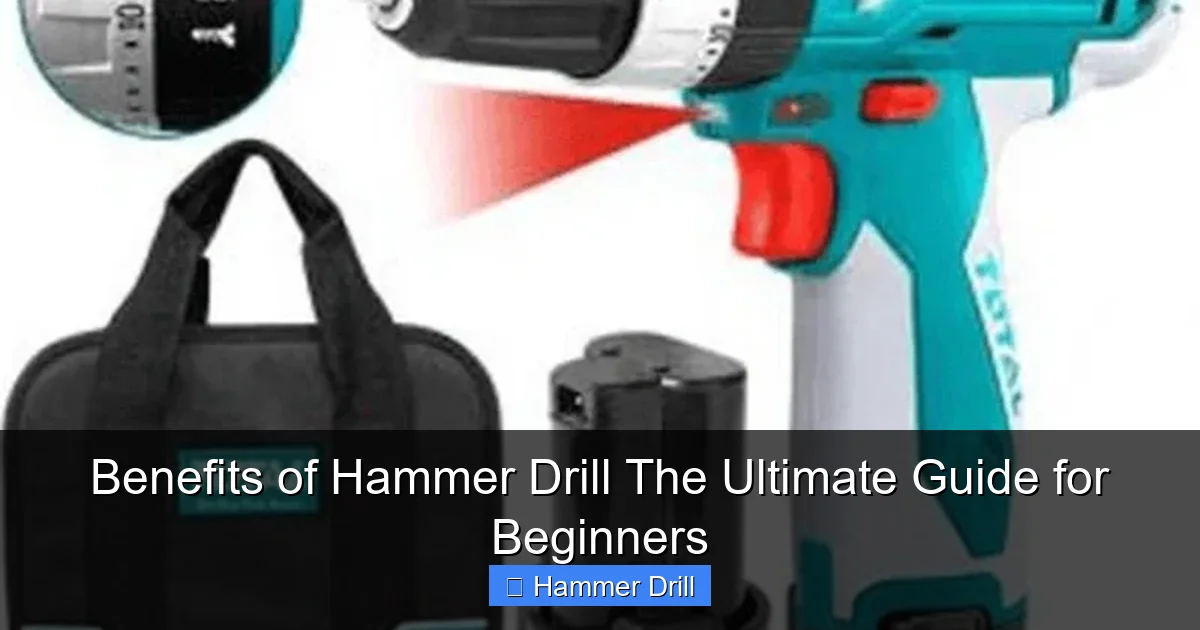
Visual guide about Benefits of Hammer Drill The Ultimate Guide for Beginners
Image source: ultimatetoolskit.com
Corded vs. Cordless: What’s Right for You?
Corded hammer drills deliver consistent power. No batteries to charge. No loss of performance as power drains. They’re ideal for heavy-duty work and long projects. If you’re working in one location for hours, corded is king.
Cordless models offer freedom. Modern lithium-ion batteries provide impressive run time and power. Many 18V or 20V models rival corded performance. They’re perfect for job sites without power, outdoor projects, or quick tasks around the house.
Consider your needs. Do you value mobility or maximum power? Many professionals own both. A corded model for shop work, cordless for on-site jobs. For most DIYers, a quality cordless hammer drill handles 95% of tasks.
When shopping cordless, check the best cordless drill options to understand battery platforms. Many brands use the same batteries across their tool lines. That means you can start with one battery and expand your collection over time.
Must-Have Features to Look For
Amperage matters for corded drills. Look for 6-8 amps for DIY work. Professionals should consider 8+ amps. Voltage for cordless? 18V or 20V is the sweet spot. Higher voltage means more power.
Speed settings are crucial. Variable speed triggers give you control. Look for 0-1,000 RPM for drilling and 0-2,000 RPM for driving screws. Hammer mode typically operates at lower speeds with higher impact force.
Ergonomics can’t be overlooked. A good hammer drill feels balanced in your hand. The grip should be comfortable for extended use. Check the weight. A lighter tool reduces fatigue. Many models include side handles for two-handed control on tough jobs.
Additional features include:
- Depth stops: Perfect for consistent hole depths
- LED lights: Illuminates dark work areas
- Keyless chucks: Quick bit changes without tools
- Vibration control: Reduces hand fatigue
Using Your Hammer Drill Safely and Effectively
Owning a hammer drill is one thing. Using it correctly is another. Follow these steps for safe, effective operation every time.
Gear Up for Safety
Eye protection is non-negotiable. Masonry work creates dust and chips that fly everywhere. Safety glasses with side shields are minimum. Consider goggles for extra protection.
Hearing protection matters too. Hammer drills are loud. Prolonged exposure damages hearing. Use earplugs or earmuffs. Many professionals wear both for maximum protection.
Respiratory protection is often overlooked. Concrete dust contains silica, which is harmful when inhaled. A simple N95 mask works for occasional use. For heavy masonry work, consider a half-face respirator with P100 filters.
Wear fitted clothing. Loose sleeves can get caught in the drill. Remove jewelry. Keep long hair tied back. These simple precautions prevent accidents.
Step-by-Step: Your First Project
Let’s drill a hole in concrete. This is the classic hammer drill test.
Step 1: Mark Your Spot
Use a pencil or marker to mark exactly where you want your hole. For masonry, a center punch helps prevent the bit from wandering. Place the punch tip on your mark and tap it lightly with a hammer. This creates a small dimple for the bit to start in.
Step 2: Choose the Right Bit
Use masonry bits with carbide tips. They’re designed for hammer drills. The tip must be sharp. Dull bits overheat and fail quickly. Insert the bit fully into the chuck and tighten securely.
Step 3: Set Your Drill
Switch to hammer mode. Set your speed low for starting. If your drill has a clutch, set it low for masonry work. Attach the side handle for better control.
Step 4: Start Drilling
Hold the drill perpendicular to your surface. Apply moderate pressure – let the tool do the work. Pull the trigger gently. You should hear the hammering action immediately. Keep the drill steady and straight.
Step 5: Clear and Continue
Periodically pull the bit out to clear dust. This prevents overheating and ensures smooth progress. Continue drilling until you reach your desired depth. Don’t force it. Let the hammering action work.
Step 6: Finish Clean
Once through, release the trigger and let the bit stop spinning before removing it. Blow out any remaining dust. You now have a clean, professional hole.
For more detailed guidance on wall drilling, check out this comprehensive guide on using drills for screws into walls.
Troubleshooting Common Hammer Drill Problems
Even great tools have issues sometimes. Here’s how to solve the most common hammer drill problems.
When Your Drill Overheats
Overheating means you’re pushing too hard or using a dull bit. Stop immediately. Let the drill cool for 10-15 minutes. Check your bit. If it’s dull, replace it. Next time, use less pressure and clear dust more frequently.
Continuous overheating could indicate motor problems. Check for proper ventilation. Make sure air vents aren’t blocked. If overheating persists, have the drill serviced by a professional.
Dealing with Excessive Vibration
Some vibration is normal. Excessive shaking means something’s wrong. First, check your bit. Is it properly seated? Is it straight? A bent bit causes vibration. Replace if necessary.
Worn bearings also cause vibration. This requires professional service. Don’t ignore it. Continued use damages the drill further. If the problem appears suddenly, stop using the tool until it’s fixed.
Bit Slipping in the Chuck
Bit slippage ruins holes and damages bits. Turn off and unplug your drill. Remove the bit and inspect the chuck. Clean any dust or debris from the chuck teeth. Reinsert the bit firmly and tighten the chuck properly.
If the chuck is worn, it won’t grip well. You’ll need to replace the chuck. This is a common issue with older tools. A new chuck restores like-new performance.
Keep Your Hammer Drill Running Forever
Maintenance is simple but essential. A well-cared-for hammer drill lasts decades.
Clean after every use. Blow out dust with compressed air. Wipe the housing with a dry cloth. Never use water or solvents on the motor area.
Lubricate the chuck occasionally. Use a light machine oil. Apply a few drops while opening and closing the jaws. This keeps it operating smoothly.
Check brushes regularly if your model has them. Worn brushes reduce performance and can damage the motor. Replace when they’re 1/4 inch long or shorter.
Store your hammer drill in its case. Keep it dry and away from extreme temperatures. Proper storage prevents rust and damage to internal components.
Finally, use the right bits for each material. Using wood bits on concrete ruins them quickly and stresses your drill. Keep a variety of masonry bits on hand for different tasks.
Conclusion: Transform Your DIY Game
The benefits of hammer drill tools are clear and compelling. These versatile machines save time, reduce effort, and deliver professional results. Whether you’re hanging a TV, building a deck, or working on a major renovation, a hammer drill makes the job easier and more enjoyable.
Start with the basics. Choose the right model for your needs. Learn proper technique. Practice safety. Maintain your tool. Follow these steps, and you’ll unlock the full potential of your hammer drill.
Remember, every expert was once a beginner. Your first hole might not be perfect. But with practice, you’ll develop the skills and confidence to tackle any project. The hammer drill is your partner in this journey. It’s a tool that grows with you, from simple home repairs to complex construction tasks.
Invest in quality. Take care of your equipment. And most importantly, enjoy the process of building and creating. Your hammer drill is ready when you are. Now go make something amazing.
🎥 Related Video: Hammer Drill vs Rotary Hammer: Which to Use?
📺 4thewin
Discover the best drill for the job! We explore when to use a hammer drill vs. a rotary hammer drill for various projects. Learn the …