

Trenches are a common aspect of construction work, used for various purposes such as laying pipes, cables, and foundations. However, working in trenches presents significant risks due to the confined space, unstable walls, and the potential for accidents. One of the essential tools for ensuring safety while working in a trench is the ladder. When using a ladder in a trench, it is crucial to follow specific safety guidelines to prevent falls, injuries, and even fatalities. This article outlines the best practices and regulations when using a ladder in a trench to ensure safe and efficient operations.
Understanding the Risks of Trench Work
Trench work involves unique hazards. Among these, the most prominent risks include:
- Cave-ins and Falling Objects: Trench walls can collapse without warning, posing a serious risk to workers. Additionally, materials or tools can fall into a trench from above, injuring workers below.
- Falls: Climbing in and out of a trench without proper tools or precautions increases the risk of falls. Workers can trip, slip, or lose their balance, resulting in severe injuries.
- Limited Space and Visibility: Trenches are often narrow and deep, limiting mobility and making it harder to spot potential hazards.
- Heavy Equipment Use: When large machinery is used nearby, the ground may shift, affecting the stability of the trench and increasing the risk of accidents.
OSHA Guidelines and Regulations
The Occupational Safety and Health Administration (OSHA) provides strict regulations on the use of ladders in trenches. OSHA 1926 Subpart P covers the safety standards for trenching and excavation, including the proper use of ladders. The following guidelines are key to ensuring safety when working with ladders in trenches:
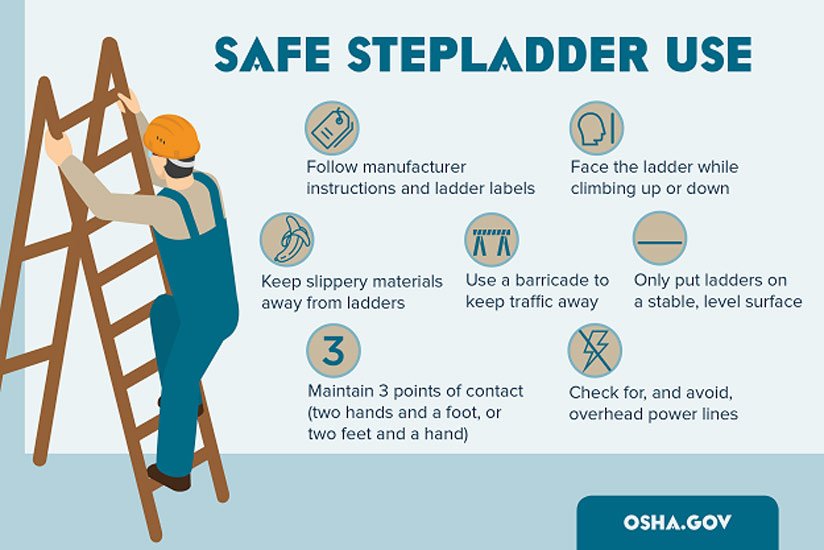
- Proper Ladder Selection: Ladders used in trenches must be the appropriate type, length, and material to ensure they are strong enough to support the worker’s weight and provide stability. OSHA requires ladders to be inspected regularly to ensure they are free from damage and defects.
- Ladder Placement: Ladders must be placed at an angle that provides safe access to and from the trench. The base of the ladder should be positioned one foot away from the edge of the trench for every four feet of height, creating a 75-degree angle. This angle helps the ladder stay stable when the worker climbs.
- Minimum Ladder Length: The ladder should extend at least 3 feet above the edge of the trench to allow for a secure grip while climbing in and out. This prevents workers from losing their balance or missing the top rung.
- Ladder Stability: The ladder should be firmly secured at the top to prevent it from shifting or falling. If the ladder cannot be secured at the top, additional measures, such as using a stabilizer, must be taken.
- Safe Ladder Use: Workers should always maintain three points of contact (two hands and one foot or two feet and one hand) when climbing the ladder. This rule helps maintain balance and minimize the risk of falls.
- Ladder Inspection: Before each use, ladders must be inspected for any signs of damage, such as broken rungs, cracks, or bent parts. If a ladder is found to be damaged or unsafe, it should be removed from service and replaced immediately.
- Training: Workers should be trained on the proper use of ladders, including how to identify hazards, how to inspect ladders for damage, and how to use them correctly. Training also includes instruction on how to safely enter and exit trenches.
- Avoid Overloading: Ladders must not be overloaded beyond their rated capacity. Each ladder has a maximum weight limit, and it is essential to ensure that workers and tools do not exceed this weight to prevent accidents.
Best Practices for Using a Ladder in a Trench

To further promote safety, here are some practical best practices for using a ladder in a trench environment:
1. Ensure Adequate Ladder Placement
Proper ladder placement is essential to avoid tipping or sliding. Ensure that the base of the ladder is on solid ground, and the top is positioned securely against a stable surface. Ladders should not be placed against loose soil or materials that could cause instability.
2. Check for Underground Hazards
Before positioning the ladder, ensure that there are no underground hazards such as utilities, cables, or pipes that could pose a risk when the ladder is in place. It is always essential to have a pre-excavation survey to identify such hazards and avoid damaging vital infrastructure.
3. Secure the Ladder Properly
If the trench is deep or has unstable soil, use additional safety measures such as ladder stabilizers or safety ropes. This will help secure the ladder to prevent it from slipping or shifting while in use.
4. Maintain Clear Access and Exit Routes
Ensure that the ladder is always clear of debris or tools, which could obstruct access to or from the trench. Workers should always have a clear and unobstructed path when entering or exiting a trench.
5. Use a Ladder with Non-Slip Rungs
To prevent slipping, use a ladder with non-slip rungs, especially when working in conditions that may cause wet or muddy rungs. This is a simple yet effective measure to prevent unnecessary accidents.
6. Never Use Damaged Ladders
Damaged ladders should never be used in a trench. Broken rungs, bent frames, or other forms of deterioration can compromise the safety of workers. Always inspect the ladder before use, and discard any ladders that are in poor condition.
7. Ensure Proper Lighting
Trenches are often dimly lit, making it harder to see where you are placing your hands or feet on the ladder. When working in low-light conditions, ensure the area is properly illuminated to enhance visibility and prevent accidents.
8. Ensure Proper Personal Protective Equipment (PPE)
While ladders are designed to assist in trench work, workers must also wear the appropriate personal protective equipment (PPE). This includes hard hats, safety boots, gloves, and any other gear necessary to protect against potential injuries.
9. Avoid Using Ladders as Platforms
Ladders should never be used as makeshift platforms for standing, sitting, or storing materials. The purpose of the ladder is to provide safe access to and from the trench, not as a stationary working surface. If additional platforms are required for work inside the trench, they must be appropriately designed and installed.
Special Considerations for Deep Trenches
In deeper trenches (generally greater than 6 feet in depth), additional safety considerations must be taken into account:
- Trench Shoring or Shielding: In deep trenches, additional shoring or shielding may be required to prevent cave-ins. This adds an extra layer of protection for workers who are using ladders to access the trench.
- Additional Safety Systems: For very deep trenches (greater than 20 feet), it is recommended to use step ladders or stairways rather than traditional ladders, as they are more stable and easier to navigate over longer distances.
- Communicate with the Crew: Workers should be in constant communication when working in deep trenches, especially when accessing the trench via a ladder. This ensures that everyone is aware of the situation and can take immediate action in case of emergencies.
Conclusion
Using a ladder in a trench requires careful attention to safety and compliance with regulations. By following OSHA guidelines, selecting the appropriate ladder, and taking proactive steps to secure the ladder properly, workers can significantly reduce the risk of accidents and injuries. Safety should always be the top priority in any construction or excavation site, and ladders, when used correctly, are essential tools for ensuring safe access and egress from trenches. By adhering to these best practices, workers can help maintain a safer environment for everyone involved in trench work.
RELATED POST
- What Height Need a Laddar
- When in Use How Do You Move a Laddar
- When was the Ladder Invented
- The Articulated Ladder Safely
