
Commercial ladders are categorized by duty ratings. These ratings indicate their load capacity.
Understanding these ratings is vital for safety and efficiency. When choosing a commercial ladder, it’s essential to know the different duty ratings available. These ratings help you select the right ladder for your needs, ensuring safety and compliance. Each rating signifies the ladder’s maximum load capacity, including the weight of the user and any tools or materials.
Knowing the correct duty rating prevents overloading, which can lead to accidents. In this guide, we’ll explain the various duty ratings for commercial ladders. This will help you make an informed decision and maintain safety in your workplace.
Types Of Duty Ratings
Commercial ladders come with different duty ratings. These ratings indicate the ladder’s strength and maximum load capacity. Understanding these ratings helps you choose the right ladder for the job. Here are the types of duty ratings:
Light Duty
Light duty ladders are ideal for simple household tasks. They are lightweight and easy to move. A light duty ladder can hold up to 200 pounds. This type is perfect for changing light bulbs or reaching high shelves.
Medium Duty
Medium duty ladders are stronger than light duty ladders. They are suitable for more demanding household tasks and light commercial work. These ladders can support up to 225 pounds. Use a medium duty ladder for painting or minor repairs.
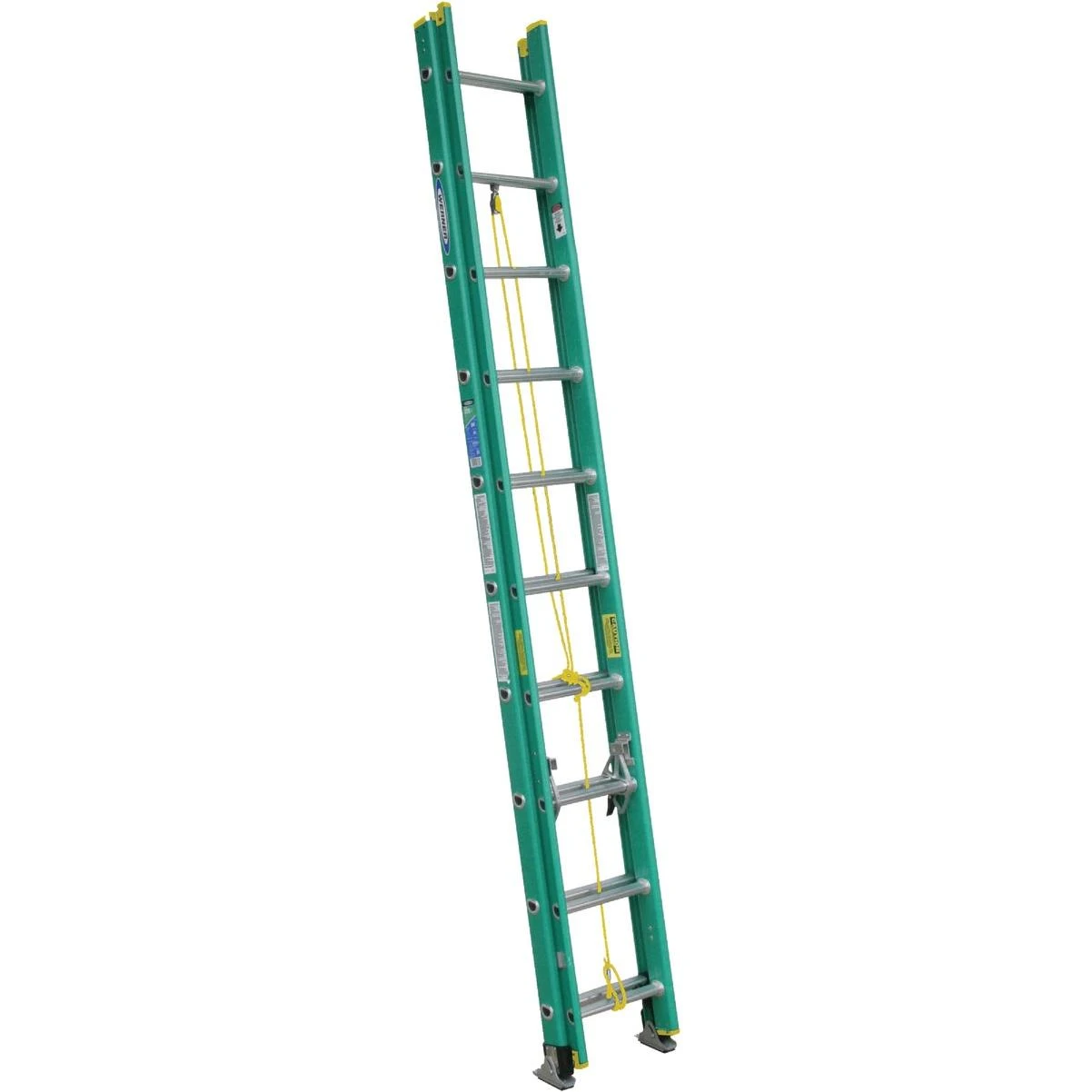
Heavy Duty
Heavy duty ladders are built for tough commercial jobs. They can handle up to 250 pounds. These ladders are robust and durable. Use a heavy duty ladder for construction work or professional maintenance tasks.
| Duty Rating | Max Load Capacity | Common Uses |
|---|---|---|
| Light Duty | 200 pounds | Household tasks |
| Medium Duty | 225 pounds | Household and light commercial tasks |
| Heavy Duty | 250 pounds | Commercial and construction tasks |
Credit: hillsflatlumber.com
Importance Of Duty Ratings
Commercial ladders come with different duty ratings, which indicate their maximum load capacity. Understanding duty ratings is crucial for ensuring safety, compliance, and proper usage. This section will explore the importance of duty ratings and how they impact ladder selection.
Safety Considerations
Safety is the top priority when selecting a ladder. Using a ladder with the correct duty rating ensures it can handle the weight of the user and their tools. Overloading a ladder can lead to accidents and injuries. Therefore, always check the duty rating before use.
Compliance With Standards
Ladders must comply with specific industry standards. These standards ensure that ladders meet safety and performance criteria. Duty ratings help users identify ladders that meet these standards. This ensures safe and reliable use.
| Duty Rating | Maximum Load Capacity | Suitable For |
|---|---|---|
| Type IAA | 375 lbs | Special Duty |
| Type IA | 300 lbs | Extra Heavy Duty |
| Type I | 250 lbs | Heavy Duty |
| Type II | 225 lbs | Medium Duty |
| Type III | 200 lbs | Light Duty |
- Type IAA is for special duty, like industrial construction.
- Type IA is used for extra heavy duty, such as electrical work.
- Type I is suitable for heavy duty, like general contracting.
- Type II is for medium duty, often used in home repairs.
- Type III is ideal for light duty, like painting or cleaning.
Selecting The Right Ladder
Choosing the correct ladder for your commercial needs is crucial for safety and efficiency. Understanding duty ratings and how they match different tasks can save time and prevent accidents. Here’s a guide to help you select the right ladder.
Assessing Your Needs
First, consider the tasks you need to complete. Do you need a ladder for light tasks or heavy-duty work? Think about where you’ll use it and how often. This helps narrow down your options.
- Indoor or outdoor use
- Frequency of use
- Weight capacity required
Matching Duty Ratings To Tasks
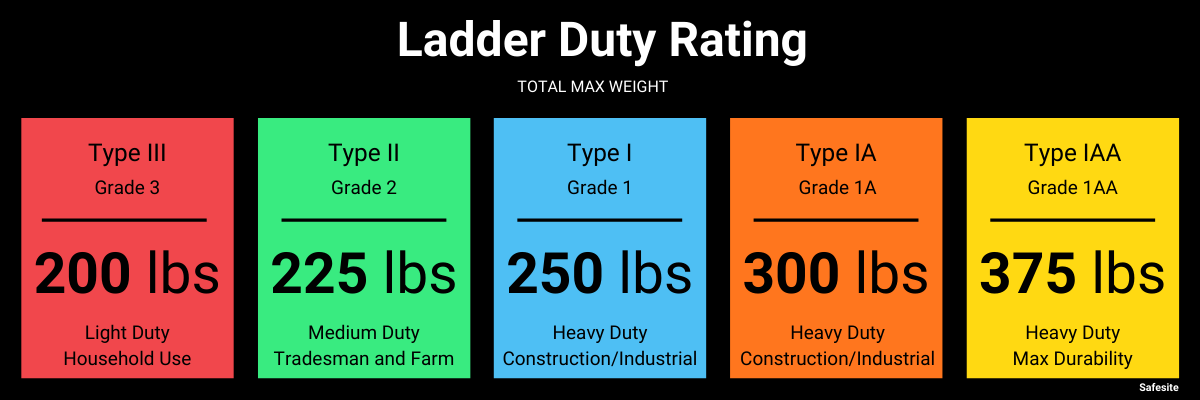
Ladders come with different duty ratings. These ratings indicate the maximum weight they can support. Below is a table that outlines the typical duty ratings and their uses.
| Rating | Weight Capacity | Typical Use |
|---|---|---|
| Type IAA | 375 lbs | Special duty work |
| Type IA | 300 lbs | Industrial use |
| Type I | 250 lbs | Heavy-duty use |
| Type II | 225 lbs | Medium-duty use |
| Type III | 200 lbs | Light-duty use |
Type IAA ladders are for very heavy work. They support the most weight. Type III ladders are for lighter tasks. Always match the ladder’s duty rating to your task’s demands.
Credit: safesitehq.com
Materials And Construction
Commercial ladders come in various materials and construction types. The two most popular choices are aluminum and fiberglass. Each material has its strengths and ideal use cases. Understanding these differences helps in selecting the right ladder for your needs.
Aluminum Ladders
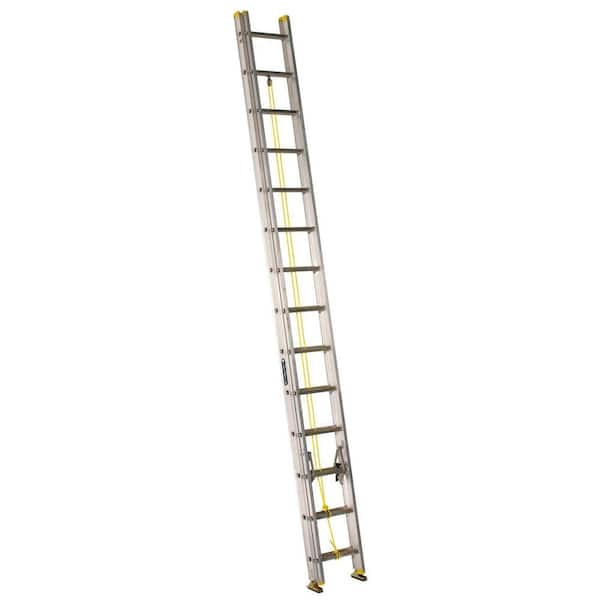
Aluminum ladders are lightweight and easy to carry. They resist corrosion, making them great for outdoor use. Their light weight allows for easy transportation and setup.
Here are some key features of aluminum ladders:
- Lightweight
- Corrosion-resistant
- Durable
- Non-magnetic
Aluminum ladders are perfect for electrical work. They do not conduct electricity, ensuring safety on the job.
Fiberglass Ladders
Fiberglass ladders are heavier but offer greater strength. They are often used in heavy-duty applications. Their non-conductive nature makes them safe for electrical work.
Key features of fiberglass ladders include:
- High strength
- Non-conductive
- Weather-resistant
- Suitable for heavy-duty tasks
Fiberglass ladders are ideal for industrial settings. Their strong construction ensures they can handle tough jobs.
Choosing the right ladder material depends on your specific needs. Consider the nature of your tasks and the ladder’s environment. Both aluminum and fiberglass ladders offer unique benefits.
Common Uses For Each Rating
Commercial ladders come in various duty ratings to suit different tasks. Knowing the common uses for each rating can help you choose the right ladder. From light household chores to heavy industrial tasks, each rating serves a specific purpose. Below we explore common uses for each rating under two main categories: Residential Applications and Commercial and Industrial Uses.
Residential Applications
For home use, lightweight and medium-duty ladders are ideal. These ladders are perfect for everyday tasks around the house.
- Light Duty (Type III): Suitable for tasks like changing light bulbs, hanging pictures, or accessing high shelves. They support up to 200 lbs.
- Medium Duty (Type II): Great for more involved projects like painting walls or cleaning gutters. They can hold up to 225 lbs.
Both types are easy to move and store. They also come in various heights to reach different places in your home.
Commercial And Industrial Uses
For tougher tasks, heavy-duty and extra-heavy-duty ladders are essential. They are designed to handle rigorous use and heavier loads.
- Heavy Duty (Type I): Perfect for tasks like installing light fixtures, HVAC work, or roofing. Supports up to 250 lbs.
- Extra Heavy Duty (Type IA): Ideal for construction, electrical work, or warehouse stocking. These ladders can support up to 300 lbs.
- Special Duty (Type IAA): Designed for the most demanding tasks, such as industrial maintenance or heavy equipment repair. They can hold up to 375 lbs.
These ladders are built to last and often feature additional safety features. They are a must-have in any commercial or industrial setting.
| Duty Rating | Weight Capacity | Common Uses |
|---|---|---|
| Light Duty (Type III) | 200 lbs | Home tasks: changing bulbs, hanging pictures |
| Medium Duty (Type II) | 225 lbs | Home projects: painting, cleaning gutters |
| Heavy Duty (Type I) | 250 lbs | Commercial tasks: HVAC work, roofing |
| Extra Heavy Duty (Type IA) | 300 lbs | Industrial work: construction, electrical tasks |
| Special Duty (Type IAA) | 375 lbs | Heavy-duty tasks: industrial maintenance, equipment repair |
Choosing the right ladder ensures safety and efficiency. Whether for home, commercial, or industrial use, there’s a ladder duty rating that fits your needs.
Maintenance And Safety Tips
Ensuring the longevity and safety of your commercial ladders is crucial. Proper maintenance and safety practices are essential to avoid accidents and extend the life of your equipment. Here are some key tips to follow.
Regular Inspections
Regular inspections are critical for ladder safety. Check for any visible damage or wear before each use. Look for cracks, bends, or corrosion. Ensure that all parts, such as rungs and locks, are secure and functioning properly. A thorough inspection can prevent accidents and extend the ladder’s lifespan.
Proper Storage And Handling
Proper storage and handling of commercial ladders are vital. Store ladders in a dry, safe place to prevent rust and damage. Keep them away from heat sources or chemicals that could weaken the material. When handling ladders, always lift with care and avoid dragging them on the ground. This reduces wear and tear.
Credit: www.homedepot.com
Frequently Asked Questions
How Many Duty Ratings Are There For Commercial Ladders?
There are four main duty ratings for commercial ladders.
What Are The Different Duty Ratings For Ladders?
The four duty ratings are Type I, Type IA, Type IAA, and Type II.
Which Duty Rating Is The Strongest For Commercial Ladders?
Type IAA is the strongest, supporting up to 375 pounds.
How Do I Choose The Right Duty Rating For A Ladder?
Choose based on your weight and the tasks you plan to do.
Are Higher Duty Rated Ladders More Expensive?
Yes, higher duty rated ladders usually cost more due to their strength and durability.
Conclusion
Choosing the right commercial ladder is crucial for safety. Different duty ratings cater to various needs. Always consider the task and weight requirements before purchasing. Proper use and maintenance extend a ladder’s life. Investing in the correct ladder prevents accidents.
Remember, safety first. Keep your workspace safe and efficient. Stay informed about the duty ratings. Make smart choices to protect yourself and others. Understanding ladder ratings ensures you pick the best one. Explore options, stay safe, and work efficiently.
