Drilling into brick with a cordless drill requires the right tools and technique. This guide reveals five proven tips that will help you create perfect holes without cracking bricks or damaging your drill. You’ll learn how to choose between hammer and regular drills, select proper masonry bits, and master the drilling method that professionals use.
Key Takeaways
- Use a hammer drill for brick, not a standard drill, to prevent motor strain and achieve clean holes
- Select carbide-tipped masonry bits with the correct diameter for your anchor size
- Start with a pilot hole using a smaller bit to prevent wandering and ensure accuracy
- Apply steady, moderate pressure without forcing the drill to avoid overheating and bit damage
- Clear dust frequently during drilling to maintain visibility and prevent bit binding
- Wear safety gear including eye protection and a dust mask for health and safety
- Keep batteries charged as weak power reduces hammer action effectiveness in brick
Why Brick Drilling Is Different
Brick is a tricky material. It’s hard enough to resist standard drilling but brittle enough to crack under too much pressure. Most DIYers grab their cordless drill and push too hard, damaging both the brick and their tool. Brick drilling requires a specific approach that combines the right equipment with proper technique. You can achieve professional results without expensive tools or special skills. This guide will show you exactly how to drill into brick successfully every single time.
Before we dive into the tips, understand that not all cordless drills are created equal for this task. Many people wonder about the difference between a regular drill and a hammer drill. For brick work, this distinction matters greatly. A standard drill simply spins, which can cause the bit to slip and create messy holes. A hammer drill combines rotation with a rapid hammering action that chips away at the brick as it cuts. This makes all the difference when working with masonry.
Tip #1: Choose the Right Drill and Bits
Your success starts with proper equipment selection. Using the wrong drill or bits will make brick drilling frustrating and likely unsuccessful.
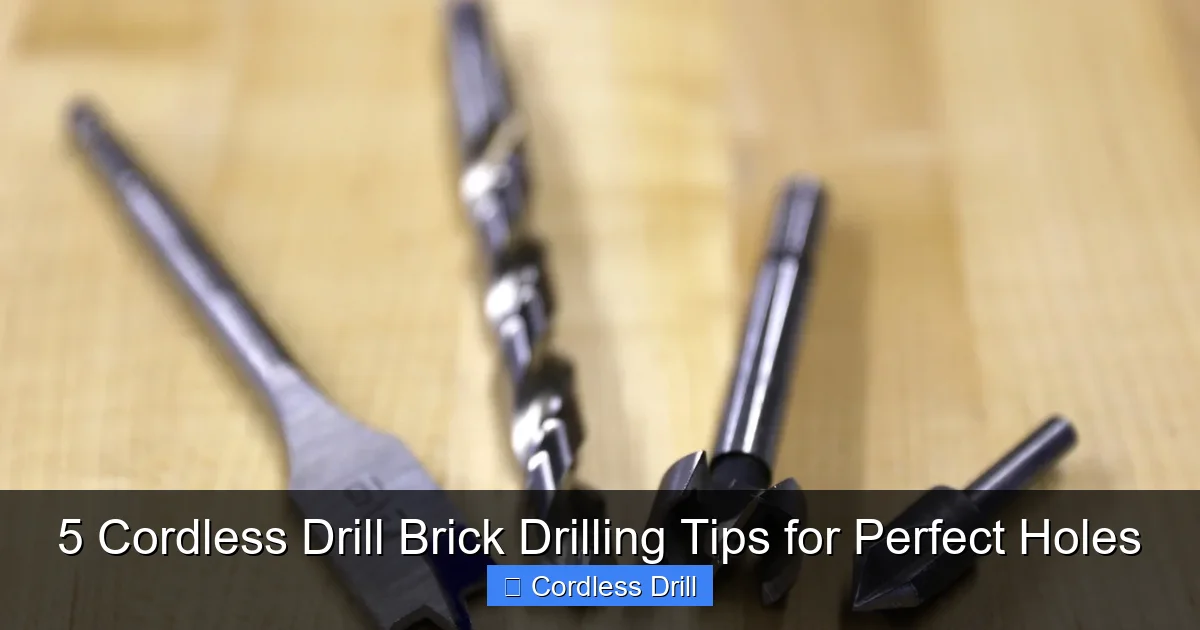
Visual guide about 5 Cordless Drill Brick Drilling Tips for Perfect Holes
Image source: content.instructables.com
Hammer Drill vs. Regular Cordless Drill
The first decision is whether you need a hammer drill. For serious brick projects, a hammer drill is essential. These tools have a special mechanism that drives the bit forward while it spins, essentially jackhammering the material as you drill. This action pulverizes the brick dust inside the hole, making progress much faster and easier on your tool.
Standard cordless drills lack this hammering action. While you can sometimes drill into soft brick with a regular drill, you’ll strain the motor and likely overheat your tool. The bit will also wander more, creating crooked holes. If you plan to drill more than a few holes, investing in a quality hammer drill is worth every penny. Check out our guide on the difference between impact driver and hammer drill to understand which tool suits your needs.
For light-duty brick work, some cordless drills come with a hammer function switch. These combo tools work well for occasional use. Just ensure the hammer setting is actually engaged. Many users forget to flip this switch and wonder why their drill struggles.
Selecting the Correct Masonry Bits
Not all drill bits work for brick. You need carbide-tipped masonry bits specifically designed for concrete, brick, and stone. These bits feature a hardened carbide tip that can withstand the abrasive nature of masonry materials. Regular wood or metal bits will dull instantly and may even shatter when they hit brick.
Look for bits labeled “masonry” or “concrete” with a sharp, pointed carbide tip. The flutes (spiral grooves) should be deep enough to remove dust efficiently. Cheap masonry bits often have shallow flutes that clog quickly, causing the bit to bind and overheat. Spend a few extra dollars on quality bits from reputable brands. They’ll last longer and drill better.
Match your bit size to the anchor you plan to use. For example, if you need a 3/16-inch anchor, use a 3/16-inch masonry bit. Most packaging clearly states the recommended anchor size. Bring your anchors to the store when shopping for bits to ensure a perfect match.
Tip #2: Prepare Your Work Area Properly
Good preparation prevents poor performance. Taking a few minutes to set up correctly will make your brick drilling project go smoothly and safely.
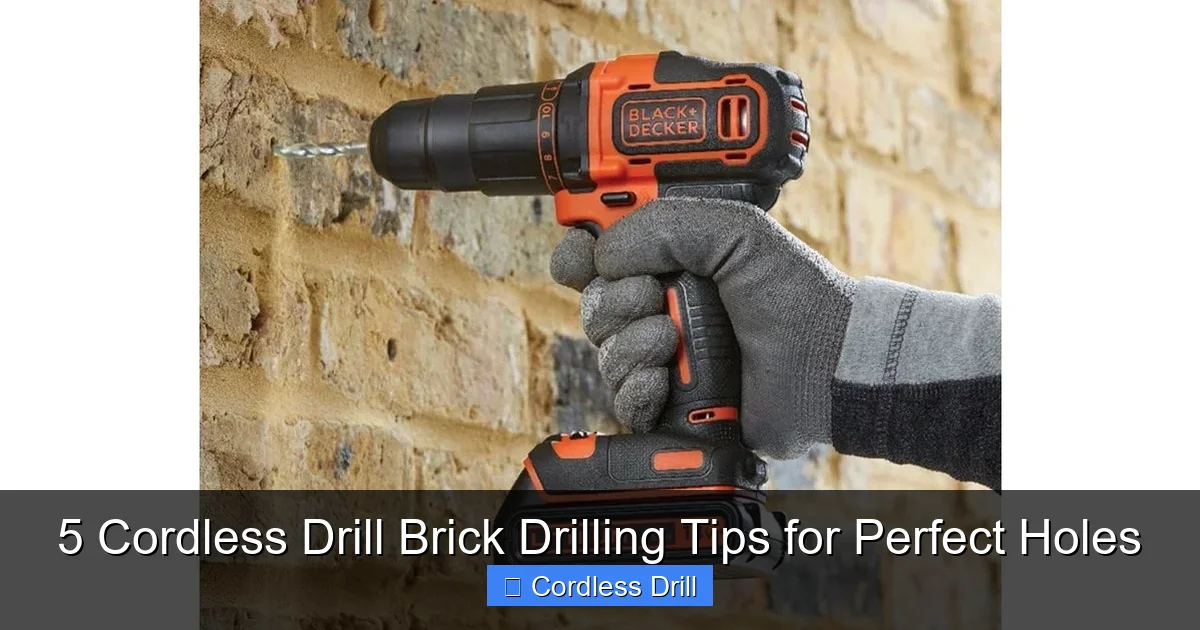
Visual guide about 5 Cordless Drill Brick Drilling Tips for Perfect Holes
Image source: toolreviewsninja.com
Gather Essential Safety Equipment
Brick drilling creates fine silica dust that’s harmful to breathe. Always wear a NIOSH-approved dust mask (N95 or better) to protect your lungs. Safety glasses are non-negotiable. Flying brick chips can cause serious eye injury. Consider wearing hearing protection too, as hammer drills are loud.
Wear long sleeves and gloves to protect your skin from sharp brick edges. The dust can also irritate skin, so covering up is smart. Work in a well-ventilated area when possible. If drilling indoors, consider using a shop vacuum to collect dust at the source.
Mark and Double-Check Your Drill Points
Measure twice, drill once. Use a pencil or marker to clearly mark your drilling location. For better precision, place a small piece of masking tape over the spot before marking. The tape prevents the pencil mark from smearing and gives you a clear target.
Use a level to ensure your marks are straight, especially for multiple holes that need to align. For electrical boxes or fixtures, double-check measurements against building plans if available. One misplaced hole can ruin your project.
Consider drilling a small pilot hole first. Start with a 1/8-inch masonry bit to create a guide. This prevents the larger bit from wandering when you start drilling. The pilot hole should be about half the depth of your final hole. This simple step dramatically improves accuracy.
Tip #3: Master the Brick Drilling Technique
How you hold and operate your cordless drill makes a huge difference. Proper technique prevents accidents and ensures clean, straight holes.
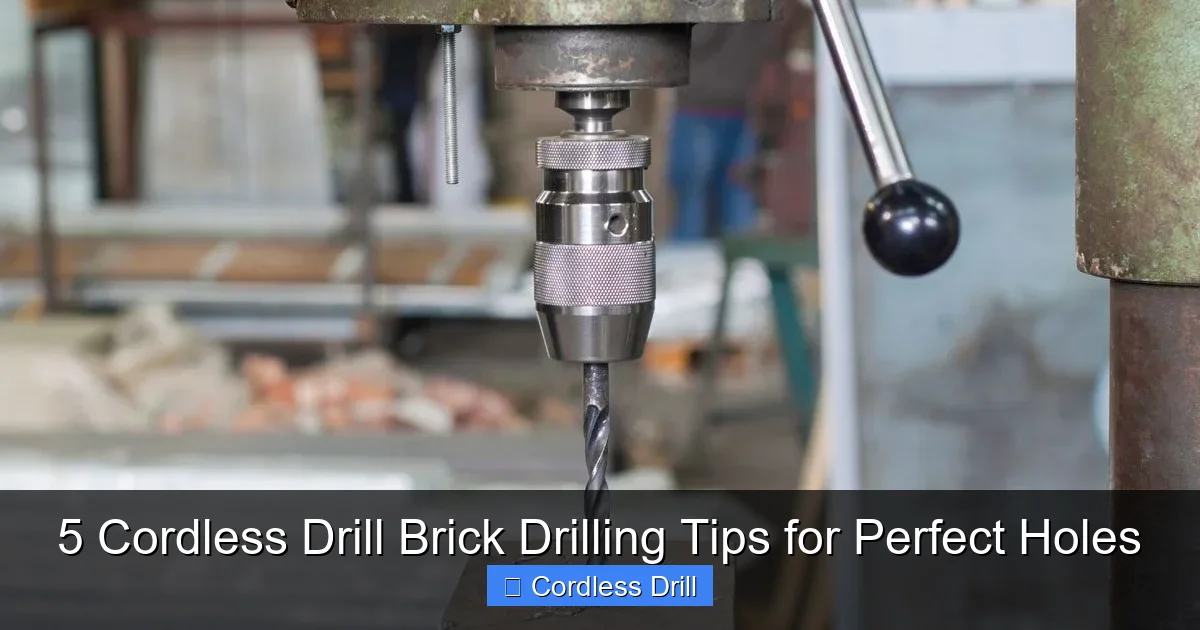
Visual guide about 5 Cordless Drill Brick Drilling Tips for Perfect Holes
Image source: familyhandyman.com
Start with a Perpendicular Position
Hold your drill perfectly perpendicular (90 degrees) to the brick surface. Use the edge of the drill’s base plate as a reference against a level or straight edge. Starting at an angle creates a crooked hole that’s difficult to fix.
Apply light, steady pressure as you begin. Let the hammer action do the work. Pushing too hard at the start causes the bit to slip and create a divot in the brick. A gentle touch gives you control and accuracy.
Keep both hands firmly on the drill. One hand on the main handle and the other supporting the battery pack or secondary handle. This gives you maximum control when the drill kicks or vibrates. Stand with your feet shoulder-width apart for good balance.
Drill in Stages for Deep Holes
Don’t try to drill the full depth in one pass. Brick drilling works best in stages. Drill about 1-2 inches deep, then pull the bit out to clear dust. This prevents the bit from binding and overheating. Reinsert the bit and continue drilling, repeating the process until you reach your desired depth.
For deep holes (more than 3 inches), consider using a right-angle drill attachment. This gives you better leverage and reduces fatigue. Mark your drill bit with tape at the desired depth so you know when to stop. Measure from the tip of the bit, not the chuck.
Maintain a consistent speed. Use medium trigger pressure rather than full speed. Too fast generates excessive heat that can damage both bit and brick. Too slow reduces the hammer action effectiveness. Find the sweet spot where the drill makes steady progress without straining.
Tip #4: Keep Your Drill and Bits in Top Condition
Tool maintenance is often overlooked but critical for successful brick drilling. A poorly maintained drill or dull bit will make any job harder.
Manage Your Battery Power
Cordless drill performance drops as batteries deplete. For hammer drills, weak batteries are especially problematic. The hammer mechanism requires full power to function properly. A half-charged battery may spin fine but provide weak hammer action, making brick drilling nearly impossible.
Always start with a fully charged battery. Keep a spare charged battery ready for large projects. If your drill has a battery indicator, don’t ignore it. When power drops below 50%, swap batteries. This ensures consistent performance throughout your project.
Store batteries properly. Extreme temperatures reduce battery life. Keep them in a cool, dry place. If a battery gets hot during use, let it cool before recharging. Hot batteries charge poorly and wear out faster.
Clean and Sharpen Bits Regularly
Masonry bits dull with use. Dull bits create more heat, drill slower, and increase the chance of cracking bricks. Clean bits after each use by brushing off dust with a wire brush. This prevents buildup that can affect performance.
Many carbide-tipped bits can be sharpened with a specialty bit sharpener or by a professional sharpening service. Check the manufacturer’s recommendations. Some inexpensive bits are meant to be disposable, while premium bits can be resharpened multiple times. If a bit shows signs of damage or extreme dulling, replace it immediately.
Tip #5: Troubleshoot Common Brick Drilling Problems
Even with proper technique, issues can arise. Knowing how to handle common problems saves time and frustration.
Bit Wandering or Walking
If your drill bit wanders off your mark, you’re not alone. This is the most common brick drilling problem. It happens when you start drilling without a pilot hole or when using too much pressure too soon.
Solution: Stop drilling immediately. Create a small starter indentation using a center punch or the tip of a nail hammered lightly into the brick. This gives the bit a place to grip. Better yet, drill a 1/8-inch pilot hole first. Use less pressure and start at a slower speed until the bit establishes itself.
Overheating Bit or Drill
If your bit or drill feels hot to the touch, stop immediately. Overheating damages carbide tips and can burn out your drill motor. This usually occurs from using too much pressure or drilling too continuously without clearing dust.
Solution: Pull the bit out frequently to clear dust. Let the drill rest for a minute if it feels hot. Use moderate, steady pressure instead of forcing it. If the bit is overheating, dip it in water occasionally (only if manufacturer recommends this). Most modern bits shouldn’t be quenched with water as it can damage the carbide tip.
Excessive Dust and Mess
Brick dust is everywhere during drilling. It gets into your drill’s vents, covers your work area, and creates a health hazard. Poor dust control makes it hard to see your work and can cause the bit to bind.
Solution: Use a shop vacuum or dust collection attachment designed for drills. Hold the vacuum nozzle near the drilling spot to catch dust as it emerges. Work outdoors when possible. If indoors, cover nearby surfaces with plastic sheeting. Consider drilling from the inside out if drilling through a wall, as gravity helps contain dust.
Cracking or Spalling Brick
Bricks sometimes crack or spall (flake off) during drilling. This is usually caused by excessive pressure or drilling near the edge of a brick. Hollow bricks are especially prone to cracking.
Solution: Use lighter pressure and let the hammer action work. Avoid drilling within 1/2 inch of brick edges. For hollow bricks, drill slowly and be prepared to use a slightly larger anchor that can grip the remaining solid material. If you crack a brick, stop and assess. You may need to patch it with masonry cement and start over in a new location.
Putting It All Together: A Sample Project
Let’s walk through hanging a heavy shelf on a brick wall using these tips. First, choose a hammer drill with a fully charged battery and a 3/16-inch masonry bit for 3/16-inch plastic anchors. Mark your shelf bracket locations with a pencil and level. Place a piece of masking tape over each mark.
Put on your safety glasses and dust mask. Drill a 1/8-inch pilot hole at each marked location to a depth of 1/2 inch. Switch to your 3/16-inch bit and drill each hole to 1-1/2 inches deep, clearing dust every 1/2 inch. The entire process should feel controlled and steady, not forced.
Once holes are complete, blow out dust with compressed air or use a vacuum. Insert plastic anchors and mount your bracket. The result is a secure installation that looks professional and will hold weight reliably for years.
Final Thoughts on Brick Drilling Success
Mastering cordless drill brick drilling opens up countless DIY possibilities. You can hang shelves, install outdoor lighting, mount mailboxes, or secure any fixture to brick surfaces with confidence. The key is respecting the material and using the right approach.
Remember that practice makes perfect. If you have spare bricks, practice drilling on them first. This builds muscle memory and helps you understand how your specific drill performs. Pay attention to how the drill sounds and feels. These sensory cues tell you whether you’re using proper technique.
Your cordless drill is a versatile tool, but brick drilling demands respect and preparation. By following these five tips—choosing proper tools, preparing thoroughly, using correct technique, maintaining equipment, and troubleshooting problems—you’ll achieve perfect holes every time. No more cracked bricks, wandering bits, or burned-out drills. Just clean, precise holes that make your projects look professional.
🎥 Related Video: How to drill a hole in concrete! #diy #constructionsupplies #drilling #satisfying #asmr
📺 My Tool Expert UK