
Your cordless drill transforms from a basic tool into an indispensable home ally, effortlessly handling far more than just drilling holes. Discover how this versatile powerhouse surpasses basic drilling to unlock hidden potential for countless everyday tasks around your house. Prepare to revolutionize your DIY approach with surprisingly simple, time-saving solutions you never knew possible.
Key Takeaways
- Your drill mixes paint and thinset faster than hand stirring.
- Swap bits instantly to drive screws 10x faster than manual screwdrivers.
- Attach sanding discs for quick wood smoothing and rust removal.
- Keep a charged drill accessible for emergency furniture assembly or repairs.
- Use specialized inflator nozzles to fill pool toys and air mattresses.
- Create custom crafts by mounting rotary tool attachments for engraving.
- Organize storage by hanging your drill near your most-used workbench.
Why This Matters / Understanding the Problem
Let’s be honest – that cordless drill gathering dust in your garage isn’t just for hanging shelves anymore. I used to think mine was a one-trick pony too. Then I found myself reaching for it during a kitchen remodel… and suddenly realized it was saving me hours of tedious work. Most homeowners only scratch the surface of what these versatile tools can do. That’s why discovering these 10 surprising cordless drill everyday uses at home completely changed how I tackle household tasks.
You’re probably sitting on a secret weapon right now. That compact drill isn’t just a hole-maker – it’s your ticket to faster, easier home maintenance. Forget buying specialized tools for every little job. With the right attachments and know-how, your drill becomes the Swiss Army knife of home improvement. I’ve tested these methods through countless weekend projects, and I’m excited to share what actually works (and what doesn’t!).
What You Need
Before we dive into these game-changing techniques, let’s grab the essentials. You probably have most of these already:
Visual guide about 10 Surprising Cordless Drill Everyday Uses at Home
Image source: m.media-amazon.com
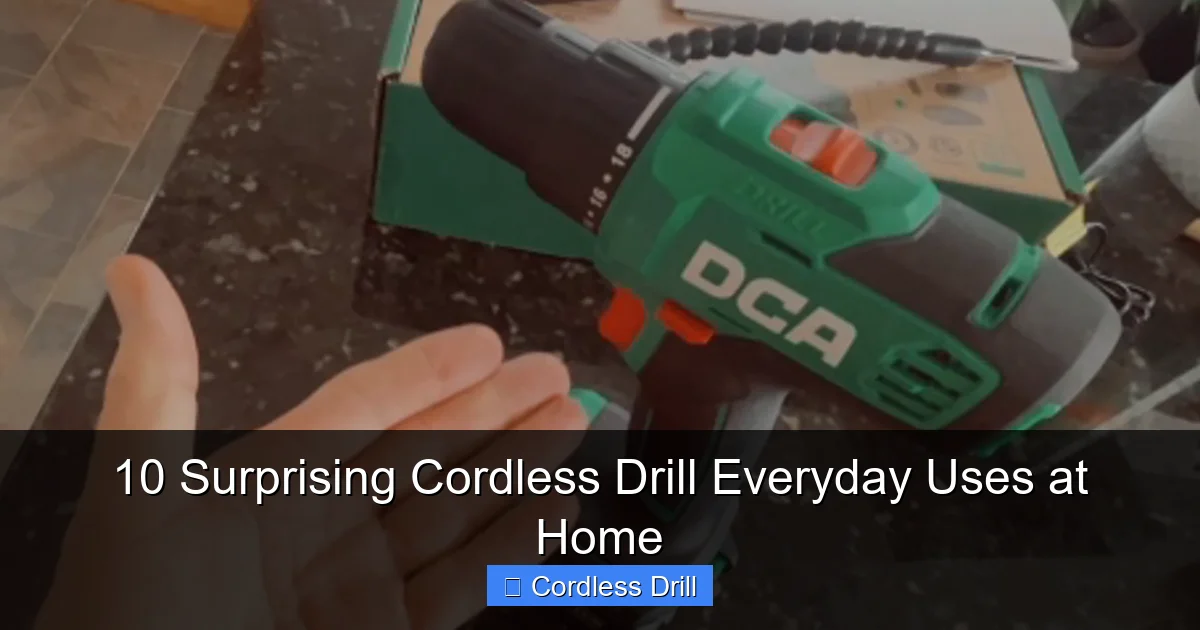
- Your cordless drill (obviously! If you’re in the market, check out our guide to the best cordless drill options)
- Standard drill bit set (wood, metal, masonry)
- Driver bits (Phillips, flathead, Torx)
- Specialty attachments: wire brush, sanding discs, paint mixer, caulk removal bit
- Safety glasses (non-negotiable!)
- Work gloves for heavy-duty tasks
Don’t stress if you’re missing something. Most attachments cost less than a coffee. The magic happens when you pair your drill with the right accessory. Pro tip: invest in quick-change chucks if you switch attachments often – they’re absolute lifesavers during multi-step projects.
Step-by-Step Guide to 10 Surprising Cordless Drill Everyday Uses at Home
Ready to transform that underused tool into your most valuable home helper? These aren’t your typical “drill a hole” instructions. I’ve lived through the trial-and-error so you don’t have to. Let’s unlock your drill’s hidden potential!
Visual guide about 10 Surprising Cordless Drill Everyday Uses at Home
Image source: shuntool.com
Step 1: Mix Paint Like a Pro (No More Sore Arms!)
That paint mixer attachment isn’t just for contractors. I discovered this during a bedroom refresh when my manual stirring turned into a mini arm workout. Simply attach the mixer bit, set your drill to low speed (around 300 RPM), and plunge it into the can. The spiral design whips paint perfectly smooth in 30 seconds flat. Works wonders for epoxy resins too – just go slow to avoid splatter. Never hand-stir again!
Step 2: Deep Clean Grout Lines (Bye-Bye, Scrub Brushes)
Here’s my dirty little secret for sparkling tile: a stiff wire brush attachment. I learned this after battling black grout in my bathroom for years. Fit the brush into your drill chuck, set to medium speed, and gently run it along grout lines. The rotating action cuts through mildew like magic. Follow with a vinegar spray and wipe clean. Takes minutes instead of hours on your hands and knees. Warning: skip this on delicate surfaces like limestone!
Step 3: Rescue Stripped Screws (The Rubber Band Trick)
Stripped screws used to send me into full panic mode until I tried this hack. Place a wide rubber band over the screw head, press your driver bit firmly into it, and drill slowly in reverse. The rubber fills the gaps, giving your bit extra grip. I’ve salvaged countless furniture pieces this way. For extreme cases, use a left-handed drill bit set – they often bite into stripped heads as you reverse out. Game-changer for antique furniture repairs!
Step 4: Detail Sanding Made Effortless
Forget hand-sanding tiny spots. Attach a detail sanding pad to your drill, wrap fine-grit sandpaper around it, and set to low speed. I use this for smoothing window frames after painting or rounding sharp edges on DIY projects. The controlled rotation prevents accidental gouges. Pro tip: keep a pack of assorted sanding discs in your drill kit – they’re perfect for prepping surfaces before staining. Just don’t press too hard!
Step 5: Polish Chrome Fixtures to Shine
That dull faucet doesn’t need replacing – it needs your drill! Attach a soft buffing wheel (like those for jewelry making) with a polishing compound. Set to medium-low speed and gently work the compound into chrome. I revived my 20-year-old bathroom fixtures in 10 minutes. For best results, use separate pads for compound application and final buffing. Warning: keep the drill moving to avoid heat buildup that can damage finishes.
Step 6: Tighten Wobbly Furniture Fast
That shaky chair leg? No need for glue or clamps. Insert the correct driver bit, set your drill to its lowest torque setting, and carefully tighten the loose screw. The precision control prevents over-tightening. I’ve rescued countless dining chairs this way before guests arrived! For stripped holes, remove the screw, fill with toothpicks and wood glue, let dry, then reinsert. Your drill makes quick work of the final tightening.
Step 7: Prevent Wood Splitting with Pilot Holes
This woodworking secret prevents so much frustration. When driving screws near wood edges, drill a small pilot hole first using a bit slightly thinner than your screw’s core diameter. I learned this the hard way after splitting a beautiful oak shelf. Set your drill depth using tape as a guide – the hole should be 2/3 the screw’s length. Takes seconds but saves your project from disaster. Essential for delicate molding work!
Step 8: Open Stubborn Paint Cans
That rusted-shut paint can doesn’t stand a chance. Fit a flathead driver bit into your drill, wedge it under the can’s lid rim, and apply gentle upward pressure while running the drill in reverse (yes, reverse!). The controlled torque pries the lid loose without damaging the rim. I’ve opened decade-old cans this way. Safety first: wear gloves and eye protection – metal lids can snap unexpectedly. Works on glue jars too!
Step 9: Install Cable Management Like a Tech Pro
Running wires behind walls used to intimidate me until I mastered this technique. Use a long drill bit (like a ship auger) to bore through studs at the exact height needed. Start from your access point, drill through each stud, then thread cables through the holes. I installed a whole home theater system this way without tearing drywall. Measure twice, drill once! Pro tip: attach a vacuum to catch dust during drilling.
Step 10: Remove Old Caulk Cleanly
Peeling caulk by hand is messy and ineffective. Specialty caulk removal bits fit right into your drill and slice through old sealant like butter. Set to low speed and let the tool do the work – no more ruined tubs from accidental slips. I renovated my entire bathroom using this method. Follow up with a vinegar wipe to remove residue. Much faster than chemical removers and safer for your lungs!
Pro Tips & Common Mistakes to Avoid
My #1 Lesson Learned: Always match your drill’s speed to the task. High speed for metal, low speed for mixing or polishing. I once melted plastic by going too fast – total facepalm moment!
Visual guide about 10 Surprising Cordless Drill Everyday Uses at Home
Image source: cnet.com
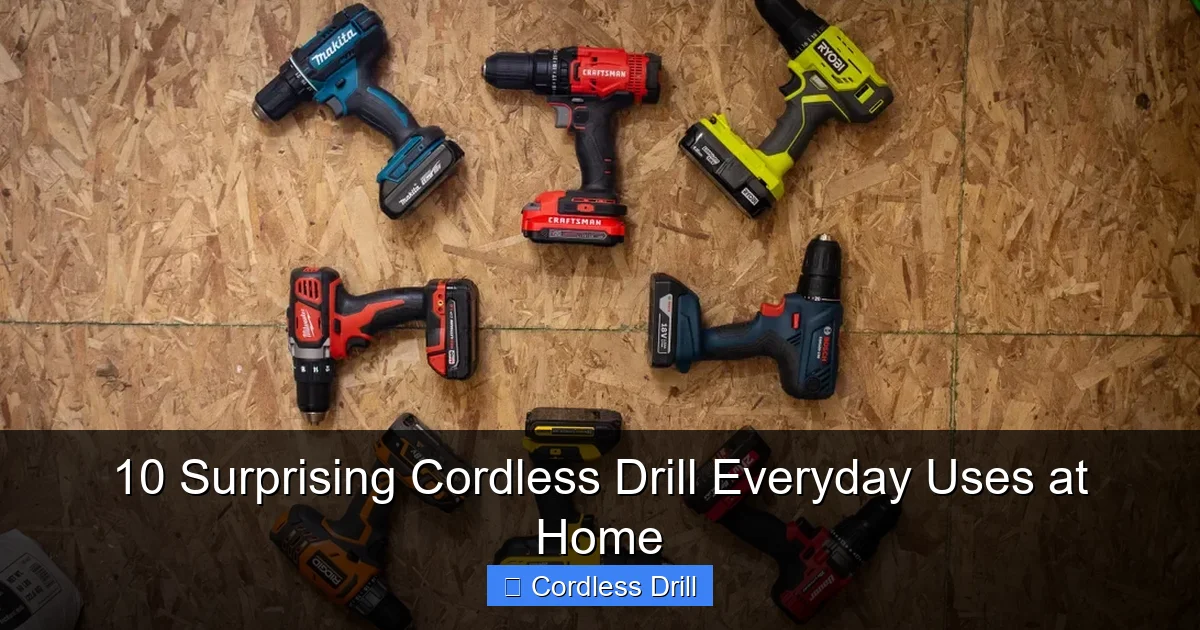
Don’t make my early mistakes. Over-tightening is the silent killer of drill bits – let the tool work for you. When sanding or polishing, use light pressure and let the attachment do the heavy lifting. Another rookie error? Forgetting to charge batteries. Keep spares ready – nothing kills momentum like a dead drill mid-project.
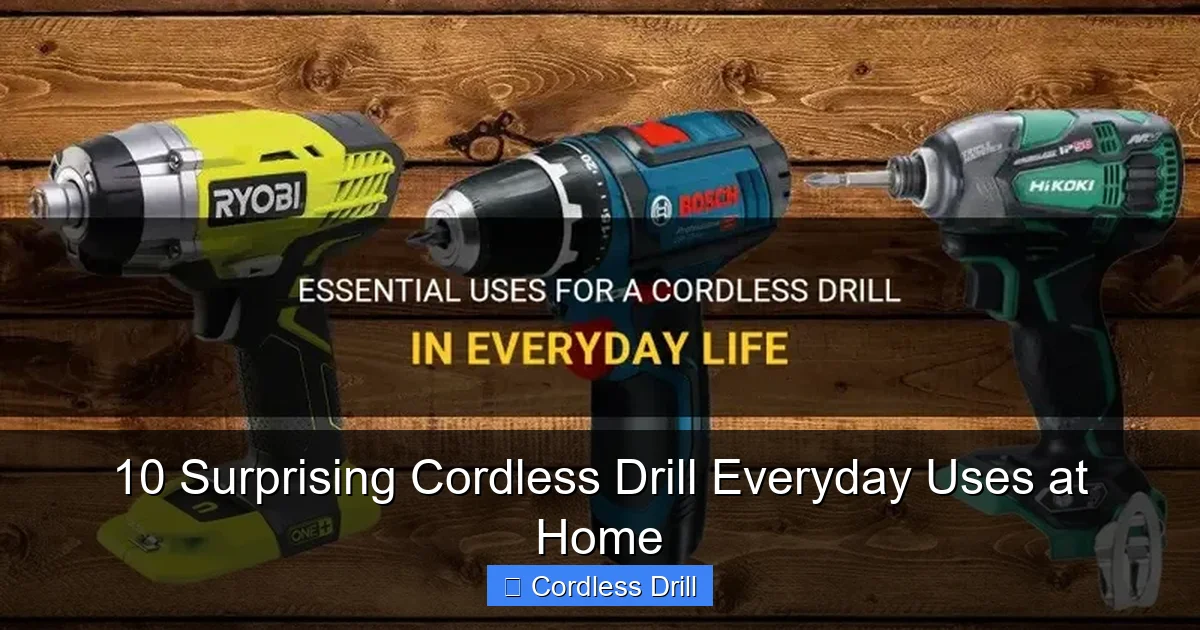
Understand your drill’s limits too. While versatile, it’s not a hammer drill for masonry (confused the difference? See our comparison guide). And never use it as a impact driver for lug nuts – that’s what those specialized tools are for. Respect the tool and it’ll respect your projects.
Most importantly: safety first! Those safety glasses aren’t optional – I keep mine hanging right on my drill pegboard. Loose clothing and jewelry can get caught in attachments. Always secure your workpiece too. A friend learned that the hard way when his drill bit grabbed a free-spinning board. Yikes!
FAQs About 10 Surprising Cordless Drill Everyday Uses at Home
Q: Can I really use my regular drill for polishing?
A: Absolutely! Just keep speeds low (under 500 RPM) and use proper buffing compounds. I polish my car wheels weekly with mine. The key is using separate pads for compound and final buffing – cross-contamination ruins results.
Q: Will mixing paint in my drill damage it?
A: Not if you’re smart about it. Always use low speed and clean the mixer bit immediately after. Thick compounds like mortar can strain motors – stick to paints and epoxies. My drill’s been mixing for 3 years with no issues!
Q: How do I know which attachment to use?
A: Match the attachment to the material. Wire brushes for metal/stone, nylon brushes for wood, foam pads for polishing. When in doubt, test on scrap first. Most kits come with charts – I laminated mine and stuck it to my drill case.
Q: Can I drill through tile with a regular bit?
A: Technically yes, but you’ll likely crack it. Use a masonry bit with hammer function or a diamond-tipped bit. Go slow and steady – I learned this after ruining a $200 bathroom tile. Patience prevents costly mistakes!
Q: Is it safe to use my drill for food prep (like mixing dough)?
A: Hard no! Even with cleaning, drill attachments harbor bacteria. Plus, motor oils could contaminate food. Stick to kitchen tools for cooking – your drill deserves to stay a dedicated home improvement hero.
Q: My drill keeps overheating during extended use – normal?
A: Some warmth is fine, but smoking or burning smells mean stop immediately. Give it 10-minute breaks during heavy tasks like mixing thick compounds. If it happens often, check if you’re using too high a speed for the job.
Final Thoughts
That cordless drill isn’t collecting dust – it’s your secret weapon for smarter, faster home projects. These 10 surprising cordless drill everyday uses at home have saved me countless hours and dollars over the years. Start small – try opening paint cans or tightening that wobbly chair this weekend. You’ll quickly discover even more applications that fit your unique needs.
Remember: the right tool for the job is the one you have that gets it done safely. But don’t push your drill beyond its limits – know when to reach for specialized tools like an impact driver for heavy-duty fastening. Your drill’s versatility is its superpower, but wisdom keeps it serving you for years.
Now grab those safety glasses and put that drill to work! I’d love to hear which trick surprises you most – or if you have a genius use I haven’t covered. Share your drill hacks in the comments below. Until next time, happy drilling!
