
This guide reveals practical cordless drill indoor uses for every room in your house. You’ll learn step-by-step techniques for hanging shelves, assembling furniture, mounting TVs, and more. Transform your living space with confidence using your cordless drill.
Key Takeaways
- Versatility is key: Your cordless drill handles projects from living room to bathroom with ease.
- Right bits matter: Use wood, masonry, or metal bits depending on your indoor surface.
- Safety first: Always wear goggles and a dust mask when drilling indoors.
- Speed control: Start at low RPM for precision and switch to high for faster work.
- Battery management: Keep spare batteries charged to avoid project delays.
- Stud finders are essential: Locate studs before hanging heavy items on walls.
- Practice makes perfect: Test techniques on scrap wood before drilling into finished surfaces.
Introduction: Your Cordless Drill Is an Indoor Superhero
You’ve got a cordless drill sitting in your toolbox. It’s probably gathering dust between occasional projects. But that compact powerhouse is ready to revolutionize every room in your home. This guide unlocks the full potential of cordless drill indoor uses, from hanging curtains in the living room to assembling furniture in the kids’ room.
You don’t need to be a professional contractor. With basic techniques and safety knowledge, you can tackle dozens of indoor projects. We’ll walk you through each room, specific projects, and pro tips. By the end, you’ll see your cordless drill as an essential home improvement partner. Let’s get started!
Choosing the Right Cordless Drill for Indoor Projects
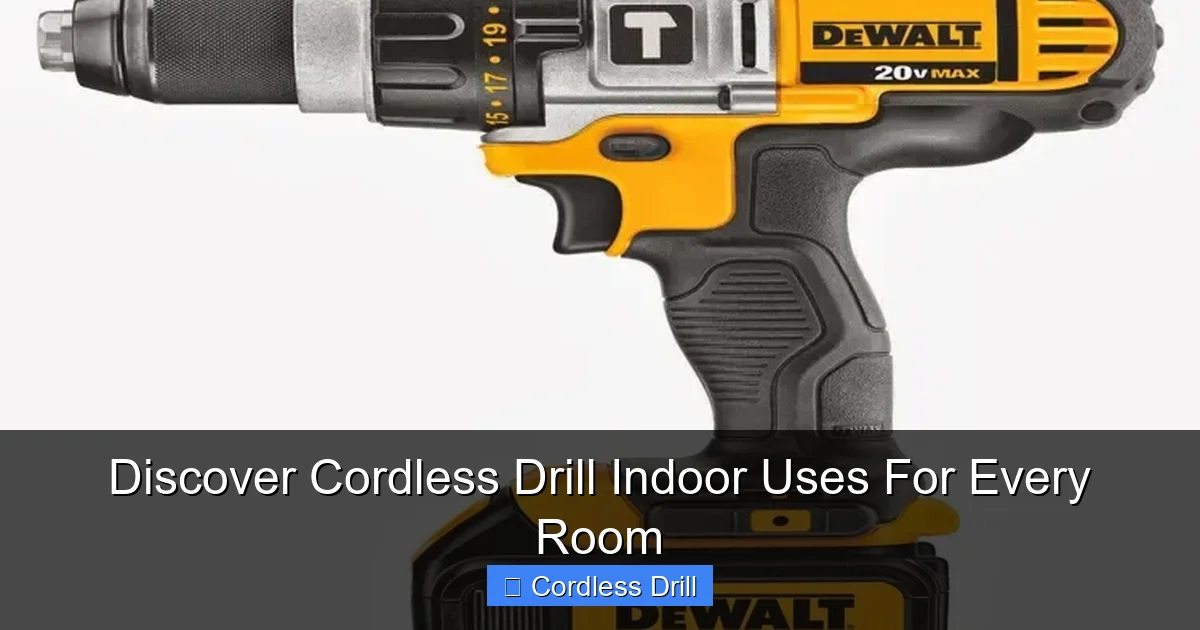
Before diving into projects, make sure you have the right tool. Not all cordless drills are created equal for indoor work.

Visual guide about Discover Cordless Drill Indoor Uses For Every Room
Image source: thumbs.dreamstime.com
Voltage Range for Indoor Use
For most indoor projects, an 18V or 20V drill provides the perfect balance. Higher voltage means more power for tough materials. Lower voltage (12V) works great for light-duty tasks like hanging pictures. If you’re buying new, check out our guide to the best cordless drill options for every budget.
Key Features to Look For
- Variable speed trigger: Essential for controlling drilling speed based on material
- Adjustable clutch: Prevents stripping screws and damaging surfaces
- LED work light: Illuminates dark corners and tight spaces
- Compact size: Head length under 7 inches helps in tight spots
Understanding the difference between an impact driver and hammer drill matters too. For most indoor tasks, a standard cordless drill works perfectly. Save hammer drills for masonry work.
Essential Safety Tips for Indoor Drilling
Safety isn’t optional when using power tools indoors. These precautions protect you, your family, and your home.
Visual guide about Discover Cordless Drill Indoor Uses For Every Room
Image source: toolsadvisers.com
Personal Protective Equipment
Always wear safety goggles to protect your eyes from flying debris. A dust mask prevents inhalation of drywall dust and wood particles. For loud projects, add ear protection. Keep your workspace well-ventilated.
Electrical and Structural Safety
Use a stud finder to avoid drilling into electrical wires or plumbing behind walls. Turn off power at the breaker box when working near electrical outlets or switches. Keep a fire extinguisher nearby when drilling near flammable materials.
Work Area Preparation
Clear the floor of tripping hazards. Lay down a drop cloth to catch dust and debris. Keep children and pets in another room during drilling. Make sure your workpiece is properly secured with clamps or held firmly.
Cordless Drill Indoor Uses in the Living Room
The living room is ground zero for most home improvement projects. Your cordless drill makes quick work of entertainment centers, shelving, and decorative elements.
Visual guide about Discover Cordless Drill Indoor Uses For Every Room
Image source: ph-test-11.slatic.net
Mounting Your Television
Flat-screen TVs need secure mounting. First, locate wall studs using an electronic stud finder. Mark positions with painter’s tape. Drill pilot holes into studs using a 1/8-inch drill bit. Insert wall anchors if not hitting studs directly. Attach mounting brackets according to manufacturer specifications. Keep your drill at low speed when driving screws into the wall plate to avoid stripping.
Building and Installing Floating Shelves
Floating shelves create instant storage and display space. Measure and mark shelf locations with a level. Drill into wall studs at marked points. Use a countersink bit to create recess holes for a clean look. Drive screws through the shelf mounting hardware into studs. For brackets, drill pilot holes first to prevent wood splitting. The adjustable clutch on your drill prevents over-tightening.
Installing Curtain Rods and Blinds
Curtain rods seem simple but require precise drilling. Mark bracket locations with a pencil. Use a small pilot bit to start holes in drywall or wood trim. Switch to the correct size for your anchors. For blinds, measure carefully and drill into window frames or above trim. Keep the drill perpendicular to the surface for straight holes.
Creating Custom Media Centers
Build your own entertainment center using plywood and shelf standards. Drill adjustable shelf pin holes using a drill guide for accuracy. Attach side panels to the wall for stability. Use pocket hole techniques for invisible joints. Your cordless drill drives all necessary screws without needing multiple tools.
Kitchen Projects That Shine
The kitchen demands precision and clean results. Cordless drill indoor uses here range from simple installations to complex cabinet modifications.
Hanging Cabinets
Upper cabinets need solid attachment. Have a helper hold the cabinet level while you mark wall locations through the cabinet back. Drill pilot holes into wall studs every 16 inches. Use 3-inch screws to secure through the cabinet framing. Start with two screws per side, check level, then add more. Keep your drill clutch at a medium setting to avoid stripping the cabinet material.
Installing Under-Cabinet Lighting
LED strip lighting transforms kitchen ambiance. Drill small holes in cabinet bottoms for wire routing. Use a step drill bit for clean openings in metal or plastic. Mount power supplies with small screws. Your drill’s low speed prevents cracking thin cabinet materials. For puck lights, drill precise holes for mounting brackets.
Creating Pot Racks and Storage Solutions
Ceiling-mounted pot racks need secure attachment. Locate ceiling joists with a stud finder. Drill pilot holes slightly smaller than your mounting screws. Use a magnetic bit holder to keep screws in place while drilling upward. For wall-mounted racks, always anchor into studs or use heavy-duty toggle bolts in drywall.
Adding Cabinet Hardware
Updating knobs and pulls is a fast kitchen refresh. Use a template to mark hole locations. Drill from the inside of the cabinet door to prevent splintering on the visible side. Use a sharp brad point bit for clean holes in wood. Place a scrap wood block behind the drilling area to prevent tear-out.
Bedroom Transformations
Bedrooms need functional and peaceful environments. Your cordless drill helps create custom storage and comfortable spaces.
Building Closet Organizers
Wire or wood closet systems require precise drilling. Mark shelf support locations on wall studs. Drill pilot holes for shelf pins. For vertical standards, drill into studs at top and bottom. Use a level to ensure everything is plumb. Your drill’s adjustable clutch prevents overdriving screws into thin metal standards.
Mounting Bed Frames to Walls
Storage beds and Murphy beds need wall anchoring. Locate studs behind the headboard position. Drill pilot holes for mounting brackets. Use lag bolts for maximum holding power. Always drill straight into studs at a 90-degree angle. Double-check measurements before drilling.
Installing Dressing Mirrors
Large mirrors require careful mounting. Mark D-ring or wire locations on the wall. Use a stud finder to locate solid backing. Drill pilot holes for anchors. For heavy mirrors, use a drill to create holes for plastic anchors, then switch to a hammer drill setting if hitting masonry. Keep the drill steady and apply firm pressure.
Creating Headboard Storage
Build a bookshelf headboard by attaching shelves between two vertical boards. Drill pocket holes for hidden joints. Use your drill to drive screws into wall studs through the back of the headboard. Add LED strip lighting underneath shelves with small mounting holes drilled in the wood.
Bathroom Installations and Upgrades
Bathrooms present unique challenges with moisture and tile. Cordless drill indoor uses here require special bits and techniques.
Hanging Towel Bars and Racks
Tile walls need carbide-tipped drill bits. Mark locations with masking tape to prevent bit slipping. Start with a small pilot hole at low speed. Switch to the correct size for your anchors. Use a variable speed trigger to control drilling through tile without cracking. For fiberglass surrounds, use standard wood bits.
Installing Vanity Cabinets and Medicine Cabinets
Medicine cabinets often require recessing into walls. Turn off power and check for wires first. Use a stud finder to locate framing. Drill pilot holes for the cabinet mounting screws. For surface mounting, drill into wall studs and use appropriate anchors. Keep your drill level for straight mounting.
Mounting Shower Caddies and Accessories
Shower walls are typically tile or fiberglass. Use diamond-tipped bits for glass or ceramic tile. Apply light pressure and keep the drill perpendicular. For plastic surrounds, use standard bits at low speed to avoid melting. Always seal holes with silicone after installation to prevent leaks.
Creating Ventilation Solutions
Bathroom fans need secure mounting. Drill holes for mounting brackets into ceiling joists. Use a right-angle drill attachment for tight spaces. Cut vent holes in drywall with a hole saw attachment. Your cordless drill drives all mounting screws without needing an outlet near the ceiling.
Home Office Organization
A productive home office needs smart storage. Cordless drill indoor uses here focus on cable management and custom workspaces.
Mounting Desks and Work Surfaces
Wall-mounted desks require solid attachment. Locate studs and drill pilot holes for ledger boards. Use your drill to drive lag screws through the desk frame into wall studs. For floating desks, drill into studs and use threaded inserts for removable mounting brackets.
Installing Cable Management Systems
Keep cords organized with raceways and clips. Drill small holes for mounting clips into walls or desk bottoms. Use a drill guide for straight holes when installing longer raceways. For under-desk trays, drill pilot holes and use pan-head screws for secure mounting.
Building Bookshelves and Storage
Custom bookshelves maximize office space. Drill adjustable shelf pin holes using a template. Attach vertical supports to wall studs with your drill. Use pocket hole techniques for hidden joints in wood shelves. Your cordless drill makes assembly fast and precise.
Mounting Monitors and Accessories
Monitor arms need secure desk mounting. Drill through desk thickness for through-bolt mounting. For clamp-style mounts, drill pilot holes for optional security screws. Use a low drill speed when drilling into laminate desks to prevent chipping.
Kids’ Room Solutions
Children’s rooms need adaptable furniture. Cordless drill indoor uses here focus on safety and adjustability.
Building Low Bookshelves
Create accessible storage with adjustable shelves. Drill shelf pin holes every 2 inches for maximum flexibility. Sand all edges smooth after drilling. Use your drill to attach anti-tip brackets to wall studs for safety.
Installing Growth Charts
Wall-mounted growth charts need precise measuring. Drill small pilot holes for mounting screws. Use a level to ensure the chart is perfectly vertical. For removable charts, drill into a wood backing board first, then mount the board to the wall.
Creating Toy Storage Systems
Build cubby systems using plywood. Drill pocket holes for assembly. Mount the unit to wall studs with your cordless drill for tip prevention. Add casters to the bottom with small mounting screws driven by your drill.
Mounting Bed Canopies
Ceiling-mounted canopies need secure hooks. Locate ceiling joists and drill pilot holes for eye hooks. Use a right-angle attachment if needed. For tension rods, drill small holes in wall studs for support brackets.
Hallways and Entryways
First impressions matter. Your cordless drill helps create functional entry spaces.
Installing Coat Racks and Hooks
Heavy coat racks need stud mounting. Drill pilot holes into studs for mounting screws. For multiple hooks, use a template to ensure even spacing. In drywall between studs, use heavy-duty toggle anchors. Your drill drives the screws quickly and securely.
Mounting Mail Organizers
Wall-mounted mail sorters keep entryways tidy. Drill pilot holes for mounting screws. Use a level to ensure the organizer hangs straight. For deeper units, drill into studs at the top and use anchors at the bottom.
Creating Gallery Walls
Gallery walls need multiple picture hangers. Use a template or measure each location. Drill small holes for picture hooks. Start with your drill on the lowest speed to prevent drywall damage. Work systematically from left to right.
Stairs and Storage Areas
Hard-to-reach areas benefit from cordless convenience. No cords means safer operation in tight spaces.
Building Under-Stair Storage
Convert wasted space into drawers or cabinets. Drill pocket holes for drawer slide mounting. Use your drill to drive screws into framing through access holes. For cabinet fronts, drill hinge holes with a drill guide for accuracy.
Installing Stair Lighting
LED step lights improve safety. Drill holes in stringers for light housings. Run wires through drilled holes in tread supports. Use a right-angle drill for tight spaces between stairs. Mount transformers with small screws driven by your drill.
Mounting Handrails
Secure handrails need solid attachment. Drill pilot holes into studs at top and bottom. Use a drill guide for straight holes through the rail mounting brackets. Countersink holes for a clean finish. Apply wood plugs with your drill’s driver bit.
Troubleshooting Common Indoor Drilling Problems
Even pros encounter issues. Here’s how to solve common cordless drill indoor uses problems.
Stripped Screw Heads
If you strip a screw, stop immediately. Switch to a fresh bit that fits perfectly. Increase the clutch setting slightly. Apply firm, steady pressure while driving. For already stripped screws, try a rubber band between the bit and screw head for extra grip.
Cracked Drywall
Cracks happen when drilling too close to edges. Repair with spackle and repaint. For future holes, move 2 inches away from the crack. Use a smaller anchor. Apply less pressure when drilling. Consider using self-drilling drywall anchors that don’t require pilot holes.
Bit Slipping on Tile
Masking tape over the drill point prevents slipping. Start with a nail to create a small divot. Use sharp carbide bits designed for tile. Begin at the lowest possible speed. Apply light, consistent pressure rather than force.
Battery Dies Mid-Project
Always start with a fully charged battery. Keep a spare battery on the charger. If it dies, let it cool for 15 minutes before recharging. Store batteries at room temperature. Consider upgrading to higher amp-hour batteries for longer runtime.
Overheating Drill Motor
Take breaks every 5-10 minutes of continuous use. Let the motor cool down. Avoid using the highest speed for extended periods. Clean air vents regularly. If overheating persists, you may be using too much pressure or a dull bit.
Maintenance Tips for Long Drill Life
Proper care keeps your cordless drill ready for any indoor project.
Cleaning After Use
Brush dust from vents and chuck with a soft brush. Wipe the housing with a damp cloth. Never use solvents that can damage plastic. Clean bits with a wire brush to remove debris. Store in a dry place to prevent battery corrosion.
Battery Care
Charge batteries fully before first use. Don’t leave them on chargers indefinitely. Store at 50% charge if not using for months. Avoid extreme temperatures. Replace batteries when runtime drops significantly. Recycle old batteries properly.
Chuck Maintenance
Keep the chuck clean and dry. Apply a drop of oil to the jaws monthly. Check that it opens and closes smoothly. Replace if it won’t grip bits securely. Use the correct key for keyed chucks. For keyless chucks, tighten firmly by hand.
Conclusion: Your Home, Transformed
Your cordless drill is far more than a hole-making tool. It’s your partner for indoor projects in every room. From hanging a simple picture to building custom storage, the possibilities are endless. Remember to prioritize safety, choose the right bits, and practice on scrap materials first.
Start with one room and build your confidence. Soon you’ll see opportunities everywhere. That blank wall in the hallway? Perfect for a gallery. The empty space under the stairs? Ideal for storage. Your cordless drill makes it all possible. Grab your tool and start transforming your home today. For more project ideas, explore more cordless drill resources and techniques.
🎥 Related Video: How to drill a hole in concrete! #diy #constructionsupplies #drilling #satisfying #asmr
📺 My Tool Expert UK
