
This guide provides the essential cordless drill safety tips every user must know. It covers everything from pre-operation checks and personal protective equipment to safe handling techniques and battery care. Following these practices minimizes the risk of injury and ensures your projects are completed successfully and safely.
Welcome to your complete guide to cordless drill safety. That powerful, convenient tool in your hand is a game-changer for DIY projects and professional work. But with great power comes great responsibility. A moment of carelessness can lead to serious injury, tool damage, or a ruined project.
This guide isn’t about scaring you away from using your drill. It’s about empowering you with knowledge. We’ll walk through every critical safety step, from the moment you pick up the drill to when you put it away. By following these cordless drill safety tips, you’ll work with confidence, precision, and, most importantly, safety. Let’s build a foundation of safe habits that will last a lifetime of projects.
Key Takeaways
- Always Perform a Pre-Operation Check: Inspect your drill, battery, and bits for damage before every use to prevent tool failure and accidents.
- Wear Appropriate Personal Protective Equipment (PPE): Safety glasses, hearing protection, and dust masks are non-negotiable for shielding against flying debris, noise, and harmful particles.
- Secure Your Workpiece and Maintain Stability: Always clamp down materials and ensure you have a firm footing. Never operate a drill while on an unstable surface like a ladder without taking proper precautions.
- Handle the Trigger and Torque with Care: Keep your finger off the trigger until ready to drill, and start with lower speed/torque settings to maintain control, especially when driving screws.
- Practice Proper Battery Safety: Use only manufacturer-approved chargers, store batteries away from metal, and never force a damaged battery into the drill.
- Be Mindful of Your Surroundings and Hidden Hazards: Always check for electrical wires, pipes, and other obstructions behind drilling surfaces to avoid electrocution or gas/water leaks.
- Store Your Drill Correctly After Use: Remove the battery, clean the tool, and store it in a dry, secure location out of reach of children to prolong its life and prevent unauthorized use.
1. Before You Start: The Essential Pre-Operation Checklist
Safety begins before the drill bit ever touches a surface. A few quick checks can prevent the majority of common accidents.
Inspect the Drill and Battery
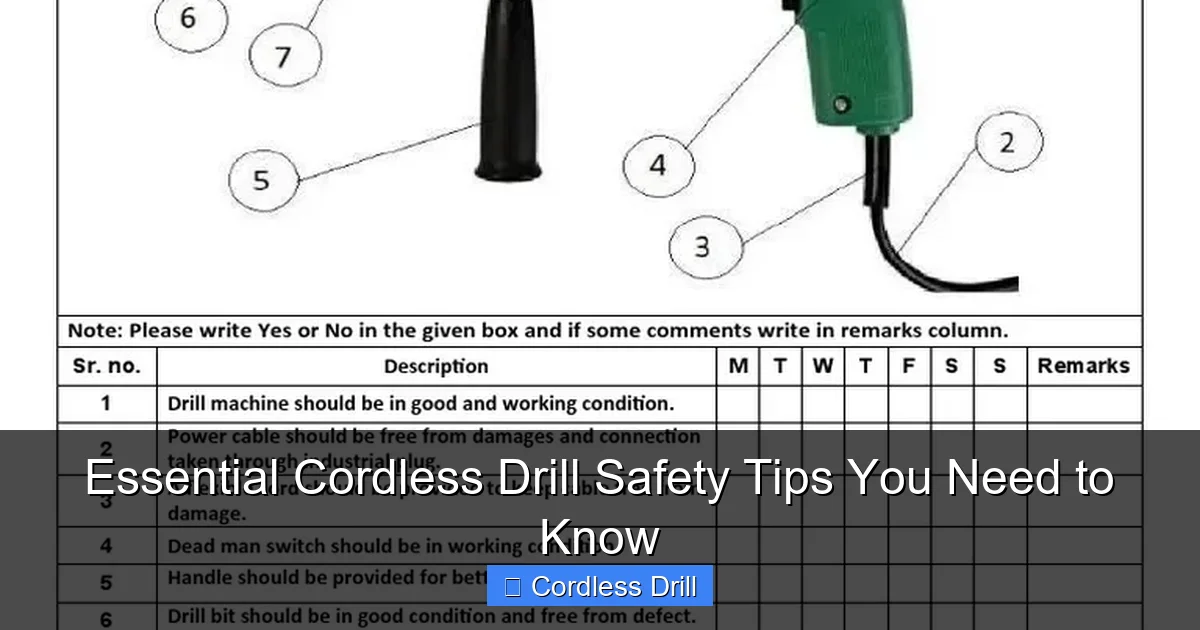
Give your drill a visual once-over. Look for cracks in the housing, a damaged trigger, or a loose chuck. Check the battery for any signs of swelling, cracks, or leakage. A damaged battery is a fire hazard—do not use it. Ensure the battery clicks securely into place.
Examine Drill Bits and Accessories
Dull, bent, or cracked drill bits are dangerous. They require more force to use, can snap, and cause loss of control. Inspect each bit before inserting it into the chuck. Make sure the chuck key (if your drill uses one) is removed before operating.
Select the Right Bit for the Job
Using a masonry bit on metal or a wood spade bit on tile is inefficient and unsafe. The wrong bit can bind, slip, or break. For a deep dive into specific drilling techniques, see our guide on how to use a drill for screws into a wall.
Verify Your Workspace
Ensure your work area is clean, well-lit, and free of tripping hazards like loose cords or clutter. Good lighting helps you see what you’re doing and identify any potential dangers in the material you’re about to drill into.
2. Gear Up: Personal Protective Equipment (PPE)
Never skip your safety gear. It’s your last line of defense.
Visual guide about Essential Cordless Drill Safety Tips You Need to Know
Image source: imgv2-2-f.scribdassets.com
- Safety Glasses or Goggles: This is the most critical piece of PPE. Drilling creates fine dust, chips, and can send broken bits flying. Protect your eyes at all times.
- Hearing Protection: While not as loud as some power tools, prolonged exposure to a drill’s whine, especially in a confined space, can damage your hearing. Use earplugs or earmuffs.
- Dust Mask or Respirator: When drilling into masonry, drywall, or treated wood, you’ll generate fine dust that is harmful to inhale. A simple dust mask is sufficient for small jobs; for extensive work, consider a proper respirator.
- Gloves and Apparel: Wear fitted work gloves to improve grip and protect against minor abrasions. Avoid loose clothing, jewelry, or long hair that could get caught in the rotating chuck.
- Sturdy Footwear: Wear closed-toe shoes with non-slip soles to protect your feet from dropped tools and ensure stable footing.
3. Secure Your Work and Yourself
A moving workpiece or an off-balance user is a recipe for disaster.
Visual guide about Essential Cordless Drill Safety Tips You Need to Know
Image source: toptiertool.com
Clamp Everything Down
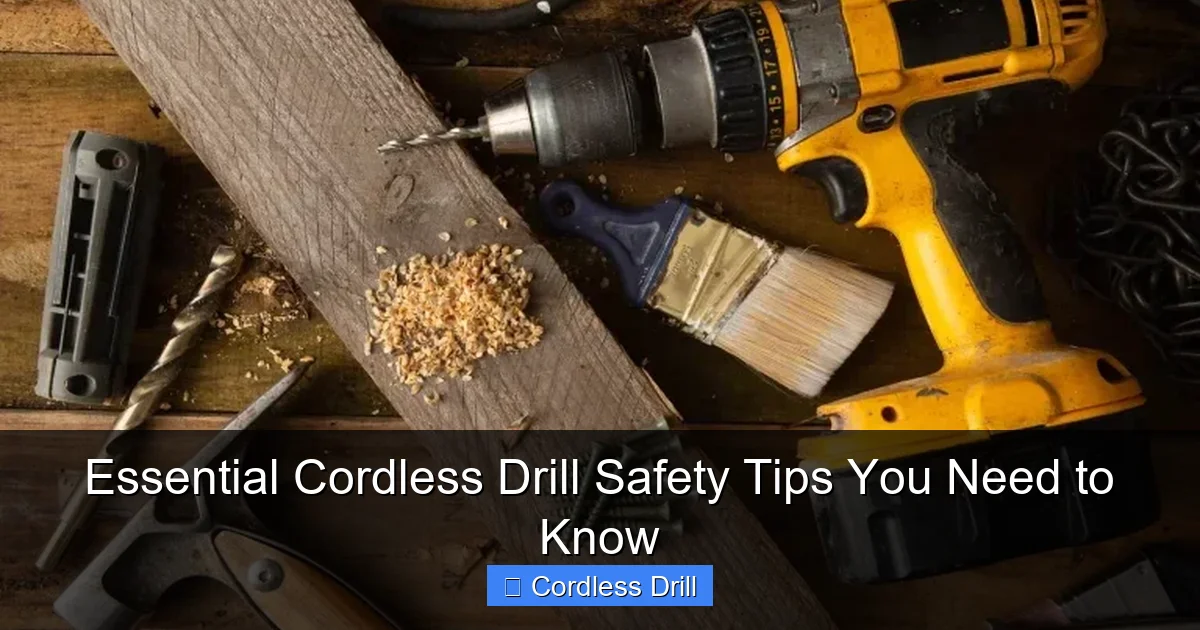
Never try to hold a small or awkward piece with one hand while drilling with the other. The torque from the drill can spin the material violently. Always use clamps or a vise to secure the workpiece firmly to your bench.
Maintain a Stable Stance
Keep your feet shoulder-width apart for balance. Apply pressure straight into the drill, not at an angle. If you need to work at height, extreme caution is required. Never use a cordless drill while standing on the top rungs of a ladder. You must maintain three points of contact. For comprehensive advice on this, review our resources on essential safety tips for climbing ladders and securing ladders at the correct height for safety.
4. Safe Drilling and Driving Techniques
Now you’re ready to drill. Here’s how to do it safely.
Visual guide about Essential Cordless Drill Safety Tips You Need to Know
Image source: toptiertool.com
Finger Off the Trigger
Keep your finger away from the trigger when carrying the drill or changing bits. Only place your finger on the trigger when you are aimed at your work and ready to begin.
Start Slow and Straight
Begin at a low speed to establish the hole and prevent the bit from “walking” across the surface. Use a center punch for metal to create a starter dimple. Ensure the drill is perpendicular (or at the correct angle) to the workpiece before applying full pressure.
Let the Tool Do the Work
Apply steady, firm pressure, but don’t force it. Forcing causes overheating, bit breakage, and loss of control. If the drill binds or stalls, release the trigger immediately.
Be Aware of “Kickback”
Kickback is the sudden, jerking reaction of the drill if the bit binds in the material. To prevent it: use sharp bits, secure your workpiece, and maintain a firm grip with both hands. If you feel the drill bind, let go of the trigger.
Know Your Drill’s Settings
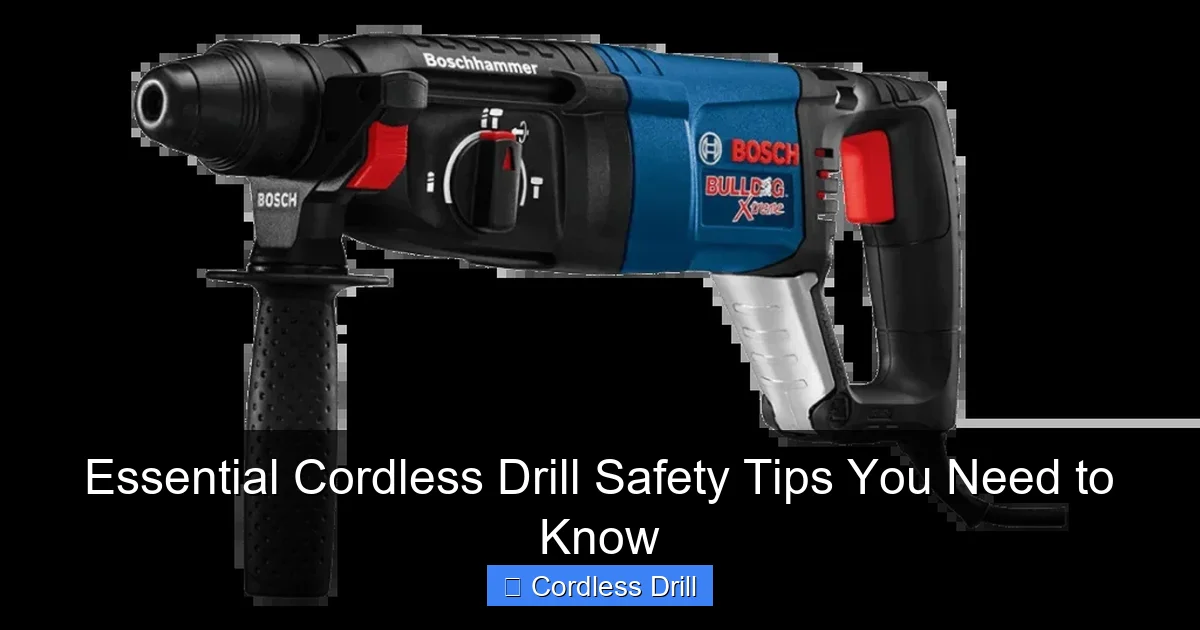
Understand the difference between a drill, an impact driver, and a hammer drill. Using the wrong mode can damage your material or tool. If you’re unsure about which tool is right for your job, our article on the difference between impact driver and hammer drill can help clarify.
5. The Hidden Dangers: What’s Behind the Wall?
This is one of the most critical cordless drill safety tips. Always assume there is wiring or plumbing behind any wall, ceiling, or floor.
- Use a Stud and Wire Detector: Invest in a quality electronic detector to locate studs, live electrical wires, and metal pipes.
- Know Your Home’s Layout: Be aware of where your electrical outlets, switches, and plumbing runs are likely to be.
- Drill to the Appropriate Depth: Use a depth stop collar on your bit to prevent drilling deeper than necessary, especially when just hanging a picture or running a screw into a stud.
6. Battery and Charging Safety
Lithium-ion batteries are safe when treated correctly but can be hazardous if abused.
- Use the Correct Charger: Only use the charger provided by the drill manufacturer or a certified compatible model.
- Charge in a Safe Location: Charge batteries on a non-flammable surface in a dry, cool area away from sunlight and away from any flammable materials.
- Store Properly: Store batteries away from metal objects like keys or nails that could short-circuit the terminals. Store them partially charged if not using for a long time.
- Dispose of Damaged Batteries: Do not throw swollen, leaking, or damaged batteries in the trash. Take them to a designated battery recycling center.
7. Troubleshooting Common Safety Issues
What to do when things don’t go as planned.
- Drill Overheating: Stop immediately. Let the drill and battery cool down. You were likely forcing the drill or using a dull bit.
- Bit Gets Stuck: Release the trigger. Put the drill in reverse (if possible) and gently try to back it out. You may need to use pliers on the shank (with the battery removed) if it’s severely stuck.
- Smoke or Strange Smell: This is a serious warning. Remove the battery immediately in a safe area and do not use the drill or battery again until inspected by a professional.
- Loss of Power Mid-Job: Your battery may be depleted. Swap it for a fresh one. If the problem persists with a charged battery, there may be an internal tool fault.
8. Post-Operation: Clean-Up and Storage
A clean tool is a safe, long-lasting tool.
- Remove the Battery: Always take the battery out of the drill before storing it. This prevents accidental starting and is better for the battery’s health.
- Clean the Drill: Use a dry cloth or a soft brush to remove dust and debris from the air vents, chuck, and body. Never use water or solvents.
- Store in a Dry, Secure Place: Keep your drill and batteries in a locked case or on a high shelf, out of reach of children and in a climate-controlled environment.
Conclusion
Mastering these cordless drill safety tips transforms you from a cautious beginner into a confident, capable user. Safety isn’t a single step; it’s a mindset that encompasses preparation, the right gear, proper technique, and respectful maintenance of your tools. By making these practices second nature, you protect yourself, your workspace, and your investment. Your cordless drill is a powerful ally for countless projects—treat it with respect, and it will help you build amazing things safely for years to come. For more information on choosing the right tool for your needs, explore our recommendations for the best cordless drill options available.
🎥 Related Video: Cordless Drill Safety: 4 Must-Know Tips for Woodworking DIY
📺 Sawdust and Chrome
Want to know how to use your Cordless Drill safely? I’ll show you my top 4 safety tips to keep you out of harm’s way. We don’t want …