
SAE wrenches use inches for measurement, while metric wrenches use millimeters. Both types are essential for different bolt sizes.
SAE (Society of Automotive Engineers) and metric wrenches are tools used to tighten or loosen bolts and nuts. SAE wrenches are primarily used in the United States and are measured in inches. Metric wrenches, on the other hand, are used worldwide and are measured in millimeters.
Understanding the difference between these two types of wrenches is crucial for anyone working on vehicles or machinery, as using the wrong type can damage the bolt or nut.
Having both SAE and metric wrenches in your toolkit ensures you are prepared for any job.

Credit: handtoolessentials.com
Sae Wrenches
SAE wrenches are a staple in many American toolboxes. They are designed to work with standard fasteners. SAE stands for Society of Automotive Engineers. These wrenches are essential for many automotive and mechanical tasks.
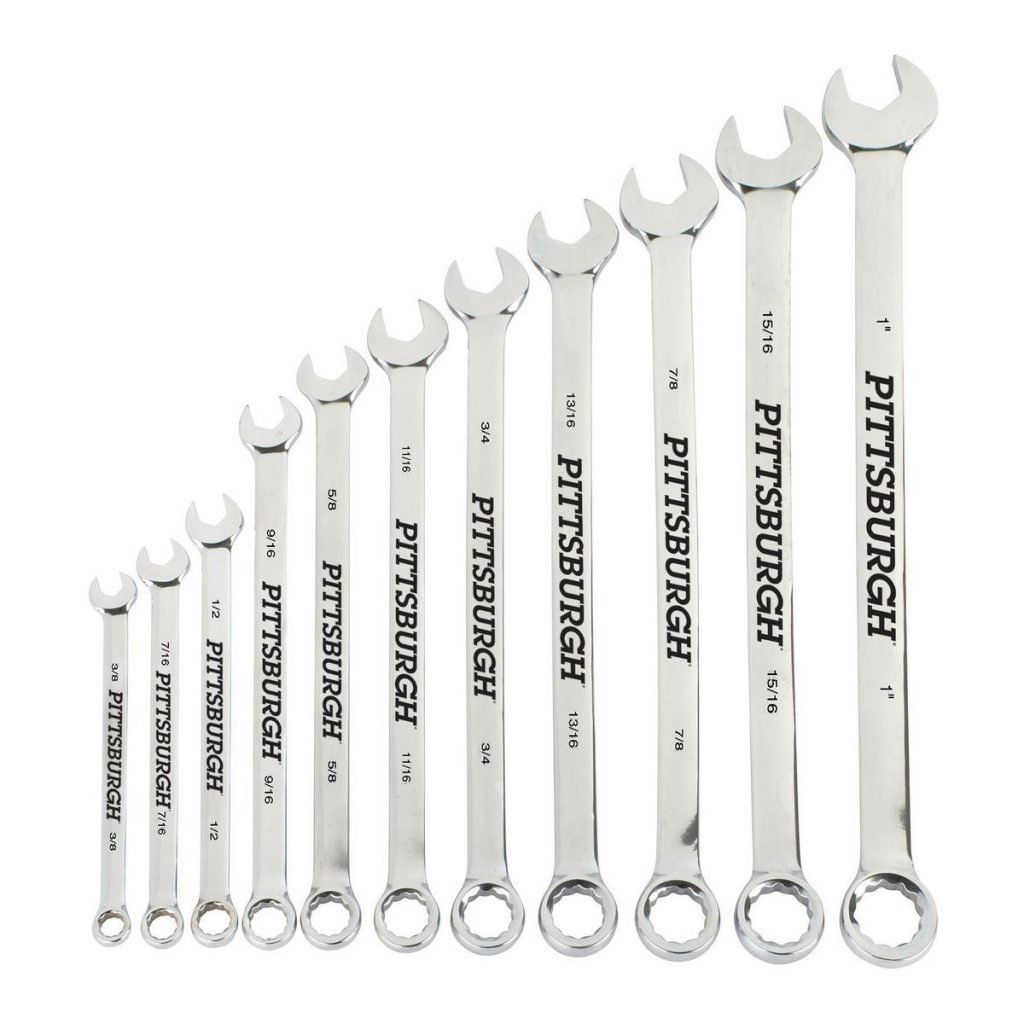
Credit: www.amazon.com
Definition And Uses
SAE wrenches use fractions of an inch for measurement. They are common in the U.S. automotive industry. These wrenches fit nuts and bolts with imperial sizes. For example, 1/2-inch or 3/4-inch sizes.
They are ideal for working on American-made vehicles. They are also used in older machinery and equipment. These wrenches ensure a snug fit for standard fasteners.
Common Sizes
SAE wrenches come in various sizes. Some of the most common sizes include:
- 1/4 inch
- 3/8 inch
- 1/2 inch
- 9/16 inch
- 3/4 inch
These sizes cover most basic automotive and mechanical needs. They are crucial for any standard toolbox.
Advantages
SAE wrenches offer several benefits. First, they are perfect for American vehicles. They fit standard fasteners precisely. This reduces the risk of rounding off bolts.
Second, SAE wrenches are easy to find in the U.S. Most hardware stores carry them. They are also available in various quality levels.
Third, SAE wrenches are durable. They are often made from high-quality steel. This makes them long-lasting and reliable.
Finally, these wrenches are simple to use. Their fractional sizes are straightforward. Even beginners can use them effectively.
Metric Wrenches
Metric wrenches are essential tools in various industries. They are commonly used in automotive, machinery, and home repair tasks. These wrenches are designed to work with metric-sized bolts and nuts.

Credit: www.amazon.com
Definition And Uses
Metric wrenches are tools that fit metric-sized fasteners. They are measured in millimeters. These tools are used in many countries worldwide. They are vital for precision work in cars, bikes, and other machinery.
Metric wrenches come in various types. These include open-end wrenches, box wrenches, and combination wrenches. Each type serves a specific purpose. Open-end wrenches have two U-shaped ends of different sizes. Box wrenches have closed loops at both ends. Combination wrenches have an open end and a box end.
Common Sizes
Metric wrenches are available in various sizes. The most common sizes range from 6mm to 32mm. Here is a table of common metric wrench sizes:
| Wrench Size (mm) | Common Uses |
|---|---|
| 6mm | Small appliances, electronics |
| 8mm | Bicycles, light fixtures |
| 10mm | Automotive, motorcycles |
| 12mm | Automotive, machinery |
| 14mm | Heavy machinery, industrial equipment |
| 17mm | Automotive, plumbing |
| 19mm | Automotive, large equipment |
Advantages
Using metric wrenches has several advantages:
- They provide a precise fit for metric fasteners.
- They are widely used in international products.
- They are essential for modern vehicles and machinery.
Metric wrenches are easy to find in tool shops. They are available in sets or individual pieces. This makes them versatile and handy for various tasks.
Key Differences
Understanding the differences between SAE and metric wrenches is crucial. These differences affect their usability and compatibility in various scenarios. Let’s delve into the key differences between these two types of wrenches.
Measurement Systems
SAE wrenches use the Imperial system, which measures in inches. This system is common in the United States. On the other hand, metric wrenches use the Metric system, which measures in millimeters. This system is used worldwide.
Application Scenarios
SAE wrenches are often used in American-made vehicles and machinery. They fit bolts and nuts measured in inches. Metric wrenches are used in most other countries. They fit bolts and nuts measured in millimeters. They are common in European and Asian-made vehicles.
Compatibility
Using the right wrench is important for a secure fit. SAE wrenches do not fit metric bolts well. Metric wrenches do not fit SAE bolts well. Always match the wrench type to the bolt type.
| Aspect | SAE Wrench | Metric Wrench |
|---|---|---|
| Measurement System | Inches (Imperial) | Millimeters (Metric) |
| Common Use | American-made vehicles | European and Asian-made vehicles |
| Compatibility | SAE bolts | Metric bolts |
Choosing The Right Wrench
Selecting the correct wrench is crucial for any project. The choice between SAE and Metric wrenches depends on several factors. These include project requirements, tool availability, and user preference.
Project Requirements
Consider the specific needs of your project. SAE wrenches are measured in inches. They are suitable for American-made products. Metric wrenches are measured in millimeters. They are ideal for European and Asian products.
| Wrench Type | Measurement System | Common Use |
|---|---|---|
| SAE | Inches | American-made Products |
| Metric | Millimeters | European and Asian Products |
Tool Availability
Check what tools you already have. If your toolbox is full of SAE wrenches, stick with them. The same goes for Metric wrenches. Matching the tools you have saves time and money.
- SAE wrenches are often found in American households.
- Metric wrenches are common in European and Asian homes.
User Preference
Personal preference plays a big role. Some users find SAE measurements easier. Others prefer Metric. Choose what feels comfortable and familiar. This makes the task more enjoyable.
In summary, consider these factors:
- Project Requirements
- Tool Availability
- User Preference
Choosing wisely makes your work smoother and more efficient.
Conversion Tips
Understanding the difference between SAE and Metric wrenches is crucial for any DIY enthusiast or professional mechanic. SAE, which stands for Society of Automotive Engineers, uses inches as its unit of measurement. Metric wrenches, on the other hand, use millimeters. Knowing how to convert between these two systems can save you time and prevent frustration.
Conversion Charts
Conversion charts are handy tools for quick reference. They help you find the equivalent size in the other system. Here’s a simple chart to use:
| SAE (Inches) | Metric (Millimeters) |
|---|---|
| 1/4″ | 6 mm |
| 3/8″ | 10 mm |
| 1/2″ | 13 mm |
Print this chart and keep it in your toolbox. It will help you quickly convert wrench sizes.
Using Adapters
Adapters allow you to use SAE sockets with metric wrenches and vice versa. They are practical and affordable.
- Find the correct adapter size.
- Attach it to your wrench.
- Secure the socket onto the adapter.
Adapters can save you from buying a whole new set of tools. They are easy to use and widely available.
Avoiding Mistakes
Mistakes in conversion can lead to damaged tools or stripped bolts. Here are some tips to avoid common errors:
- Always double-check the conversion chart.
- Use quality adapters to ensure a good fit.
- Don’t force a wrench onto a bolt.
Taking these steps will help you avoid costly mistakes. Proper conversion ensures the longevity of your tools and the safety of your projects.

Credit: motorheadtools.com
Maintenance And Care
Proper maintenance and care of your wrenches ensure they last longer. Both SAE and Metric wrenches need regular cleaning, correct storage, and good longevity practices. This helps keep them in top shape for any task.
Cleaning Tips
Cleaning your wrenches is simple but crucial. After each use, wipe the wrenches with a clean cloth. If they are very dirty, wash them with mild soap and water. Dry them thoroughly to prevent rust.
- Use a wire brush to remove stubborn dirt or grease.
- Apply a light coat of oil to protect the metal.
- Inspect for any signs of wear or damage during cleaning.
Storage Solutions
Storing your wrenches properly prevents damage and keeps them organized. Consider using a wrench rack or a tool chest. These help keep your tools in one place.
- Use a wrench roll to keep them sorted by size.
- Label the storage area to find the right wrench quickly.
- Store in a dry place to avoid rust.
Longevity Practices
Following good longevity practices can extend the life of your wrenches. Avoid using them on nuts or bolts that are too tight. This can strain the wrench and cause damage.
- Use the right size wrench for the job.
- Avoid dropping your wrenches as it can cause dents or bends.
- Regularly inspect and replace any worn-out wrenches.
By following these simple steps, your SAE and Metric wrenches will serve you well for many years.
Frequently Asked Questions
- What Is The Difference Between Sae And Metric Wrench?
SAE wrenches use inches, while Metric wrenches use millimeters.
- Can You Use Sae Wrench On Metric Bolts?
No, SAE and Metric wrenches are not interchangeable.
- Why Are Sae Wrenches Still Used?
SAE wrenches are used for American-made vehicles and machinery.
- Which Is More Common, Sae Or Metric Wrench?
Metric wrenches are more commonly used worldwide.
- How To Identify Sae And Metric Wrenches?
SAE wrenches have fractional sizes; Metric wrenches have millimeter sizes.
Conclusion
Choosing the right wrench type is crucial for effective work. SAE wrenches suit American-made vehicles, while metric wrenches fit international models.
Understanding these differences helps you select the appropriate tool. This ensures efficiency and prevents damage. Always have both types in your toolbox for versatility.
