

Ladders are essential tools in many fields, from construction to home maintenance. Whether you’re hanging a picture, cleaning gutters, or working on a construction site, knowing the correct ladder safety practices can prevent accidents. One of the most critical aspects of ladder safety is how to climb up and down the ladder. Improper ladder use can lead to serious injuries or even fatalities. This guide will walk you through the best practices and safety tips for climbing up and down a ladder, ensuring you stay safe every time you use one.
The Importance of Ladder Safety
Before we dive into the specific tips for climbing up and down a ladder, let’s quickly review why ladder safety is so important. According to the Occupational Safety and Health Administration (OSHA), falls are one of the leading causes of workplace injuries and fatalities, and a significant number of these falls occur while workers are using ladders. These accidents can happen to anyone, regardless of experience, and can lead to broken bones, sprains, concussions, or worse.
By understanding the right way to use a ladder, especially when climbing up and down, you greatly reduce your risk of injury. Proper technique, ladder maintenance, and adhering to safety standards are all essential elements of ladder safety.
Basic Ladder Safety: Before You Climb
Before you even think about climbing a ladder, you must first ensure that your ladder is safe to use. Here are some key steps to follow before starting your climb:
- Inspect the Ladder:
- Ensure the ladder is in good condition. Look for any cracks, splits, or missing rungs.
- If using a step ladder, check that the spreader bars are locked in place to keep the ladder open.
- Verify that the feet of the ladder are intact and not worn down.
- Choose the Right Ladder:
- Make sure the ladder is the right size for the task. It should reach at least 3 feet beyond the surface you are climbing to, such as a roof or platform.
- Select a ladder that can support your weight, including any tools or materials you plan to carry.
- Set the Ladder Up Correctly:
- Place the ladder on stable, level ground. Avoid using it on soft surfaces like dirt or grass that might shift.
- For extension ladders, ensure the base is one foot away from the wall for every four feet of ladder height (a 4:1 ratio).
- Wear the Right Footwear:
- Always wear sturdy, slip-resistant shoes when using a ladder. This ensures better traction and prevents slipping.
- Ensure No Obstacles:
- Clear the area around the ladder of any debris or obstructions that could cause tripping while climbing.
When Climbing Up or Down a Ladder: Best Practices
Now that you’ve ensured your ladder is safe, it’s time to focus on the process of climbing up and down. Here’s how you should approach the task for maximum safety.
1. Maintain Three Points of Contact
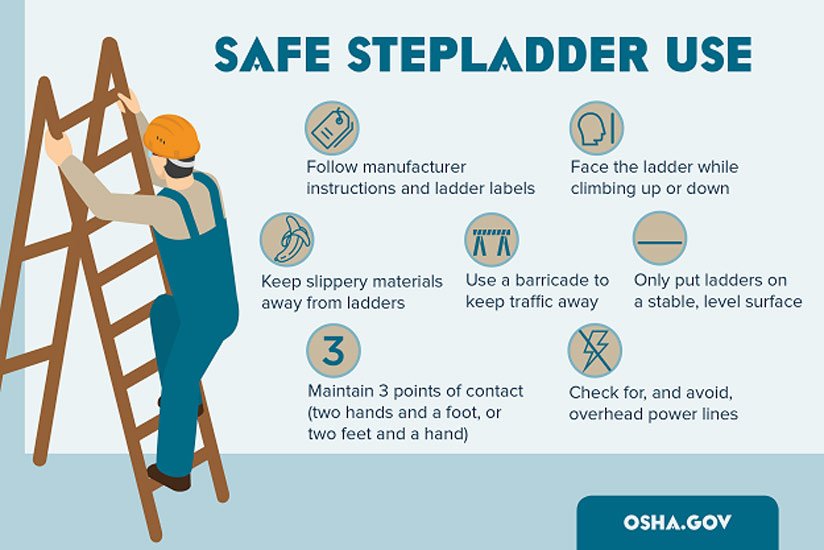
One of the most important rules of ladder safety is to maintain three points of contact at all times. This means that you should always have two hands and one foot or two feet and one hand in contact with the ladder while climbing. This creates a solid base of support and reduces your chances of losing balance.
For example, when climbing up, keep both hands on the ladder while stepping up. Similarly, when climbing down, maintain grip and balance by having both hands on the ladder as you descend.
2. Face the Ladder at All Times
Always face the ladder when climbing up or down. This is crucial for maintaining balance and control. Climbing while facing sideways or with your back to the ladder increases the risk of falling or losing grip. By facing the ladder, you can better manage your weight distribution and use both hands to steady yourself.
3. Keep Your Hands Free
When climbing, avoid carrying tools or other items in your hands. If you need to carry tools, use a tool belt or hoist them up after you’ve safely reached the desired height. Carrying items while climbing can hinder your balance and reduce your ability to maintain proper contact with the ladder.
4. Use Your Legs, Not Your Back
When climbing, use your legs to lift yourself rather than relying on your back. Your leg muscles are stronger and provide better stability, while using your back increases the risk of injury. Keep your body close to the ladder as you climb to maintain better balance and reduce strain on your muscles.
5. Climb Slowly and Steadily
Avoid rushing while climbing. Quick, jerky movements can throw off your balance and increase your risk of falling. Move slowly and deliberately, ensuring that each foot is securely placed on the rung before you move to the next one.
6. Never Overreach or Lean
When working on a ladder, it may be tempting to overreach or lean to the side to get a little extra reach. However, this can cause the ladder to become unstable and increase the likelihood of a fall. If you need to reach further, climb down and reposition the ladder.
7. Stay Centered on the Ladder
When climbing, make sure your body is centered on the ladder. Leaning too far to the left or right can cause the ladder to tip over, especially if it’s an extension ladder. Keeping your center of gravity aligned with the ladder ensures stability and balance.
8. Avoid Sudden Movements
As you ascend or descend a ladder, avoid sudden or rapid movements. Sudden shifts in weight can cause the ladder to become unstable. Move carefully and evenly, ensuring your balance is maintained at all times.
Additional Safety Tips for Ladder Use
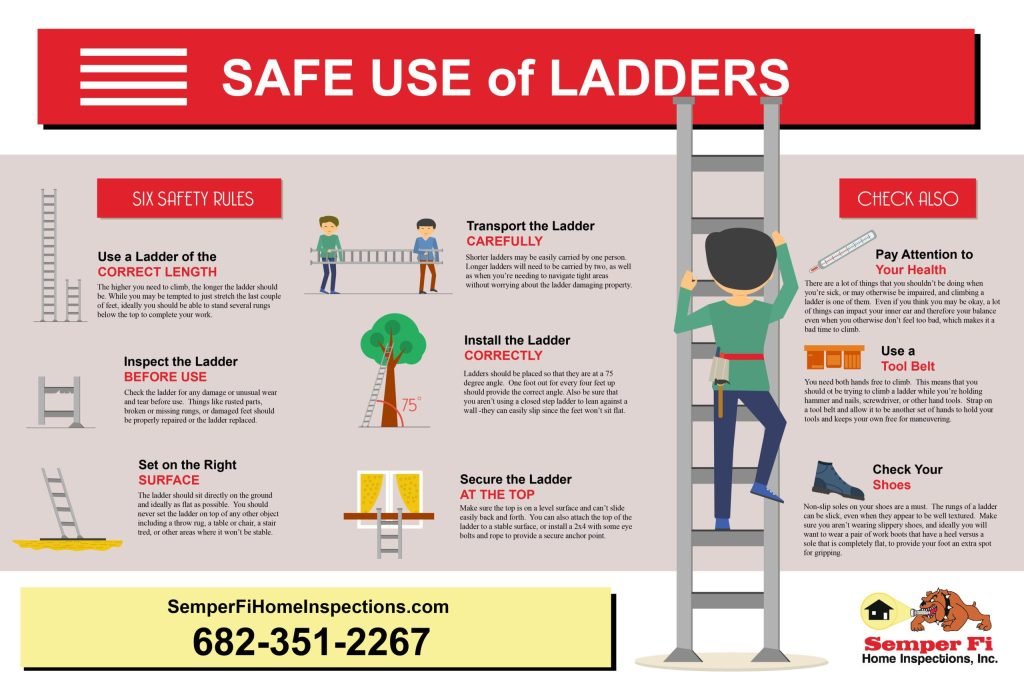
While the above tips cover the fundamentals of climbing up and down a ladder, there are a few additional safety measures to keep in mind:
- Never Stand on the Top Rung:
- On a step ladder, avoid standing on the top two rungs. On an extension ladder, do not stand on the top three rungs. These rungs are often not designed to support your full weight, and standing on them increases the risk of a fall.
- Have a Spotter:
- If possible, have someone spot you while you’re on the ladder. They can help stabilize the ladder if it begins to shift or help in an emergency situation.
- Check Weather Conditions:
- Avoid using a ladder in wet, windy, or icy conditions, as these can increase the risk of slipping. Make sure the weather is conducive to safe ladder use before you begin your climb.
- Follow Manufacturer’s Instructions:
- Always read the manufacturer’s instructions that come with the ladder. These guidelines are tailored to that specific model and provide vital information for safe use.
- Ensure the Ladder is Stable:
- When using an extension ladder, make sure it is locked in place before climbing. The ladder should not shift or slide as you climb.
- Use the Right Type of Ladder:
- Depending on your task, select the appropriate type of ladder. Extension ladders are great for reaching higher heights, while step ladders are more suitable for lower tasks. Ensure that the ladder’s weight capacity is adequate for your size and the tools you are carrying.
Conclusion: Prioritize Safety When Using a Ladder
Climbing a ladder may seem like a simple task, but it carries significant risks if not done properly. By following the essential safety tips outlined above—maintaining three points of contact, keeping your body centered, and using the ladder at a steady pace—you can significantly reduce the chances of falling or sustaining an injury.
Remember, ladder accidents are preventable when proper care and attention are taken. Before climbing, always ensure that your ladder is in good condition and positioned correctly. When climbing, prioritize balance, avoid reaching too far, and never rush. These steps will help you stay safe while climbing up or down, whether for work or home projects.
By incorporating these safety tips into your routine, you ensure that ladder use is a safe and effective way to reach new heights without putting yourself at risk.
RELATED POST
- Do You Get a Ladder in acnh
- Do You Unlock the Ladder in Animal Crossing
- When is Fall Protection Required on a Ladder
- When Is the Diablo 2 Ladder Reset
