
Fixed ladders should be used at an angle of 75 degrees. This angle ensures safety and stability for users.
But why exactly is this angle important? Ladders are common in many workplaces and homes. Using them correctly is crucial to prevent accidents. The angle of 75 degrees is recommended because it offers the best balance between ease of use and safety.
If the ladder is too steep, it can become unstable. If it’s too shallow, climbing becomes difficult. Understanding the correct angle is key to using fixed ladders safely. This knowledge can help reduce the risk of falls and injuries. Let’s dive deeper into why this specific angle is the best choice for fixed ladders.

Credit: www.reddit.com
Choosing The Right Ladder Angle
Choosing the right angle for fixed ladders is crucial for safety and stability. The correct angle ensures that the ladder remains steady and reduces the risk of accidents. A poorly angled ladder can lead to slips, falls, and serious injuries. This section will guide you on how to choose the optimal angle for your fixed ladder and highlight common mistakes to avoid.
Optimal Angle For Stability
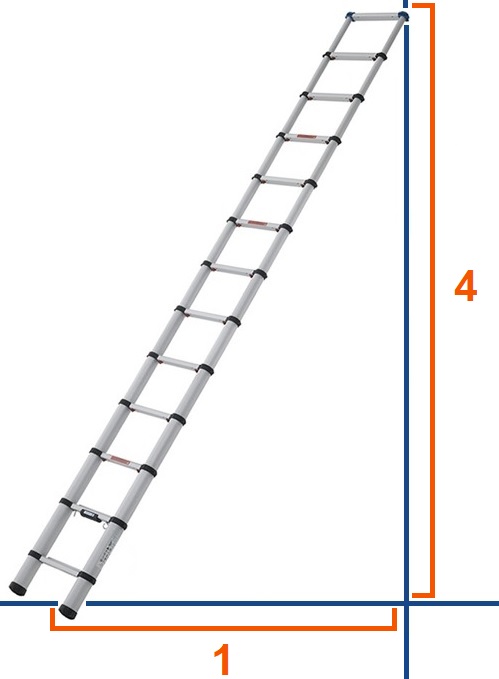
The optimal angle for a fixed ladder is 75 degrees. This angle provides the best balance between stability and ease of use. It prevents the ladder from tipping over and ensures that it stays firmly in place. To achieve this angle, follow the 4-to-1 rule: for every 4 feet of ladder height, the base should be 1 foot away from the wall.
For example, if your ladder is 12 feet tall, the base should be 3 feet away from the wall. This simple calculation helps you maintain the correct angle and ensures the ladder’s stability.
Common Mistakes To Avoid
Many people make mistakes when setting up their ladders. These errors can compromise safety. Here are some common mistakes to avoid:
- Incorrect Angle: Placing the ladder too steep or too shallow can cause instability.
- Uneven Ground: Always ensure the base is on a level surface.
- Inadequate Securing: Failing to secure the top or bottom of the ladder can lead to tipping.
- Overreaching: Never lean too far to the side when on the ladder.
| Height of Ladder (feet) | Distance from Wall (feet) |
|---|---|
| 8 | 2 |
| 12 | 3 |
| 16 | 4 |
By following these guidelines, you can ensure that your fixed ladder is set up correctly. This will reduce the risk of accidents and improve overall safety.
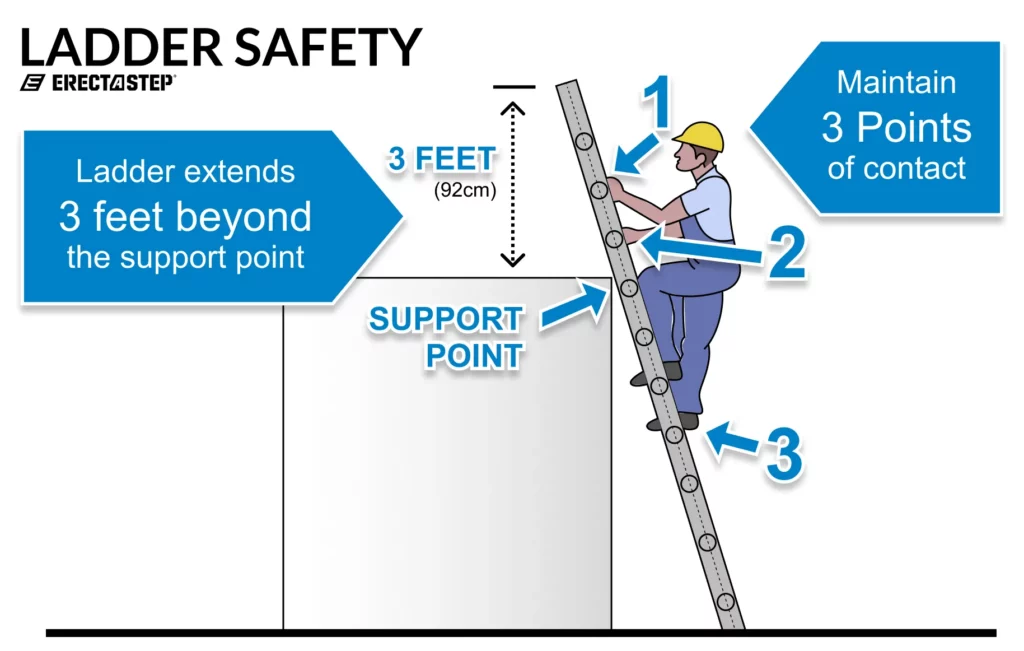
Credit: www.erectastep.com
Safety Precautions
Using fixed ladders at the correct angle is crucial for safety. Following safety precautions helps prevent accidents and injuries. This section covers key safety tips.
Proper Footwear
Wearing proper footwear is essential for ladder safety. Choose shoes with non-slip soles. Avoid shoes with heels or smooth soles. Ensure your footwear fits well and provides good grip.
Inspecting The Ladder
Always inspect the ladder before use. Check for any damage or wear. Look for loose or missing rungs. Ensure the ladder is stable and secure. A thorough inspection helps prevent accidents.
- Check the ladder’s condition
- Ensure all parts are intact
- Verify ladder stability
| Inspection Point | What to Look For |
|---|---|
| Rungs | No bends or cracks |
| Side Rails | No dents or damage |
| Feet | Non-slip and secure |
By following these safety precautions, you can ensure a safer working environment when using fixed ladders.
Installation Guidelines
Proper installation of fixed ladders ensures safety and functionality. These guidelines will help you achieve a secure and efficient setup. Follow the steps below for optimal results.
Securing The Ladder
Securing the ladder is crucial for stability. Use heavy-duty bolts to fasten the ladder firmly.
- Drill holes into the supporting structure.
- Insert heavy-duty bolts through the ladder mounts.
- Tighten the bolts with a wrench.
- Ensure the ladder does not wobble.
Install safety cages if the ladder exceeds 20 feet. This adds an extra layer of security.
Surface Requirements
The surface where the ladder stands must be stable and level. A solid foundation prevents accidents.
Check the following surface requirements:
| Surface Type | Requirements |
|---|---|
| Concrete | Ensure no cracks or loose areas. |
| Metal | Confirm no rust or corrosion. |
| Wood | Inspect for rot or weak spots. |
Use non-slip pads or coatings to enhance grip. This prevents slips and falls.
Follow these installation guidelines for a safe and reliable fixed ladder setup. Your safety depends on proper installation and maintenance.
Credit: www.laddersukdirect.co.uk
Using The Ladder Safely
Using fixed ladders safely is essential for preventing accidents. This section will provide important guidelines on how to ensure safe usage. By following these tips, you can minimize the risk of injury and ensure a secure work environment.
Maintaining Three Points Of Contact
Always maintain three points of contact while using a ladder. This means having either two hands and one foot, or two feet and one hand in contact with the ladder at all times. This practice helps in maintaining balance and stability.
- Keep your body centered on the ladder.
- Face the ladder while climbing up or down.
- Avoid carrying heavy tools in your hands.
Avoiding Overreach
Avoiding overreach is crucial to ladder safety. Overreaching can cause loss of balance and lead to falls. Follow these tips to avoid overreaching:
- Keep your belt buckle within the sides of the ladder.
- If you need to reach something, move the ladder closer.
- Use a tool belt or holster to carry tools.
Emergency Preparedness
Being prepared for emergencies is crucial when using fixed ladders. Ensuring safety involves more than just the proper angle of the ladder. It requires having the right tools and information available.
First Aid Kit Availability
A well-stocked first aid kit should always be accessible. It’s essential for handling minor injuries. Your first aid kit should include:
- Bandages
- Antiseptic wipes
- Gauze pads
- Adhesive tape
- Scissors
- Gloves
Place the first aid kit near the ladder. Make sure everyone knows its location. Regularly check the kit to ensure supplies are not expired.
Emergency Contact Information
Having emergency contact information readily available is crucial. Display this information near the fixed ladder. The emergency contact list should include:
- Local emergency services number
- Workplace safety officer’s contact
- Nearest hospital or clinic
- Family or next of kin
Update this list regularly. Ensure everyone knows who to call in case of an emergency.
| Item | Details |
|---|---|
| First Aid Kit | Bandages, antiseptic wipes, gauze pads, adhesive tape, scissors, gloves |
| Emergency Contacts | Local emergency number, safety officer, nearest hospital, family contact |
Preparedness can prevent minor issues from becoming major problems. Always be ready for any situation.
Frequently Asked Questions
What Is The Ideal Angle For Fixed Ladders?
Fixed ladders should be set at a 75-degree angle for safety and stability.
Why Is A 75-degree Angle Important?
A 75-degree angle ensures the ladder is secure and reduces the risk of falling.
How Do You Measure The Angle Of A Fixed Ladder?
Use a protractor or angle finder to ensure the ladder is at a 75-degree angle.
Can A Fixed Ladder Be At A Different Angle?
No, a 75-degree angle is recommended for optimal safety and effectiveness.
What Happens If The Ladder Angle Is Too Steep?
A steeper angle increases the risk of slipping and falling, making it unsafe.
Are There Regulations For Fixed Ladder Angles?
Yes, OSHA recommends a 75-degree angle for fixed ladders to ensure safety.
Conclusion
Choosing the correct angle for fixed ladders is crucial for safety. Always aim for a 75-degree angle. This ensures stability and ease of use. Incorrect angles can lead to accidents. Regularly inspect and maintain your ladders. Proper usage prevents injuries and costly repairs.
Safety should always be a priority. Follow guidelines and keep your workspace safe. Remember, a small adjustment can make a big difference. Stay informed and stay safe.
