
Fixed ladders are essential for safe vertical access. But, when should you use them?
Fixed ladders are designed for specific height ranges and situations. Understanding when to use them ensures safety and compliance. These ladders are commonly installed on buildings, towers, and storage tanks. They provide stable access for maintenance and inspection. The decision to use a fixed ladder depends on height, frequency of use, and safety regulations.
Proper usage can prevent accidents and ensure efficient access. In this guide, we’ll explore the ideal range for fixed ladders. We’ll also discuss the benefits and safety tips for using them. Ready to learn more? Let’s dive in!
Introduction To Fixed Ladders
Fixed ladders are a crucial tool in various industries. They provide safe access to elevated areas. Understanding their uses is essential for safety and efficiency.
Definition And Purpose
Fixed ladders are permanent structures. They are attached to buildings or equipment. These ladders are designed for regular use. They help workers reach high places safely.
The main purpose of fixed ladders is to provide stable access. They are built to handle frequent use. This makes them reliable in many situations.
Common Uses
Fixed ladders are used in many industries. Here are some common applications:
- Industrial Plants: Access to machinery and equipment.
- Construction Sites: Reach different levels of a building.
- Warehouses: Access to high shelves and storage areas.
- Telecommunications: Climb towers and poles.
- Utilities: Access to tanks and silos.
Each use requires a strong, stable ladder. This ensures safety for all workers.
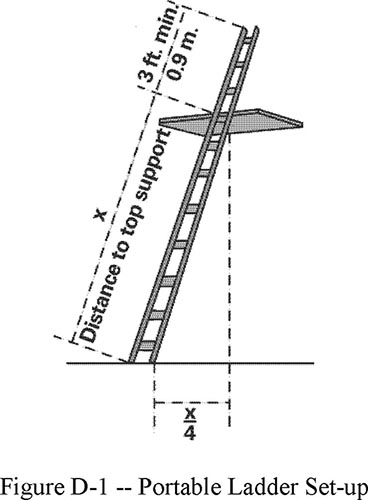
Credit: www.osha.gov
Safety Standards
Safety standards are crucial for ensuring that fixed ladders are used correctly. Compliance with these standards helps prevent accidents and injuries. Let’s explore the key safety standards for fixed ladders.
Osha Requirements
The Occupational Safety and Health Administration (OSHA) sets strict guidelines for fixed ladders. Employers must follow these rules to ensure worker safety.
- Fixed ladders must be capable of supporting at least four times the maximum intended load.
- Ladders over 24 feet must have a cage, well, or personal fall arrest system.
- The rungs of the ladder must be spaced between 10 and 14 inches apart.
OSHA also requires regular inspections. This ensures the ladders remain in safe, working condition.
Industry Best Practices
Apart from OSHA regulations, industry best practices enhance ladder safety. These practices often go beyond basic requirements.
- Material Selection: Choose ladders made from durable materials like aluminum or fiberglass.
- Regular Maintenance: Schedule routine checks and maintenance. Address any wear and tear promptly.
- Training: Provide comprehensive training for all employees using fixed ladders.
Adhering to these best practices minimizes the risk of accidents. It also ensures a safer working environment for everyone.
Proper Installation
Proper installation of fixed ladders ensures safety and longevity. Incorrectly installed ladders can lead to accidents and damage. This section covers key aspects of proper installation, focusing on mounting techniques and structural considerations.
Mounting Techniques
Mounting techniques for fixed ladders are crucial. Following these steps ensures a secure installation:
- Anchoring: Use heavy-duty anchors that match the ladder material.
- Spacing: Ensure the distance between anchors is consistent.
- Alignment: Align the ladder vertically with the structure.
- Fastening: Use corrosion-resistant bolts and nuts.
Proper mounting prevents the ladder from loosening or wobbling over time. Always double-check your work to ensure everything is tight and secure.
Structural Considerations
Understanding the structure where the ladder will be installed is vital. Key points to consider include:
- Material Compatibility: Match the ladder material with the structure material.
- Load Capacity: Ensure the structure can support the ladder’s weight and maximum load.
- Clearance: Maintain sufficient clearance around the ladder for safe use.
- Environmental Factors: Consider exposure to elements like wind, rain, and temperature.
Addressing these factors ensures the ladder remains secure and functional over time. Proper planning and assessment of the installation site are essential.
| Installation Aspect | Key Points |
|---|---|
| Mounting Techniques | Anchoring, Spacing, Alignment, Fastening |
| Structural Considerations | Material Compatibility, Load Capacity, Clearance, Environmental Factors |
Following these guidelines ensures the fixed ladder is safe and durable. Proper installation is a critical step in ensuring user safety.
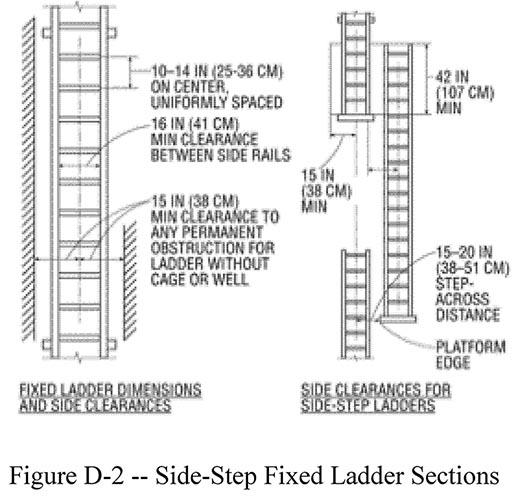
Credit: www.osha.gov
Usage Guidelines
Using fixed ladders safely requires understanding specific guidelines. These guidelines ensure safe and efficient use. Follow these to prevent accidents and injuries.
Weight Limits
Fixed ladders have weight limits. Exceeding these limits can be dangerous. Always check the ladder’s weight capacity before use.
- Typical weight limit: 300 pounds
- Includes user and tools
- Check manufacturer specifications for exact limits
Never overload a fixed ladder. Doing so can cause structural failure.
Angle And Position
The angle and position of a fixed ladder are crucial for safety. A fixed ladder should have a proper angle for stability.
Follow these angle guidelines:
| Angle | Position |
|---|---|
| 75 degrees | Vertical |
| 90 degrees | Perpendicular to the ground |
Ensure the ladder is firmly secured. It should not wobble or move. Check the installation site. It should be level and clear of debris.
Use safety cages or guardrails if the ladder is over 20 feet. These features provide additional protection.
Maintenance And Inspections
Proper maintenance and inspections of fixed ladders are crucial. They ensure safety and longevity. Regular checks help identify issues early. This prevents accidents and costly repairs.
Routine Checks
Conducting routine checks on fixed ladders is essential. Here are some key points to consider:
- Inspect the ladder for any visible damage.
- Check for loose or missing rungs.
- Ensure all bolts and screws are tight.
- Look for signs of rust or corrosion.
- Verify the ladder is securely anchored.
Establish a regular inspection schedule. Weekly or monthly checks are recommended. Document all inspections and findings. This helps track the ladder’s condition over time.
Repair Procedures
Repair procedures are vital for keeping fixed ladders safe. Follow these steps for effective repairs:
- Identify the damaged area.
- Remove any loose or broken parts.
- Replace with new, durable materials.
- Tighten all bolts and screws.
- Reinspect the ladder after repairs.
Always use high-quality replacement parts. This ensures the ladder remains strong and safe. If the damage is extensive, consider professional help.
Regular maintenance and timely repairs extend the life of fixed ladders. They also ensure safety for all users. Prioritize these tasks to avoid accidents and costly fixes.
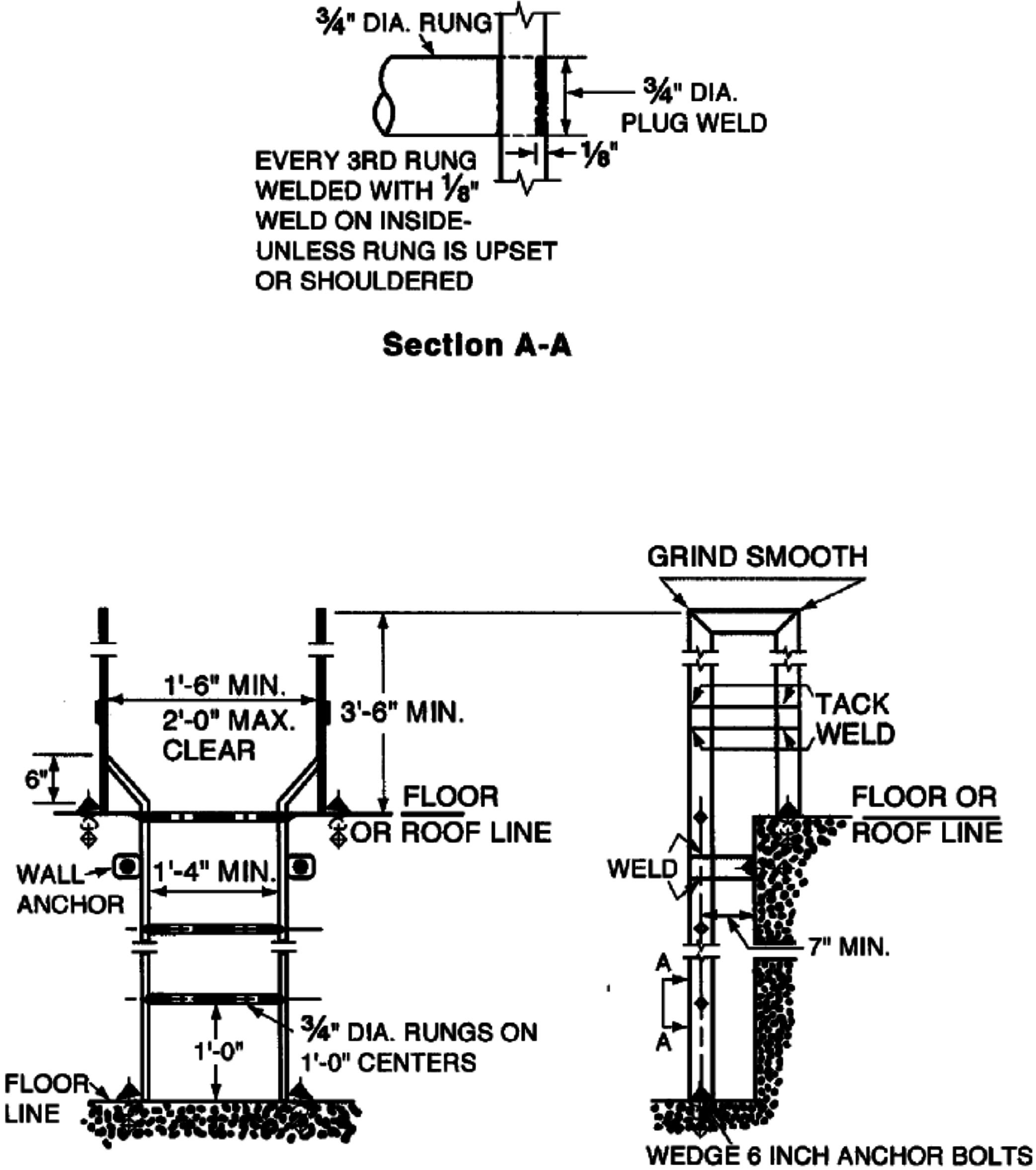
Credit: www.dir.ca.gov
Frequently Asked Questions
What Are Fixed Ladders Used For?
Fixed ladders are used for safe vertical access to roofs, platforms, and equipment.
At What Height Are Fixed Ladders Required?
Fixed ladders are required when access is needed at heights above 20 feet.
What Is The Maximum Height For A Fixed Ladder?
The maximum height for a fixed ladder without a rest platform is 30 feet.
Do Fixed Ladders Need Safety Cages?
Yes, safety cages are needed for fixed ladders over 20 feet to prevent falls.
Are Fixed Ladders Safe?
Yes, fixed ladders are safe when installed correctly and used with proper safety measures.
What Materials Are Fixed Ladders Made Of?
Fixed ladders are usually made of aluminum, steel, or fiberglass for durability and strength.
Conclusion
Fixed ladders are essential for safe vertical access in many settings. Choose the right ladder range for your specific needs. Safety and compliance are crucial. Proper ladder use prevents accidents and injuries. Always inspect and maintain ladders regularly. Follow guidelines and safety protocols strictly.
Ensure your team understands ladder safety. This keeps everyone safe and productive. Investing in the correct ladder range pays off in the long run. Stay safe and choose wisely.
