Discover the most common hammer drill mistakes that damage materials and waste your valuable time. This comprehensive guide reveals expert techniques to avoid costly errors and achieve professional drilling results. Learn proper speed settings, pressure control, and bit selection to make every project flawless.
Key Takeaways
- Wrong speed settings destroy bits and materials quickly. Match RPM to material hardness for clean holes.
- Excessive pressure causes bit breakage and surface damage. Let the tool do the work with gentle force.
- Ignoring depth stops leads to over-drilling and structural damage. Always set your depth gauge precisely.
- Using incorrect bits creates poor-quality holes and dangerous kickback. Choose masonry bits for concrete, wood bits for timber.
- Skipping pilot holes causes cracks and splits in brittle materials. Start small, then enlarge for perfect results.
- Neglecting safety gear risks serious injury from flying debris. Always wear eye protection and dust masks.
- Poor maintenance reduces tool life and performance. Clean bits after use and check carbon brushes monthly.
Introduction: Why Hammer Drill Mistakes Cost You Time and Money
Hammer drills are powerful tools that make tough jobs easy. But one wrong move can turn your project into a disaster. Stripped holes, cracked concrete, broken bits, and wasted materials cost you money and frustration. This guide covers every common mistake and shows you exactly how to avoid them. You will learn the right techniques for perfect results every single time. Let’s save your projects from ruin.
Mistake #1: Using the Wrong Speed Settings
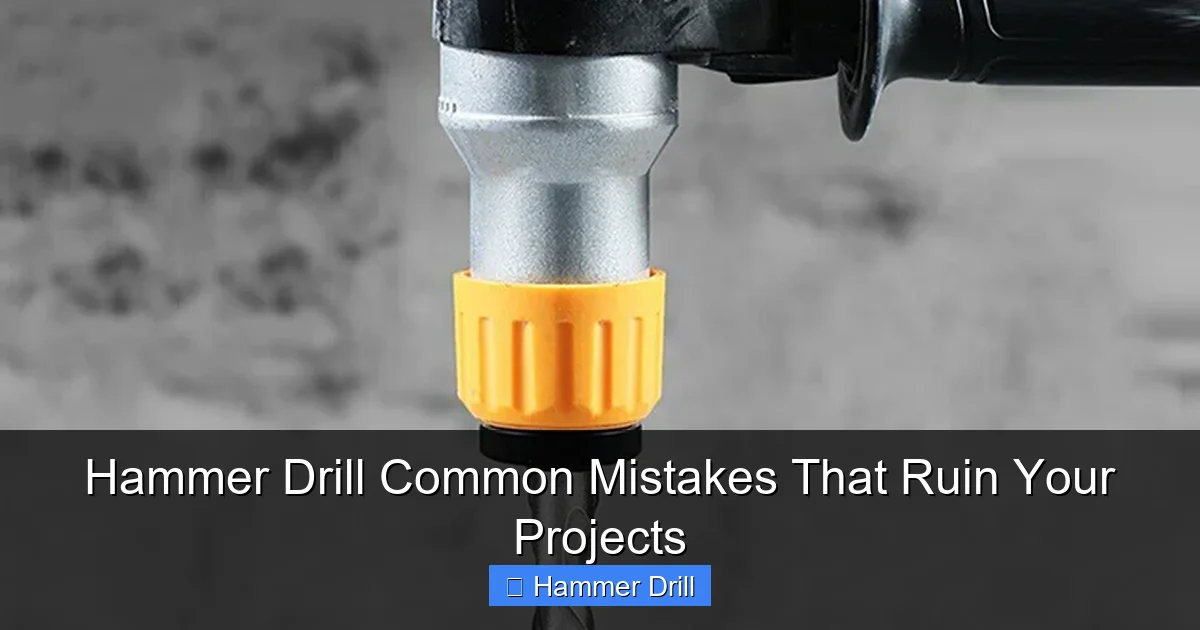
Speed kills—your bits and your results. Most beginners crank the speed to maximum without thinking. This is the fastest way to destroy bits and damage materials.
Visual guide about Hammer Drill Common Mistakes That Ruin Your Projects
Image source: coinchtools.com
Understanding Your Drill’s Speed Control
Hammer drills have variable speed triggers and mode selectors. The trigger controls RPM. The mode switch selects hammer action. Using high speed on hard materials melts bits. Low speed on soft materials creates messy, ragged holes. You must match speed to material hardness.
Speed Guidelines for Common Materials
- Concrete and brick: 150-300 RPM. Slow and steady wins the race.
- Stone and tile: 100-200 RPM. Extra slow prevents cracking.
- Metal: 300-500 RPM. No hammer mode, just drill mode.
- Wood: 500-1000 RPM. Hammer mode off for clean holes.
Start slow. Listen to the tool. Increase speed only when the bit bites properly. If you hear grinding or smell burning, drop the speed immediately.
Mistake #2: Applying Too Much Pressure
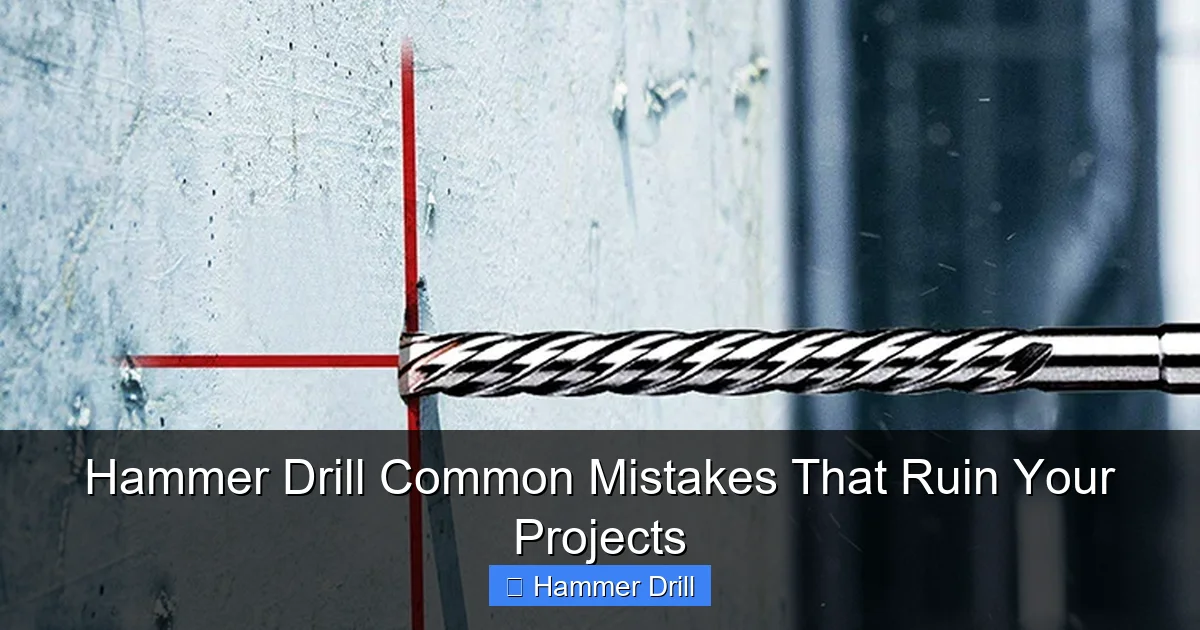
More pressure seems logical. It is not. Pushing hard seems like you are working harder. In reality, you are working against the tool’s design.
Visual guide about Hammer Drill Common Mistakes That Ruin Your Projects
Image source: coinchtools.com
Why Less Pressure Works Better
Hammer drills use a piston mechanism. This piston pounds the bit forward. Your job is to guide, not push. Excessive pressure does three bad things. First, it deflects the bit. Second, it overheats the motor. Third, it causes dangerous kickback. Apply just enough pressure to keep the bit engaged. Let the hammer mechanism do 80% of the work.
Proper Hand Position and Technique
Hold the drill with both hands. Keep your arms close to your body. Stand with feet shoulder-width apart. Apply steady, moderate pressure. If the drill bogs down, reduce pressure and check your speed. Never force it. For deep holes, pull the bit out every few seconds. This clears dust and prevents binding.
Mistake #3: Ignoring the Depth Stop
Drilling too deep ruins projects. You hit pipes, wires, or weaken structures. Depth stops are simple but often ignored.

Visual guide about Hammer Drill Common Mistakes That Ruin Your Projects
Image source: greenide.com
Setting Your Depth Stop Correctly
Most hammer drills have a rod or plate depth stop. Loosen the lock nut. Adjust the stop to your desired depth. Tighten firmly. Test on scrap material. Measure the hole depth with a tape. Adjust if needed. For overhead work, mark the bit with tape as a visual guide.
Why Depth Control Matters
Over-drilling wastes time and material. It creates weak anchor points. In concrete, you might hit rebar and damage your bit. In walls, you could drill into electrical boxes. Under-drilling means your anchor is too shallow. This creates a safety hazard. Always set your depth stop before starting.
Mistake #4: Using the Wrong Drill Bits
The right bit makes the job easy. The wrong bit makes it impossible. Using generic bits on concrete is a common and expensive mistake.
Bit Types and Their Uses
Masonry bits have carbide tips and special flutes. They are designed for hammer action. Wood bits have sharp points and deep flutes. They grab and cut. Metal bits have fine tips and spiral flutes. They slice through steel. Using a wood bit on concrete will break it instantly. Always match the bit to the material.
Signs You Are Using the Wrong Bit
- Excessive vibration and wobbling
- Bit smoking or glowing red
- Holes are oversized or ragged
- Drill makes grinding noises
- Bit tip chips or breaks
Check your bit before each job. If it looks worn or wrong, replace it. A fresh bit costs a few dollars. A ruined project costs much more.
Mistake #5: Skipping Pilot Holes
Pilot holes are tiny guides. They seem unnecessary but prevent disasters. Skipping them causes cracks, splits, and misaligned holes.
When You Must Use Pilot Holes
Use pilot holes for brittle materials like tile, thin concrete, or old brick. Also use them when drilling near edges. The pilot hole guides the larger bit and prevents wandering. For tiles, start with a 1/8″ carbide bit. Then step up to your final size. This prevents tile chipping.
How to Drill Effective Pilot Holes
Choose a bit 1/8″ smaller than your final hole. Drill to about 1/3 the depth you need. Use low speed and light pressure. Clean out the dust. Then switch to your final bit size. The pilot hole will guide the larger bit perfectly. This technique prevents cracks and ensures accuracy.
Mistake #6: Poor Safety Practices
Hammer drills create dust, noise, and flying debris. Skipping safety gear is asking for trouble. Eye injuries are common and permanent.
Essential Personal Protective Equipment
Always wear safety glasses with side shields. Use a dust mask or respirator for concrete work. Wear hearing protection—hammer drills are loud. Heavy-duty gloves protect your hands. Long sleeves and pants keep dust off your skin. For overhead work, wear a hard hat. Safety is not optional.
Workspace Safety Checklist
- Clear the area of tripping hazards
- Check for electrical wires and pipes
- Secure your workpiece with clamps
- Ensure good lighting
- Keep bystanders at least 10 feet away
- Have a fire extinguisher nearby for metal work
Never drill into walls without scanning for wires. Use a stud finder with AC detection. When in doubt, shut off the power.
Mistake #7: Neglecting Tool Maintenance
A poorly maintained drill performs poorly. It breaks down faster and costs you money. Regular maintenance is simple and takes minutes.
Daily and Weekly Maintenance Tasks
After each use, blow dust from the chuck and vents. Wipe the housing with a dry cloth. Check the power cord for damage. Inspect bits for wear. Weekly, check carbon brushes if your model has access panels. Monthly, lubricate the chuck with light oil. Store the drill in a dry place with the case closed.
Signs Your Drill Needs Service
- Unusual sparking from vents
- Reduced power or speed
- Grinding noises from gears
- Excessive vibration
- Trigger switch feels loose
Address these issues immediately. Small problems become expensive repairs. Regular maintenance extends tool life by years.
Troubleshooting Common Hammer Drill Problems
Even with perfect technique, problems happen. Here is how to fix the most common issues.
Problem: Bit Overheats and Smokes
Solution: Reduce speed and pressure immediately. Clear dust from the hole every 10 seconds. Check that you are using the correct bit. Dip the bit in water occasionally for deep holes. If overheating continues, your motor may be failing.
Problem: Hole Wobbles and Is Oversized
Solution: Your bit is likely bent or dull. Replace it. Also check that you are holding the drill square to the surface. Use a drill guide for precision work. Excessive speed can also cause wobble. Drop back to a slower RPM.
Problem: Hammer Mode Stops Working
Solution: Switch to drill mode and back. Check that the mode selector is fully engaged. If that fails, the clutch may be worn. This requires professional service. Do not force the tool. Continue using it in regular drill mode until serviced.
Problem: Excessive Noise and Vibration
Solution: Stop immediately. Check that the bit is properly seated in the chuck. Tighten the chuck fully. Inspect the bit for damage. If vibration continues, there may be internal gear problems. Have the tool inspected by a professional.
Advanced Tips for Professional Results
Master these techniques to take your skills to the next level.
Marking Your Work Accurately
Use a center punch to create a small dimple at your drill point. This prevents the bit from wandering on smooth surfaces. For tiles, place masking tape over the hole location. Mark on the tape. The tape also reduces chipping.
Drilling at the Correct Angle
Hold the drill perpendicular to the surface for most holes. For electrical boxes, drill straight in. For anchors, keep the bit level. Use a square to check your angle. A 5-degree angle error makes a huge difference in deep holes.
Cleaning Holes for Anchors
After drilling, blow out dust with compressed air. Use a small brush to clean the sides. For concrete, brush the hole with a wire brush attachment. Clean holes hold anchors 3x stronger than dirty holes.
Conclusion: Perfect Drilling Every Time
Avoiding these hammer drill common mistakes transforms your results. You will drill cleaner holes, save money on bits, and finish projects faster. Remember the key points: use the right speed, apply light pressure, set your depth stop, choose correct bits, drill pilot holes when needed, wear safety gear, and maintain your tool. Practice these techniques on scrap material before starting real projects. Your hammer drill is a precision instrument, not a sledgehammer. Treat it right, and it will serve you for years. Now go drill something perfect.
🎥 Related Video: Drill Settings Guide: How to Choose the Right Setting For Your Project
📺 Georgina Bisby DIY
Choosing the right drill setting is crucial for a successful drilling project. This video explains how to select the correct setting based …