
Hammer drills are powerhouse tools that can tackle tough materials like concrete, brick, and masonry. This guide shows you exactly how to use them for seven practical home improvement projects. From hanging heavy mirrors to building decks, you’ll learn professional techniques that save time and money.
Key Takeaways
- Safety comes first: Always wear eye protection and dust masks when operating a hammer drill.
- Choose wisely: Use a hammer drill for masonry and concrete, but switch to regular mode for wood and metal.
- Start slow: Practice on scrap material before tackling your main project.
- Project versatility: Hammer drills work perfectly for hanging shelves, installing tiles, and creating anchor points.
- Proper bits matter: Use carbide-tipped masonry bits for the best results on tough materials.
- Maintenance is key: Clean your drill regularly and store it properly to extend its lifespan.
- Technique counts: Apply steady pressure without forcing the tool to prevent bit breakage.
Introduction: Your Hammer Drill Is a Home Transformation Tool
You own a hammer drill. You might have used it once or twice. But are you using it to its full potential? A hammer drill is not just another power tool. It’s your secret weapon for serious home improvement projects. This guide will show you seven practical DIY projects that will completely transform your living space. You’ll learn exactly where to drill, how to drill safely, and what mistakes to avoid. By the end, you’ll have the confidence to tackle projects that once required professional help.
Before we dive into the projects, let’s clear up a common confusion. Many people wonder about the difference between a drill and a hammer drill. A regular drill spins. A hammer drill spins AND hammers. That hammering action is what makes it perfect for concrete and brick. For wood and metal, you simply turn the hammer function off. This versatility makes it one of the most valuable tools in your garage.
Essential Safety Tips Before You Start
Safety is not optional. It’s mandatory. A hammer drill is powerful. It can kick back. It creates dangerous dust. Protect yourself first.
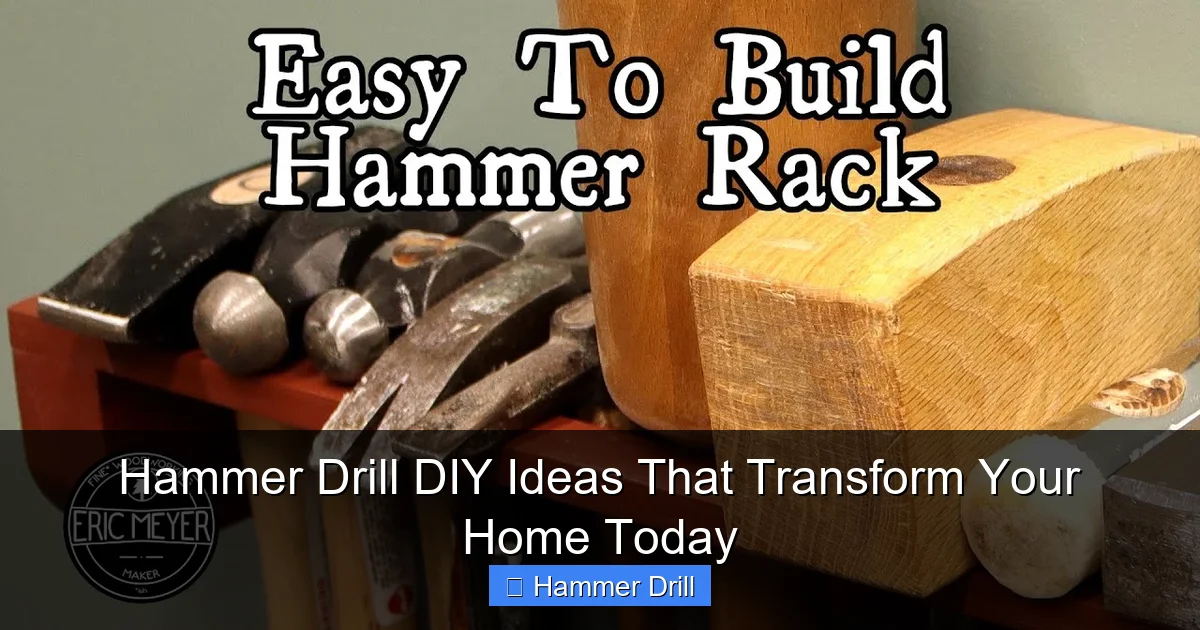
Visual guide about Hammer Drill DIY Ideas That Transform Your Home Today
Image source: i.ytimg.com
Protect Your Eyes and Lungs
Always wear safety glasses or goggles. Concrete dust is harmful. Wear a N95 respirator mask. The dust from masonry contains silica. Breathing it can cause serious health problems. Keep others away from your work area. Children and pets should be in another room.
Secure Your Workpiece
Never hold material by hand while drilling. Use clamps or a vise. This prevents slipping and injury. A spinning bit can grab material. This causes loss of control. Secure everything before you pull the trigger.
Check for Hidden Wires and Pipes
Use a stud finder with AC detection. This finds electrical wires behind walls. For plumbing, know where your pipes run. Drilling into a live wire is dangerous. Drilling into a water pipe causes expensive damage. When in doubt, shut off the power to that area.
Wear Proper Clothing
Wear close-fitting clothes. Loose sleeves can get caught. Remove jewelry and watches. Wear gloves for grip and protection. Use hearing protection if drilling for extended periods. The noise can damage your hearing over time.
Choosing the Right Hammer Drill for Your Project
Not all hammer drills are created equal. The right tool makes the job easier. The wrong tool causes frustration.
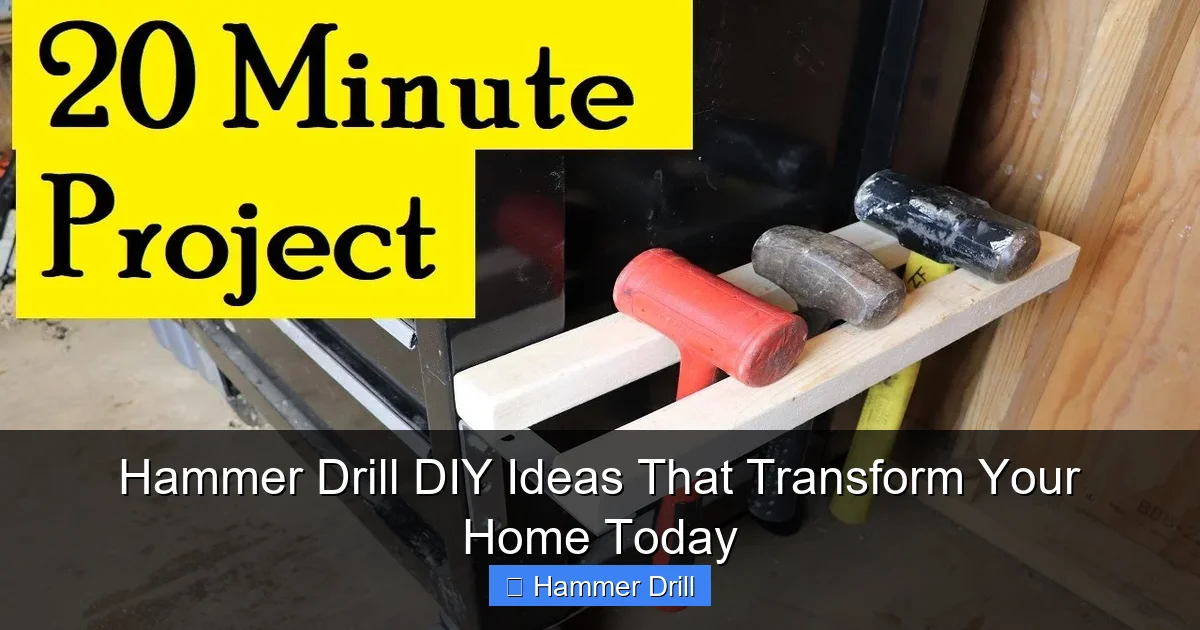
Visual guide about Hammer Drill DIY Ideas That Transform Your Home Today
Image source: i.ytimg.com
Understanding Hammer Drill Types
Corded hammer drills offer unlimited power. They’re perfect for long projects. You never worry about battery life. Cordless models give you freedom to move. Modern lithium-ion batteries last longer. Choose based on your project location. Are you near an outlet? Or working on a roof? A cordless drill might be better for outdoor work.
Key Features to Look For
Variable speed control is essential. Start slow to create a pilot hole. Then increase speed for the full hole. Look for a clutch setting. This prevents overdriving screws. A depth gauge helps you drill consistent holes. LED lights illuminate dark work areas. These features make your DIY projects more precise.
Hammer Drill vs. Impact Driver
Many people confuse these two tools. They serve different purposes. An impact driver is for driving screws. It excels at long screws into wood. A hammer drill is for drilling holes. Its hammering action breaks up masonry. For most DIY projects, you need both. But if you only have one, the hammer drill is more versatile. It can do everything a regular drill does. And it adds masonry capability. Learn more about the difference between impact driver and hammer drill to avoid confusion.
DIY Project 1: Hanging Heavy Pictures and Mirrors
This is the most common use for a hammer drill. You have a beautiful mirror. It weighs 30 pounds. You can’t just nail it into drywall. You need secure anchors. A hammer drill makes this easy.
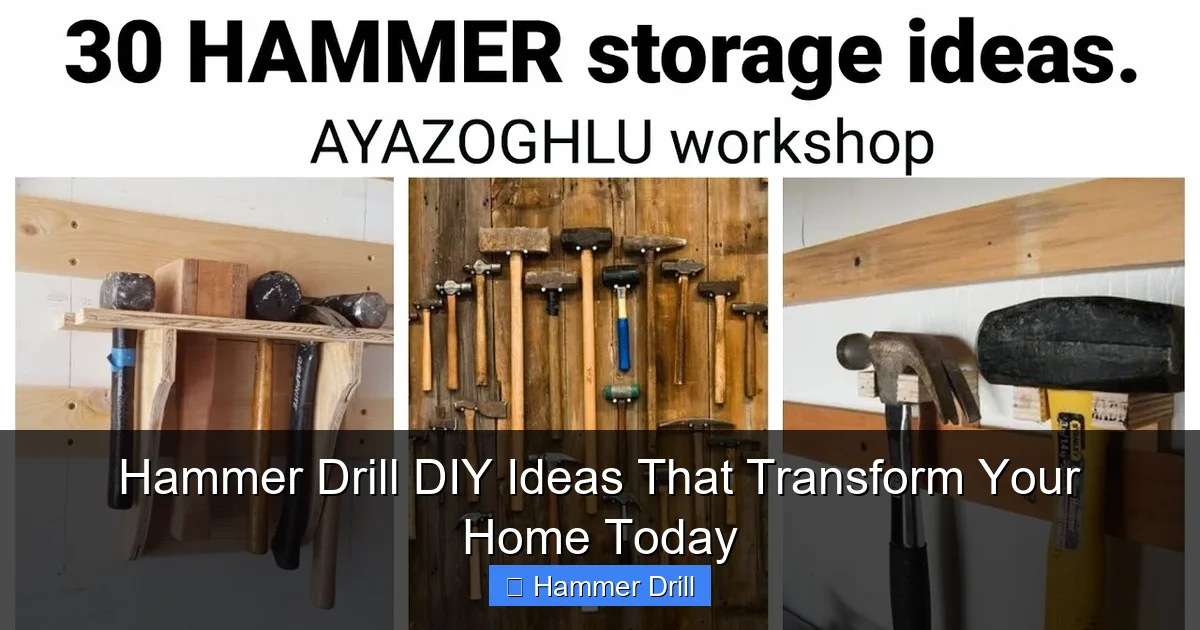
Visual guide about Hammer Drill DIY Ideas That Transform Your Home Today
Image source: i.ytimg.com
Step-by-Step Instructions
Step 1: Mark Your Spot
Hold the mirror against the wall. Use a pencil to mark the top center. Use a level to ensure it’s straight. Mark the mounting points where the anchors will go. Most mirrors have D-rings or wire on the back. Mark where these will attach to the wall.
Step 2: Choose the Right Bit
Select a masonry bit that matches your anchor size. If you’re using 1/4-inch anchors, use a 1/4-inch bit. The bit should be long enough to go through the wall. For drywall, 2 inches is usually sufficient. For plaster walls, go longer.
Step 3: Set Your Drill
Switch to hammer drill mode. This is usually a button or switch near the trigger. Set your speed to low for the start. Apply firm, steady pressure. Don’t force it. Let the tool do the work.
Step 4: Drill the Hole
Start at a slight angle to create a pilot hole. Then straighten out as you drill deeper. Drill to the depth of your anchor. Use the depth gauge if your drill has one. Pull the bit out periodically to clear dust.
Step 5: Insert the Anchor
Tap the anchor into the hole with a hammer. It should go in flush with the wall. If it’s loose, use a slightly larger anchor. For very heavy mirrors, use toggle bolts instead of standard anchors.
Step 6: Mount Your Mirror
Drive the screw into the anchor. Leave a small gap for the mirror’s mounting hardware. Hang your mirror. Use a level one final time to ensure it’s straight. Step back and admire your work.
Pro Tips for Success
Always drill at a 90-degree angle to the wall. This ensures maximum holding power. If you hit a stud, drill directly into the wood. No anchor is needed. Use a stud finder first to locate studs. For mirrors over 50 pounds, mount directly to studs.
DIY Project 2: Installing Shelves and Storage Systems
Floating shelves are trendy. They look modern and clean. But they require solid mounting. A hammer drill gives you that security.
Planning Your Shelf Layout
Decide where your shelves will go. Use a tape measure and level to mark lines. Determine stud locations. Shelves hold books, dishes, and decorative items. These get heavy. You must anchor into studs for the best support. For drywall areas between studs, use heavy-duty anchors.
Drilling for Shelf Brackets
Mark bracket locations with a pencil. Use a combination square for accuracy. Choose your drill bit based on the bracket screws. Most brackets use 3/16 or 1/4 inch screws. Drill pilot holes first. Then drill to full depth. Keep the drill level and steady.
Installing the Brackets
Insert plastic or metal anchors. Tap them gently with a hammer. Drive the screws through the bracket into the anchors. Check for level after each bracket. Adjust as needed. The weight will pull them down if not level.
Mounting the Shelves
Place the shelf on the brackets. Mark where the brackets meet the shelf bottom. Drill pilot holes from the bottom. This hides the screw heads. Drive screws up through the brackets into the shelf. Use wood glue on the bracket contact points for extra strength.
DIY Project 3: Building a Deck or Outdoor Structure
Decks need secure foundations. Concrete footings are standard. Attaching ledger boards to your house requires special flashing. But drilling into concrete for post bases is perfect for a hammer drill.
Drilling Concrete Footings
Mark your post locations. Use spray paint on the concrete. Choose a masonry bit sized for your anchor bolts. Usually 1/2 inch for deck posts. Start drilling at low speed. Apply firm pressure. The hammer action will break up the concrete. Drill to the depth of your bolt plus an inch.
Cleaning the Hole
This step is crucial. Use a shop vacuum to remove all dust. Compressed air works too. Any debris left in the hole reduces holding power. Blow out the hole. Then vacuum again. Wipe the hole with a dry cloth if possible.
Setting the Anchor Bolts
Place the post base over the hole. Insert the anchor bolt. Use a hammer to tap it in if needed. Tighten the nut with a wrench. Don’t overtighten. This can strip the anchor. Check the post for plumb and adjust before the concrete sets if using epoxy.
Safety Note for Outdoor Work
Wear a dust mask rated for concrete dust. The silica content is high. Use hearing protection. The noise carries outside. Keep a firm grip on the drill. Concrete can be uneven. The drill might kick unexpectedly.
DIY Project 4: Creating Anchor Points for Garage Organization
Garage walls are often concrete or cinder block. This makes them perfect for heavy-duty storage. Slatwall systems, pegboards, and tool racks all need secure mounting.
Installing Slatwall on Concrete
Slatwall panels are heavy. You must anchor into the concrete itself. Use a stud finder to locate wall studs if you have framed walls. For bare concrete, drill directly into the wall. Use 3/16 inch masonry bits for standard slatwall anchors. Space anchors every 16 inches vertically and horizontally.
Mounting Heavy Tool Racks
Freestanding racks are fine. But wall-mounted racks save floor space. For racks holding power tools or lawn equipment, use 1/4 inch anchors. Drill pilot holes first. Mark your anchor points on the wall. Use a level to keep the rack straight. Drill each hole to the same depth.
Creating a Workbench Anchor System
A wobbly workbench is frustrating. Anchor it to the floor. Use 3/8 inch masonry bits for floor anchors. Drill through the bench legs into the concrete floor. Insert sleeve anchors. Tighten the bolts. The bench won’t move when you work.
Tip for Organization
Group similar tools together. Heavy items low. Light items high. Leave space for expansion. Your needs change. Your storage should adapt. Use adjustable systems when possible.
DIY Project 5: Masonry Projects: Brick, Concrete, and Stone
This is where your hammer drill shines. Regular drills fail on masonry. Your hammer drill breezes through.
Drilling into Brick
Brick is softer than concrete. Use a lower hammer setting. Start at the center of the brick. Avoid the edges. Edges chip easily. Drill slowly at first. Let the bit find its grip. Increase speed gradually. Use a vacuum to clean dust as you work.
Working with Concrete Block
Cinder blocks have hollow cores. Drill into the solid sections. Use the web areas between cells. This provides maximum holding power. If you drill into a hollow section, use a longer anchor that expands behind the wall.
Stone and Natural Materials
Stone is unpredictable. It can crack or split. Use masking tape on the surface. This prevents chipping. Start at low speed. Apply light pressure. Let the bit score the surface first. Then increase pressure. Use water to cool the bit if drilling deep holes.
Creating Holes for Masonry Nails
Masonry nails exist. They’re hardened steel. You still need a pilot hole. Drill a hole slightly smaller than the nail diameter. This ensures a tight fit. Use a hammer to drive the nail. It should go in with firm taps, not hard blows.
DIY Project 6: Tile Installation and Removal
Tiles are brittle. Drilling into them requires care. But you often need holes for plumbing or fixtures. A hammer drill can do this without cracking tiles.
Drilling Holes for Tile Edging
Metal or plastic tile edging needs mounting holes. Place the edging where you want it. Mark the hole locations. Use a small masonry bit first. 1/8 inch works well. This creates a guide hole. Then switch to the size you need. Keep the drill at low speed. Use the hammer function sparingly.
Making Holes for Plumbing
Shower tiles need holes for faucets and drains. Use a diamond-tipped hole saw. These attach to your hammer drill. Set the drill to low speed. No hammer function for this job. Apply steady, light pressure. Let the diamond grit do the cutting. Use water to cool the bit and reduce dust.
Removing Old Tile
Need to remove a broken tile? Use the hammer function. Set it to low speed. Start at the center of the tile. Drill a small hole. Then work outward. The tile will crack and loosen. Remove pieces with a chisel. Be careful not to damage surrounding tiles.
Tip for Success
Always tape over the area you’re drilling. This prevents the bit from slipping. Use painter’s tape. It’s easy to remove and doesn’t leave residue. For large holes, start small and work up. This gives you more control.
DIY Project 7: Electrical and Plumbing Installations
Running new circuits or plumbing lines requires holes through studs and masonry. A hammer drill makes clean, precise holes.
Drilling Through Masonry Walls for Wiring
Running an outdoor outlet? You need to drill through the foundation. Use a long masonry bit. 6 inches or longer depending on wall thickness. Mark the hole location on both sides of the wall. Drill from both sides to prevent blowout. Meet in the middle. Keep the drill level.
Creating Holes for PVC Pipes
Drain lines through concrete floors need holes. Size your bit to the pipe diameter plus 1/2 inch. This gives space for insulation. Drill straight down. Use the depth gauge. Clean the hole thoroughly before inserting pipe.
Installing Conduit in Concrete
Surface-mounted conduit needs anchors. Use 1/4 inch masonry bits for standard conduit straps. Space them every 4 feet. Drill pilot holes first. This ensures accuracy. Mount the straps with appropriate screws.
Critical Safety Reminder
Always shut off power before drilling near electrical wires. Use a voltage tester to confirm. For plumbing, shut off the water supply. Drain the pipes before drilling. When in doubt, call a professional. Safety is more important than saving money.
Advanced Techniques and Pro Tips
You’ve mastered the basics. Now let’s level up your skills. These techniques will make your work faster and cleaner.
The Peck Drilling Method
For deep holes, use peck drilling. Drill a short distance. Pull the bit out to clear dust. Drill again. Repeat until you reach full depth. This prevents bit overheating and breakage. It’s essential for holes over 3 inches deep.
Using Depth Stops
Consistent depth is crucial for professional results. Use the depth gauge on your drill. Or wrap tape around the bit at the desired depth. This gives you a visual reference. No more guessing or measuring after each hole.
Reducing Dust
Dust is the enemy of good work. Use a shop vacuum held near the drill point. Some drills have dust collection attachments. Tape a small bag to the drill body. It catches falling dust. Work near an open window for ventilation.
Bit Maintenance
Sharp bits work better and last longer. Replace bits when they become dull. A dull bit overheats and can break. Store bits in a case to prevent damage. Keep them clean and dry. Wipe them after each use.
Troubleshooting Common Problems
Every tool has issues. Knowing how to fix them saves time and frustration.
Bit Won’t Go In
You’re drilling concrete. The bit spins but doesn’t bite. You might be using the wrong bit. Ensure you have a carbide-tipped masonry bit. You might be on too smooth a surface. Try scoring the surface first. Use a nail and hammer to create a small dimple. Start drilling from there.
Bit Keeps Breaking
You’re forcing the drill. Let the tool do the work. Apply steady, moderate pressure. Too much pressure bends the bit. Too little pressure causes friction and heat. Both break bits. Use the correct speed. Too fast generates heat. Too slow reduces effectiveness.
Hole Is Too Big
You used the wrong size bit. Measure twice, drill once. Keep spare bits in various sizes. If you need a larger hole, drill a pilot hole first. Then step up to the larger bit. This gives you better control.
Drill Is Overheating
You’re working too hard or too fast. Take breaks. Let the drill cool. Clean the vents. Dust buildup causes overheating. Ensure you’re not blocking airflow. Use lower speeds for deep holes. This reduces heat buildup.
Anchors Won’t Hold
The hole might be too big. Or the anchor is wrong for the material. Use plastic anchors for drywall. Use metal expansion anchors for concrete. For hollow walls, use toggle bolts. Clean the hole thoroughly before inserting the anchor.
Maintenance and Care for Your Hammer Drill
Your hammer drill is an investment. Proper care extends its life and performance.
Regular Cleaning
Wipe down the drill after each use. Remove dust from vents and chuck. Use compressed air to blow out internal dust. Don’t use water. Keep the chuck clean and lightly oiled. This prevents rust and ensures smooth operation.
Lubrication and Inspection
Check the chuck periodically. It should open and close smoothly. Lubricate the moving parts with light oil. Inspect the power cord for damage. Look for cracks or fraying. Check batteries for corrosion. Clean terminals with a dry cloth.
Storage Best Practices
Store your drill in its case. Keep it in a dry place. Use silica gel packs to control moisture. Store batteries separately. Remove bits and store them properly. This prevents damage and loss. Keep the manual for reference.
When to Service
If your drill makes unusual noises, have it serviced. If the hammer function stops working, it needs professional attention. Don’t try to repair it yourself unless you’re qualified. Regular maintenance prevents costly repairs.
Conclusion: Transform Your Home With Confidence
You now have seven practical projects to try. From hanging mirrors to building decks, your hammer drill makes these jobs possible. Remember the key points: safety first, choose the right bit, and let the tool work for you.
Practice on scrap material before your main project. This builds confidence and skill. Keep your drill maintained. A well-cared-for tool lasts for years. Share your projects with friends and family. Nothing beats the satisfaction of a DIY job done right.
Your home transformation starts today. Pick one project. Gather your materials. Put on your safety gear. Get to work. The results will amaze you. And you’ll have the pride of knowing you did it yourself.
