
Unlock your home’s potential with a hammer drill. This guide reveals 10 indoor projects that make dramatic improvements, from mounting TVs to tiling bathrooms. You’ll learn safe, effective techniques for drilling into hard surfaces like concrete, brick, and tile.
Key Takeaways
- Choose the right bit: Masonry bits are essential for concrete and brick, while carbide-tipped bits work best for tile.
- Master speed control: Start slow to prevent bit walking, then increase speed for efficient drilling.
- Protect your space: Always wear safety glasses and use painter’s tape to prevent wall damage.
- Know your material: Hammer drills excel on brittle materials but can damage drywall without proper technique.
- Anchor properly: Select anchors rated for your material and weight requirements.
- Maintain your tool: Clean air vents regularly and replace worn carbon brushes for optimal performance.
- Start simple: Practice on scrap material before tackling visible projects.
Transform Your Home: 10 Indoor Projects with a Hammer Drill
You’ve seen hammer drills tackle construction sites. But did you know this powerhouse tool can revolutionize your indoor projects too? A hammer drill delivers a rapid hammering action while spinning, making it the perfect choice for drilling into tough materials like concrete, brick, and stone. Unlike a regular drill, it pounds the bit forward as it turns, breaking up hard surfaces with each rotation. This guide will show you exactly how to leverage this capability for ten home improvement projects that create real impact.
Before we dive into the projects, let’s clarify when you actually need a hammer drill. If you’re working with wood, metal, or thin plastic, a standard drill suffices. But for masonry, tile, or concrete—common in basements, garages, and older homes—a hammer drill is essential. If you’re unsure about the difference between these tools, check out our guide on difference between a drill and a hammer drill. For those ready to upgrade their toolkit, our best cordless drill recommendations include several hammer drill options perfect for indoor work.
Each project includes step-by-step instructions, safety tips, and common pitfalls to avoid. Grab your hammer drill, and let’s get started.
Project 1: Mount a Floating Shelf on Concrete Wall
Floating shelves on concrete create a modern, clean look. But drilling into concrete requires the right approach. This project takes about 30 minutes and supports up to 50 pounds when done correctly.

Visual guide about Hammer Drill Indoor Uses 10 Projects That Transform Your Home
Image source: diy-ideas.oss-accelerate.aliyuncs.com
Step 1: Gather Your Materials
You’ll need your hammer drill, masonry bits (size matched to your anchors), concrete anchors, shelf brackets, a level, pencil, vacuum, and safety glasses. Choose a masonry bit that matches the anchor diameter. For most shelves, a 3/16″ or 1/4″ bit works well.
Step 2: Mark Your Locations
Hold the shelf bracket against the wall where you want it. Use a level to ensure it’s perfectly horizontal. Mark the screw holes with a pencil. For concrete walls, accuracy matters more than with drywall because mistakes are harder to fix.
Step 3: Apply Painter’s Tape
Place a small piece of painter’s tape over each mark. This prevents the drill bit from “walking” when you start. It also protects the concrete surface from potential chipping.
Step 4: Start Drilling
Set your hammer drill to hammer-and-drill mode (usually indicated by a hammer icon). Hold the drill perpendicular to the wall. Start at low speed to create a guide indentation, then increase to full speed while applying steady, moderate pressure. Pull the bit out every 10-15 seconds to clear dust.
Step 5: Clean the Hole
Once you’ve reached the required depth (typically 1/4″ deeper than your anchor length), vacuum out all dust. Compressed air works too. Clean holes ensure anchors hold properly.
Step 6: Insert Anchors and Mount
Tap the concrete anchor into the hole with a hammer. Insert your screw through the bracket and into the anchor. Tighten until snug, but don’t overtighten, as this can strip the anchor.
Project 2: Install a TV Wall Mount on Brick
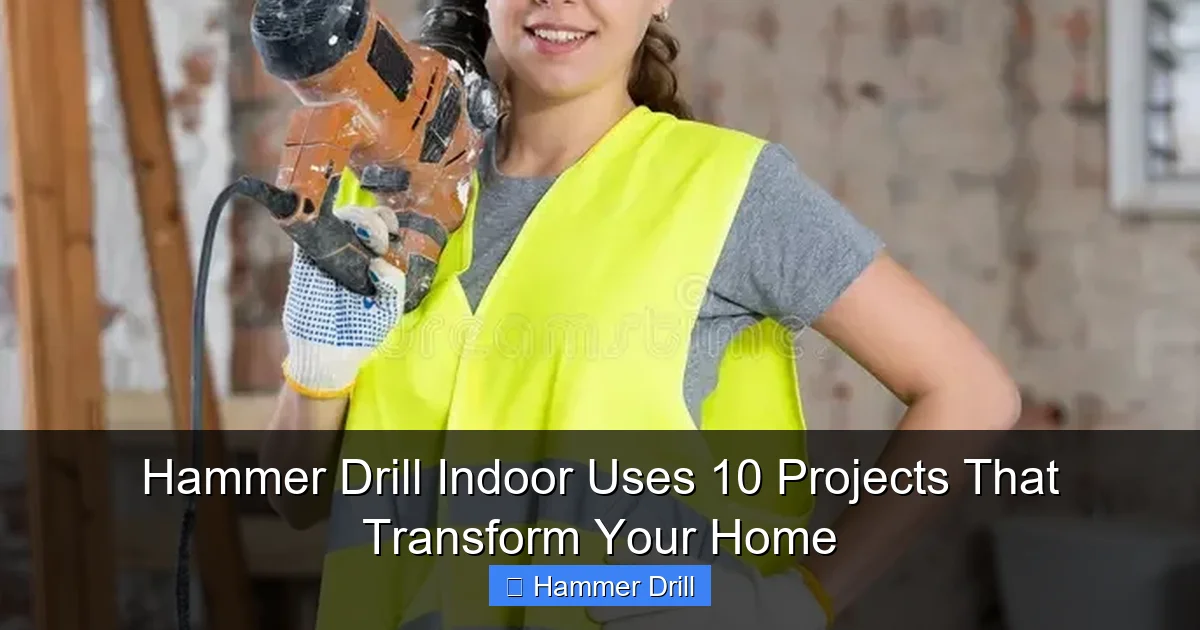
Brick walls add character but challenge mounting projects. A hammer drill makes this job straightforward. This project typically takes 45-60 minutes and requires careful planning.
Visual guide about Hammer Drill Indoor Uses 10 Projects That Transform Your Home
Image source: thumbs.dreamstime.com
Step 1: Locate Studs and Plan Placement
Use a stud finder to locate wooden studs behind the brick. Mounting into studs provides the strongest hold. If you can’t align with studs, use heavy-duty masonry anchors rated for at least twice your TV’s weight. Mark your mounting pattern using the TV mount template.
Step 2: Select the Right Bit
For brick, use a carbide-tipped masonry bit. Brick is softer than concrete, so a standard masonry bit works fine. Match the bit size to your anchors—usually 3/16″ for most TV mounts.
Step 3: Drill Pilot Holes
Hold the drill at a 90-degree angle. Start slowly to prevent the bit from slipping off the brick surface. Apply firm, consistent pressure. Brick can chip easily, so let the tool do the work. Drill to the depth of your anchor plus 1/4″.
Step 4: Clear Dust and Test Fit
Vacuum each hole thoroughly. Blow out remaining dust with compressed air. Test fit one anchor to ensure it goes in smoothly. If it’s tight, redrill slightly or use a larger bit.
Step 5: Mount the Bracket
Insert anchors by tapping gently with a hammer. Attach the mounting bracket using the provided screws. Double-check level before final tightening. Attach the TV mounting arms according to manufacturer instructions.
Project 3: Drill Into Ceramic Tile for Bathroom Fixtures
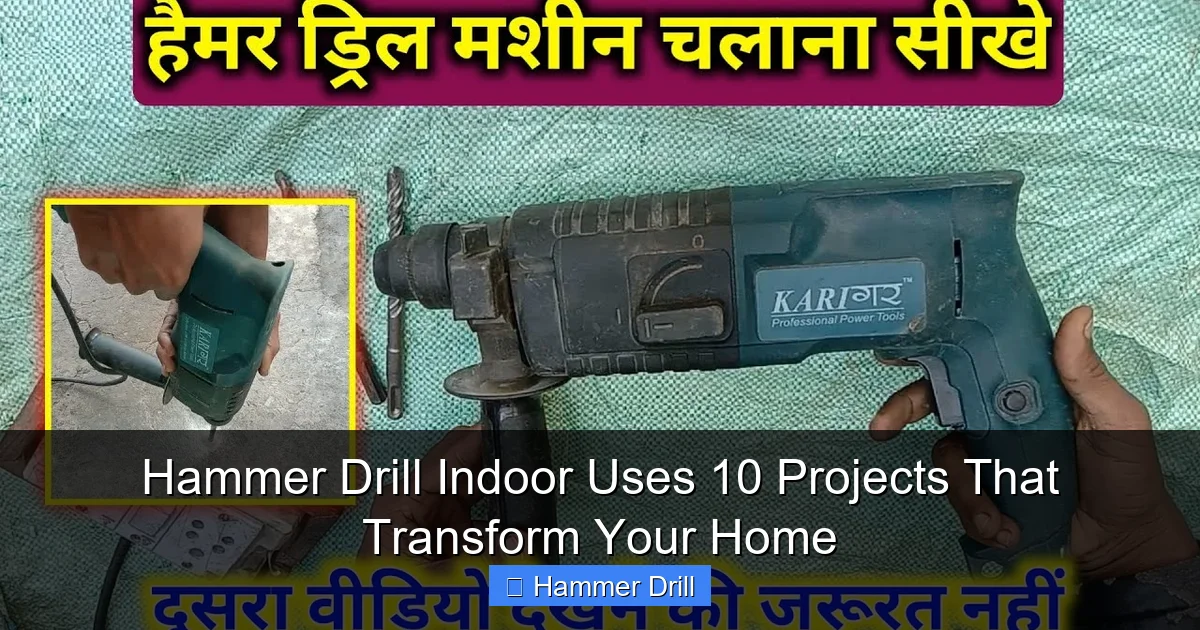
Tiles crack easily with improper technique. A hammer drill on low speed with the right bit prevents damage. This project takes 20 minutes per fixture.
Visual guide about Hammer Drill Indoor Uses 10 Projects That Transform Your Home
Image source: i.ytimg.com
Step 1: Choose Specialty Bits
Use diamond-tipped or carbide-tipped tile bits. Standard masonry bits can chip tile. These specialty bits have a spear point that bites into glaze cleanly. Keep a spray bottle of water nearby to cool the bit.
Step 2: Apply Masking Tape
Place a small square of masking tape over your drill point. This gives the bit extra grip and prevents skating across the slick tile surface. Mark your center point with a permanent marker on the tape.
Step 3: Start with Low Speed
Set your hammer drill to the lowest speed setting. Disable hammer mode if your drill has a drill-only setting for tile. Hold the drill at a slight angle initially to create a starter groove, then straighten to 90 degrees.
Step 4: Use Gentle Pressure
Let the bit do the work. Apply light, steady pressure. Spray water on the bit every 10-15 seconds to prevent overheating. Drill slowly—rushing causes cracks. Once through the tile, switch to a masonry bit if you hit backing material.
Step 5: Finish and Clean
Remove masking tape. Wipe the area clean. Insert appropriate anchors for tile and backing material. Install your fixture with care.
Project 4: Create Cable Management Holes in Concrete Walls
Neat cable runs make any room look professional. Drilling small holes in concrete for cable pass-throughs is simple with a hammer drill. This takes 10 minutes per hole.
Step 1: Plan Your Route
Determine where cables will enter and exit. Use a stud finder to avoid electrical wires. Mark entry and exit points with painter’s tape. For most cable bundles, a 1″ hole suffices.
Step 2: Select the Right Bit Size
Use a 1″ masonry hole saw or spade bit designed for hammer drills. For smaller bundles, a 3/4″ bit works. Ensure your bit matches your drill’s chuck size.
Step 3: Drill from Both Sides
Drill from the finished side first. If possible, drill from both sides to prevent blowout on the visible surface. Support the bit with both hands. Apply moderate pressure and clear dust frequently.
Step 4: Install Grommets
Push rubber grommets into each hole to protect cables. Run your cables through. Seal gaps with caulk if needed for fire safety.
Project 5: Mount Heavy Curtain Rods on Plaster and Lath
Older homes often have plaster over wooden lath. A hammer drill finds the wood studs behind and drills clean holes. This project takes 30 minutes per window.
Step 1: Locate Studs Behind Plaster
Use a magnetic stud finder to locate lath strips. These run horizontally and provide solid mounting points. Mark their centers every 16″. Avoid drilling into plaster alone—it won’t support weight.
Step 2: Drill Through Plaster Cleanly
Set your hammer drill to low hammer mode. Plaster is brittle, so minimal hammer action prevents cracking. Use a standard twist bit slightly smaller than your anchor. Drill slowly to create a clean entry hole.
Step 3: Switch Bits for Wood
Once through plaster, switch to a wood bit for the lath. Drill into the wooden strip with standard drill mode. Clear dust between mode changes.
Step 4: Install Toggle Bolts
For extra holding power, use toggle bolts. Insert the toggle, then tighten the screw. The toggle spreads behind the lath, distributing weight. Mount your curtain rod brackets securely.
Project 6: Install Kitchen Cabinet Lighting on Concrete Backsplash
Under-cabinet lighting transforms kitchens. Mounting fixtures to concrete backsplashes requires precise drilling. This project takes about 20 minutes per light.
Step 1: Mark Fixture Positions
Hold each light fixture in place. Mark screw holes with a pencil. Use a level to ensure straight alignment. For concrete, plan carefully—you can’t easily patch holes.
Step 2: Start with a Pilot Hole
Use a 1/8″ masonry bit to create a pilot hole. This guides the larger bit and prevents wandering. Drill to half depth at low speed.
Step 3: Step Up Bit Size
Switch to the bit size matching your anchors. Drill to full depth. This two-step process creates more accurate holes in concrete. Clear dust thoroughly between steps.
Step 4: Mount Fixtures
Insert anchors and attach fixtures. Connect wiring according to manufacturer instructions. Test lights before finalizing placement.
Project 7: Create Ventilation Holes in Basement Walls
Basement workshops need proper ventilation. Drilling holes for vent ducts through concrete foundation walls is a perfect hammer drill task. This project takes 30-45 minutes.
Step 1: Determine Hole Size and Location
Measure your vent duct diameter. Add 1/4″ for clearance. Choose a location near the floor for intake or near the ceiling for exhaust. Avoid drilling near electrical service entries.
Step 2: Use a Hole Saw
Attach a diamond-grit hole saw to your hammer drill. These cut clean circles through concrete. Apply steady pressure and keep the bit cool with water spray. Drill from inside outward to control dust.
Step 3: Clean and Seal
Remove the concrete plug carefully. Smooth rough edges with a chisel. Insert vent duct and seal gaps with expanding foam or caulk. Install vent cover.
Project 8: Mount Garage Storage Shelving on Cinder Block
Cinder block garage walls support heavy storage when drilled correctly. This project organizes your space in under an hour.
Step 1: Choose Heavy-Duty Anchors
For shelving units over 50 pounds, use wedge anchors or sleeve anchors. These expand tightly in cinder block cavities. Select anchors rated for at least three times the expected weight.
Step 2: Drill Precise Holes
Mark shelf bracket locations. Use a 3/8″ masonry bit for most heavy anchors. Drill straight and steady. Cinder block is brittle, so avoid excessive pressure that could crack the block.
Step 3: Clean and Test
Vacuum holes completely. Test one anchor before mounting the entire shelf. Tap anchor in with a hammer, then tighten bolt until snug. Mount brackets and shelves.
Project 9: Install Recessed Lighting in Concrete Ceilings
Basement concrete ceilings challenge recessed lighting installation. A hammer drill creates clean holes for housing cans. This project takes 45 minutes per light.
Step 1: Mark Cutout Pattern
Trace the light housing template on the ceiling. Use a stud finder to avoid rebar. Mark the center point for your pilot hole. Concrete ceilings often have wire mesh—go slow if you hit it.
Step 2: Drill Starter Holes
Drill 1/4″ holes at each corner of your marked pattern. These holes allow you to insert a reciprocating saw blade for cutting. Use low speed to prevent bit breakage.
Step 3: Cut Opening
Connect your holes with a reciprocating saw using a long blade. Support the cut section as it drops. Smooth edges with a file. Insert light housing and secure with clips.
Project 10: Mount a Heavy Mirror on Plaster Over Masonry
Older homes often have plaster over brick or concrete block. This combination requires technique transitions. This project takes 30 minutes.
Step 1: Identify Wall Composition
Drill a small test hole in an inconspicuous area. Note the thickness of plaster and type of backing. This tells you when to switch bits and techniques.
Step 2: Start with Plaster Bit
Begin with a standard twist bit to penetrate plaster cleanly. Use hammer drill on low setting just for the plaster layer. Stop when you feel resistance change.
Step 3: Switch to Masonry Bit
Change to a masonry bit for the backing material. Resume drilling with hammer mode. This two-bit approach prevents plaster cracking and ensures proper depth in masonry.
Step 4: Install Mirror Mounting Hardware
Insert appropriate anchors for masonry. Use D-rings or wire on the mirror. Mount with sturdy screws. Double-check level before final tightening.
Troubleshooting Common Indoor Hammer Drill Problems
Even experienced DIYers encounter issues. Here are solutions to common indoor hammer drill challenges.
Problem: Bit Keeps Slipping Off Mark
This happens on smooth surfaces like tile or painted concrete. Solution: Always use painter’s tape at the drill point. Start at low speed to create a guide indentation. Hold the drill firmly with both hands.
Problem: Excessive Dust and Debris
Indoor drilling creates messy dust. Solution: Place a vacuum hose near the drill point to catch dust. Use painter’s tape to contain small particles. Cover the area with a drop cloth. Consider a dust collection attachment for your drill.
Problem: Bit Overheating
Overheating dulls bits quickly, especially in tile or dense concrete. Solution: Drill in 15-second bursts. Clear dust frequently. For tile, spray water on the bit. Let bits cool between holes. Use sharp, quality bits.
Problem: Hole is Too Large or Rough
This occurs when using worn bits or too much pressure. Solution: Replace dull bits. Use a depth stop to control drilling depth. Practice on scrap material first. For oversized holes, use a larger anchor or fill and redrill.
Problem: Hammer Drill Vibrates Excessively
Too much vibration damages the tool and your wrist. Solution: Check that the bit is fully seated in the chuck. Use sharp bits. Apply steady, moderate pressure. Ensure you’re using the correct mode for your material. Consider an anti-vibration glove.
Problem: Anchor Won’t Hold
Anchors pull out when holes are too large or dirty. Solution: Always clean holes thoroughly. Use the correct bit size—measure your anchor before drilling. For hollow materials, use toggle bolts instead of standard anchors.
Conclusion: Your Home, Transformed
These ten projects showcase the hammer drill’s incredible versatility indoors. From creating clean cable management to mounting heavy storage, this tool eliminates frustration when working with tough materials. Remember to prioritize safety: wear eye protection, manage dust, and respect the tool’s power.
Start with simpler projects like cable holes before tackling tile or load-bearing mounts. Practice on scrap material when trying new techniques. With proper use, your hammer drill becomes the key to unlocking your home’s full potential. For more detailed guidance on specific techniques, our how to use a drill for screws into a wall guide provides additional insights that complement these hammer drill projects.
Your next home upgrade is just a drill bit away.