
Proper hammer drill maintenance is crucial for extending your tool’s lifespan and ensuring optimal performance. This comprehensive guide covers ten essential tips that will help you keep your hammer drill in top condition, from regular cleaning to professional servicing. Whether you’re a DIY enthusiast or a professional contractor, these practical maintenance techniques will save you money and prevent frustrating breakdowns.
Key Takeaways
- Clean regularly: Remove dust and debris after every use to prevent buildup that can damage internal components.
- Lubricate moving parts: Apply grease to gears and chuck mechanisms quarterly to maintain smooth operation and prevent wear.
- Check carbon brushes: Inspect these wear parts every 50 hours of use and replace when worn down to 1/4 inch.
- Store properly: Keep your hammer drill in a dry, temperature-controlled environment with the chuck lowered.
- Inspect bits and chuck: Clean and lubricate the chuck regularly, and replace worn drill bits to reduce strain on the motor.
- Maintain power sources: For cordless models, avoid complete discharges. For corded models, inspect power cords for damage.
Why Hammer Drill Maintenance Matters
Your hammer drill represents a significant investment in your toolbox. Unlike regular drills, hammer drills operate with intense percussive action that creates substantial internal stress on components. This unique mechanism makes proper maintenance non-negotiable for longevity. Without regular care, you’ll face premature wear, costly repairs, and potentially dangerous malfunctions. Understanding the difference between a hammer drill and regular drill helps appreciate why these tools need special attention. This guide will walk you through ten essential maintenance practices that add years to your tool’s life while keeping it running at peak performance.
1. Clean Your Hammer Drill After Every Use
Dust and debris are your hammer drill’s worst enemies. The hammering action creates fine particles that can infiltrate every crevice of your tool. Let’s tackle this systematically.

Visual guide about 10 Essential Hammer Drill Maintenance Tips for Longevity
Image source: blog.silverstarjewellery.com
Exterior Cleaning Process
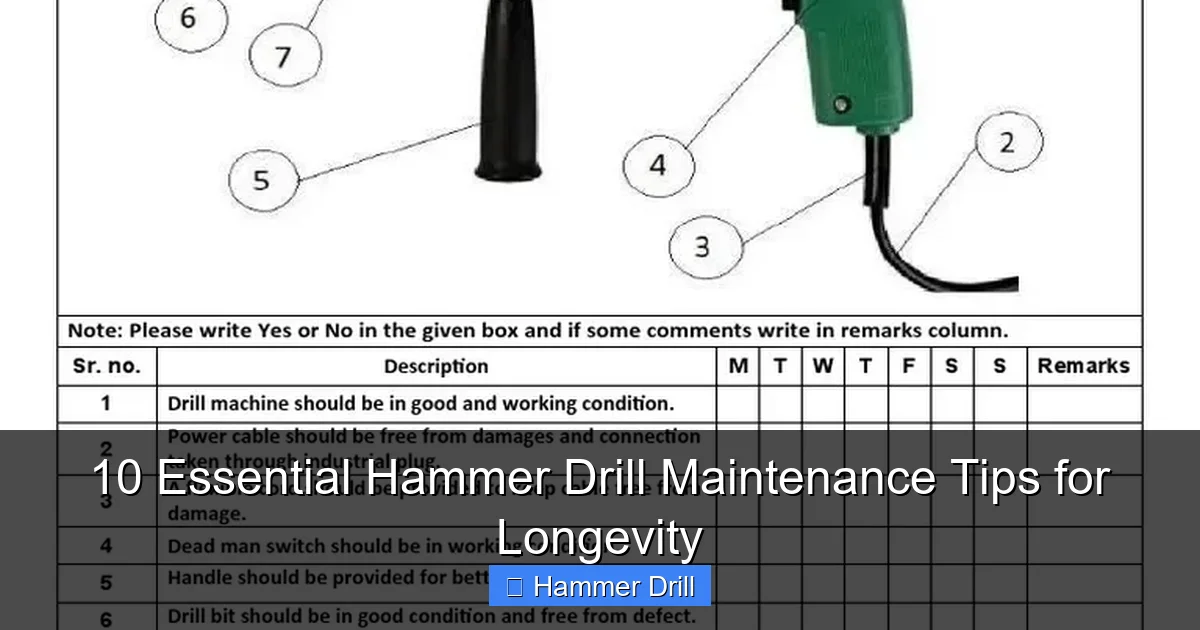
Start by unplugging your corded hammer drill or removing the battery from cordless models. Use a soft brush to remove loose debris from the housing. A damp cloth with mild soap works well for stubborn grime. Never use solvents that could damage plastic components. Pay special attention to ventilation slots where dust accumulates and can cause overheating.
Interior Dust Removal
For deeper cleaning, use compressed air to blow dust from vents and switches. Hold the can upright to prevent moisture release. Insert the nozzle into air vents and apply short bursts. This prevents dust from being pushed deeper into the motor. Do this in a well-ventilated area or outdoors to avoid breathing airborne particles. For heavy buildup, consider removing the housing screws to access internal components, but only if you’re comfortable with basic disassembly.
Chuck and Bit Area Care
The chuck collects metal shavings and concrete dust that can damage its mechanism. Remove the chuck key and wipe the chuck teeth with a dry cloth. Use a small brush to clean between the jaws. For keyless chucks, rotate the sleeve back and forth while cleaning to dislodge trapped particles. This simple step prevents premature chuck wear and ensures secure bit holding.
2. Lubricate Critical Moving Parts Quarterly
Lubrication reduces friction, prevents rust, and maintains smooth operation. Your hammer drill’s gears experience tremendous stress during operation.
Visual guide about 10 Essential Hammer Drill Maintenance Tips for Longevity
Image source: imgv2-2-f.scribdassets.com
Gear Housing Lubrication
Locate your hammer drill’s gear housing, typically near the chuck. Remove the housing cover carefully. You’ll see the hammer drill mechanism inside. Apply a small amount of high-quality grease specifically designed for power tools. Avoid over-greasing, which can attract more dust. Work the mechanism back and forth to distribute the lubricant evenly. This quarterly maintenance prevents metal-on-metal contact that destroys gears.
Chuck Lubrication
Apply a few drops of lightweight machine oil to the chuck mechanism. Rotate the chuck in both directions to work the oil into the threads. Wipe away excess oil to prevent dripping onto other components. For keyless chucks, lubricate the sleeve bearings where it contacts the main housing. This keeps the chuck rotating smoothly and extends its life by years.
Oscillating Shaft Maintenance
The oscillating shaft is the heart of your hammer drill’s percussive action. Apply a thin layer of grease to the shaft where it enters the gear housing. This component moves thousands of times per minute under heavy load. Proper lubrication prevents seizing and reduces heat buildup that can warp metal parts. Check your owner’s manual for specific lubrication points on your model.
3. Inspect and Replace Drill Bits Regularly
Worn bits force your hammer drill to work harder, straining the motor and gears. Dull bits also create more heat and vibration that damages internal components.
Visual guide about 10 Essential Hammer Drill Maintenance Tips for Longevity
Image source: cdn.slidesharecdn.com
Bit Wear Indicators
Check your bits before each use. Look for rounded edges, discoloration from heat, or reduced cutting effectiveness. A sharp masonry bit should cut cleanly into concrete with minimal effort. If you notice excessive vibration or the bit wanders instead of biting, it’s time for replacement. Using dull bits can cause the hammer mechanism to slip, damaging the tool’s internal parts.
Proper Bit Removal
Always clean bits before storing them. Wipe away concrete residue with a stiff brush. Apply a light coat of oil to prevent rust, especially on the shanks. Store bits in a organized case to prevent damage to cutting edges. This practice ensures your next project starts with sharp, ready-to-use bits that won’t stress your hammer drill.
Bit Compatibility Check
Using the wrong bit type can damage your hammer drill. Ensure you’re using masonry bits designed for hammer action. Standard drill bits will break under percussive force. SDS bits must match your chuck system exactly. Consult your manual for recommended bit types and sizes. Using compatible bits reduces unnecessary wear on the hammer mechanism and chuck.
4. Check Carbon Brushes Every 50 Hours of Use
Carbon brushes conduct electricity to the motor’s rotating components. These wear parts need regular inspection to prevent motor damage.
Locating and Inspecting Brushes
Most hammer drills have brush caps on the motor housing sides. Unscrew these caps with a flathead screwdriver. Remove the brushes and measure their length. New brushes are typically 1/2 inch long. Replace them when they wear down to 1/4 inch. Worn brushes cause arcing that damages the motor commutator, leading to expensive repairs or complete motor failure.
Brush Replacement Process
Note how the brush is positioned before removal. Slide the new brush into place, ensuring it sits flat against the commutator. Replace both brushes at the same time, even if only one is worn. Mismatched brushes create uneven wear patterns. Tighten the brush caps securely but don’t overtighten, which can crack the plastic threads. This simple replacement costs just a few dollars but saves your entire motor.
Brush Maintenance Tips
Keep spare brushes in your toolbox. Store them in a dry place to prevent moisture absorption. When replacing brushes, check for excessive sparking during operation. If you notice more sparking than usual, inspect the commutator for damage. Regular brush checks are the most cost-effective maintenance task you can perform on your hammer drill.
5. Maintain the Chuck Mechanism
The chuck secures your drill bits and transfers power from the motor. A poorly maintained chuck leads to bit slippage and inaccurate drilling.
Chuck Cleaning Procedure
Open the chuck jaws fully. Remove all debris from between the jaws using a small brush or compressed air. Pay attention to the threads inside the chuck. Any grit in these threads prevents proper tightening. Wipe the chuck body with a dry cloth to remove oil and dirt that can cause the jaws to stick. A clean chuck operates smoothly and grips bits securely.
Chuck Lubrication and Adjustment
Apply a small amount of dry lubricant or lightweight oil to the chuck threads. Rotate the chuck key or sleeve through its full range of motion several times. This distributes lubricant evenly and loosens any seized components. For keyed chucks, ensure the key fits properly in the teeth. If the chuck feels loose on the spindle, check for worn retaining screws. Tighten any loose screws immediately to prevent chuck wobble.
When to Replace the Chuck
Chucks wear out over time. Signs of a failing chuck include inability to hold bits securely, excessive wobble, or jaws that won’t close properly. If cleaning and lubrication don’t restore smooth operation, replacement is necessary. Most chucks cost between $15-$40 and can be replaced with basic tools. A worn chuck damages bits and reduces drilling accuracy, making replacement essential for proper performance.
6. Care for Cordless Hammer Drill Batteries
Battery maintenance is critical for cordless hammer drills. Lithium-ion batteries are expensive but last longer with proper care.
Optimal Charging Practices
Never run your battery completely dead. Recharge when you notice reduced power, typically after 30-40 minutes of use. Avoid charging a hot battery immediately after use. Let it cool for 15-20 minutes first. Heat is the number one battery killer. Store batteries at room temperature, never in a hot garage or freezing shed. Extreme temperatures permanently reduce battery capacity.
Storage Guidelines
Store batteries with a 40-60% charge. A full charge or completely dead battery degrades faster during storage. Remove batteries from the drill if you won’t use it for several months. Store them in a dry place away from metal objects that could cause short circuits. Consider investing in a smart charger that prevents overcharging and maintains optimal battery health automatically.
Battery Life Extension
Keep spare batteries rotating in use. This spreads the workload and extends overall life. When purchasing new batteries, check the manufacturing date. Fresher batteries perform better. If you notice significantly reduced runtime, it’s likely time for replacement. Most lithium-ion batteries last 3-5 years with proper care, saving you money compared to frequent replacements.
7. Inspect Power Cords on Corded Models
Corded hammer drills rely on consistent power delivery. Damaged cords create safety hazards and performance issues.
Visual Inspection Routine
Before each use, run your hands along the entire power cord length. Feel for cuts, kinks, or exposed wires. Check the plug prongs for damage or corrosion. Inspect where the cord enters the drill housing for cracks or fraying. Any damage requires immediate replacement. Never use a damaged cord, as this risks electric shock or fire.
Electrical Safety Checks
Test the ground fault circuit interrupter (GFCI) if using an extension cord. Plug in your drill and press the test button on the GFCI. The drill should stop immediately. This confirms your safety protection is working. For three-prong plugs, ensure the ground pin is intact. Using a multimeter, you can check for continuity and proper grounding. If you’re not comfortable with electrical testing, have a professional inspect your tools annually.
Cord Storage Solutions
Wrap cords loosely to prevent kinking. Use a figure-eight pattern rather than tight loops that stress the wires. Store cords away from sharp objects and chemicals. Consider purchasing a cord reel for easy storage and deployment. Proper cord care prevents damage that could lead to dangerous electrical faults during operation.
8. Store Your Hammer Drill Properly
Proper storage protects your hammer drill from environmental damage and keeps it ready for immediate use.
Ideal Storage Environment
Store your hammer drill in a dry, temperature-controlled space. Basements and garages often have humidity and temperature swings that damage electronics and cause rust. Use a dehumidifier or silica gel packs in your storage area. Keep the tool off concrete floors on a shelf or in a tool chest. Concrete can wick moisture into the tool housing, causing internal corrosion.
Pre-Storage Preparation
Clean your hammer drill thoroughly before storing it. Apply light oil to metal surfaces to prevent rust. Lower the chuck to its shortest position to reduce spring tension. This prevents the chuck mechanism from taking a set during long storage periods. For cordless models, remove the battery. Store the battery separately at optimal charge levels. Place desiccant packs in the storage case to absorb any trapped moisture.
Storage Case Benefits
Use the original case or a quality tool case with foam inserts. These cases protect against dust, impacts, and moisture. Organize accessories like bits, chucks, and manuals in designated compartments. This prevents loss and makes your next project start smoothly. A good case also makes transportation safer and more convenient. Consider labeling compartments for quick access during busy workdays.
9. Test and Calibrate Regularly
Regular testing ensures your hammer drill performs at its best and helps catch problems early.
Performance Testing Routine
Run your hammer drill without a bit for 30 seconds monthly. Listen for unusual noises like grinding, squealing, or knocking. These sounds indicate internal problems. Check that both forward and reverse functions work smoothly. Test the variable speed trigger for consistent response. If the drill doesn’t speed up smoothly or has dead spots, this suggests electrical or brush issues.
Hammer Action Verification
Test the hammer mechanism by drilling into scrap concrete or brick. The drill should bite easily without excessive vibration. If you notice reduced hammer action or the drill bogs down quickly, check for lubrication issues or worn components. Proper hammer action feels like the tool is doing the work, not you forcing it. This test reveals problems that no-load testing might miss.
Speed and Torque Calibration
Check that speed settings match your expectations. Most hammer drills have two or three speed ranges. Test each range to ensure it operates at the correct speed. If speeds seem off, consult your manual for adjustment procedures. Some models have adjustable torque settings. Test these by driving screws into wood. Proper torque prevents overdriving and stripping. Regular testing builds familiarity with your tool’s normal behavior, making problems easier to spot.
10. Schedule Professional Servicing
Some maintenance tasks require professional expertise and specialized tools.
When to Seek Professional Help
Schedule professional servicing every 2-3 years for heavy users, or annually for commercial contractors. Signs you need professional attention include excessive vibration, reduced power, unusual noises, or if the tool smells like burning. These symptoms suggest internal bearing failure, motor problems, or gear damage. A professional service center can disassemble your hammer drill completely, inspect all components, and replace worn parts before they cause catastrophic failure.
Professional Service Benefits
Technicians have access to parts diagrams and manufacturer specifications. They can perform dynamic balancing of rotating components, which reduces vibration and extends bearing life. Professionals can also replace seals and gaskets that prevent dust ingress. They’ll check armature and field windings for insulation breakdown that could lead to electrical failure. This comprehensive service costs significantly less than a new hammer drill and restores your tool to like-new condition.
Choosing a Service Center
Select an authorized service center for your brand. These technicians receive factory training and use genuine replacement parts. Check reviews and ask about warranty policies on repairs. A good service center provides a detailed estimate before work begins and offers a warranty on parts and labor. This protects your investment and ensures quality repairs. Keep records of all professional servicing for warranty claims and future reference.
Troubleshooting Common Issues
Even with proper maintenance, problems can occur. Here’s how to address common hammer drill issues.
Drill Won’t Start
Check the power source first. For corded models, test the outlet with another device. For cordless models, ensure the battery is charged and properly seated. If the drill still doesn’t start, check the trigger switch for debris. Clean the switch with compressed air. If these steps fail, the problem likely involves brushes, internal wiring, or the motor. Professional diagnosis is recommended to avoid further damage.
Excessive Vibration
Vibration often indicates worn bearings or unbalanced components. Check for loose housing screws and tighten them. Inspect the chuck for damage or wear. If vibration persists, the armature may be bent or bearings worn. Continuing to use a vibrating drill causes premature wear on all components. Address vibration issues immediately to prevent costly repairs.
Overheating During Use
Overheating suggests blocked ventilation or overloading the tool. Clean all air vents thoroughly. Ensure you’re using the correct speed and bit for the material. Let the drill rest for 10-15 minutes if it becomes too hot to touch. Persistent overheating may indicate winding problems or insufficient lubrication. Check carbon brushes for proper contact. If overheating continues, professional servicing is necessary.
Hammer Action Not Working
If your hammer drill operates like a regular drill, the hammer mechanism may be disengaged or damaged. Check that the hammer mode is selected. Some models have separate switches for hammer action. If mode selection is correct, the problem likely involves worn clutch plates or damaged hammer mechanisms inside the gear housing. These components require professional attention. Continuing to use a malfunctioning hammer mechanism can cause complete failure.
Conclusion
Consistent hammer drill maintenance transforms your tool from a disposable commodity into a lifelong workhorse. These ten tips require minimal time and investment but deliver maximum returns in performance and longevity. Set calendar reminders for quarterly lubrication and annual inspections. Keep a maintenance log to track service history. Remember that prevention always costs less than replacement. By following this guide, you’ll maximize your investment, ensure safety on the job, and enjoy reliable performance for years to come. Your hammer drill works hard for you—return the favor with regular, thoughtful maintenance.
🎥 Related Video: How To Use Hilti machine | Hilti drill, hammer drill, or other power tools
📺 AR Tech Official
Using a Hilti machine (such as a Hilti drill, hammer drill, or other power tools) safely and effectively requires a few important steps.