
Hammer drills create extreme noise that damages hearing and disturbs others. This guide reveals practical, effective methods to reduce hammer drill noise through proper tool maintenance, correct drilling technique, personal protection, and smart workspace choices. Implement these proven tips to make your projects quieter and safer.
Key Takeaways
- Wear proper hearing protection: Always use earplugs or earmuffs rated for high-decibel tool noise to prevent permanent hearing damage.
- Maintain your hammer drill regularly: Lubricate moving parts, replace worn carbon brushes, and keep the tool clean to reduce excess vibration and noise.
- Master proper drilling technique: Apply steady, moderate pressure and let the tool do the work to minimize loud hammering sounds.
- Choose the right drill and bit: Use hammer drills with noise-reduction features and select appropriate carbide-tipped bits for cleaner, quieter operation.
- Control your workspace environment: Use acoustic barriers, drill on resilient surfaces, and schedule noisy work during appropriate hours.
- Consider alternative tools: For light-duty tasks, regular drills or impact drivers may produce significantly less noise than hammer drills.
- Check for mechanical issues: Unusual noise increases often signal problems like loose components or worn internal parts needing repair.
Introduction: Why Hammer Drill Noise Reduction Matters
Hammer drills are essential power tools for serious DIYers and professional contractors. They bore through concrete, brick, and masonry with ease. But that incredible power comes with a major downside: extreme noise levels that can exceed 100 decibels.
This noise isn’t just annoying. It’s dangerous. Prolonged exposure to hammer drill noise can cause permanent hearing loss. It disturbs neighbors, interrupts sleep, and creates stressful work environments. Many communities have strict noise ordinances that limit when you can use loud power tools.
That’s why learning effective hammer drill noise reduction techniques is crucial. This guide will teach you practical, proven methods to minimize the noise from your hammer drill without sacrificing performance. You’ll discover how proper maintenance, technique adjustments, protective equipment, and workspace modifications can make a significant difference.
Whether you’re a weekend warrior tackling a home renovation or a professional who uses a hammer drill daily, these tips will help you work safer, smarter, and quieter. Let’s dive into the strategies that actually work.
Understanding What Causes Hammer Drill Noise
Before we tackle noise reduction, it helps to understand why hammer drills are so loud. The noise comes from several sources working together.
Visual guide about Hammer Drill Noise Reduction Tips That Actually Work
Image source: i.ytimg.com
The Hammering Mechanism
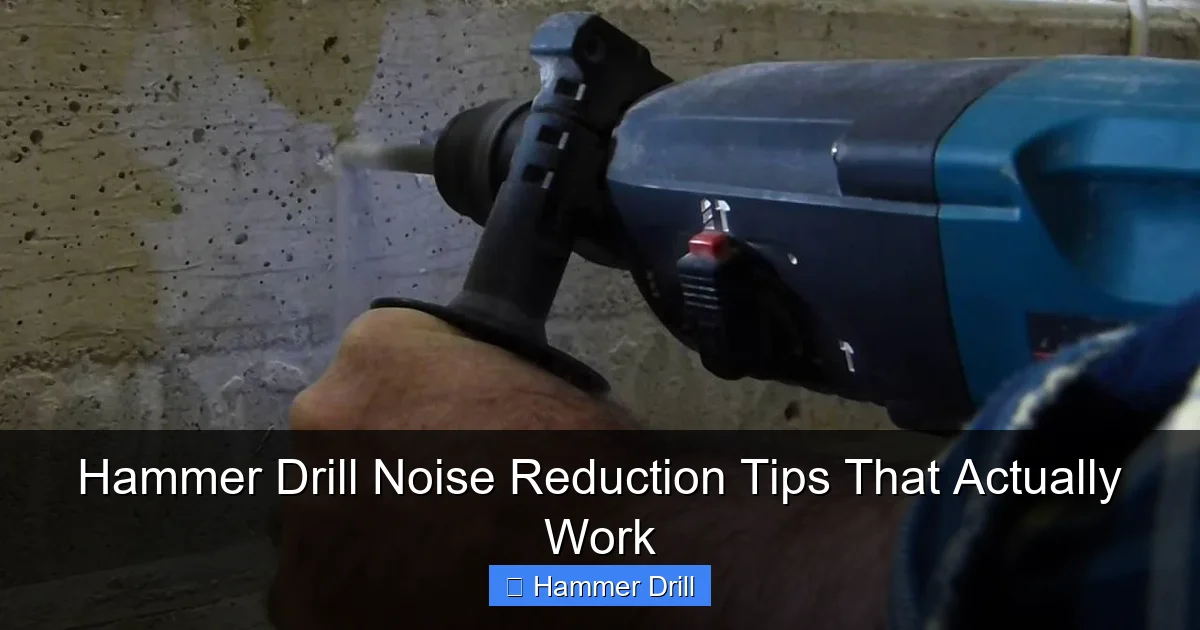
Hammer drills combine rotation with a rapid back-and-forth hammering action. This mechanism uses a set of gears or pistons that pound against each other inside the tool. Each impact creates a loud knocking sound. The faster the hammering speed, the louder the noise becomes.
Bit Impact Against Material
When the drill bit strikes concrete or masonry, it creates high-frequency vibrations. These vibrations travel through the bit, the chuck, and into the tool itself. The harder the material, the louder the impact noise.
Motor and Gear Noise
The electric motor and internal gears spin at high RPMs. This creates constant mechanical noise. As the tool ages and components wear, this noise often increases.
Vibration Amplification
Without proper damping, vibrations from the hammering mechanism and bit impact amplify through the tool housing. This turns small vibrations into big noise. Loose parts make this problem much worse.
Understanding these sources helps you target your noise reduction efforts effectively. Now let’s explore the most practical solutions.
Essential Personal Protective Equipment for Hearing
The first line of defense against hammer drill noise is proper hearing protection. This is non-negotiable for your long-term health.
Visual guide about Hammer Drill Noise Reduction Tips That Actually Work
Image source: i.ytimg.com
Choosing the Right Ear Protection
Not all hearing protection is created equal. You need gear specifically rated for power tool noise.
Disposable Foam Earplugs
These offer a Noise Reduction Rating (NRR) of 29-33 decibels. They’re affordable and effective for most hammer drill work. Insert them correctly by rolling them tight and placing them deep in your ear canal. Cheap foam earplugs cost just a few dollars per pair.
Reusable Silicone Earplugs
These provide NRR ratings of 25-30 decibels. They’re washable and last months. They’re a good choice if you use your hammer drill frequently. Look for pairs with a cord to keep them together.
Over-the-Ear Earmuffs
Earmuffs offer NRR ratings of 24-31 decibels. They’re easier to put on and take off than plugs. Many contractors prefer them for all-day use. Some models come with Bluetooth for taking calls.
Dual Protection
For maximum safety, wear earplugs under earmuffs. This combines protection for an NRR of up to 36 decibels. Use this when working with multiple tools or in confined spaces where noise reflects off walls.
Proper Fit and Usage
Hearing protection only works when worn correctly. Check the fit regularly. For earmuffs, ensure the headband tension is firm and the ear cups create a complete seal around your ears. For earplugs, follow the manufacturer’s insertion instructions carefully. Test your protection by wearing it in a quiet room—you should notice a significant reduction in ambient sound.
Always carry spare ear protection. Store it in a clean, dry place to prevent damage. Replace foam earplugs after each use and silicone plugs every 3-6 months. Earmuff cushions should be replaced when they lose their seal.
Tool Maintenance That Reduces Noise
A well-maintained hammer drill operates more quietly than a neglected one. Regular maintenance addresses the mechanical sources of excess noise.
Visual guide about Hammer Drill Noise Reduction Tips That Actually Work
Image source: mining-report.de
Lubricating Moving Parts
Proper lubrication reduces metal-on-metal contact that creates grinding and squealing noises.
Gear and Bearing Lubrication
Apply a few drops of electric motor oil to the tool’s gear housing every 50 hours of use. Check your owner’s manual for specific lubrication points. Use only manufacturer-recommended oils. Over-lubrication attracts dust and can cause other problems. Clean old grease and debris before applying fresh lubricant.
Chuck Maintenance
The chuck holds your drill bit securely. A loose or dry chuck rattles and squeaks. Remove the chuck, clean it thoroughly, and apply a light coat of lithium grease. Reinstall it tightly. Test the chuck by gripping a bit firmly—it should not slip or wobble.
Replacing Worn Carbon Brushes
Carbon brushes conduct electricity to the motor. When they wear down, the motor works harder and creates more noise. Most hammer drills have brush wear indicators. Replace brushes when they’re shorter than 1/4 inch. Worn brushes cause sparking, which adds electrical noise to the mechanical noise. New brushes restore smooth motor operation and reduce overall sound levels.
Checking for Loose Components
Vibration during operation loosens screws and bolts over time. A loose housing panel acts like a drum, amplifying noise. Turn off and unplug your drill. Check all visible screws, especially those securing the motor housing and handle. Tighten any that feel loose using the correct screwdriver size. Don’t overtighten, as this can strip threads. Inspect the power cord for fraying or loose connections that could cause buzzing sounds.
Cleaning Air Vents and Cooling Fins
Clogged air vents force the motor to work harder, increasing noise. Dust and debris build up in vents and on cooling fins. Use compressed air to blow out dust from all vent openings. Wipe the housing with a damp cloth. Never use solvents that could damage plastic components. Clean vents every 10-15 hours of use or when you notice reduced airflow.
Perform these maintenance tasks monthly if you use your hammer drill regularly. Keep a maintenance log to track when you last serviced the tool. A quiet hammer drill is a happy hammer drill.
Mastering Proper Drilling Technique for Quieter Operation
How you use your hammer drill dramatically affects the noise it produces. Proper technique reduces impact force and vibration.
Applying the Right Amount of Pressure
Many users push too hard on their hammer drills. Excessive pressure doesn’t speed up drilling—it just makes more noise and wears out the tool faster.
Let the hammer drill do the work. Apply steady, moderate pressure. Think of it like steering a car rather than pushing a shopping cart. The bit should advance at a consistent rate. If it stalls, you’re pushing too hard. Ease up and let the hammering mechanism catch up. For a 1/4-inch hole in concrete, apply about 10-15 pounds of pressure. For larger holes, increase pressure slightly but never force it.
Choosing the Correct Speed and Mode
Most hammer drills have variable speed triggers and multiple operation modes. Use the lowest effective speed for your task. Higher speeds create more hammer impacts per second, which means more noise.
Start drilling at a low speed to create a pilot groove. This prevents the bit from walking and reduces initial impact noise. Gradually increase speed as the bit bites into the material. For light materials like drywall or soft brick, use the lowest hammer setting or switch to regular drill mode if your tool allows it. Always match the speed to the material hardness—slower for harder materials.
Using Sharp, Appropriate Drill Bits
Dull bits require more pressure and create more noise. They also overheat, which can damage the hammer drill’s motor. Replace bits when the carbide tip appears worn or chipped. A sharp bit cuts cleanly through material, reducing impact noise.
Choose the right bit type for your material. Use carbide-tipped masonry bits for concrete and brick. For tile, use specialized diamond-tipped bits that cut rather than hammer. The correct bit reduces the hammering action needed, making the process quieter. Store bits in a protective case to prevent damage to the cutting edges.
Maintaining Proper Bit Alignment
Drilling at an angle creates uneven impact forces that increase noise and vibration. Hold the hammer drill perpendicular to your work surface. Use both hands—one on the main handle and one on the side handle—for maximum control. Keep your arms close to your body for stability. Check your alignment frequently as you drill. A crooked hole not only makes more noise but also weakens the structure.
Taking Breaks to Prevent Overheating
An overheating motor runs louder and less efficiently. Take short breaks every 2-3 minutes of continuous drilling. This allows the motor to cool and reduces thermal noise. Overheating also damages internal components, leading to even more noise over time. If the motor feels too hot to touch, stop immediately and let it cool for 10-15 minutes. Work in cooler parts of the day during summer months.
Environmental Noise Reduction Strategies
You can’t always control the noise your hammer drill makes, but you can control how it spreads through your environment.
Creating Acoustic Barriers
Sound reflects off hard surfaces like walls, floors, and ceilings. Soft materials absorb sound and reduce echo. Create temporary barriers around your work area using moving blankets, acoustic foam panels, or heavy curtains. Hang these on a portable frame or existing walls. Even a blanket hung behind you can cut noise transmission by 30-40%. For outdoor work, use plywood sheets covered with moving blankets to create a sound wall between you and neighbors.
Choosing the Right Work Surface
Drilling on different surfaces affects noise levels. Concrete floors and walls amplify sound. Whenever possible, drill on surfaces that absorb vibration. Place a rubber mat or piece of plywood under your work if drilling on a bench. This decouples the vibration from the surface. For wall drilling, avoid direct contact with studs if possible. The studs transmit vibration through the entire wall, making noise travel further. Use a stud finder to locate open spaces between studs when drilling for anchors.
Controlling Vibration Transmission
Vibration travels through solid materials. Isolate your work area to prevent noise spreading. Use vibration-damping pads under your workbench. These are made of rubber or neoprene and cost $10-20 per pad. If drilling on a ladder, ensure it’s on stable, non-resonant ground. A stable ladder setup reduces vibration transfer to the structure you’re working on. Avoid leaning the drill against your body during operation—hold it firmly but without tension that transmits vibration to your bones.
Timing Your Work Wisely
Even the best noise reduction can’t completely eliminate hammer drill sound. Schedule noisy work during times when it disturbs the fewest people. Check local noise ordinances—many areas restrict loud tool use before 8 AM or after 6 PM on weekdays. Work during normal business hours for interior projects. For outdoor work, avoid early morning and late evening. Give neighbors advance notice if you’ll be using the hammer drill for an extended period. Most people appreciate the heads-up and will tolerate short bursts of noise better when they know it’s coming.
Using Portable Sound Enclosures
For frequent heavy-duty drilling, consider building a simple sound enclosure. This is a box made of plywood lined with acoustic foam. Cut a hole for the drill bit to extend through. Place your work inside the box. The enclosure contains most of the noise. While this won’t work for all projects, it’s excellent for repetitive tasks like installing multiple anchors. You can build one for under $50 using materials from any hardware store. Add a small fan for ventilation if working inside for extended periods.
Choosing a Hammer Drill Designed for Quieter Operation
Not all hammer drills are equally loud. Modern tools include features that reduce noise at the source.
Key Noise-Reduction Features to Look For
When purchasing a new hammer drill, prioritize these features:
Active Vibration Control (AVC): This technology uses counterweights or dampeners to cancel out vibration. AVC systems can reduce perceived noise by 20-30%. Look for this feature on premium models from Bosch, Milwaukee, and DeWalt.
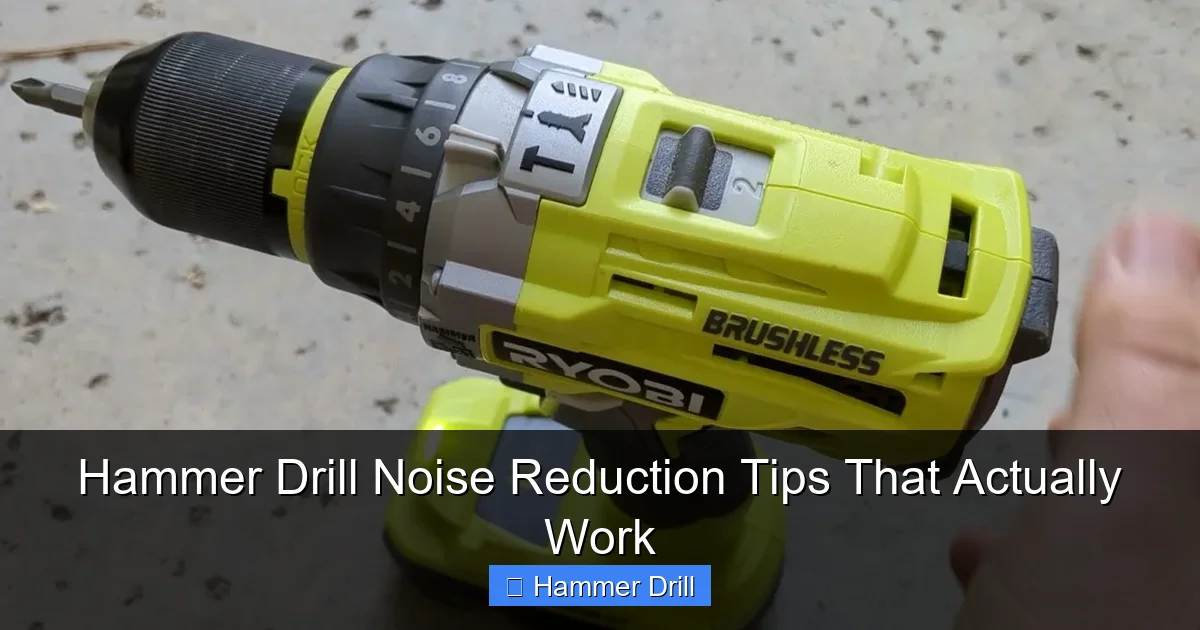
Brushless Motors: Brushless designs are more efficient and run quieter than brushed motors. They also last longer and require less maintenance. While more expensive upfront, they’re worth the investment for frequent users.
Soft-Start Technology: This gradually increases power when you pull the trigger, reducing initial noise spikes. It also extends motor life.
Acoustic Dampening Housing: Some manufacturers use special composite materials or internal baffles to absorb sound. Check product specifications for noise level ratings measured in decibels.
Comparing Corded vs. Cordless Hammer Drills
Cordless hammer drills have become powerful enough for most masonry work. They offer some noise advantages. Battery-powered models often have better vibration control because manufacturers optimize them for efficiency. Without a cord, you can position yourself optimally for noise reduction. However, corded models typically deliver more consistent power for extended drilling sessions. If noise is your primary concern, choose a cordless model with AVC. For heavy professional use, a high-quality corded drill with noise-reduction features may be better.
Consider the best cordless drill options that include hammer drill functionality. Many combo kits give you versatility while keeping noise manageable.
Understanding Decibel Ratings
Manufacturers must list noise levels for power tools. Look for the LPA (sound pressure level) rating. Quality hammer drills should be under 95 decibels. Premium models with noise reduction features often rate 85-90 decibels. Every 10-decibel reduction cuts perceived noise in half. A drill rated at 85 decibels sounds about half as loud as one rated at 95 decibels. Compare models before buying. Check independent reviews, as manufacturer ratings may be measured under ideal conditions.
Alternative Tools and Methods for Reduced Noise
Sometimes the best noise reduction strategy is using a different tool altogether.
When to Use a Regular Drill Instead
For soft materials like drywall, wood, or thin plastic, a regular drill is much quieter. Regular drills lack the hammering mechanism entirely, so they produce only motor and gear noise. If you’re installing light fixtures or hanging shelves in drywall, reach for a standard drill first. Only use hammer mode when you truly need it. Many combination drills let you switch between modes. This versatility helps you understand when to use hammer drill versus standard drilling.
Impact Driver vs. Hammer Drill
Impact drivers are often confused with hammer drills but work differently. They deliver rotational impacts rather than linear hammering. For many tasks, especially driving screws into masonry with anchors, an impact driver is significantly quieter. Impact drivers produce a distinctive whining sound but lack the loud knocking of a hammer drill. If you mainly need to drive fasteners rather than drill large holes, consider an impact driver as your primary tool. It’s much quieter for these applications. Learn more about the difference between impact driver and hammer drill to choose wisely.
Manual Alternatives for Small Jobs
For tiny projects, manual tools eliminate noise entirely. A hand-powered masonry drill or star drill can create small holes in soft brick or mortar joints. These tools take significant effort but are completely silent. They’re practical for one or two holes in non-critical applications. A cold chisel and hammer can also create small openings with less noise than a power drill. While not practical for most projects, these manual options are perfect for very light work where noise must be absolutely minimized.
Pilot Holes and Step Drilling
Creating a pilot hole with a small regular drill bit before using your hammer drill reduces the material the hammer drill must destroy. This means less impact force and less noise. Start with a 1/8-inch bit, then step up to your final size. This technique is especially useful for deep holes or hard materials. The initial small hole guides the larger bit, reducing wandering and the loud impacts that occur when the bit slips.
Troubleshooting Unusual Noise Increases
Sometimes your hammer drill gets louder suddenly. This usually signals a problem that needs attention.
Diagnosing Mechanical Issues
Listen carefully to the type of noise. A high-pitched squeal often indicates dry bearings or lack of lubrication. A grinding sound suggests metal particles in the gears or worn components. A rattling noise typically means loose parts. A clunking sound could indicate a damaged hammer mechanism.
Stop using the drill immediately if you notice new or worsening noises. Continuing to operate a damaged tool is dangerous and makes the problem worse. Unplug the drill and inspect it thoroughly. Check for visible damage, loose screws, or debris caught in the mechanism.
When to Seek Professional Repair
Some issues require professional service. If you’ve lubricated the tool and noise persists, the internal gears or hammer mechanism may be worn. Replacing these parts requires special tools and expertise. If the motor makes a whining noise or smells burnt, the windings may be damaged. Professional repair costs $50-100 but can extend the tool’s life for years. For older drills, replacement might be more economical.
Keep your warranty information handy. Many manufacturers offer free repairs for defects. Register your tool when you purchase it to ensure warranty coverage.
Preventing Future Noise Problems
The best way to troubleshoot is to prevent problems before they start. Follow the maintenance schedule in your owner’s manual. Store your hammer drill in a clean, dry place. Use it regularly—tools that sit unused for long periods develop moisture and corrosion issues. Keep bits sharp and use them correctly. Avoid dropping the tool, which can loosen internal components. A well-cared-for hammer drill stays quieter longer and performs better.
Conclusion: Building Quieter Work Habits
Hammer drill noise reduction isn’t about one magic solution. It’s about combining multiple strategies into consistent habits. Start with proper hearing protection every single time. Maintain your tool religiously—clean it, lubricate it, and check for loose parts. Master the right technique: moderate pressure, proper alignment, and appropriate speed. Modify your workspace with acoustic barriers and smart surface choices. Choose a quality hammer drill with noise-reduction features when it’s time to replace your old tool. Consider alternatives like impact drivers or regular drills for tasks that don’t require full hammer action.
These tips work together. Wearing ear protection alone won’t solve the problem. Proper technique without maintenance still leads to noise. But combine them all, and you’ll create a much quieter, safer work environment. Your ears, your neighbors, and your family will thank you. The next time you pick up your hammer drill, remember: quiet operation is a skill you develop, not just a feature you buy.
Frequently Asked Questions
How loud is a typical hammer drill?
Most hammer drills produce noise between 90-110 decibels. This is equivalent to a motorcycle or lawnmower. At these levels, hearing protection is essential. Every 10-decibel increase doubles the perceived loudness. A 100-decibel drill sounds twice as loud as an 90-decibel model.
Can I permanently damage my hammer drill by using it too quietly?
No, using noise reduction techniques won’t damage your tool. In fact, most methods like proper lubrication and correct technique extend the drill’s lifespan. The only exception is using the wrong bit for the material, which can cause overheating. Always match the bit to your task.
Are there noise regulations for residential hammer drill use?
Yes, many cities have noise ordinances that restrict loud tool use to specific hours, typically 8 AM to 6 PM on weekdays. Some areas have stricter rules. Check your local municipal code before starting major projects. Violations can result in fines. Being a considerate neighbor helps avoid complaints.
Do hammer drill noise reduction tips affect performance?
When done correctly, these tips maintain or even improve performance. Proper maintenance keeps the tool running efficiently. Correct technique prevents stalling and bit damage. The only performance trade-off is using lower speeds, which may slightly increase drilling time for large projects. However, the reduction in noise and tool wear is worth the minor time increase.
How often should I maintain my hammer drill for optimal noise control?
Perform basic maintenance every 10-15 hours of use: clean vents, check chuck tightness, and inspect bits. Do deeper maintenance every 50 hours: lubricate gears, check carbon brushes, and tighten all screws. If you use the drill daily, schedule a full service every 3 months. Regular use keeps internal components in better condition than occasional heavy use.
Is an impact driver really quieter than a hammer drill?
Yes, for most tasks. Impact drivers produce 80-90 decibels compared to 90-110 for hammer drills. They work differently—rotational impacts instead of linear hammering—which creates less vibration and noise. However, impact drivers aren’t suitable for drilling large holes in hard concrete. Use them for driving fasteners and small holes in softer materials.