
Reducing hammer drill noise is crucial for hearing protection and being a considerate neighbor. This guide provides simple, actionable steps to lower noise levels, from choosing the right tool and bit to using proper technique and protective gear. Implement these tips to work smarter, safer, and quieter on your next project.
Key Takeaways
- Choose the Right Tool: Modern brushless cordless hammer drills are often quieter than older corded models. Selecting the correct tool for the job is the first step in noise control.
- Use Sharp, Correct Bits: A sharp masonry bit designed for your hammer drill requires less force and time to drill, significantly reducing overall noise exposure.
- Employ Proper Technique: Let the tool do the work. Applying excessive pressure increases noise and wear. Periodic clearing of dust also helps the bit work more efficiently and quietly.
- Prioritize Hearing Protection: Always wear earplugs or earmuffs. Combining them offers the best defense against irreversible hearing damage from loud tool noise.
- Create a Sound Barrier: Use temporary walls made of moving blankets or mass-loaded vinyl around your work area to contain and absorb sound waves before they spread.
- Mind the Time and Place: Be a good neighbor by limiting loud drilling to reasonable daytime hours and informing those nearby about the planned noisy work.
Reduce Hammer Drill Noise: Simple Steps for a Quieter Job Site
The distinctive, jarring sound of a hammer drill is a familiar signal of construction and renovation. While it means progress, the noise can be a major nuisance. It can strain relationships with neighbors, harm your hearing, and just make a project feel more stressful. The good news? You don’t have to just endure the racket. With some smart planning and simple techniques, you can significantly reduce hammer drill noise.
This guide will walk you through practical, effective steps to quiet down your drilling operations. We’ll cover everything from the tool in your hand to the environment around you. By the end, you’ll know how to protect your ears, keep the peace, and get the job done efficiently.
Understanding the Source of the Noise
Before we can reduce hammer drill noise, it helps to know where it comes from. A hammer drill combines two actions: rotation and a rapid, pounding hammering motion. The noise is a mix of:
Visual guide about Reduce Hammer Drill Noise Simple Steps
Image source: thehometoolspro.com
- Impact Noise: The loud “BANG-BANG-BANG” from the internal hammer mechanism striking.
- Vibration Noise: The tool and the material (like concrete) vibrate, amplifying sound.
- Motor & Gear Noise: The electric motor and gears whine and grind during operation.
- Bit-on-Material Noise: The actual grinding/crushing of the masonry by the drill bit.
Our strategies will target each of these noise sources for a comprehensive solution.
Step 1: Start with the Right Tool and Accessories
The foundation of quiet drilling is using the proper equipment. A common point of confusion is tool selection. For instance, knowing the difference between a hammer drill and regular drill is essential. Using a regular drill on masonry will force you to push harder and work longer, creating more noise. Always use a hammer drill for concrete, brick, or stone.
Visual guide about Reduce Hammer Drill Noise Simple Steps
Image source: i.ytimg.com
Consider a Modern Cordless Model
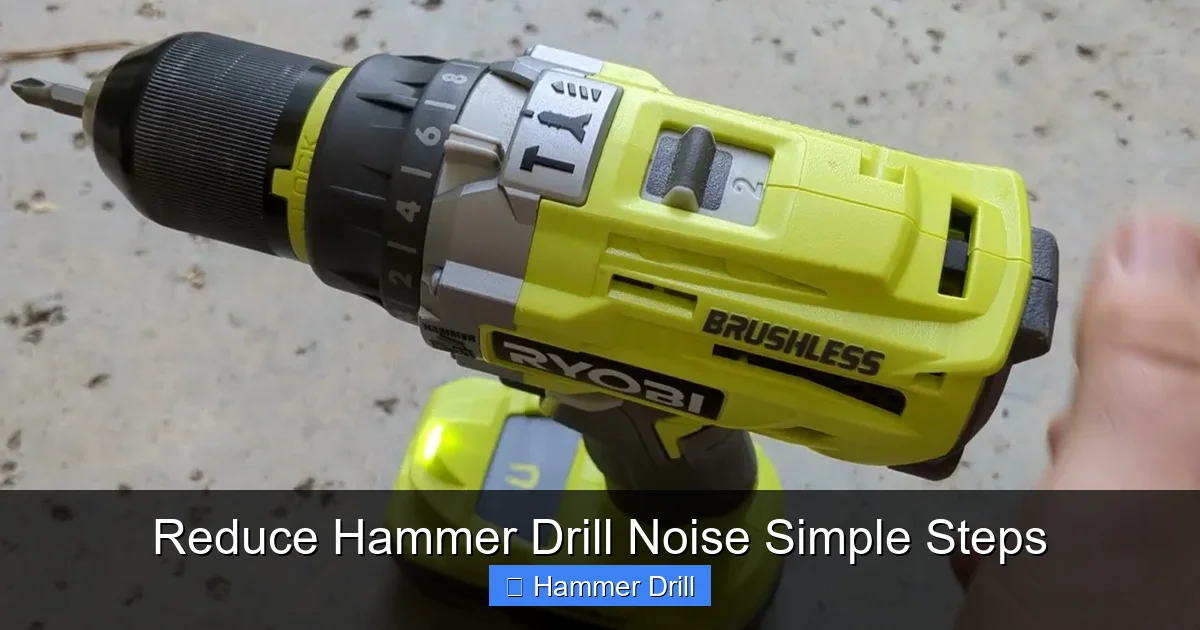
While corded tools are powerful, modern best cordless drill models, especially those with brushless motors, can be surprisingly quiet and effective. They often have better internal dampening and variable speed triggers, giving you more control. Less power waste often means less noise.
Use Sharp, High-Quality Masonry Bits
This is one of the most overlooked tips. A dull bit is a noisy bit. It requires more pressure, spins longer, and grinds inefficiently. Always start with a sharp, carbide-tipped masonry bit that matches your drill’s chuck size. A sharp bit cuts cleanly, reduces drilling time, and lowers the overall noise output.
Step 2: Master the Technique for Quieter Drilling
How you use the tool is just as important as the tool itself. Proper technique reduces strain on the drill, the bit, and your ears.
Visual guide about Reduce Hammer Drill Noise Simple Steps
Image source: i.ytimg.com
Let the Tool Do the Work
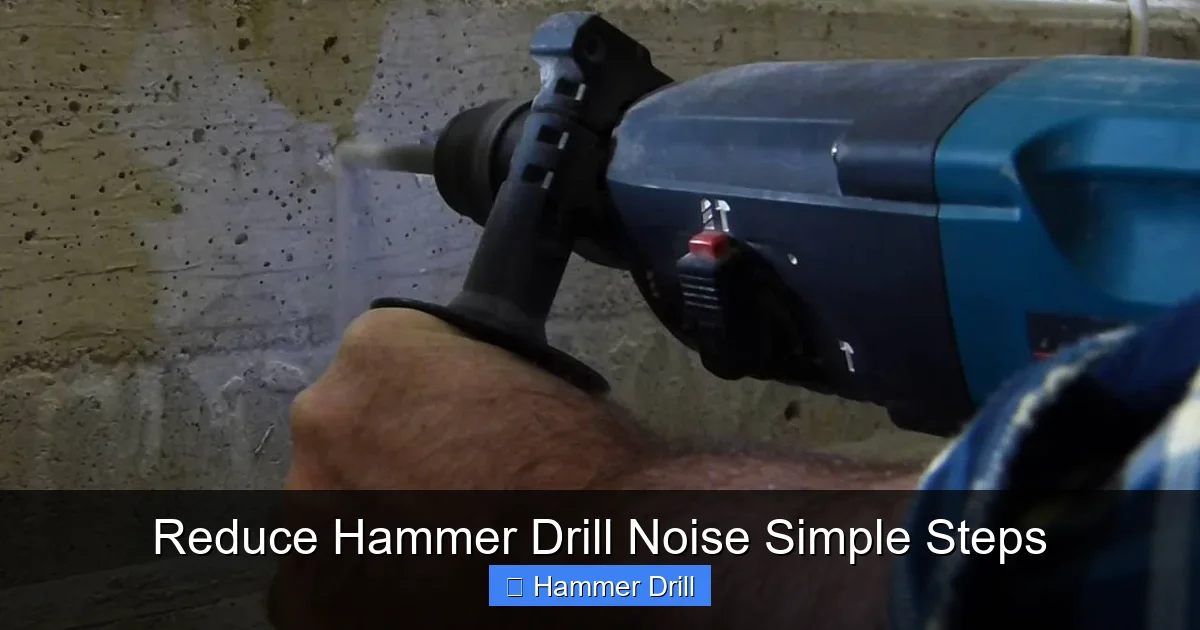
You do not need to lean into a hammer drill. Excessive pressure can actually dampen the hammering action, making it less effective and louder. Apply firm, steady pressure and let the hammer mechanism provide the impact force. This is a key principle for how to use a drill effectively, whether for screws or masonry.
Use the Correct Speed and Drilling Mode
Start slowly to create a pilot guide, then increase speed. Many materials drill more quietly at a medium speed rather than full throttle. Also, ensure you have actually switched the drill to “hammer” mode. Drilling in standard rotary mode on masonry is incredibly loud and damaging.
Clear Dust from the Hole Frequently
Masonry dust can clog the flutes of your bit. A clogged bit has to work harder, creating more friction and noise. Periodically pull the bit completely out of the hole to clear the dust. This keeps the bit cutting efficiently and reduces drilling time and noise.
Step 3: Protect Yourself with the Right Gear
Noise reduction isn’t just about what comes out of the tool; it’s about what reaches your ears. Hearing protection is non-negotiable.
Wear Earplugs or Earmuffs (Or Both!)
Standard foam earplugs are a good start, but for hammer drill noise, consider rated earmuffs (with a high Noise Reduction Rating or NRR). For extreme noise, use earplugs and earmuffs together. This “dual protection” is highly recommended for prolonged use.
Don’t Forget Other Safety Aspects
Loud noise can be a distraction. Remember general worksite safety. If your project requires working at height, such as drilling into a ceiling, review essential safety tips for climbing ladders to ensure you’re focused and secure.
Step 4: Isolate and Contain the Sound
Now let’s deal with the noise that escapes into your surroundings. The goal is to create a barrier between the source and everything else.
Build a Temporary Sound Booth
If you’re working in a garage or room, hang heavy moving blankets or specialized sound-dampening curtains from temporary frames around your work area. These materials absorb sound waves, preventing them from bouncing around the space.
Use Mass-Loaded Vinyl (MLV)
For a more professional solution, mass-loaded vinyl is a thin, flexible sheet with high density. Attaching it to temporary walls or draping it over stands creates an excellent sound barrier. It’s highly effective at blocking impact noise like a hammer drill’s.
Dampen Vibrations
Place a thick rubber mat or a piece of carpet under the material you’re drilling (if possible). This prevents the vibration from being transmitted into the floor or workbench, which acts like a giant speaker.
Step 5: Be a Considerate Neighbor and Time Your Work
Reducing noise is also about managing expectations and choosing the right time.
Communicate with Neighbors
A quick conversation can work wonders. Let your immediate neighbors know you have a noisy project, tell them when you plan to do it (e.g., “Tuesday between 10 AM and 2 PM”), and apologize in advance. This simple act builds goodwill.
Follow Local Noise Ordinances
Most areas have rules about loud construction noise. Typically, loud work is restricted to weekday daytime hours (e.g., 8 AM to 6 PM). Never assume you can drill late at night or early on a Sunday morning. Check your local laws.
Plan and Batch Noisy Tasks
Instead of drilling one hole today and two tomorrow, plan your project to complete all drilling in one concentrated session. This minimizes the overall disturbance period.
Troubleshooting Common Noise Problems
Problem: The drill is making a horrible grinding/screeching sound.
Solution: Stop immediately. This usually means a very dull bit, the wrong type of bit, or the drill is not in hammer mode. Check your settings and bit sharpness.
Problem: The noise seems excessively loud and the drill is vibrating wildly.
Solution: You may be drilling into rebar or a very hard aggregate. Use a rebar-cutting drill bit or consider an alternative location. Ensure you are not applying too much side pressure.
Problem: The sound is echoing unbearably in an empty room.
Solution: Bring in soft materials. Furniture, cardboard boxes, and even bags of insulation can help absorb echo. The temporary sound booth method described above is perfect for this.
Conclusion: Peace, Quiet, and Productivity
Reducing hammer drill noise isn’t about magic. It’s a series of logical, simple steps. Start with a sharp bit in the right tool. Use gentle, proper technique. Always protect your own hearing with strong gear. Contain the sound with barriers and blankets. And finally, be smart and considerate about when you make noise.
By following this guide, you transform from a source of disruption into a model of considerate productivity. You protect your long-term health, keep peace with those around you, and might just find the job is easier and faster too. Now, gear up and drill on—quietly.
