
This guide reveals the professional hammer drill techniques that transform tough masonry work from a struggle into a smooth, precise operation. You will learn how to select the right tool and bits, prepare your work surface correctly, and execute drilling with control and safety. Follow these pro tips to drill cleaner holes faster, extend your tool’s life, and complete your projects with confidence.
Key Takeaways
- Tool Selection is Paramount: Using a hammer drill for masonry and an impact driver for fasteners is crucial for efficiency and tool longevity.
- Bit Quality Dictates Results: Investing in carbide-tipped masonry bits designed for hammer drill use is non-negotiable for clean, fast drilling.
- Preparation Prevents Problems: Marking accurately, checking for hidden utilities, and using a pilot punch are essential preparatory steps for professional outcomes.
- Technique Trumps Brute Force: Let the tool do the work by applying steady, moderate pressure and using the hammer action correctly for the material.
- Dust Management is a Must: Regularly clearing debris from the hole and using dust extraction protects your health, ensures bit engagement, and maintains tool function.
- Cooling Extends Tool Life: Employing a pulsing action or pausing periodically prevents bit overheating and damage to both the bit and the drill motor.
- Safety is the Foundation: Always wear appropriate PPE (goggles, mask, gloves, ear protection) and secure your workpiece before starting any drilling operation.
Master Hammer Drill Professional Tips for Perfect Results
So you have a hammer drill. That’s a great start for tackling concrete, brick, or stone. But do you know the secrets that separate a messy, frustrating job from a clean, professional one? A hammer drill is a powerful tool, but like any tool, its results depend entirely on the skill of the person using it. This guide is your roadmap to that skill. We will move beyond the basics and dive into the professional hammer drill tips used by contractors and seasoned DIYers. You will learn how to prepare, execute, and troubleshoot like a pro, ensuring every hole is precise, every project is safe, and your tool lasts for years to come. Let’s unlock the full potential of your hammer drill.
Step 1: Gear Up Like a Pro (Tool & Bit Selection)
Before you touch a switch, getting the right gear is 50% of the battle. Using the wrong tool or bit is the most common beginner mistake.
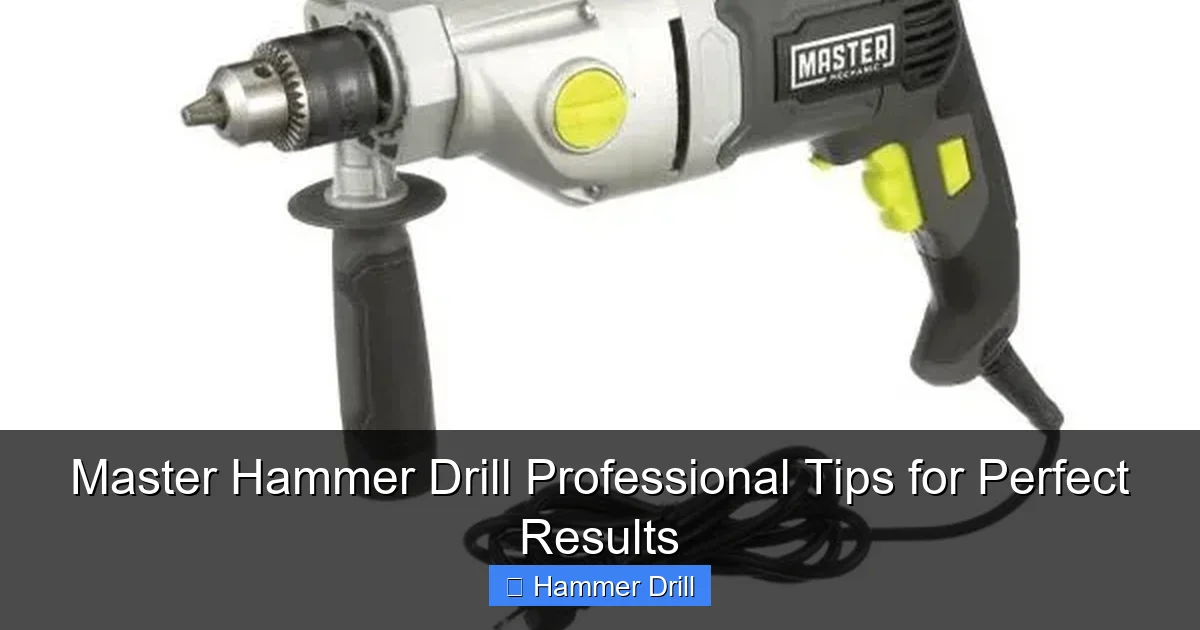
Visual guide about Master Hammer Drill Professional Tips for Perfect Results
Image source: assets.unilogcorp.com
Know Your Tool’s Purpose
First, be absolutely sure you need the hammer function. A hammer drill combines a spinning motion with a pounding, hammering action to pulverize masonry. It is not for wood, metal, or driving screws. For a detailed breakdown, our guide on the difference between a drill and a hammer drill clarifies this critical distinction. If you’re driving large lag bolts into wood, you’d want an impact driver. Confused about that difference? We explain it in our article What Is The Difference Between Impact Driver And Hammer Drill.
Choose the Champion Bit
The bit is where the work happens. For masonry, you must use carbide-tipped masonry bits. These are hardened to withstand the hammering action. Standard twist bits will be destroyed in seconds. Pro tip: Look for bits with a “percussion” or “hammer drill” rating. For cordless models, selecting a high-quality tool from the start is key; explore options in our best cordless drill recommendations for models known for power and durability.
- Diameter: Match the bit to your anchor or plug size.
- Length: Choose a bit at least 1/2″ longer than your required hole depth to account for debris.
- Tip Geometry: A well-ground carbide tip with four cutting edges will drill faster and cleaner than a cheap two-cutter design.
Step 2: The Professional’s Preparation Ritual
Rushing to drill is a recipe for mistakes. Pros never skip preparation.
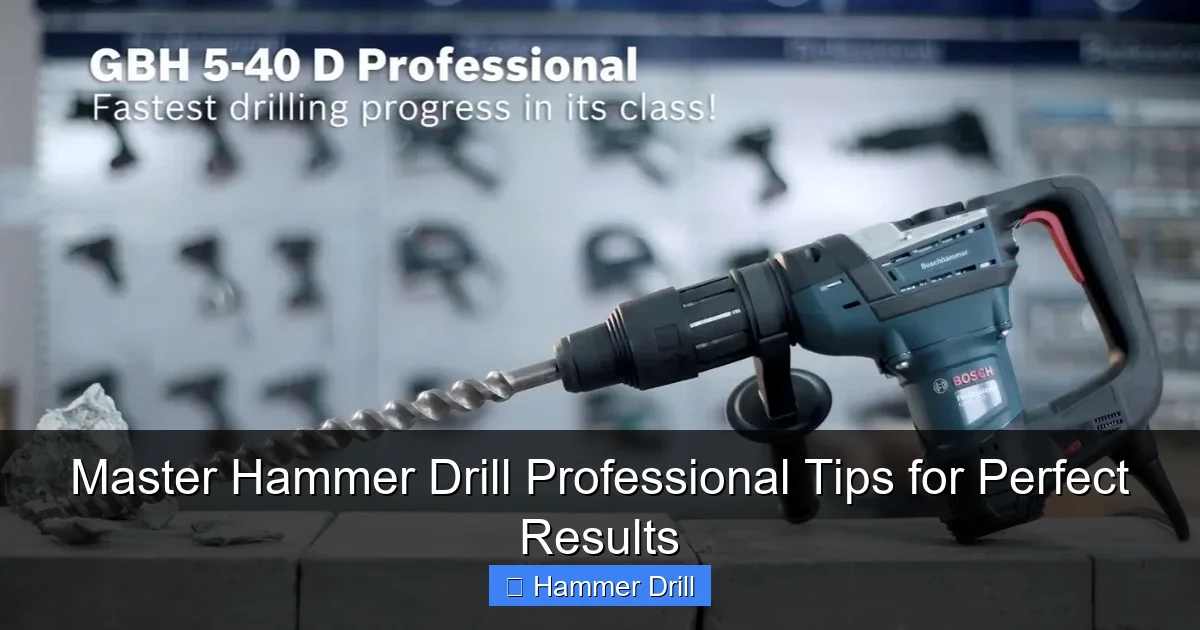
Visual guide about Master Hammer Drill Professional Tips for Perfect Results
Image source: i.ytimg.com
Mark with Unshakeable Accuracy
Use a sharp pencil or a center punch. For critical holes, use a combination square or level to ensure your marks are perfectly aligned. “Measure twice, drill once” is the golden rule.
Locate Hidden Dangers
Always, always use a stud finder with AC detection to check for wires, pipes, or rebar behind the surface. Drilling into a live wire or a water pipe is dangerous and costly.
Create a Starter Indentation
Before you pull the trigger at full speed, use a nail and hammer or a dedicated center punch to make a small divot exactly on your mark. This prevents the hard, round bit from “walking” or skidding across the surface when you start, ensuring your hole is exactly where you want it.
Secure Your Work and Yourself
Clamp down loose materials. If you’re working overhead or on a ladder, this is non-negotiable. For ladder safety, which is crucial when drilling into high walls or ceilings, review our guides on essential safety tips for climbing ladders and best practices for using a mobile ladder with handrails.
Step 3: The Art of Drilling: Technique is Everything
Now for the main event. This is where pro technique shines.
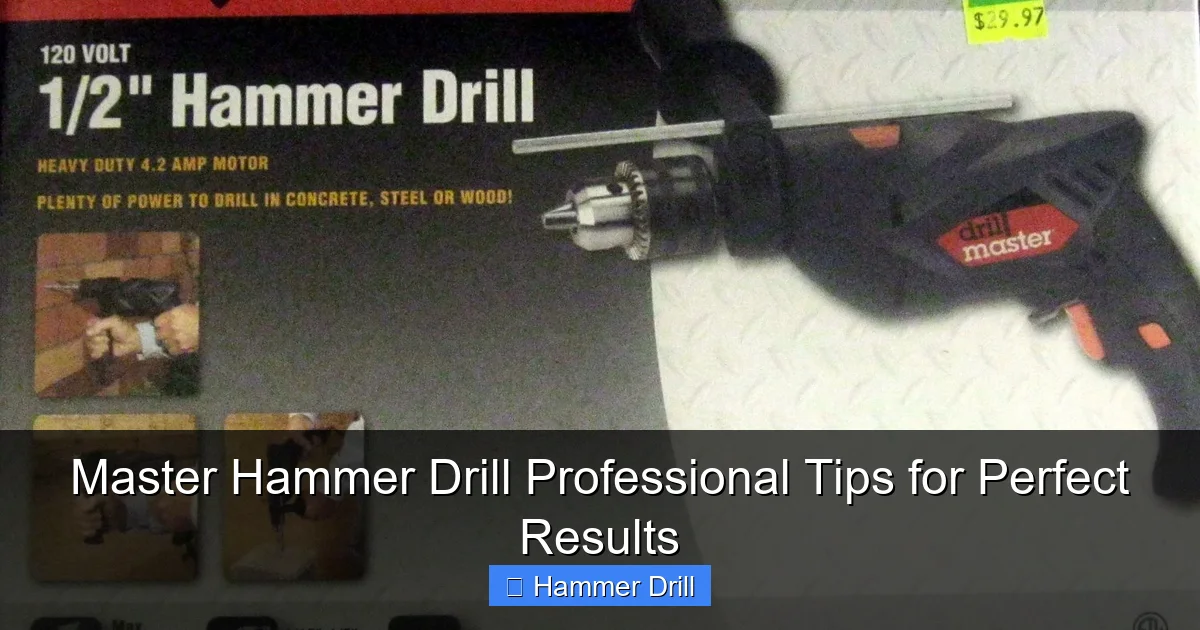
Visual guide about Master Hammer Drill Professional Tips for Perfect Results
Image source: s.ecrater.com
Start Slow and Straight
Begin drilling at a slow speed without the hammer action engaged, if your drill allows it. This helps establish the hole accurately. Once the bit is engaged, you can switch to hammer mode and increase speed. Maintain a straight, 90-degree angle to the surface. A slight angle can cause bit binding or breakage.
Let the Tool Do the Work
Do not lean on the drill. Apply firm, steady pressure, but let the hammer mechanism provide the impacting force. Excessive pressure can overheat the bit, stall the motor, and reduce drilling speed.
Master the “Pulse and Clear” Method
This is a signature pro move. Every 10-15 seconds, or when you feel resistance building, pull the bit partially out of the hole while it is still spinning (but turn off the hammer action). This pulls the concrete dust out of the hole. Blow or vacuum it clear. A clean hole allows the bit’s cutting edges to engage fresh material, dramatically increasing speed and preventing the bit from getting stuck.
Keep it Cool
Masonry bits get extremely hot. Overheating can destroy the carbide tip’s hardness. For deep holes, pause periodically to let the bit cool. You can also dip the tip in water occasionally, but ensure the drill is unplugged/battery removed first to avoid shock risk.
Step 4: Pro Tips for Specific Materials
Not all masonry is created equal. Adjust your approach.
For Tough Concrete (with Aggregate)
Expect slower progress. Use the “pulse and clear” method frequently. If you hit a piece of aggregate (stone), you may need to drill through it slowly or use a bit designed for reinforced concrete (SDS-Plus or SDS-Max systems are better for this).
For Brick or Cinder Block
These materials are softer but can be crumbly. Use a slightly lower hammer force setting if your drill has variable impact. Too much force can blow out the back of a hollow block or cause spalling (chipping) around the hole entrance.
For Tile or Porcelain
You must drill through the glazed surface first without hammer action. Use a specialized diamond-tipped or spear-tipped bit and run the drill on slow speed until you’re through the tile. Then, you can switch to hammer mode and a masonry bit for the wall behind it.
Step 5: Troubleshooting Common Problems
Even pros hit snags. Here’s how to solve them.
Problem: The Bit is Spinning But Not Drilling
Solution: Confirm the hammer action is engaged. Check for a worn-out bit—the carbide tip may be rounded off. Ensure you are using sufficient, steady pressure.
Problem: The Drill is Overheating or Smoking
Solution: STOP IMMEDIATELY. You are pushing too hard or drilling for too long without a break. Let the tool cool down completely. Check for excessive dust build-up in the tool’s vents.
Problem: The Bit is Stuck in the Hole
Solution: Do not force it. Switch the drill to reverse (hammer action off) and gently try to back it out while wiggling slightly. If that fails, you may need to use a second drill and bit to carefully drill alongside the stuck bit to relieve pressure.
Problem: Hole is Ragged or Chipped at the Entrance
Solution: You started too fast or without a starter punch. Next time, use the punch and start slowly. You can also place a piece of masking tape over the mark before drilling to help reduce chipping.
Step 6: Post-Drilling & Tool Maintenance
The job isn’t done when the hole is made. Professional care ensures your tool is ready for next time.
Clean the Hole and the Bit
Use a blow-out bulb or vacuum to remove all dust from the hole before inserting an anchor. Wipe down your bit with a dry cloth while it’s still warm to prevent dust from caking on.
Clean and Store Your Drill
Wipe the entire tool body. For corded models, loosely wrap the cord. For cordless, remove the battery and store it in a cool, dry place. Check the air vents and chuck for debris.
Inspect Bits Regularly
A dull bit is dangerous and inefficient. Look for rounded or chipped carbide edges. Sharpen or replace worn bits promptly.
Conclusion: Your Path to Professional Results
Mastering your hammer drill is not about having the strongest arms; it’s about smart preparation, sharp tools, and refined technique. By following these professional hammer drill tips—selecting the right bit, preparing your workspace meticulously, drilling with controlled force, managing dust, and caring for your equipment—you elevate your work from amateur to expert. Each clean, precise hole you drill is a testament to skill, not just power. Now, take this knowledge, respect the tool, and tackle your next masonry project with unwavering confidence. Perfect results are waiting.
