
This guide reveals essential hammer drill professional tips that separate DIYers from seasoned contractors. You’ll discover proper techniques, safety protocols, and pro tricks for drilling into concrete, masonry, and metal with maximum efficiency. Stop wasting time and money on mistakes that cost you jobs.
Key Takeaways
- Choose the right mode: Use hammer drill mode only for masonry and concrete. Switch to regular drill mode for wood and metal to prevent damage and extend bit life.
- Master your stance: Keep your body balanced, arms straight, and apply firm, steady pressure. Let the tool do the work without forcing it.
- Select proper bits: Always use carbide-tipped masonry bits for concrete. Match bit size to anchor requirements and keep bits sharp.
- Safety is non-negotiable: Wear safety glasses, dust masks, and hearing protection. Secure workpieces and check for hidden wiring.
Clean air vents, check brushes, and lubricate moving parts every 50 hours of use to prevent costly breakdowns. - Control dust: Use vacuum systems or wet drilling methods to comply with OSHA regulations and keep job sites clean.
- Start slow: Begin drilling at low speed to create a pilot groove, then increase speed gradually for clean, accurate holes.
Introduction: Why Hammer Drill Professional Tips Matter
If you’re a contractor, your hammer drill is probably one of your most valuable tools. But are you using it to its full potential? Many contractors use hammer drills the same way they use regular drills. That’s like using a race car to drive to the grocery store. You’re not tapping into the full power and precision these tools offer.
In this guide, you’ll learn hammer drill professional tips that will save you time, reduce fatigue, and deliver results that make clients call you back. We’ll cover everything from basic safety to advanced techniques that pros use on commercial job sites. By the end, you’ll drill cleaner holes, work faster, and extend your tool’s life by years.
Understanding Your Hammer Drill: How It Works
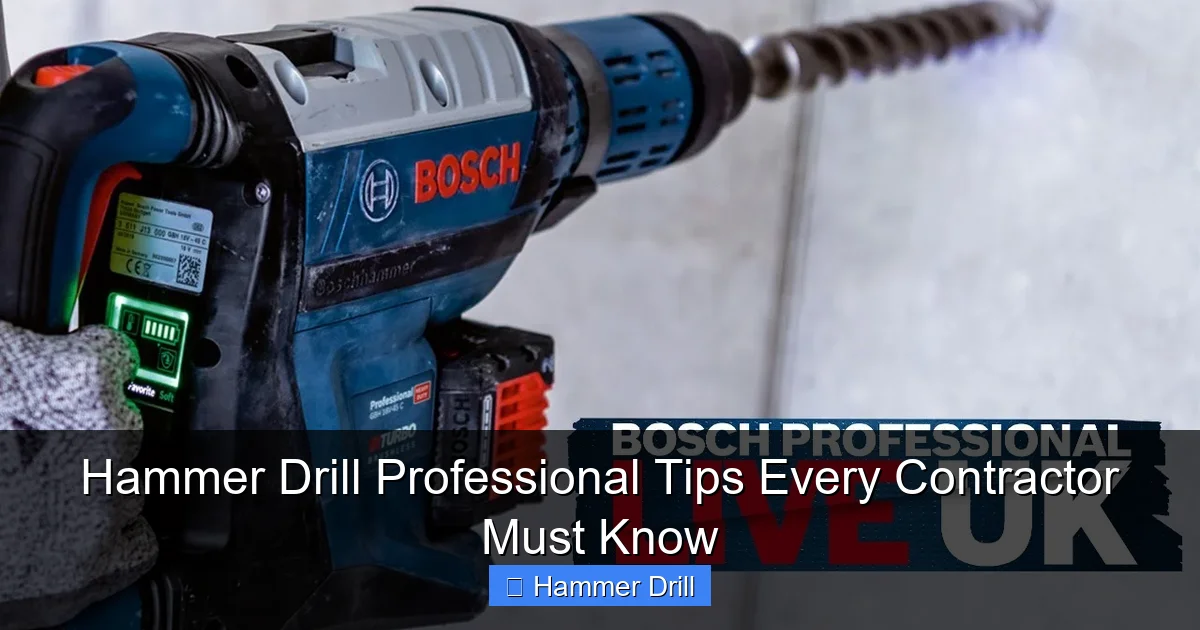
Before we dive into professional tips, let’s make sure you understand what makes a hammer drill special. A regular drill just spins. A hammer drill spins AND pounds. That dual action is what lets you cut through concrete like butter.
Visual guide about Hammer Drill Professional Tips Every Contractor Must Know
Image source: i.ytimg.com
The hammering mechanism uses two plates that click together and apart at high speed. This creates a pounding action that can deliver 10,000 to 50,000 blows per minute. That’s why you need different techniques than you’d use with a standard drill.
Many contractors confuse hammer drills with impact drivers. While both hammer, they serve different purposes. Understanding the difference between an impact driver and hammer drill helps you choose the right tool for each task and avoid costly mistakes on the job site.
Essential Safety Protocols: Protect Yourself First
Hammer drills pack serious power. That power demands respect. Every year, contractors suffer injuries from improper use. Don’t become a statistic.
Visual guide about Hammer Drill Professional Tips Every Contractor Must Know
Image source: c8.alamy.com
Personal Protective Equipment (PPE)
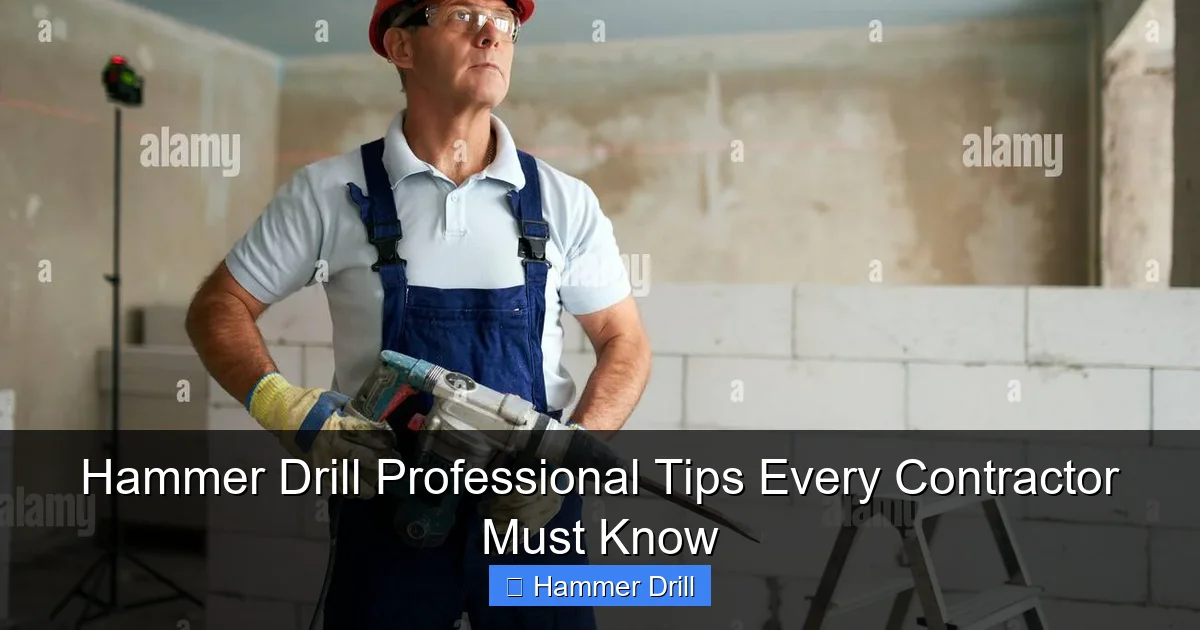
Always wear safety glasses with side shields. Concrete chips fly at high velocity and can cause permanent eye damage. Use a NIOSH-approved dust mask or respirator. Concrete dust contains silica, which can cause lung disease. Hearing protection is mandatory. Hammer drills exceed 85 decibels easily. Wear earplugs or earmuffs that fit comfortably under your hard hat.
Pre-Operation Checks
Inspect your drill cord for frays before each use. Check that the chuck is tight and secure. Verify that the mode switch is in the correct position. Loose chucks can eject bits during operation. That’s an easy way to lose an eye.
Always locate rebar and electrical conduits before drilling. Use a stud finder with AC detection or a dedicated rebar scanner. Drilling into live wiring can be fatal. Striking rebar can damage your bit and cause dangerous kickback.
Working at Heights
Many drilling jobs require ladders or scaffolding. Essential safety tips for climbing ladders include maintaining three points of contact and securing the ladder properly. Never lean out to the side while drilling. The torque and hammer action can pull you off balance. Use a ladder stabilizer and have a spotter hold the ladder steady.
Selecting the Right Hammer Drill for the Job
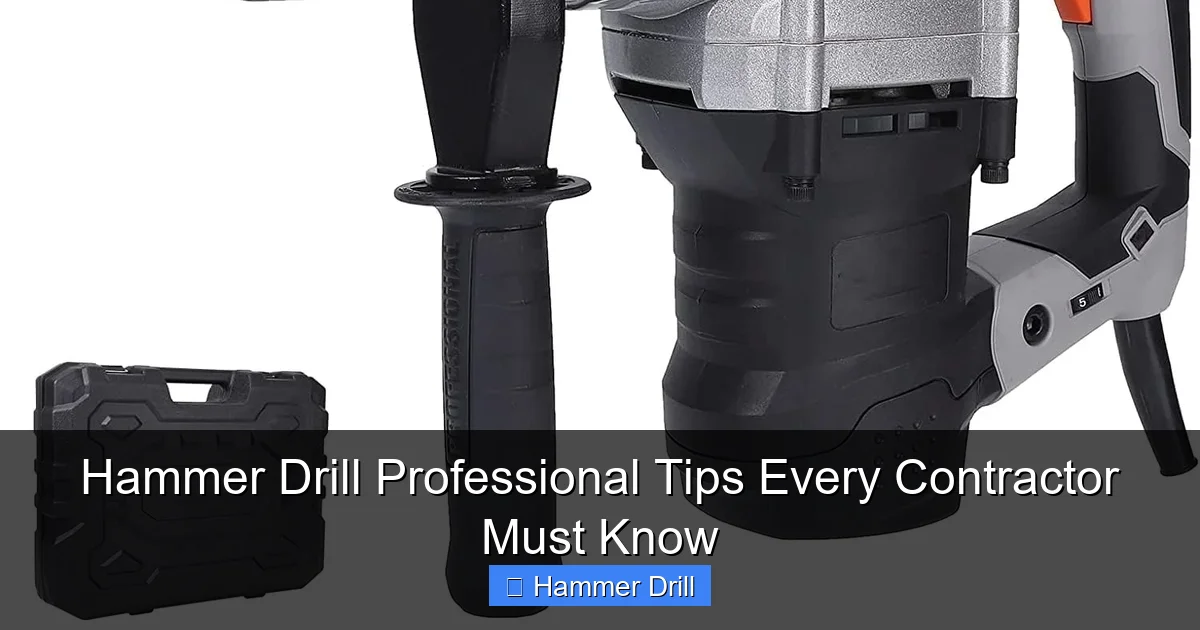
Not all hammer drills are created equal. Choosing the wrong tool makes every job harder. Here’s how to pick the right one.
Visual guide about Hammer Drill Professional Tips Every Contractor Must Know
Image source: m.media-amazon.com
Corded vs. Cordless Considerations
Corded hammer drills deliver consistent power for all-day use. They’re ideal for commercial sites with reliable power. Cordless models offer mobility for overhead work and remote locations. Modern lithium-ion batteries provide surprising runtime. Best cordless drill options now include powerful hammer drill models that rival corded performance.
For heavy-duty concrete work, choose corded. For remodeling and repair work, go cordless. Many contractors keep both in their arsenal.
Key Features to Evaluate
Look for at least 7 amps for corded models. For cordless, aim for 18V or 20V minimum. Check the blows-per-minute (BPM) rating. Higher is better for concrete. Variable speed control is essential. You need low speed for starting holes and high speed for finishing.
Consider the clutch settings. A good clutch prevents over-driving anchors and damaging materials. Look for a quick-change chuck system. It saves time when switching bits. Anti-vibration technology reduces fatigue during extended use.
Choosing the Correct Drill Bits and Accessories
Your hammer drill is only as good as the bit you put in it. Using the wrong bit wastes time and money. It can also be dangerous.
Masonry Bits for Concrete and Brick
Always use carbide-tipped masonry bits for concrete, brick, or block. The carbide tip must be sharp. Dull bits overheat and fail quickly. Check the tip for chipping before each use. Replace bits when the tip is worn down or rounded.
Match your bit size to the anchor you’re installing. Use a bit that’s exactly the diameter specified by the anchor manufacturer. Too large and the anchor won’t hold. Too small and you can’t insert the anchor.
For holes deeper than 2 inches, use a bit with a special shank design that clears dust efficiently. Consider buying bits with depth stops. They ensure consistent hole depth for professional results.
Specialty Bits for Wood and Metal
Never use masonry bits in wood or metal. Switch to high-speed steel bits for these materials. Always disengage hammer mode when drilling wood or metal. The hammering action will splinter wood and damage metal.
For large holes in wood, use spade bits or hole saws. For metal, use step bits or twist bits with cutting fluid. Keep a selection of quick-change adapters in your tool belt. They let you switch between bit types in seconds.
Mastering Proper Drilling Technique
Good technique makes the difference between a pro and a novice. Follow these steps every time.
Setting Up Your Workpiece
Secure your workpiece firmly. Use clamps, vise, or a helping hand. A moving workpiece is an accident waiting to happen. Mark your drilling point with a nail punch or awl. This prevents the bit from wandering when you start.
For overhead drilling, mark the spot and then position yourself so you’re looking straight at it. Use a level to ensure your drill is perpendicular to the surface. Drilling at an angle weakens the hole and can damage the bit.
The Right Grip and Stance
Hold the drill with both hands. Keep your dominant hand on the main handle and your other hand on the auxiliary handle. Stand with your feet shoulder-width apart. Keep your knees slightly bent. This stance absorbs vibration and gives you better control.
Apply steady, firm pressure. Don’t force the drill. Let the hammering action do the work. Too much pressure can overheat the motor and break bits. Too little pressure won’t engage the hammer mechanism properly.
Step-by-Step Drilling Process
Start at low speed to create a pilot groove. This keeps the bit from walking. Once the bit is seated, increase speed gradually. Drill in short bursts. This clears dust and prevents overheating.
For deep holes, use the peck drilling method. Drill 1 inch, retract to clear dust, then drill another inch. Repeat until you reach depth. This method prevents bit jamming and extends bit life significantly.
When you’re done, reverse the drill slowly to back the bit out. Don’t stop the drill while it’s still in the hole. The flutes can grab and damage the hole edges.
Drilling in Different Materials: Pro Strategies
Each material requires specific techniques. Master these for flawless results.
Concrete and Reinforced Concrete
Concrete is the bread and butter of hammer drill work. Start with a small pilot hole for deep holes in concrete. This guides the larger bit and prevents wandering. Keep the drill perpendicular. Angled drilling can cause the bit to bind.
When drilling into reinforced concrete, you’ll hit rebar. Stop immediately if you feel resistance change. Rebar can dull your bit quickly. Reposition and restart. Don’t try to force through rebar.
For multiple holes in concrete, use a template. This ensures consistent spacing. It’s much faster than measuring each hole individually.
Brick and Block Masonry
Brick and block are softer than concrete but more brittle. Use less pressure to avoid cracking. Start at medium speed rather than low speed. Low speed can sometimes cause more vibration that cracks the masonry.
Drill through the mortar joints when possible. Mortar is softer than brick and provides a stronger anchor point. If you must drill into brick, choose the center of the brick away from edges.
For veneer brick, be extremely careful. These bricks are thin and can break easily. Use a lower BPM setting if your drill has adjustable hammer action.
Wood and Metal Applications
Remember to switch out of hammer mode for wood and metal. The hammering action will destroy these materials. Use sharp bits designed specifically for each material.
For wood, use brad point bits for clean holes. For metal, use high-speed steel bits with cutting oil. Apply steady pressure without forcing. Let the bit cut at its own pace.
When drilling thin metal, clamp a scrap piece of wood behind it. This prevents burrs and keeps the metal from vibrating. It also protects your work surface.
Maintenance and Care for Longevity
A well-maintained hammer drill lasts for years. A neglected one fails when you need it most. Follow this routine.
Daily Maintenance
Clean dust from the chuck and air vents after each use. Use compressed air or a small brush. Check the power cord for damage. Inspect the bit for wear. Store the drill in its case to protect it from dust and moisture.
Check the chuck for tightness. A loose chuck can be dangerous. Tighten it with the key or by hand if it’s a keyless chuck. Wipe down the housing with a dry cloth. Never use solvents that can damage plastic parts.
Weekly and Monthly Tasks
Every week, check the brushes if your drill has brush access points. Worn brushes can damage the motor. Lubricate the chuck with a few drops of oil. Rotate the chuck by hand to distribute the lubricant.
Monthly, inspect the hammer mechanism. Some models allow you to add special grease. Consult your manual for the correct lubricant and procedure. Check all screws and fasteners for tightness. Vibration can loosen them over time.
Troubleshooting Common Problems
Even pros run into issues. Here’s how to solve the most common problems.
Bit Won’t Stay Sharp
If your bits dull quickly, you might be using too much pressure. Forcing the drill overheats the carbide tip. Try reducing pressure and using the peck drilling method. Also, verify you’re using the right bit for the material. Masonry bits on metal will dull instantly.
Check if you’re hitting rebar or other hard spots. If so, reposition your hole. Make sure your drill is in hammer mode for masonry. Without hammer action, masonry bits can’t cut effectively and will overheat.
Drill Overheats or Loses Power
Overheating usually means you’re pushing too hard or the vents are clogged. Stop and let the drill cool for 10 minutes. Clean the air vents with compressed air. Check if the motor brushes are worn. Replace them if they’re shorter than 1/4 inch.
For cordless models, battery issues can cause power loss. Make sure your battery is fully charged. Store batteries at room temperature. Cold batteries deliver less power. Keep spare batteries on the charger so you always have one ready.
Excessive Vibration or Wobble
Wobble means your bit is bent or your drill bearings are worn. Check the bit for straightness. Replace any bent bits immediately. A bent bit can shatter during use. If the bit is straight, the drill’s chuck or bearings may be worn. Have it serviced by a professional.
Also, verify you’re using the correct mode. Using regular drill mode on concrete creates excessive vibration that can damage the tool. Ensure the mode switch is fully engaged in hammer mode.
Holes Are Oversized or Irregular
This usually indicates bit wobble or wandering. Check that your drill is perpendicular to the surface. Use a level if needed. Make sure you’re using a sharp bit. Dull bits tend to wander. Consider using a drill guide or template for precision work.
For deep holes, the peck drilling method helps maintain accuracy. Retracting the bit clears dust that can cause the bit to deflect. Take your time and let the drill work at its own pace.
Advanced Professional Tips and Tricks
These are the secrets that separate top contractors from everyone else.
Dust Control Methods
OSHA silica dust regulations are strict. Use a HEPA vacuum system attached to your drill. These systems capture 99% of dust at the source. They’re worth every penny for compliance and cleanliness.
For smaller jobs, use the wet drilling method. Apply water to the drilling point with a squeeze bottle. The water keeps dust down and cools the bit. Just be careful around electrical outlets.
Consider investing in a dust extraction attachment. These devices fit over the drill and collect dust as you work. They’re especially useful for overhead drilling where dust falls on you.
Speed and Efficiency Hacks
Use a center punch to make a small indentation before drilling. This keeps the bit from walking and speeds up setup time. Create drilling templates for repetitive holes. A simple plywood template with holes drilled in it can save hours on large projects.
Invest in a quality depth stop. It ensures every hole is exactly the right depth. No more guesswork or measuring each hole. Magnetic bit holders let you change bits in seconds. Keep several loaded with different bit sizes in your tool belt.
Specialty Applications
For setting concrete anchors, drill slightly deeper than the anchor length. This ensures the anchor sits flush. Clean the hole thoroughly with compressed air before inserting the anchor. Dust in the hole reduces holding strength.
When drilling for conduit, use a stud finder to map the path first. Drill pilot holes every 16 inches to guide the fish tape. This prevents damaging existing wiring. For large diameter holes, start with a smaller pilot bit and step up. This gives you better control and cleaner holes.
Conclusion: Putting It All Together
Mastering these hammer drill professional tips transforms how you work. You’ll drill faster, cleaner, and safer. Your tools will last longer. Your clients will notice the difference.
Start by implementing one or two tips from this guide. Practice them until they become habits. Then add more. Before long, you’ll be the contractor other guys ask for advice on the job site.
Remember, the best tool is the one you know how to use. A $100 hammer drill used like a pro beats a $500 hammer drill used like an amateur. Keep learning, keep practicing, and keep delivering results that earn you referrals.
