
This guide teaches you exactly how to use your hammer drill reverse function like a professional. You’ll discover when to use reverse mode, step-by-step instructions for every task, and advanced tricks that save time and frustration. Stop damaging materials and start working smarter with your power tool.
Key Takeaways
- Understanding reverse function: Hammer drill reverse disengages the hammer mechanism while spinning bits counterclockwise, perfect for screw removal.
- Safety first: Always wear eye protection and secure workpieces before using reverse mode to prevent accidents.
- Right tool for the job: Use hammer drill reverse for stubborn screws, backing out drill bits, and clearing jams in masonry.
- Proper technique matters: Apply steady pressure and use pulse mode for better control when removing stripped screws.
- Maintenance is crucial: Regular cleaning of the chuck and mode selector ensures smooth reverse operation every time.
- Troubleshooting tips: If reverse won’t engage, check the mode dial, bit installation, and trigger lockout features.
- Advanced strategies: Combine forward and reverse motions to extract severely stuck fasteners without damage.
Your Complete Hammer Drill Reverse Function Guide
You’re staring at a stripped screw that won’t budge. Your regular drill just spins helplessly. This is exactly when your hammer drill reverse function becomes your best friend. This guide transforms you from confused to confident with simple, proven techniques. You’ll learn not just the “how” but the “why” behind every step. Let’s unlock the full potential of your power tool.
Understanding Your Hammer Drill’s Reverse Function
Before you flip that switch, let’s talk about what’s actually happening inside your tool. Knowledge is power, and it prevents costly mistakes.

Visual guide about Hammer Drill Reverse Function Guide Ultimate Tips and Tricks
Image source: imore.com
What is Reverse Function?
The reverse function on your hammer drill does exactly what you’d expect—it spins the chuck counterclockwise instead of clockwise. But here’s the key difference from a regular drill: in reverse mode, most hammer drills automatically disengage the hammer mechanism. This prevents damaging the bit or workpiece when you’re removing screws. Think of it as your tool’s “un-do” button.
How Reverse Works in Hammer Drills
Inside your hammer drill, a simple gear mechanism changes the rotation direction. When you select reverse, the motor spins the opposite way while the hammer action stops. This is crucial because hammering while trying to remove a screw would destroy both the fastener and your material. Your hammer drill reverse function essentially turns into a powerful screwdriver at that point.
When to Use Reverse vs Forward
Use forward (clockwise) for drilling holes and driving screws into materials. Switch to reverse when you need to remove screws, back out a drill bit that’s gone too far, or clear a clogged masonry bit. Understanding this simple rule prevents frustration and extends your tool’s life. If you’re unsure about which mode to use for specific tasks, check out our guide on the difference between a drill and a hammer drill for more clarity on when each tool excels.
Essential Safety Precautions Before Using Reverse
Power tools demand respect. The reverse function can be dangerous if you skip safety steps. Let’s cover the non-negotiables.
Visual guide about Hammer Drill Reverse Function Guide Ultimate Tips and Tricks
Image source: shuntool.com
Personal Protective Equipment
Always wear safety glasses. Metal shavings and debris fly differently in reverse. Secure your hair and loose clothing. Consider hearing protection for extended use. A dust mask is smart when working with masonry materials. These simple items prevent 90% of common injuries.
Work Area Preparation
Clear your workspace completely. Secure the workpiece with clamps—never hold it with your hand. Ensure good lighting so you can see what you’re doing. Keep bystanders at least 10 feet away. A stable, organized workspace makes your hammer drill reverse operation smooth and safe.
Tool Inspection
Check your drill before each use. Look for loose parts, damaged cords, or cracks in the housing. Test the reverse switch to ensure it clicks securely into position. Inspect your bit for wear or damage. A quick 30-second check prevents mid-task failures.
Step-by-Step Guide to Using Hammer Drill Reverse
Now for the good stuff. Follow these steps exactly for perfect results every time.
Visual guide about Hammer Drill Reverse Function Guide Ultimate Tips and Tricks
Image source: imore.com
Step 1: Choose the Right Bit
Select a screwdriver bit that matches your fastener head perfectly. For stripped screws, use a specialty extraction bit. For masonry work, ensure your masonry bit is clean and sharp. The right bit is half the battle won. Using the wrong bit will strip your screw faster than you can say “oops.”
Step 2: Insert and Secure the Bit
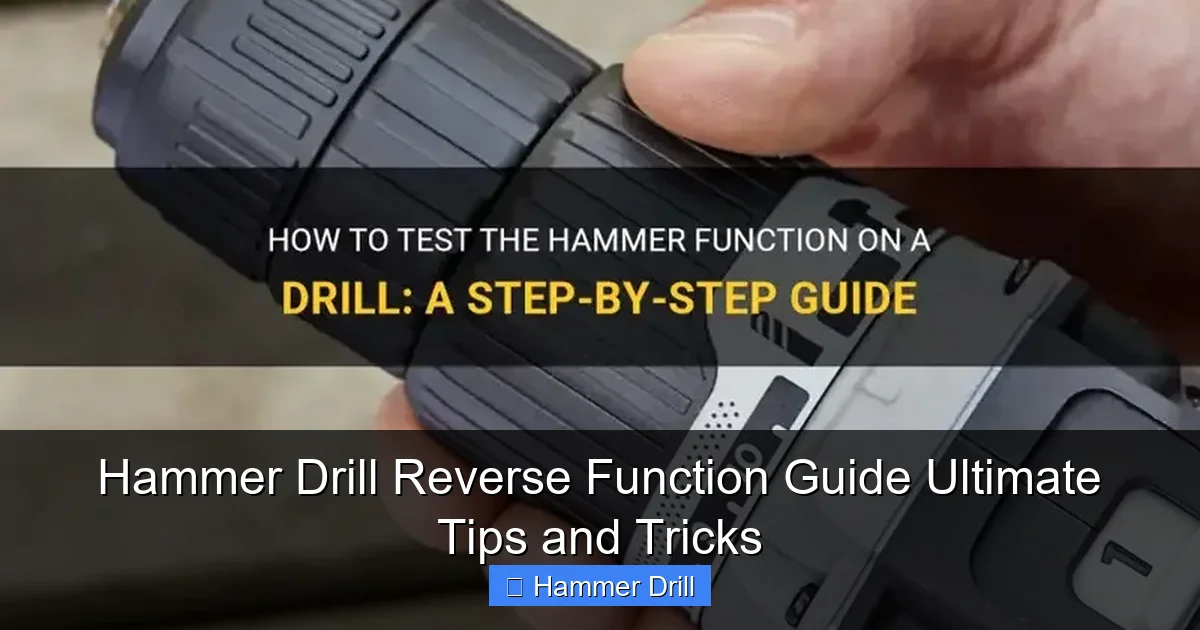
Open the chuck fully. Insert the bit straight in until it bottoms out. Tighten the chuck securely—use the key or hand-tighten until it’s snug. Give the bit a gentle tug to confirm it’s locked. A loose bit in reverse will spin uselessly and can damage the chuck.
Step 3: Set the Mode Selector
Locate your mode selector dial—usually near the trigger. Turn it to the reverse position (often marked with a counterclockwise arrow or “R”). You should feel it click into place. Some models require you to depress a lock button first. Consult your manual if unsure. Never force the selector.
Step 4: Adjust Speed and Torque Settings
Set your speed to low (1-3 on most dials) for maximum torque in reverse. Adjust the torque collar based on screw size—start low and increase as needed. For stripped screws, use the lowest setting to prevent further damage. These settings give you control instead of brute force.
Step 5: Position and Start
Place the bit firmly into the screw head at a perfect 90-degree angle. Keep your hands firmly on the drill and side handle. Stand with stable footing. Pull the trigger gently to start. Let the tool do the work—don’t force it. Proper positioning prevents stripped heads and broken bits.
Step 6: Apply Proper Pressure
Push straight back with steady, moderate pressure. Too little pressure causes cam-out (slipping). Too much pressure damages the screw and material. Imagine you’re trying to keep the bit engaged without crushing the fastener. This sweet spot comes with practice.
Step 7: Complete the Task
Once the screw is loose, you can often finish by hand. For long screws, reverse slowly to maintain control. If the screw is extremely tight, use short bursts (pulsing) rather than continuous pressure. This prevents overheating and gives you better feel.
Common Applications for Reverse Function
Your hammer drill reverse function shines in specific situations. Here’s where it becomes indispensable.
Removing Stripped Screws
This is reverse mode’s superpower. Use a specialty extraction bit that bites into stripped heads. Set to low speed and high torque. Apply firm pressure and reverse slowly. The bit’s design grabs the stripped metal and breaks it free. Success rate? Over 80% on moderately stripped screws.
Backing Out Drilled Holes
Accidentally drill too deep? Switch to reverse and gently back the bit out. This clears dust and prevents binding. For deep holes in masonry, reverse every few inches while drilling forward to clear debris. This technique extends bit life and improves accuracy.
Clearing Clogged Bits
Masonry bits clog with dust over time. Remove the bit and run it in reverse briefly. The reverse rotation flings dust from the flutes. Clean bits cut faster and last longer. Do this every 5-10 holes for best performance.
Installing and Removing Fasteners
Some fasteners require reverse for removal but forward for installation. Toggle bolts, for example, need reverse to back out the sleeve. Always check manufacturer instructions. Using the wrong direction can damage the anchor and your material.
Advanced Tips and Tricks
Ready to level up? These pro techniques separate amateurs from experts.
The “Pulse” Technique
For severely stuck screws, use short trigger bursts instead of continuous pressure. Pulse for 1-2 seconds, release, repeat. This gives the screw threads time to break loose. It also prevents overheating the motor. Most professionals use this method for rusted or over-torqued fasteners.
Using Reverse for Tight Spaces
In confined areas, you might not have room for full rotation. Use the shortest bit possible. Set your drill to the lowest speed. Apply steady pressure and use micro-movements. Sometimes a right-angle attachment helps. The key is patience and control over power.
Combination Forward/Reverse Strategy
For extremely stubborn screws, try this: give the screw a tiny forward turn (1/8 rotation) to break corrosion, then immediately switch to reverse. This forward-then-reverse motion often breaks the initial static friction. It sounds counterintuitive but works surprisingly well on rusted fasteners.
Maintaining Bit Grip
Wrap the screw head with electrical tape if it’s badly stripped. This gives the bit extra grip. For Phillips heads, dip the bit in rubber cement before inserting. It fills the gaps and increases friction. These tricks save you from buying expensive extraction kits for simple jobs.
Troubleshooting Common Issues
Even pros hit snags. Here’s how to solve the most frequent reverse function problems.
Reverse Not Engaging
If reverse won’t click in, check for a lockout button near the trigger. Some models prevent accidental direction changes. Ensure the bit is fully inserted—some drills won’t reverse with a loose chuck. If it still won’t engage, the internal switch may be worn. Professional service is needed.
Bit Slipping in Reverse
Usually caused by a worn chuck or improper bit installation. Clean the chuck jaws with compressed air. Check for grease or debris. Tighten the chuck more securely. If the chuck is worn (common after 2-3 years of heavy use), replace it. A slipping chuck damages bits and reduces effectiveness.
Stripping Screws in Reverse
You’re using too much pressure or the wrong bit size. Switch to a larger bit that fits tighter. Use the pulse technique instead of steady pressure. Consider a screw extraction kit for badly stripped heads. Prevention is easier than extraction—always use the right bit and steady pressure.
Excessive Vibration
Usually indicates a bent bit or loose chuck. Turn off the drill immediately. Inspect the bit for straightness. Check that the chuck is tight on the spindle. If vibration persists, the motor bearings may be worn. This requires professional attention. Don’t ignore vibration—it damages both tool and workpiece.
Maintenance for Optimal Reverse Performance
Your hammer drill reverse function lasts longer with simple care. Make this part of your routine.
Regular Cleaning
After each use, blow out dust from the chuck and mode selector with compressed air. Wipe the housing with a dry cloth. Don’t use solvents that can damage plastic parts. Clean bits before storing them. A clean tool works better and lasts longer.
Lubrication Points
Apply a drop of light machine oil to the chuck threads monthly. Work the mode selector back and forth to distribute lubricant. Check your manual for specific grease points on gear mechanisms. Proper lubrication prevents stiff mode changes and reduces wear.
Battery Care for Cordless Models
Reverse mode draws maximum current. Keep batteries charged above 50% for best performance. Store batteries at room temperature. Avoid completely draining them. Clean battery contacts monthly with a dry cloth. Healthy batteries mean consistent reverse power.
Professional Servicing
Every 1-2 years, have your drill professionally serviced. They’ll check the motor brushes, gear alignment, and electrical components. This catches problems before they cause failure. The cost is minimal compared to replacement. Think of it as a tune-up for your tool.
Conclusion
Your hammer drill reverse function is more than just a button—it’s a powerful problem-solving tool. You now know the complete system: from safety basics to advanced extraction techniques. Practice these skills on scrap material first. Build your confidence before tackling important projects. Remember that patience and the right technique beat brute force every time. Your hammer drill reverse function will serve you for years when you understand and maintain it properly. Now go tackle those stubborn screws with confidence!
