
This guide provides you with essential, real-world hammer drill work examples to build confidence and skill. We cover projects from drilling into brick for shelving to chiseling tile, with clear, step-by-step instructions for each. You’ll also learn crucial safety practices and how to choose the right bits and settings for every task, transforming your hammer drill from a mystery into your most versatile tool.
Key Takeaways
- Mode Mastery is Key: The hammer drill’s three modes (drill, hammer drill, chisel) are designed for specific materials. Using the correct one prevents damage and ensures efficiency.
- Masonry is its Main Domain: The primary function of a hammer drill is to bore into hard, brittle materials like concrete, brick, stone, and block where a regular drill would fail.
- Bit Choice is Critical: Always use carbide-tipped masonry bits for drilling. For chiseling, use dedicated flat or point chisels. Using the wrong accessory is dangerous and ineffective.
- Let the Tool Do the Work: Apply steady, moderate pressure. Excessive force can overheat the motor, dull the bit, or cause the drill to bind and kick back.
- Safety is Non-Negotiable: Essential gear includes ANSI-rated safety glasses, a dust mask or respirator, and hearing protection. Always check for hidden wires and pipes before drilling.
- Versatility Beyond Drilling: In chisel mode, your hammer drill can become a mini demolition tool for light tile removal, breaking up thin concrete, or chasing channels in masonry.
Essential Hammer Drill Work Examples For Your Next Project
So, you’ve got a hammer drill. Maybe it was a gift, or you knew you needed more power than a standard drill. But now it’s sitting in its case, and you’re wondering, “What exactly can I do with this thing?” You’re not alone. Many DIYers and homeowners underutilize this powerhouse tool.
This guide is here to change that. We’ll move past the theory and dive into practical, common projects where a hammer drill is not just helpful, but essential. You’ll learn by doing. We’ll walk through each job step-by-step, from securing a TV mount on a concrete wall to removing stubborn bathroom tile. By the end, you’ll see your hammer drill not as a niche tool, but as a fundamental part of your home improvement arsenal. Let’s get to work.
Work Example 1: Installing a Shelf or TV Mount on a Masonry Wall
This is the classic hammer drill task. Whether it’s a heavy bookshelf, a floating shelf, or a TV mount, securing anything substantial to brick, concrete, or cinder block requires a solid anchor. A regular drill simply can’t create the clean hole needed.
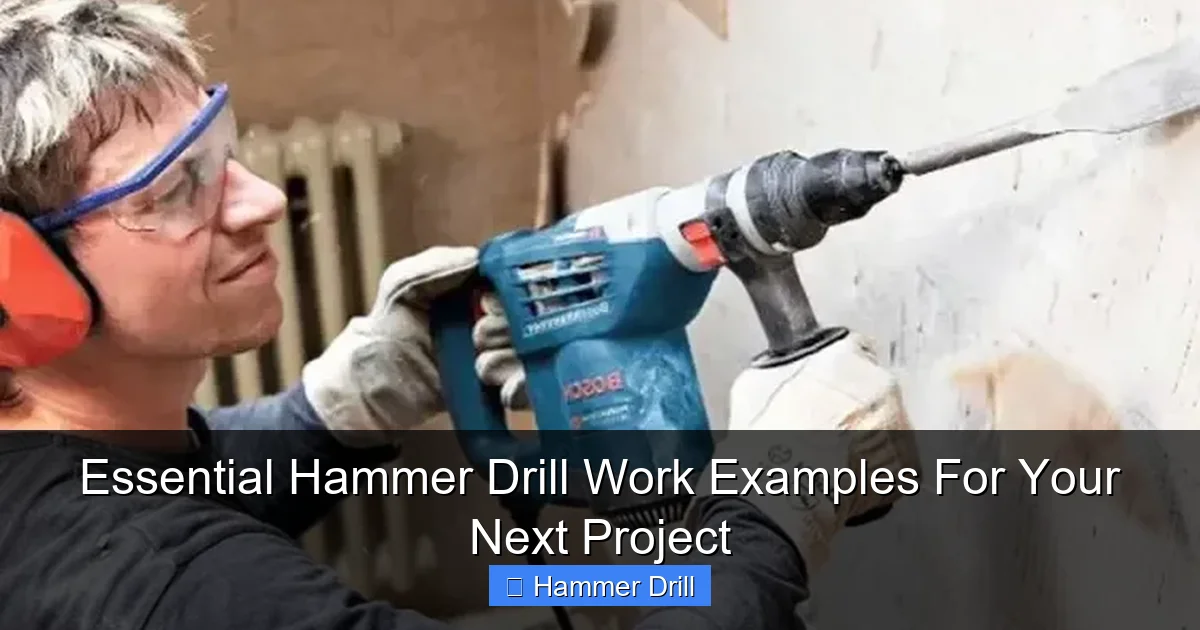
Visual guide about Essential Hammer Drill Work Examples For Your Next Project
Image source: toolsadvisers.com
What You’ll Need
- Hammer drill
- Carbide-tipped masonry drill bit (size matches your wall anchors)
- Wall anchors (sleeve anchors or toggle bolts are great for heavy loads)
- Masking tape
- Pencil
- Hammer
- Safety glasses & dust mask
- Vacuum or brush for cleanup
Step-by-Step Instructions
Step 1: Mark and Prepare Your Spot
Use a level and pencil to mark exactly where your holes need to go. If you’re using a shelf bracket or TV mount, hold it in place and mark through the holes. Put a small “X” on the mark. Place a piece of masking tape over the X. This helps prevent the bit from “walking” or skidding on the hard surface when you start.
Step 2: Select the Right Bit and Depth
Choose a masonry bit that is the same diameter as your wall anchor’s body (not the screw). Most anchors specify the drill bit size. Use a bit stop or wrap a piece of tape around the bit to mark your drilling depth. This depth should be slightly deeper than the length of your anchor to allow for dust.
Step 3: Drill with Confidence
Set your hammer drill to the hammer drill mode (the icon with a drill bit and hammer). Hold the drill perpendicular to the wall. Start at a slow speed to create a pilot dent, then increase speed while applying firm, steady pressure. You’ll feel and hear the distinct hammering action. Don’t force it; let the tool do the work. Periodically pull the bit out to clear masonry dust from the hole.
Step 4: Clean and Install
Once the hole is drilled, use a vacuum nozzle, a blast of air, or a specialized hole cleaning brush to remove all debris from the hole. This is crucial for the anchor to seat properly. Tap your wall anchor into the hole with a hammer until it’s flush with the wall, then tighten the screw to expand the anchor and secure your fixture.
Pro Tip: Confused about when to use this vs. a regular drill? For a deep dive, check out our article on the Difference Between A Hammer Drill And Regular Drill.
Work Example 2: Drilling into Concrete for a Patio or Fence Post
For outdoor projects like installing a fence, a mailbox, or patio umbrella base, you often need to drill into poured concrete slabs or footings. This is where the hammer drill truly shines.
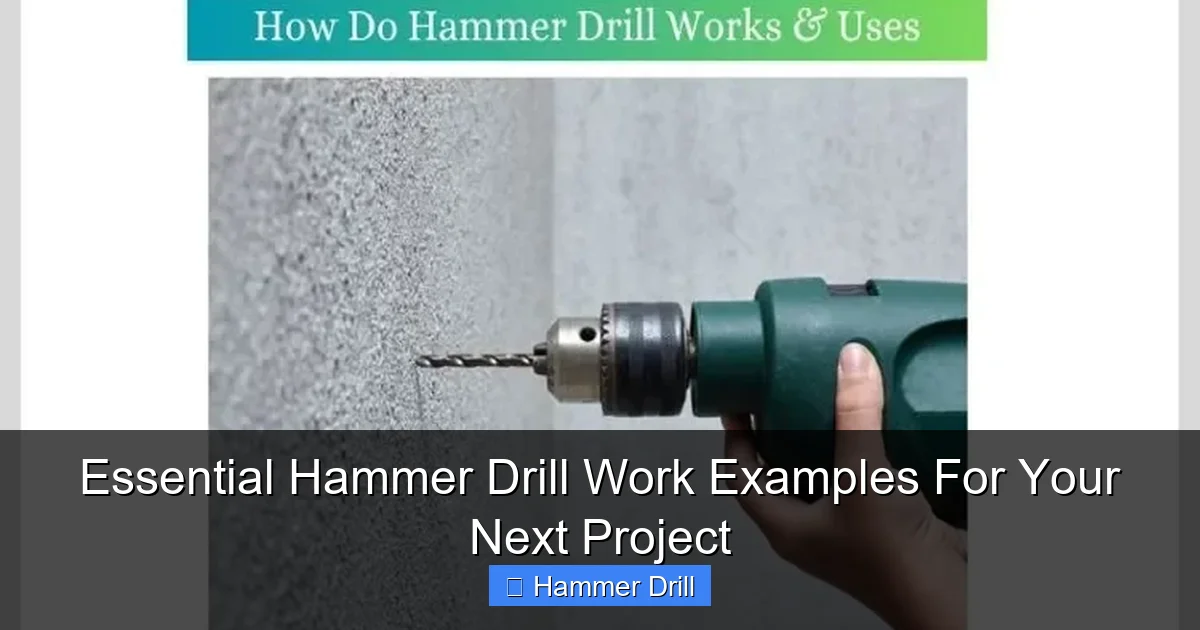
Visual guide about Essential Hammer Drill Work Examples For Your Next Project
Image source: toolsadvisers.com
What You’ll Need
- Hammer drill (corded models often have more power for sustained concrete work)
- Heavy-duty masonry bits (SDS-Plus bits are ideal for larger/harder concrete)
- Marker or chalk
- Measuring tape
- Hammer
- Concrete anchors or wedge bolts
- Full safety gear (glasses, mask, gloves, hearing protection)
Step-by-Step Instructions
Step 1: Locate and Mark Precisely
Measure and mark your hole locations with a permanent marker or chalk. Double-check your measurements—it’s hard to fix a mistake in concrete!
Step 2: Start with a Pilot Indentation
Concrete can be extremely hard. Use a masonry nail and hammer to create a small starter indentation on your mark. This gives the drill bit a place to bite and prevents it from wandering.
Step 3: Drill Deep and Patiently
Fit your hammer drill with the correct size bit. Set it to hammer drill mode. Start drilling at a medium speed, holding the tool perfectly straight. Apply constant, firm pressure. For deep holes (over 2 inches), drill in stages, pulling the bit out frequently to clear dust and prevent it from getting stuck. If you hit rebar, you’ll need a special bit designed to cut through metal.
Step 4: Clean and Set the Anchor
Thoroughly clean the hole of all concrete dust. Insert your concrete anchor. For wedge bolts, you will tighten the bolt, which pulls a wedge up to expand the sleeve against the concrete. Follow the manufacturer’s instructions precisely for a rock-solid hold.
Work Example 3: Light Demolition & Chiseling Work
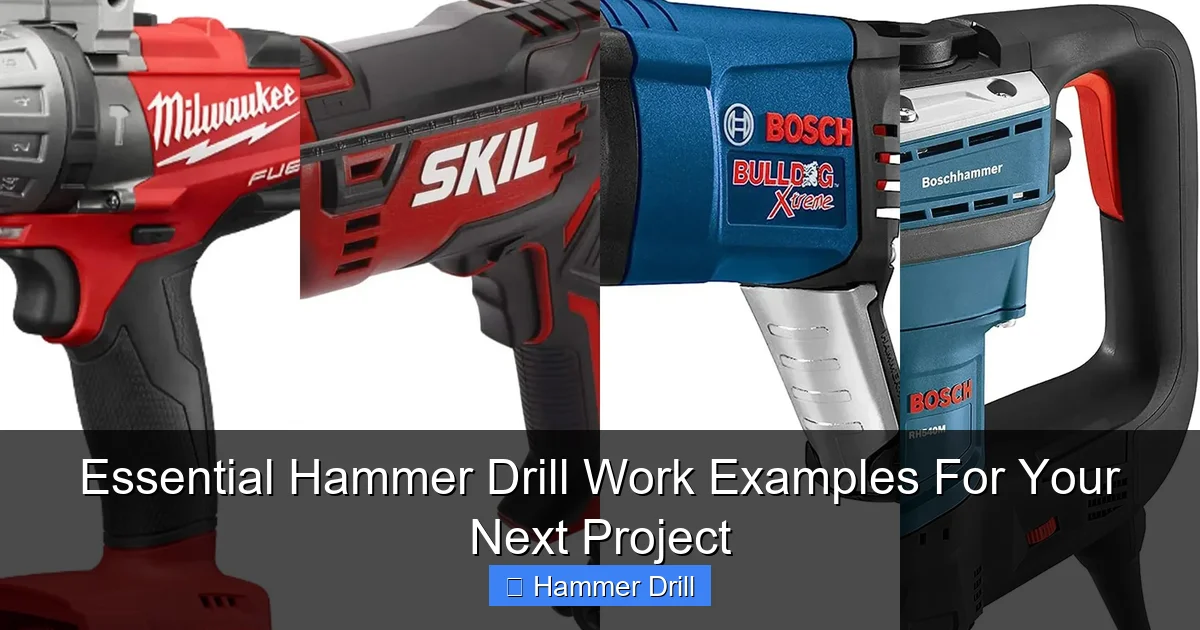
This is the fun part! Many hammer drills have a “chisel only” or “hammer only” mode. This disengages the rotation, and the tool acts like a mini jackhammer. It’s perfect for small, controlled breaking tasks.
Visual guide about Essential Hammer Drill Work Examples For Your Next Project
Image source: popsci.com
Common Chiseling Applications:
- Removing old bathroom or kitchen tile.
- Breaking up a small section of thin concrete for repair.
- Chasing a channel in a masonry wall to run a wire or pipe.
- Chipping away excess mortar or concrete.
Step-by-Step: Removing a Bathroom Tile
Step 1: Safety and Setup First
Wear heavy gloves, long sleeves, and eye protection. Tile shards are sharp. Start at an edge or a grout line. Fit your hammer drill with a flat chisel or tile removal chisel attachment. Set the tool to chisel only mode.
Step 2: Work from the Edge
Position the chisel at a shallow angle under the edge of the tile. Gently engage the hammer action. The goal is to get under the tile to break the adhesive bond, not to pulverize the tile itself. Work your way across, leveraging the tile up.
Step 3: Patience is a Virtue
Go slowly. Aggressive hammering can damage the underlying wall (drywall or cement board). Once a tile is up, move to the next. This method saves huge effort compared to using a manual hammer and chisel.
Pro Tip: The chiseling action is very different from the drilling action. If you’re curious about other tools that use impact force, learn about What Is Club Hammer And How Its Used for manual demolition work.
Work Example 4: Drilling into Brick for Exterior Decor or Lighting
Installing outdoor lights, house numbers, or decorative elements on a brick exterior is a common task. Brick is softer than concrete but still requires a hammer drill for a clean hole.
Key Considerations:
- Avoid the Mortar: Whenever possible, drill into the brick itself, not the mortar joint. Brick holds an anchor much better. Mortar can crumble.
- Mind the Dust: Brick creates a lot of red dust. Use a dust mask and consider having a helper hold a vacuum near the hole.
- Use the Right Anchor: Plastic sleeve anchors work well in brick. For heavy items, use a screw anchor designed for masonry.
The Process:
Mark your spot on the brick. Apply masking tape. Use a masonry bit slightly smaller than your anchor if the brick is soft (test first). Drill using hammer drill mode with steady pressure. Clean the hole thoroughly before inserting the anchor.
Work Example 5: Drilling into Stone or Tile
Natural stone (like granite or slate) and ceramic/porcelain tile require a gentle touch and the right bit.
For Tile:
- Use a Spear-point or Diamond Grit Hole Saw: Never use a standard masonry bit on glazed tile—it will crack it.
- NO Hammering: When drilling through finished tile (e.g., for a faucet), you often use just the drill mode (hammering OFF) to prevent cracks. The hammer function may only be used carefully for very hard porcelain, but start without it.
- Keep it Cool: Use water to lubricate and cool the bit, especially with a diamond hole saw.
For Natural Stone:
The process is similar to tile. Use a carbide-tipped masonry bit or diamond bit. Start slowly without hammer mode to create a guide, then you can often engage a light hammer function if the stone is very hard. Proceed with caution.
Troubleshooting Common Hammer Drill Issues
Even with the right technique, you might hit a snag. Here’s how to solve common problems.
The Bit is Spinning But Not Drilling
Likely Cause: The hammer drill is set to “drill only” mode. You’re trying to drill masonry with a rotary drill.
Fix: Switch the collar or setting to the “hammer drill” icon.
The Drill is Overheating or Smoking
Likely Cause: Excessive pressure, a dull bit, or a blocked air vent.
Fix: Ease up on the pressure. Let the tool cool down. Check if the bit is worn and replace it. Ensure the tool’s vents are not clogged with dust.
The Bit Gets Stuck in the Hole
Likely Cause: Not clearing dust from a deep hole, causing the bit to bind.
Fix: Stop drilling. Switch to reverse (if available) while gently wiggling the drill. If stuck fast, you may need to carefully break away material around the bit with a small chisel. Always clear dust every 10-15 seconds of drilling.
Hole is Too Big or Sloppy
Likely Cause: A worn-out bit, or the bit “walked” when starting.
Fix: Use a sharp bit. Always start with a pilot indentation or use a center punch. Use masking tape on the surface to help the bit grip.
Conclusion: Your Project Awaits
Your hammer drill is no longer a mystery. You’ve seen it in action across five essential work examples, from the simple shelf to light demolition. Remember, success lies in matching the mode to the material, using sharp, correct bits, and letting the tool’s hammering action do the hard work for you. Always prioritize safety—those glasses and mask are your best friends.
The gap between a standard drill and a hammer drill is significant for masonry work. If you’re still deciding what tool you need for your toolbox, our guide on the Difference Between Impact Driver And Hammer Drill can help clarify their unique roles. Now, grab your hammer drill, pick a project, and start building with confidence. That blank concrete wall is just a canvas waiting for your next great idea.