
Firefighter ladders can reach impressive heights. Typically, they extend up to 100 feet.
Some specialized ladders can go even higher. Firefighters rely on their ladders for critical rescue operations. These ladders help them reach people trapped in tall buildings. They also provide access to upper floors for firefighting. Understanding the capabilities of these ladders is essential.
It ensures that firefighters can use them effectively during emergencies. Different ladders serve various purposes. Some are designed for urban areas with tall buildings. Others are for smaller structures. Knowing how high these ladders can go helps in planning and executing rescues. Let’s explore the heights these ladders can reach and their importance in firefighting.
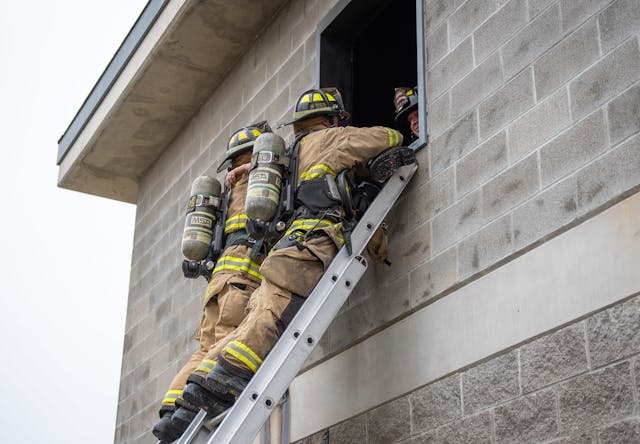
Credit: www.firehouse.com
Firefighter Ladder Basics
Firefighter ladders are essential tools for rescue operations. They provide access to high places and help save lives. Understanding the types and heights of these ladders is crucial for safety and efficiency.
Types Of Ladders
Firefighters use different types of ladders based on the situation. Here are the most common ones:
- Ground Ladders: These are portable and can be carried by firefighters.
- Aerial Ladders: These are mounted on fire trucks and can extend to great heights.
- Extension Ladders: These can be adjusted to reach various heights.
- Roof Ladders: These have hooks to secure them to the roof’s peak.
Standard Ladder Heights
The height of a ladder can determine its usefulness in an emergency. Here are the standard heights for common firefighter ladders:
| Type of Ladder | Standard Height |
|---|---|
| Ground Ladders | 14 to 35 feet |
| Aerial Ladders | 50 to 135 feet |
| Extension Ladders | 24 to 60 feet |
| Roof Ladders | 12 to 24 feet |
Each ladder serves a specific purpose. Ground ladders are ideal for quick, short-term use. Aerial ladders reach higher floors and rooftops. Extension ladders are versatile and adjustable. Roof ladders ensure safe access to sloped roofs.
Technology And Innovation
The world of firefighting has seen significant advancements in technology and innovation. Modern firefighter ladders are a prime example of this. These ladders are designed to reach impressive heights, ensuring firefighter safety and efficiency. Let’s dive into the modern ladder materials and advanced ladder features that make this possible.
Modern Ladder Materials
Firefighter ladders used to be made of wood. Today, they are made from lightweight yet durable materials. These materials include aluminum and fiberglass. Aluminum ladders are popular due to their strength and light weight. Firefighters can easily carry and maneuver them.
Fiberglass ladders, on the other hand, are valued for their non-conductive properties. This makes them ideal for electrical fire situations. Both materials provide high resistance to heat and corrosion. This ensures the ladders’ longevity and reliability in harsh conditions.
Advanced Ladder Features
Modern firefighter ladders come with a range of advanced features. These features enhance their functionality and safety. One of the key features is the automatic extension. This allows the ladder to extend to its full length quickly, saving precious time in emergencies.
Another important feature is the integrated stabilizers. These provide additional support and stability when the ladder is deployed. This reduces the risk of slipping or collapsing during use.
Some ladders also have built-in sensors that alert firefighters if the ladder is not properly positioned. This ensures that the ladder is always used safely. Additionally, modern ladders often include LED lights to improve visibility in low-light conditions.
Safety Considerations
Firefighter ladders are essential for reaching high places during emergencies. Safety considerations are crucial to ensure the well-being of both firefighters and those they are rescuing. Let’s explore the key factors that contribute to ladder safety.
Stability And Support
The stability of a firefighter ladder is vital. Firefighter ladders must be stable on various surfaces. Uneven ground or slippery conditions can pose risks. Special ladder feet or stabilizers help maintain balance. Proper support prevents the ladder from tipping. Firefighters must check the ground before placing the ladder.
Weight Limits
Weight limits are crucial for ladder safety. Each ladder has a maximum weight capacity. This includes the weight of the firefighter and equipment. Exceeding weight limits can cause the ladder to collapse. Proper training ensures firefighters know the weight limits. Adhering to these limits prevents accidents.

Credit: www.fireengineering.com
Training And Skills
Firefighters undergo extensive training to handle various emergencies. Their skills in deploying ladders are crucial. This training ensures they can use these tools effectively. Let’s dive deeper into the techniques and situations they face.
Ladder Deployment Techniques
Firefighters learn specific techniques for deploying ladders. They must know the right angle for stability. The ladder angle should be around 75 degrees. This ensures maximum safety and efficiency.
They also practice raising ladders quickly. Speed is essential during emergencies. Firefighters use different methods depending on the situation. For instance, they may use a single firefighter method for shorter ladders. For longer ladders, multiple firefighters work together.
Here are some common ladder deployment techniques:
- Single Firefighter Method
- Two-Firefighter Beam Raise
- Two-Firefighter Flat Raise
- Three-Firefighter Flat Raise
Each technique has its advantages. Firefighters choose the best one based on the scenario. Proper training ensures they can make these decisions quickly.
Emergency Situations
During emergencies, the ability to use ladders effectively can save lives. Firefighters face various challenges. Smoke, fire, and panic can make ladder deployment difficult. Training prepares them for these situations.
For example, rescuing people from high-rise buildings. Firefighter ladders can reach up to 100 feet. This is about 10 stories high. They must position the ladder correctly. The ladder needs to be stable despite the chaos.
Here are some key skills for emergency situations:
- Quick decision-making
- Effective communication
- Physical strength and endurance
- Team coordination
These skills are vital. They ensure firefighters can handle emergencies efficiently. Proper training and practice make all the difference.
Challenges In Urban Areas
Firefighting in urban areas presents unique challenges. Tall buildings, narrow streets, and dense populations make it hard for firefighters to do their job. One of the biggest questions people ask is, “How high do firefighter ladders go?” Let’s explore the challenges firefighters face in cities.
High-rise Buildings
High-rise buildings are common in cities. These buildings can be very tall, often over 100 feet. The height of these buildings means that regular ladders are not enough. Firefighters need special equipment to reach the upper floors. Aerial ladders and elevated platforms are used for this purpose.
Most aerial ladders can reach up to 100 feet. Some specialized ladders can go even higher, up to 150 feet. But even the tallest ladders have limits. This means firefighters must find other ways to reach people in very tall buildings.
Access Difficulties
Cities have many narrow streets and alleys. These can make it hard for fire trucks to get close to a building. Sometimes, cars parked on the street make the problem worse. Firefighters must find ways to get their equipment to the right spot.
Traffic congestion is another issue. In busy cities, traffic can slow down fire trucks. Every second counts in a fire, so this delay can be dangerous. Fire departments plan routes carefully to avoid traffic and get to the fire quickly.
Another problem is the construction of buildings. Some buildings have unique designs that make it hard to use ladders. Firefighters need to adapt and use creative solutions to reach these areas. This might include using ropes or other climbing gear.
| Challenge | Solution |
|---|---|
| High buildings | Aerial ladders, elevated platforms |
| Narrow streets | Smaller fire trucks, flexible equipment |
| Traffic | Planned routes, traffic control |
| Building design | Ropes, climbing gear |
Firefighters face many challenges in urban areas. They need the right equipment and good planning to keep people safe. Understanding these challenges helps us appreciate the hard work they do every day.

Credit: www.cleveland.com
Future Of Firefighter Ladders
The future of firefighter ladders is bright. With advancements in technology, firefighters will have better tools. These tools will help them reach greater heights and ensure safety. Let’s explore some emerging technologies and potential improvements in firefighter ladders.
Emerging Technologies
New technologies are changing firefighter ladders. One key development is smart ladders. These ladders come with sensors and cameras. Sensors can detect structural integrity and weight limits. Cameras provide a clear view of the surroundings. This helps firefighters make informed decisions.
Another exciting technology is robotic ladders. These ladders are automated and can extend to high places. They can be controlled remotely, reducing risk to firefighters. Robotic ladders can navigate tough terrains with ease.
Lightweight materials are also making a difference. Materials like carbon fiber are strong yet light. This makes ladders easier to carry and set up. Lightweight ladders mean quicker responses during emergencies.
Potential Improvements
There is always room for improvement. One area is ladder stability. Improved designs can provide better balance. This can prevent accidents and increase safety.
Another improvement is height capacity. Ladders can be made to reach taller buildings. This is crucial as cities grow and buildings get higher. Taller ladders will help firefighters save more lives.
Ease of use is also important. Ladders can be designed for faster deployment. Quick setups can save valuable time during a rescue. Simple mechanisms can make a big difference in emergencies.
Table: Key Future Features
| Feature | Benefit |
|---|---|
| Smart Ladders | Better decision-making with sensors and cameras |
| Robotic Ladders | Safer operations with remote control |
| Lightweight Materials | Easier to carry and quicker setup |
| Improved Stability | Safer and more balanced ladders |
| Increased Height | Ability to reach taller buildings |
| Ease of Use | Faster deployment during emergencies |
Frequently Asked Questions
How High Can Firefighter Ladders Reach?
Firefighter ladders can reach up to 100 feet. This height helps access tall buildings.
What Types Of Ladders Do Firefighters Use?
Firefighters use aerial ladders and ground ladders. Aerial ladders are mounted on trucks, while ground ladders are portable.
Are Firefighter Ladders Safe For High Rescues?
Yes, firefighter ladders are very safe. They are built strong and regularly inspected for safety.
How Fast Can Firefighter Ladders Extend?
Firefighter ladders can extend quickly. It usually takes just a few minutes to fully extend.
Do All Fire Trucks Have Ladders?
Not all fire trucks have ladders. Only specific trucks, like ladder trucks and aerial trucks, have them.
Conclusion
Firefighter ladders reach impressive heights to save lives and property. Different ladders serve various purposes, from small rescues to high-rise emergencies. Fire departments use advanced equipment to ensure safety. It’s fascinating to see how technology aids these brave heroes. Understanding ladder capabilities helps us appreciate their efforts.
Next time you see a firetruck, you’ll know its ladder can reach remarkable heights. Stay informed and stay safe. Firefighters’ tools and skills are crucial in protecting our communities. Their dedication and equipment make a difference every day.
