
Stair ladders are essential for reaching high places safely. Knowing how to use them correctly is crucial to avoid accidents.
Stair ladders come in handy for various tasks, from painting walls to cleaning gutters. Using a stair ladder may seem straightforward, but there are important steps to follow to ensure your safety. This guide will help you understand the proper techniques and precautions for using stair ladders.
Whether you’re a homeowner or a professional, learning these steps will make your tasks easier and safer. Read on to discover the key tips for using stair ladders effectively and confidently.
Choosing The Right Stair Ladder
Choosing the Right Stair Ladder is crucial for safety and efficiency. Whether you are a professional or a DIY enthusiast, selecting the right ladder can make a big difference. Let’s dive into the key factors to consider.
Material And Build
The material and build of the ladder affect its durability and weight. Common materials include aluminum, fiberglass, and steel.
- Aluminum: Lightweight and corrosion-resistant. Ideal for light tasks.
- Fiberglass: Strong and non-conductive. Suitable for electrical work.
- Steel: Very sturdy but heavy. Best for heavy-duty tasks.
Consider the build quality. Look for reinforced steps, secure locking mechanisms, and non-slip feet.
Weight Capacity
Weight capacity is another vital factor. Ladders come with different weight ratings. Make sure to choose one that fits your needs.
| Type | Weight Capacity |
|---|---|
| Type I | 250 lbs |
| Type IA | 300 lbs |
| Type IAA | 375 lbs |
Check the weight rating and choose a ladder that supports your weight, including tools and materials.
By focusing on the material and build and the weight capacity, you can select the right stair ladder for your tasks. This ensures safety and efficiency in your work.

Credit: www.platformsandladders.com
Inspecting Your Ladder
Before using a stair ladder, it’s crucial to inspect it. This ensures your safety and the ladder’s longevity. Regular inspection helps you identify potential hazards. Here are the key steps to inspect your ladder properly.
Checking For Damage
First, check the ladder for any visible damage. Look for cracks, bends, or breaks in the ladder’s frame. Damaged parts can compromise the ladder’s integrity and pose a risk.
- Inspect the rungs for dents or wear.
- Check the side rails for any bends or cracks.
- Ensure the locking mechanisms work correctly.
Pay attention to the ladder’s feet. Worn or broken feet can cause instability. Replace any damaged parts immediately.
Ensuring Stability
Next, ensure the ladder is stable. Place it on a flat, non-slip surface. Check that all four feet touch the ground evenly.
- Open the ladder fully and lock the spreaders.
- Shake the ladder gently to test its stability.
- Ensure the ladder does not wobble or tilt.
If the ladder feels unstable, do not use it. Make adjustments or replace the ladder if necessary.
| Inspection Step | Action |
|---|---|
| Check Rungs | Look for dents or wear. |
| Check Side Rails | Look for bends or cracks. |
| Check Feet | Ensure feet are not worn or broken. |
| Test Stability | Ensure all feet touch ground evenly. |
Regular inspection keeps your ladder safe. This reduces the risk of accidents. Make it a habit to inspect your ladder before each use.
Setting Up Properly
Proper setup is vital for safe and efficient use of stair ladders. This step ensures stability and reduces the risk of accidents. Follow these guidelines to set up your stair ladder correctly.
Placement And Angle
Position the ladder on a flat, stable surface. Ensure all feet are firmly on the ground. Avoid slippery or uneven areas.
Maintain a safe angle. The recommended angle is 75 degrees. You can check this by using the 4-to-1 rule. For every 4 feet of height, the base should be 1 foot away from the wall.
| Height | Base Distance |
|---|---|
| 4 feet | 1 foot |
| 8 feet | 2 feet |
| 12 feet | 3 feet |
Check the angle before climbing. A too steep or too shallow angle can cause instability.
Securing The Ladder
Ensure the ladder is secure before use. Lock all hinges and joints. This prevents the ladder from collapsing.
- Verify all locks are engaged.
- Check the ladder’s stability by gently shaking it.
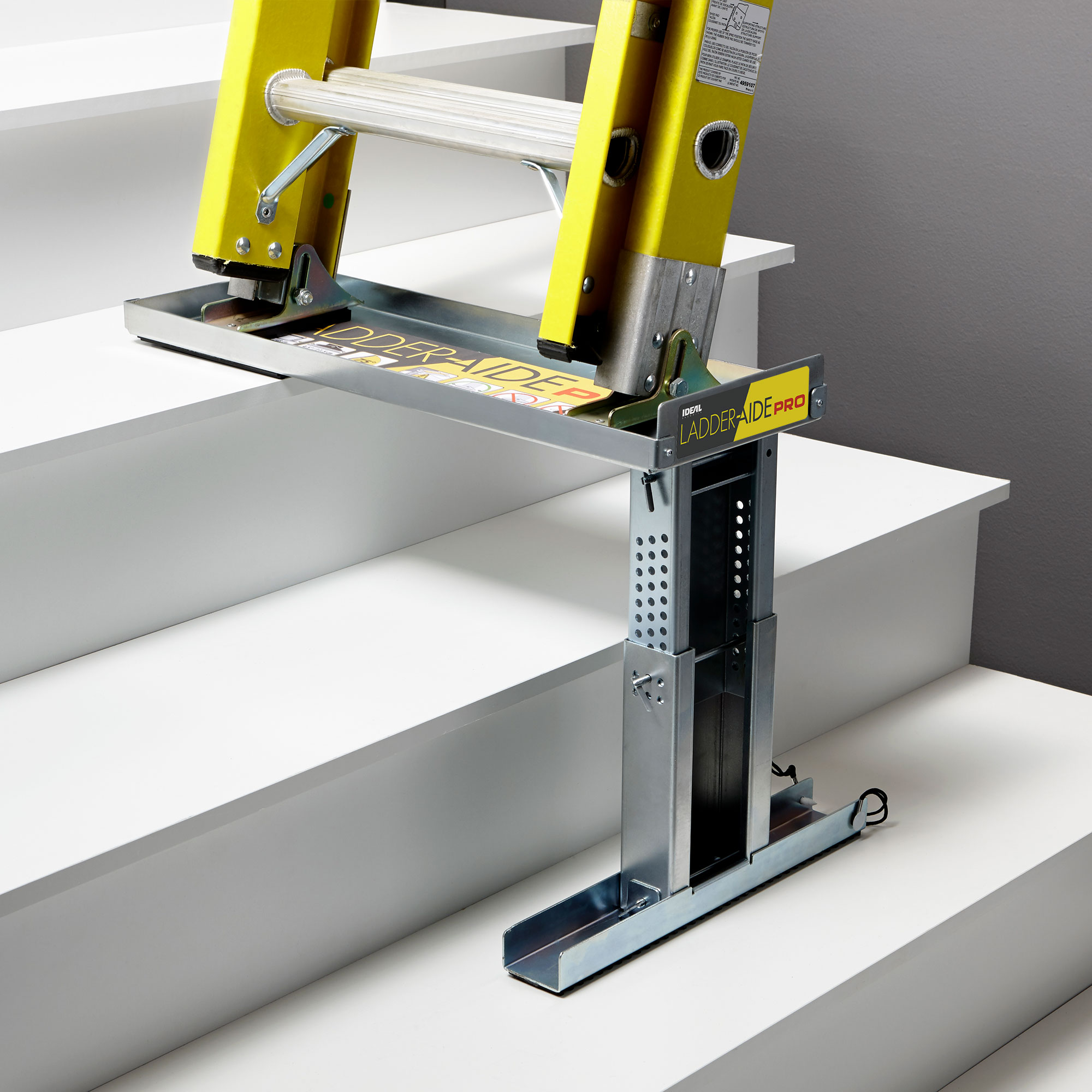
- Use a stabilizer if available. It provides extra support.
For extra safety, tie the top of the ladder to a sturdy structure. This prevents the ladder from slipping.
Inspect the ladder for any damage or wear. Replace any broken parts before use. A well-maintained ladder is a safe ladder.
By following these steps, you can ensure your stair ladder is set up properly. This reduces the risk of accidents and improves safety.

Credit: www.pinterest.com
Safe Climbing Techniques
Using a stair ladder can be tricky. Safety should always be your top priority. Let’s explore some safe climbing techniques. These tips will help you avoid accidents and injuries.
Maintaining Three Points Of Contact
Always keep three points of contact with the ladder. This means you should always have two hands and one foot, or two feet and one hand, on the ladder. This ensures stability and reduces the chance of falling.
- Do not carry heavy items while climbing.
- Use a tool belt or hoist items up separately.
- Move one limb at a time to keep balance.
Proper Footwear
Wearing the right shoes is crucial. Proper footwear can prevent slips and falls. Choose shoes with non-slip soles. Avoid shoes with heels or open-toes.
Here are some tips:
- Wear closed-toe shoes.
- Ensure shoes have a good grip.
- Check shoes for wear and tear.
Comfortable and well-fitted shoes make a big difference. They help you stay steady and secure while climbing.
Avoiding Common Mistakes
Using a stair ladder safely requires attention to detail. Avoiding common mistakes can prevent accidents and ensure a smooth experience. This section highlights some critical errors to avoid.
Overreaching
Overreaching is a frequent mistake. It occurs when you stretch too far from the ladder. This action can cause the ladder to tip over. Always keep your body centered between the side rails. Move the ladder if you need to reach a distant spot.
- Keep your belt buckle between the side rails.
- Move the ladder instead of overreaching.
- Maintain three points of contact: two feet and one hand.
Using In Poor Conditions
Using a stair ladder in poor conditions is another common error. Wet or uneven surfaces can be dangerous. Always inspect the area before setting up the ladder.
| Condition | Risk | Solution |
|---|---|---|
| Wet Surface | Slipping | Dry the area before use |
| Uneven Surface | Ladder Instability | Use ladder levelers |
| Strong Wind | Ladder Movement | Wait for calm conditions |
- Ensure the ground is dry and even.
- Use ladder levelers on uneven surfaces.
- Avoid using the ladder in strong winds.
By avoiding these common mistakes, you can use a stair ladder safely and efficiently. Always prioritize safety to prevent accidents.
Storing Your Ladder Safely
Proper storage of your ladder ensures it remains in good condition and safe to use. Whether you store your ladder indoors or outdoors, follow these tips to keep it secure and durable.
Indoor Storage Tips
Storing your ladder indoors is ideal. It keeps the ladder away from harsh weather. Here are some effective indoor storage tips:
- Use Wall Hooks: Install sturdy hooks on a garage or basement wall. Hang the ladder to save floor space.
- Store Vertically: Place the ladder upright against a wall. Secure it with bungee cords to prevent tipping.
- Keep Dry: Ensure the storage area is dry and free from moisture. Moisture can cause rust or damage to the ladder.
- Avoid Heavy Items: Do not store heavy objects on top of the ladder. This prevents bending or damage.
Outdoor Storage Tips
If indoor storage is not an option, ensure your ladder is stored safely outdoors. Follow these outdoor storage tips:
- Cover It: Use a weather-resistant cover to protect the ladder from rain and sun.
- Elevate Off the Ground: Place the ladder on a raised platform. This avoids contact with wet ground.
- Secure It: Use a chain and padlock to secure the ladder. This prevents theft or misuse.
- Inspect Regularly: Check the ladder for signs of wear or damage. Address issues immediately to maintain safety.
By following these storage tips, you can ensure your ladder remains safe and functional for years. Proper storage is key to maintaining its durability and safety.
Credit: www.idealinc.com
Frequently Asked Questions
What Are The Benefits Of Using Stair Ladders?
Stair ladders are stable on stairs. They offer safety and ease of use.
How Do You Set Up A Stair Ladder?
Place the stair ladder on a firm surface. Ensure it is stable before use.
Can Stair Ladders Be Used On Uneven Stairs?
Yes, adjustable stair ladders can be used on uneven stairs. They offer better stability.
What Safety Tips Should I Follow With Stair Ladders?
Always secure the ladder. Keep three points of contact. Avoid overreaching to prevent falls.
How Do I Maintain A Stair Ladder?
Regularly check for damage or wear. Clean it and store in a dry place.
Conclusion
Using stair ladders correctly ensures safety and efficiency. Always check the ladder’s stability before use. Keep your body centered and maintain three points of contact. Avoid overreaching or carrying heavy items while climbing. Remember to wear non-slip shoes. Regularly inspect the ladder for any damage.
Following these simple steps can help prevent accidents. Safety should always come first. With proper use, stair ladders become valuable tools for many tasks. Stay safe and climb confidently!
