
Working on a ladder can be dangerous. Safety should be your top priority.
Falls from ladders cause serious injuries every year. It’s important to know how to protect yourself. Whether you’re a DIY enthusiast or a professional, understanding ladder safety is crucial. In this blog post, we will explore key steps to stay safe.
You’ll learn practical tips and best practices. We aim to help you avoid accidents and work confidently. Let’s dive into how you can protect yourself when working on a ladder.
Choose The Right Ladder
Choosing the right ladder is crucial for your safety while working. Using the wrong ladder can lead to serious injuries. Let’s explore how to choose the perfect ladder for your needs.
Ladder Types
Different tasks require different types of ladders. Here are some common ladder types:
- Step Ladders: Ideal for indoor tasks like painting or changing bulbs.
- Extension Ladders: Best for outdoor tasks like cleaning gutters.
- Multi-Purpose Ladders: Versatile and can be used in various configurations.
- Platform Ladders: Provides a stable work platform, great for longer tasks.
Height And Weight Capacity
Each ladder has a specific height and weight capacity. Choosing a ladder that fits your height and weight requirements is important.
| Ladder Type | Height Range | Weight Capacity |
|---|---|---|
| Step Ladder | 4 to 20 feet | 200 to 375 lbs |
| Extension Ladder | 16 to 40 feet | 250 to 375 lbs |
| Multi-Purpose Ladder | 4 to 22 feet | 250 to 300 lbs |
| Platform Ladder | 4 to 12 feet | 200 to 375 lbs |
Check the ladder’s label for its maximum height and weight capacity. Never exceed these limits.
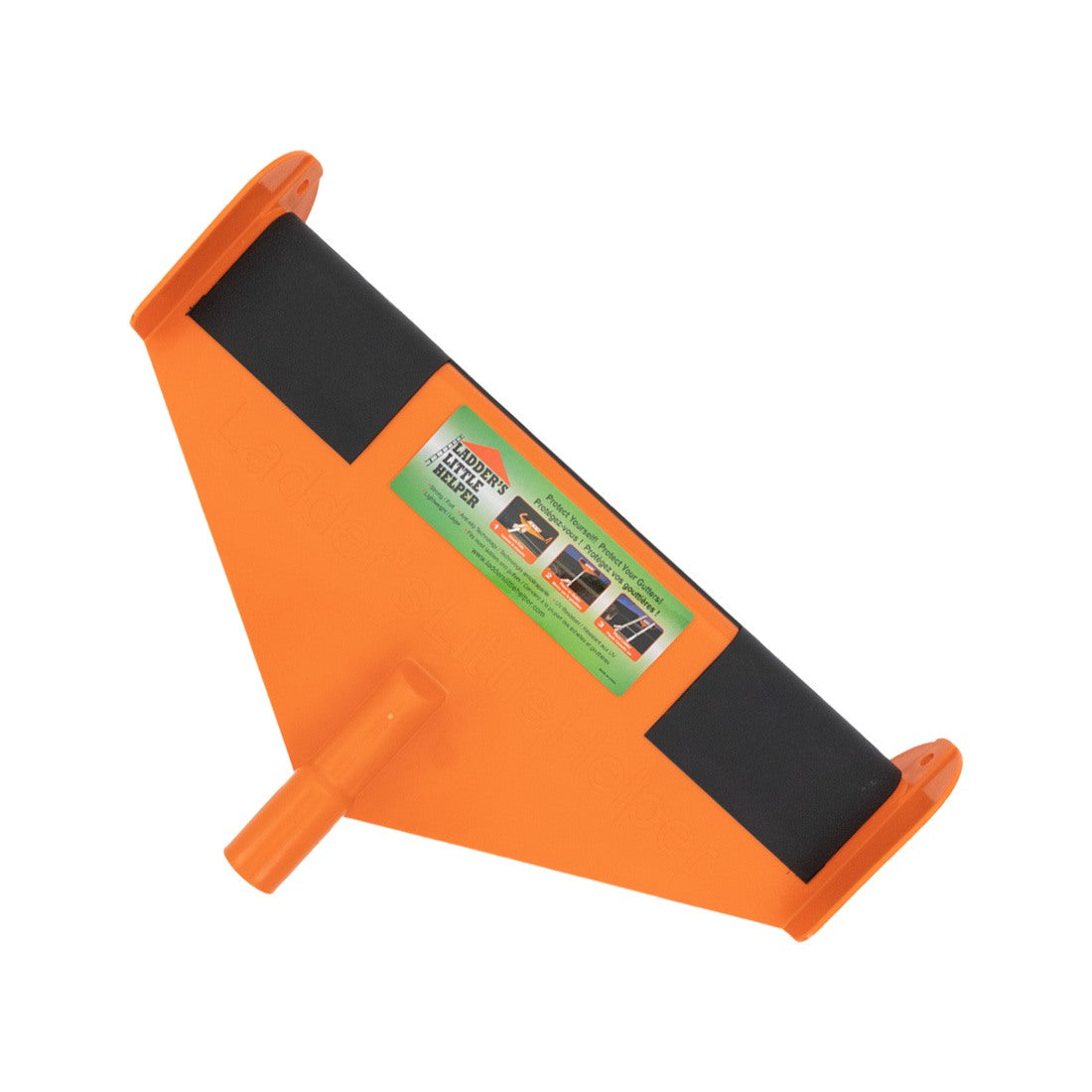
Credit: windowcleaner.com
Inspect Ladder Condition
Ensuring your ladder is in good condition is essential for safety. Never overlook this crucial step. A damaged ladder can lead to serious accidents. Always inspect your ladder before use.
Check For Damage
Start by checking for any visible damage. Look for cracks, bends, or splits in the material. Examine the rungs and side rails. Ensure there are no missing or loose parts. Broken ladders are dangerous. Replace damaged ladders immediately.
Ensure Stability
Stability is crucial. Set the ladder on a flat, stable surface. Ensure all four feet are firmly on the ground. Avoid soft or uneven ground. Use a ladder with anti-slip feet. This prevents the ladder from slipping. Check for any wobbling or movement. A stable ladder reduces the risk of falls.
Set Up Safely
Working on a ladder can be risky if not set up properly. Ensuring your ladder is stable and secure is crucial for safety. Follow these steps to set up your ladder safely and avoid accidents.
Flat Surface Placement
Always place your ladder on a flat, stable surface. Uneven ground can cause the ladder to wobble and fall. If the ground is not level, use a ladder with adjustable legs to ensure stability.
- Check the ground for rocks or debris.
- Ensure the ladder feet are firmly planted.
- Avoid soft surfaces like mud or grass.
Secure Locking Mechanisms
Before climbing, double-check that all locking mechanisms are secure. This includes the spreader bars, hinges, and extension locks.
- Open the ladder fully.
- Engage the spreader bars completely.
- Verify the hinges are locked in place.
- Check extension ladders for locked sections.
These steps help prevent the ladder from collapsing while in use.

Credit: simplifiedsafety.com
Climb With Caution
Working on a ladder requires careful attention to safety. It’s easy to overlook small details, but these can lead to serious injuries. To stay safe, follow some simple rules and always climb with caution.
Three-point Contact
Always keep three points of contact with the ladder. This means two hands and one foot, or two feet and one hand, should be in contact with the ladder at all times. This rule helps you maintain balance and reduces the risk of falling.
- Face the ladder when climbing.
- Keep your body centered between the side rails.
- Move one limb at a time.
Avoid Overreaching
Overreaching is a common cause of falls. To avoid this, make sure your belt buckle stays within the side rails of the ladder. Always reposition the ladder instead of stretching your body beyond its safe reach.
| Safe Practices | Unsafe Practices |
|---|---|
| Move the ladder as needed. | Stretching your body too far. |
| Keep tools close to avoid stretching. | Leaning too far to one side. |
By following these tips, you can ensure that you climb safely and reduce the risk of accidents. Remember, a few extra seconds to reposition the ladder can save you from a dangerous fall.
Use Proper Equipment
When working on a ladder, safety is crucial. Proper equipment is essential to avoid accidents and ensure a smooth job. The right tools and gear can make a huge difference. Let’s explore some key components of proper equipment that can enhance your safety.
Wear Non-slip Shoes
Always wear non-slip shoes when working on a ladder. These shoes provide better grip and prevent slipping. Look for shoes with rubber soles. They offer excellent traction on ladder rungs.
Non-slip shoes also provide stability. This is important for maintaining balance. Avoid sandals, slippers, or shoes with smooth soles. These can increase the risk of falling.
Utilize Tool Belts
Tool belts are very useful. They keep your tools within reach. This eliminates the need for frequent climbing up and down. It reduces the risk of losing balance.
Choose a comfortable tool belt. It should fit snugly around your waist. Ensure it has enough pockets for your tools. This helps to organize your tools efficiently. Avoid overloading the tool belt. It can become heavy and uncomfortable.
Using a tool belt also frees your hands. This allows you to hold the ladder and maintain stability. Remember, safety is the priority.
Work Environment Awareness
Working on a ladder can be risky. One critical step to ensure safety is work environment awareness. Knowing your surroundings can prevent accidents. This includes being mindful of potential hazards and weather conditions. Let’s explore some key aspects to consider.
Beware Of Electrical Hazards
Electricity is a hidden danger. Before you start, check for overhead power lines. They can be deadly if touched. Ensure your ladder is far from any electrical sources. Use a non-conductive ladder, like one made of fiberglass. This reduces the risk of electrocution. Always assume that power lines are live. Stay alert and keep a safe distance.
Monitor Weather Conditions
Weather can change quickly. Always check the forecast before working outdoors. Strong winds can make ladders unstable. Rain can make surfaces slippery, increasing the risk of falls. If you notice any adverse weather, postpone your work. Safety should always come first.
To help you monitor weather conditions, here are some tips:
- Use a reliable weather app
- Check for storm warnings
- Look out for sudden weather changes
By being aware of your work environment, you can significantly reduce risks. Safety is all about preparation and vigilance.
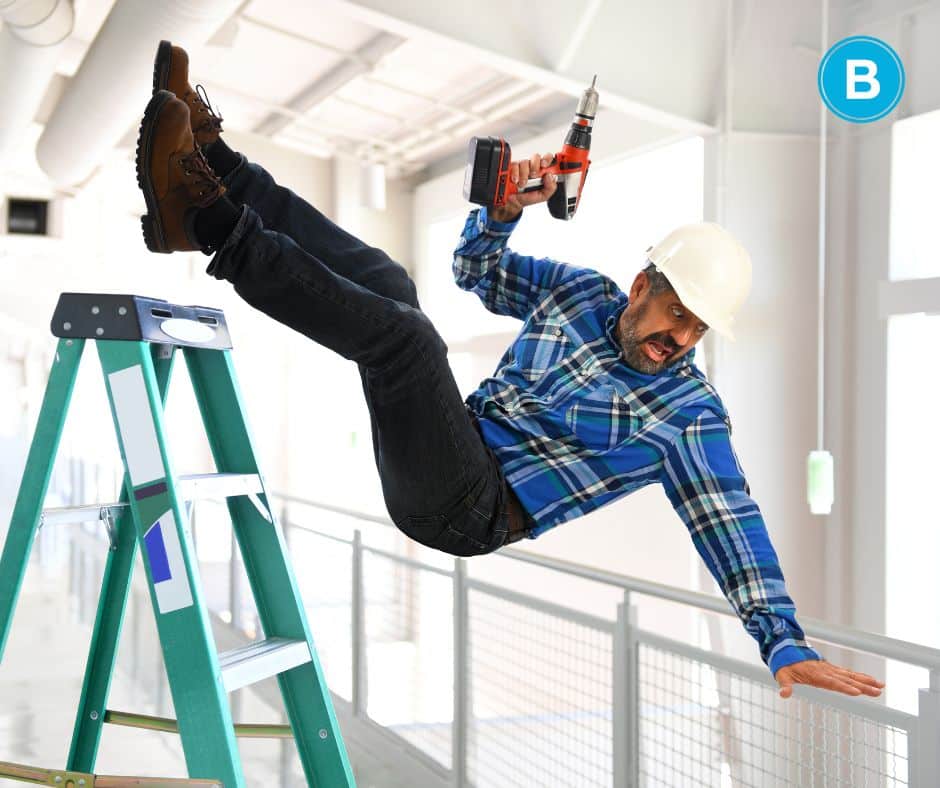
Credit: brookslawgroup.com
Frequently Asked Questions
How Do I Safely Use A Ladder?
Always place the ladder on a stable, level surface. Ensure it’s fully extended and locked.
What Should I Wear When Using A Ladder?
Wear non-slip shoes. Avoid loose clothing that could get caught. Use safety gear like a helmet.
How Can I Avoid Ladder Falls?
Maintain three points of contact. Don’t overreach. Move the ladder to avoid stretching.
What Type Of Ladder Is Safest?
Choose a ladder that suits your task. Ensure it’s the right height and weight capacity.
Can I Use A Ladder In Bad Weather?
Avoid using ladders in rain, snow, or strong wind. Wet surfaces increase slip risks.
Conclusion
Stay safe while working on a ladder by following these tips. Always use proper equipment and check it before use. Maintain three points of contact to avoid falls. Wear non-slip footwear for better grip. Avoid overreaching to keep your balance.
Keep your work area tidy to prevent accidents. Take breaks to avoid fatigue. Practice these habits to ensure your safety. Your health and safety matter most. Stay cautious and work smart.
