

Falls from ladders are a significant yet often overlooked safety hazard, leading to a concerning number of fatalities and injuries every year. While ladders are common tools used for tasks ranging from household chores to professional work, the danger they present should not be underestimated. This article explores the statistics, causes, and preventive measures related to ladder falls, offering insights into why these accidents occur and what can be done to minimize their impact.
The Scope of the Problem
In the United States alone, falls from ladders contribute to a substantial number of injuries and fatalities each year. According to the Centers for Disease Control and Prevention (CDC), ladder-related injuries are a major cause of emergency room visits, with thousands of people suffering from falls annually. While many of these incidents result in minor injuries, such as sprains or bruises, others can be far more serious, leading to broken bones, traumatic brain injuries, or even death.
On average, ladder-related fatalities in the U.S. number over 300 annually. These deaths are just a fraction of the total falls from ladders, as most falls result in non-fatal injuries. However, these numbers still point to the dangers of improper ladder use and the need for increased awareness and safety practices.
Factors Contributing to Ladder Falls
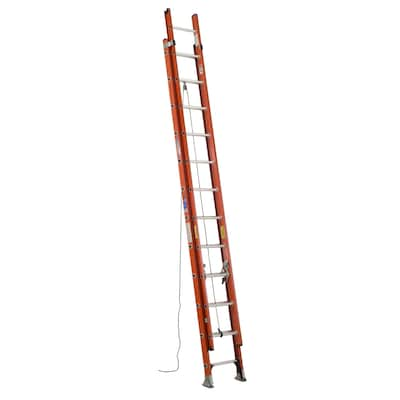
Several factors contribute to the frequency of falls from ladders. These include human error, environmental conditions, and the condition of the ladder itself. Understanding these factors can help prevent future incidents.
1. Human Error and Improper Use
One of the most common causes of ladder accidents is human error. Many people use ladders improperly, whether it’s climbing too high, overreaching, or standing on the top rungs. Inexperienced users often neglect to secure the ladder properly, fail to use safety gear such as harnesses, or attempt risky maneuvers that increase their risk of falling.
Reaching beyond the ladder’s limits, such as trying to stretch to an area that’s out of reach, is a common mistake. This can cause the ladder to tip over or the person to lose their balance and fall. A person who tries to overextend can also create an unstable work environment, increasing the likelihood of a fall.
2. Environmental Conditions
Environmental conditions play a significant role in the likelihood of a ladder fall. Wet, icy, or uneven surfaces can destabilize a ladder, leading to falls. In outdoor settings, strong winds can also make it difficult to maintain balance. Indoor work areas may present hazards such as cluttered floors, low ceilings, or slippery floors.
A lack of proper lighting is another common environmental risk. When people cannot clearly see where they are stepping or where they are placing the ladder, accidents are more likely to occur. Inadequate lighting also increases the risk of losing balance or misjudging the ladder’s position.
3. Ladder Condition
The condition of the ladder itself is a major determinant of safety. Ladders that are damaged, corroded, or not properly maintained can fail when under weight or pressure, leading to falls. Old ladders may not have secure footing or may be missing critical safety features such as non-slip feet or secure locking mechanisms. Checking the ladder before use for any signs of wear or damage can significantly reduce the chances of an accident.
Using the wrong type of ladder for the job can also increase the risk of falls. For instance, a step ladder may not be suitable for reaching high places, and using a ladder on soft ground or an unstable surface can lead to instability.
4. Age and Physical Condition of the User
Older adults are particularly vulnerable to ladder falls. As people age, their balance, coordination, and reaction time often decline, making them more susceptible to accidents. According to the National Safety Council, older adults are more likely to suffer from severe injuries in ladder falls, with broken bones, concussions, and even fatalities being common.
In addition to age, physical conditions such as impaired vision, dizziness, or muscle weakness can also increase the risk of falling. Individuals who do not have the strength or stamina to handle certain tasks on ladders should seek help or use safer alternatives, like scaffolding or lifts.
Statistics on Ladder-Related Deaths

While the number of fatalities resulting from ladder falls is significant, it’s essential to contextualize these statistics. According to the U.S. Consumer Product Safety Commission (CPSC), more than 500,000 people are injured in ladder-related accidents each year, and of these injuries, around 300 result in death. The exact number fluctuates each year, but the trends are clear—ladder-related deaths are a consistent public health concern.
Research also indicates that men are more likely to be involved in ladder accidents, particularly those in the workforce. Men account for nearly 80% of all ladder-related fatalities, as they are more likely to engage in construction and maintenance jobs, which often involve frequent ladder use.
Age also plays a significant role in the likelihood of fatal accidents. For example, adults aged 65 and older are especially prone to severe injuries or death after falling from ladders. This demographic makes up a disproportionate number of ladder-related fatalities compared to younger individuals.
Common Injuries Resulting from Ladder Falls
While deaths are the most tragic outcome, falls from ladders can also result in serious injuries that require medical attention. Some of the most common injuries include:
- Fractures and broken bones: The impact of a fall can cause significant fractures, especially in the legs, arms, and wrists.
- Head injuries: Falling from a height can result in concussions, skull fractures, or brain injuries, which can be life-threatening.
- Spinal injuries: Damage to the spine can lead to long-term disability or paralysis.
- Internal injuries: Trauma to internal organs can occur if the person falls in an awkward position or strikes an object during the fall.
- Cuts and bruises: While these are typically less severe, cuts and bruises are still common after a fall from a ladder.
Prevention and Safety Measures
Given the risks associated with ladder use, it’s essential to adopt safety measures to prevent accidents. Here are some key strategies for reducing the risk of ladder-related falls:
1. Proper Ladder Selection and Maintenance
Choosing the right ladder for the job is crucial. Ensure that the ladder is tall enough to reach the desired height without the need to overreach. The ladder should also be in good condition, with no cracks, corrosion, or missing parts. Regularly inspect the ladder for any signs of damage, and replace it if necessary.
2. Follow Manufacturer Guidelines
Always follow the manufacturer’s guidelines and weight limits for the ladder. Overloading a ladder can cause it to become unstable and increase the risk of an accident. The user should also ensure that the ladder is placed on a stable surface, and that the feet are securely positioned to prevent slipping.
3. Use Safety Equipment
In certain situations, especially when working at great heights, it may be necessary to wear additional safety equipment such as a harness, helmet, or non-slip footwear. Consider using safety nets or guardrails if the task involves working on tall ladders.
4. Avoid Overreaching
A major cause of ladder falls is overreaching. Always keep your body centered on the ladder and avoid extending beyond the side rails. If something is out of reach, safely descend the ladder and reposition it rather than attempting to stretch.
5. Work with a Partner
Whenever possible, work with a partner who can assist in holding the ladder steady or help with tasks that require extra safety precautions. This can reduce the chance of the ladder shifting unexpectedly.
6. Educate Workers and Homeowners
One of the most effective ways to prevent ladder accidents is education. Workers in industries where ladders are frequently used should receive proper training on how to use ladders safely. Homeowners who use ladders for household chores should also be educated on the risks and best practices for using ladders safely.
Conclusion
Falls from ladders, while often preventable, remain a leading cause of injury and death in both professional and household settings. Understanding the risks associated with ladder use and implementing proper safety measures can significantly reduce the number of ladder-related fatalities. By prioritizing ladder safety, whether at work or at home, individuals can protect themselves from these hidden dangers and reduce the chances of a fatal fall.
As we continue to rely on ladders for various tasks, it’s essential to stay vigilant, practice safety, and promote awareness of the risks associated with ladder use. Only then can we hope to lower the number of lives lost and lives changed by preventable falls.
Related post
- When Is a Fixed Ladder Required for Roof Access
- When is a Ladder Cage Required
- When Is a Fixed Ladder Required for Roof Access
