
Pliers are essential hand tools used for gripping, twisting, bending, and cutting. Common types include needle-nose, slip-joint, and wire-cutting pliers.
Pliers are versatile tools found in almost every toolbox. Each type is designed for specific tasks, making them indispensable for both professionals and DIY enthusiasts.
Understanding the different types of pliers can enhance your efficiency in various projects, from electrical work to general repairs.
Selecting the right pair can make tasks easier and safer. Whether you’re tightening a bolt or bending wire, knowing the purpose of each plier type ensures you achieve the best results.
Explore the variety of pliers available and discover how they can simplify your tasks, improving both your productivity and precision.
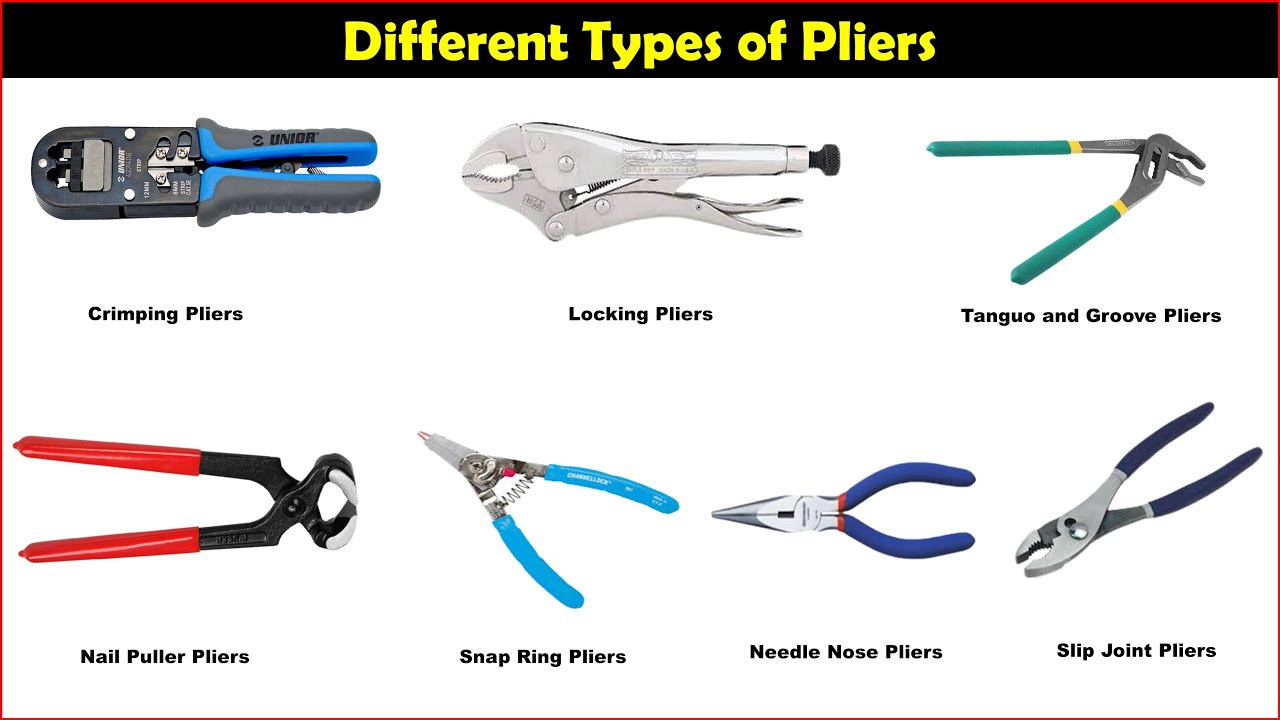
Credit: m.youtube.com
Introduction To Pliers
Pliers are versatile tools found in many toolboxes. They help grasp, bend, and cut various materials. Understanding the different types of pliers and their uses is essential for any DIY enthusiast.
Historical Background
The history of pliers dates back to ancient times. The earliest versions appeared over 2,000 years ago. Blacksmiths used them for gripping hot metal. Modern pliers evolved from these ancient tools.
In the 19th century, pliers became widely available. Factories produced them in various shapes and sizes. Today, they are made from different materials, including steel and aluminum.
Basic Functions
Pliers serve several basic functions. Here are some key uses:
- Gripping: Hold objects tightly without slipping.
- Bending: Shape wires and other materials easily.
- Cutting: Slice through wires and thin materials.
- Twisting: Twist wires together securely.
Different types of pliers perform specific tasks:
| Type of Pliers | Primary Use |
|---|---|
| Needle-Nose Pliers | Reach tight spaces and grip small objects. |
| Cutter Pliers | Cut wires and other materials cleanly. |
| Slip-Joint Pliers | Adjustable jaws for gripping different sizes. |
| Locking Pliers | Lock into place for a secure grip. |
Choosing the right type of pliers can make tasks easier. Select the tool based on the job at hand. Understanding these functions will improve your work quality.
Materials And Design
Understanding the materials and design of pliers is essential. The right materials ensure durability and performance. Design impacts comfort and usability. Let’s explore the common materials and ergonomic designs of pliers.
Common Materials Used
Pliers are made from various materials. Each offers unique benefits. Here are the most common materials:
| Material | Benefits |
|---|---|
| Steel | Strong and durable. Resists wear and tear. |
| Stainless Steel | Corrosion-resistant. Ideal for moist environments. |
| Carbon Steel | Increased hardness. Sharp edges for cutting. |
| Plastic | Lightweight. Provides insulation from electricity. |
Ergonomic Designs
Ergonomic designs enhance comfort and reduce strain. Users can work longer without fatigue. Key features include:
- Soft Grips: Provide comfort during use.
- Non-slip Handles: Ensure a secure grip.
- Curved Designs: Fit the hand naturally.
- Lightweight Construction: Easier to handle for extended periods.
Choosing the right materials and ergonomic designs improves your experience. Quality pliers lead to better results in any project.
Slip Joint Pliers
Slip joint pliers are essential tools in any toolbox. They feature adjustable jaws for gripping various objects. This flexibility makes them popular among professionals and DIY enthusiasts alike.
Versatile Adjustments
Slip joint pliers have a unique design that allows for multiple adjustments. The pivot point enables the user to change the jaw width. This feature accommodates different sizes of nuts, bolts, and pipes.
Adjustments are easy and quick. Simply move the pivot to the desired position. This saves time on various tasks.
| Jaw Size | Adjustment Position | Grip Type |
|---|---|---|
| Small | First Position | Light Grip |
| Medium | Second Position | Standard Grip |
| Large | Third Position | Heavy Grip |
Ideal Uses
Slip joint pliers are perfect for various tasks. Here are some common uses:
- Gripping nuts and bolts
- Turning pipes
- Holding irregular shapes
- Cutting wire
These pliers work well in plumbing, electrical, and automotive jobs. Their adjustable feature allows users to tackle different projects effectively.
Slip joint pliers are reliable for quick repairs and adjustments. Their design ensures a strong grip on various materials.
Needle Nose Pliers
Needle nose pliers are essential tools for precise tasks. Their long, thin jaws allow access to tight spaces. These pliers are perfect for gripping, bending, and cutting wires. They come in various sizes and styles to suit different needs.
Precision Work
Needle nose pliers excel in precision work. Their pointed tips help in reaching small areas. Tasks include:
- Jewelry making
- Model building
- Craft projects
They allow for accurate bending and shaping of materials. Use them for:
- Twisting wires
- Holding small components
- Creating intricate designs
Choose needle nose pliers with comfort grips for better control. This feature aids in detailed tasks.
Electrical Tasks
Needle nose pliers are crucial for electrical tasks. They help in managing wires and connectors easily. Use them for:
- Stripping insulation from wires
- Connecting terminals
- Splicing wires
Many models include built-in wire cutters. This saves time and effort during electrical work. Always choose insulated pliers for safety. They reduce the risk of electrical shock.
In summary, needle nose pliers are versatile and valuable. They make precision tasks easier and safer.
Diagonal Pliers
Diagonal pliers, also known as wire cutters, are essential tools. They are designed for cutting wire and small nails. Their sharp cutting edges make them efficient and effective. These pliers are a must-have in every toolbox.
Cutting Wires And Nails
Diagonal pliers excel at cutting various materials. Here are their main uses:
- Wire Cutting: They cut copper, aluminum, and steel wires.
- Nail Cutting: They can trim small nails and fasteners.
- Electrical Work: Essential for electrical projects.
- Crafting: Useful in jewelry making and arts and crafts.
To use diagonal pliers effectively:
- Place the wire between the cutting edges.
- Press the handles together firmly.
- Remove the cut piece carefully.
Safety Tips
Using diagonal pliers safely is crucial. Follow these tips:
- Wear Safety Glasses: Protect your eyes from flying debris.
- Check for Damage: Inspect pliers before use.
- Use the Right Tool: Choose the correct size for your task.
- Avoid Excessive Force: Don’t apply too much pressure.
Always store diagonal pliers in a dry place. This prevents rust and damage. Keep them away from children to ensure safety.
Locking Pliers
Locking pliers, often called vise grips, are essential tools. They provide a strong grip on objects. This feature makes them popular among professionals and DIY enthusiasts.
Grip And Lock Mechanism
The grip of locking pliers is unique. They use a simple yet effective mechanism. This mechanism allows you to lock the pliers in place. The adjustable screw lets you control the tightness.
- Easy to adjust for different sizes.
- Strong pressure applied to hold items securely.
- Quick-release lever for easy operation.
These features make locking pliers versatile. They can hold objects firmly without constant pressure.
Multiple Applications
Locking pliers have various uses. Here are some common applications:
| Application | Description |
|---|---|
| Clamping | Holds pieces tightly together. |
| Welding | Secures metal pieces before welding. |
| Pipe Work | Grips pipes securely for installation. |
| Repair Work | Holds parts in place during repairs. |
Locking pliers are also useful for:
- Removing stripped screws.
- Holding items while cutting or drilling.
- Creating a temporary clamp.
With these tools, you can tackle many projects easily. Their strong grip makes tasks simpler and faster.
Specialty Pliers
Specialty pliers are designed for specific tasks. They help make jobs easier and more efficient. These tools come in various shapes and sizes, tailored for unique applications. Below are some common types of specialty pliers and their uses.
For Specific Tasks
Specialty pliers target particular tasks in various fields. Here are some examples:
- Needle-Nose Pliers: Great for reaching tight spaces.
- Wire Strippers: Perfect for removing insulation from wires.
- Crimping Pliers: Used to join two pieces of metal.
- Locking Pliers: Securely holds objects in place.
Examples And Uses
Understanding each type helps in choosing the right tool. Here’s a table showcasing some specialty pliers and their uses:
| Type of Pliers | Primary Use |
|---|---|
| Needle-Nose Pliers | Gripping and bending in tight spaces |
| Wire Strippers | Stripping insulation from electrical wires |
| Crimping Pliers | Joining electrical connectors |
| Locking Pliers | Holding objects securely |
| Snap Ring Pliers | Installing or removing snap rings |
Using the right specialty pliers increases efficiency. Each tool serves a distinct purpose, making tasks easier.
Maintenance And Care
Taking care of your pliers ensures they last longer. Proper maintenance keeps them in good working condition. Regular cleaning and proper storage are key to longevity.
Cleaning Tips
Clean your pliers after each use. This prevents rust and grime buildup. Follow these simple cleaning steps:
- Wipe the handles with a damp cloth.
- Use a brush for dirt in the crevices.
- Apply a light oil to the pivot points.
- Store them in a dry area to avoid moisture.
Use a rust remover if needed. Always follow the manufacturer’s instructions. This keeps your pliers looking and working like new.
Storage Solutions
Proper storage protects your pliers. It prevents damage and keeps them organized. Consider these storage options:
- Toolbox: Keeps pliers safe and secure.
- Magnetic strips: Easy access and visibility.
- Drawer organizers: Neat and tidy storage.
- Wall-mounted racks: Saves space and displays tools.
Choose a method that fits your workspace. Avoid leaving pliers in damp areas. This prevents rust and extends their life.
Choosing The Right Pliers
Choosing the right pliers can make your tasks easier. Many types of pliers exist. Each type serves a different purpose. Understanding their uses helps you select the right one.
Considerations
Several factors affect your choice of pliers. Here are key considerations:
- Task Type: Know what you will do. Different tasks need different pliers.
- Grip Comfort: Choose pliers that feel good in your hand. A comfortable grip prevents fatigue.
- Material Quality: Look for durable materials. High-quality steel lasts longer.
- Size: Pick the right size for your work. Large pliers can be cumbersome.
- Jaw Shape: The shape affects gripping ability. Choose based on your specific needs.
Recommendations
Here are some recommended pliers for common tasks:
| Pliers Type | Best For |
|---|---|
| Needle Nose Pliers | Reaching tight spaces and bending wires. |
| Slip Joint Pliers | Gripping and turning various objects. |
| Cutting Pliers | Cuts wires and small materials easily. |
| Locking Pliers | Holding objects securely in place. |
| Diagonal Cutting Pliers | Cuts wires at an angle. |
Choose the right type based on your specific task. This ensures efficiency and ease of use.
Frequently Asked Questions
- What Are The Main Types Of Pliers?
Common types of pliers include needle-nose, slip-joint, locking, wire-cutting, and crimping pliers, each serving specific tasks.
- How Do You Choose The Right Pliers?
Consider the task, grip comfort, and jaw design to select the best pliers for your project.
- What Are Needle-nose Pliers Used For?
Needle-nose pliers are ideal for precision work, such as bending wires and reaching into tight spaces.
- Can Pliers Be Used For Cutting?
Yes, specific pliers like wire-cutting and diagonal pliers are designed for cutting various materials effectively.
- How Do You Maintain Pliers?
Keep pliers clean, lubricate their joints, and store them in a dry place to ensure longevity and optimal performance.
Conclusion
Choosing the right type of pliers can make all the difference in your tasks. Each type serves a unique purpose, enhancing efficiency and precision.
Understanding these tools allows you to tackle projects confidently. Whether you’re a professional or a DIY enthusiast, the right pliers will elevate your work quality significantly.
