
Class 3 ladders are for light-duty tasks. They can support up to 200 pounds.
These ladders are ideal for household chores like painting or changing light bulbs. They are not suitable for professional or industrial use. Class 3 ladders are often lightweight and easy to carry. They are perfect for tasks that do not require much height or heavy lifting.
Understanding their design helps you choose the right ladder for your needs. Safety is key, so knowing the proper use of a Class 3 ladder can prevent accidents. This guide will explain their purpose and best use cases, ensuring you can make an informed decision.

Credit: www.ladders-direct.com
Introduction To Class 3 Ladders
Class 3 ladders are designed for light-duty tasks and DIY projects. They are suitable for home use and small maintenance jobs. Understanding their purpose and usage is essential for safe and effective use.
Purpose And Usage
Class 3 ladders are built for tasks that do not require heavy-duty equipment. They are ideal for activities such as:
- Painting
- Changing light bulbs
- Cleaning windows
These ladders are not intended for industrial or commercial use. They support a maximum load of 200 pounds. This includes the user’s weight and any tools or materials.
Importance In Various Industries
While Class 3 ladders are mainly used in homes, they play a role in various small-scale industries. They are common in sectors like:
- Retail for stocking shelves
- Small maintenance businesses
- Gardening and landscaping
Understanding the limits and proper usage of Class 3 ladders is crucial. It ensures the safety and efficiency of the tasks performed.
Safety Features
Class 3 ladders are designed with numerous safety features to ensure user protection. These ladders are essential for light-duty tasks, and safety is a top priority. Let’s explore some key safety features that make Class 3 ladders reliable and secure.
Stability Enhancements
Stability is crucial for any ladder. Class 3 ladders come with stability enhancements to prevent tipping. These enhancements include:
- Wide Base: A broad base ensures the ladder remains stable during use.
- Sturdy Construction: Made from durable materials to withstand light-duty tasks.
- Reinforced Rungs: Extra support to prevent bending or breaking.
Slip-resistant Steps
Slip-resistant steps are a key feature of Class 3 ladders. These steps help prevent accidents and provide a secure footing. Key aspects include:
- Textured Surface: Steps with a textured surface to reduce slipping.
- Non-Slip Coating: A coating that enhances grip and safety.
- Rubber Padding: Additional rubber padding for extra traction.
Ensuring safety and stability, Class 3 ladders are built to keep users secure during light-duty tasks.
Material And Construction
Class 3 ladders are essential for light-duty tasks. Their material and construction are key to their functionality. Understanding their design helps ensure safety and efficiency.
Durable Materials
Class 3 ladders are made from strong materials. Common choices include aluminum, fiberglass, and wood. Each material has its benefits.
- Aluminum: Lightweight and resistant to rust. Ideal for easy transport.
- Fiberglass: Non-conductive. Great for electrical work.
- Wood: Sturdy and traditional. Suitable for home use.
These materials ensure the ladder remains durable. They are chosen for their strength and longevity.
Design Specifications
Class 3 ladders have specific design features. They are built for light-duty use. This means they are suitable for tasks like painting or small repairs.
| Feature | Description |
|---|---|
| Maximum Load | 200 pounds |
| Height | Varies, usually up to 12 feet |
| Rung Design | Non-slip for safety |
| Base Width | Wide for stability |
These specifications ensure the ladder is safe to use. They are designed with user safety in mind. The non-slip rungs and wide base add stability.
Class 3 ladders are ideal for home projects. Their construction makes them reliable and safe.
Efficiency Benefits
Class 3 ladders are designed for light-duty tasks. They offer several efficiency benefits that make them an ideal choice for homeowners and DIY enthusiasts. These benefits ensure that tasks are completed quickly and easily, saving both time and effort.
Time-saving Aspects
Class 3 ladders help you save time on light tasks. Their lightweight design makes them easy to move. You can quickly set them up and take them down. This reduces the time spent on preparation. They are ideal for quick tasks like changing light bulbs or painting a wall.
| Task | Time Saved |
|---|---|
| Changing Light Bulbs | 10 minutes |
| Painting a Wall | 15 minutes |
Ease Of Use
Class 3 ladders are very easy to use. Their simple design means anyone can use them without special training. They are light and easy to carry around. This makes them ideal for indoor tasks. The steps are wide and stable, offering a safe platform to stand on.
- Lightweight and portable
- Easy to set up
- Wide, stable steps
In summary, Class 3 ladders are efficient tools for light-duty tasks. They save you time and are simple to use. Whether you are a homeowner or a DIY enthusiast, these ladders make your job easier.
Maintenance And Care
Maintaining a Class 3 ladder is crucial for safety and longevity. Proper maintenance ensures the ladder stays in good condition and reduces the risk of accidents. Let’s explore essential maintenance and care tips for Class 3 ladders.
Regular Inspection Tips
Regular inspections are vital. They help identify potential issues early. Here are some tips:
- Check for visible damage like cracks or dents.
- Ensure all rungs and steps are secure.
- Inspect the feet for wear and tear.
- Test the locking mechanisms for proper function.
Proper Storage Practices
Storing your ladder properly extends its life. Follow these practices:
- Store in a dry, cool place to prevent rust.
- Keep it away from direct sunlight to avoid UV damage.
- Hang the ladder or store it horizontally on a rack.
- Avoid placing heavy objects on the ladder.
By following these maintenance and care tips, you ensure your Class 3 ladder remains safe and reliable for years to come.
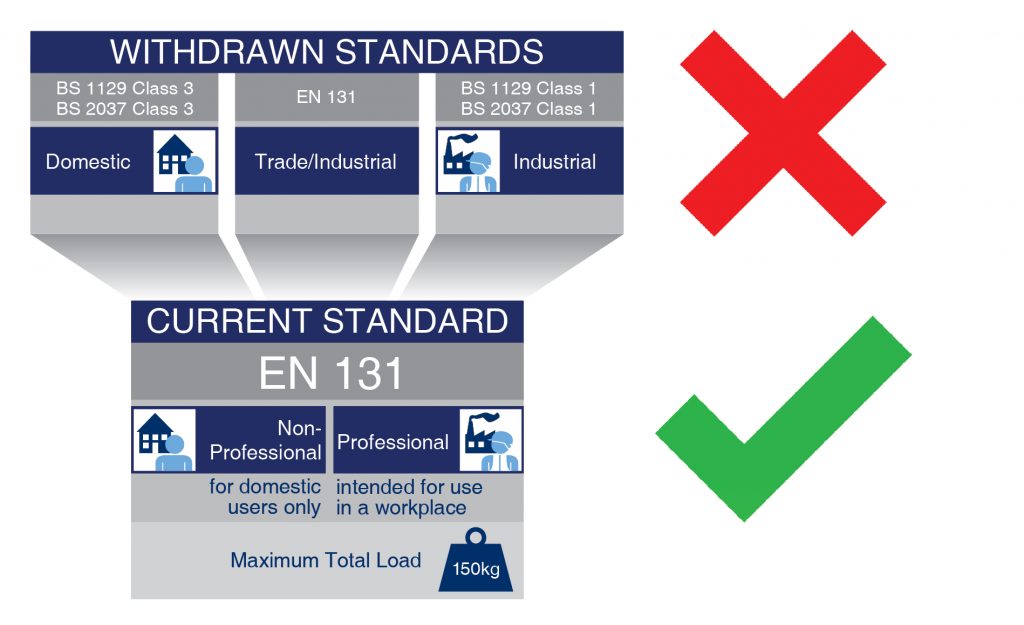
Credit: ladderassociation.org.uk
Choosing The Right Class 3 Ladder
Choosing the right Class 3 ladder is vital for safety and efficiency. Class 3 ladders are designed for light-duty tasks. These tasks include household chores, painting, and minor repairs. Selecting the correct ladder ensures that the job is done safely and effectively.
Factors To Consider
- Weight Capacity: Ensure the ladder can support your weight and any tools.
- Height: Choose a ladder that reaches your working height comfortably.
- Material: Class 3 ladders are often made of aluminum or fiberglass. Aluminum is lightweight, while fiberglass is non-conductive.
- Stability: Look for features like wide bases and non-slip feet.
- Portability: Consider the ladder’s weight and ease of transport.
- Storage: Foldable ladders are easier to store in small spaces.
Top Brands And Models
| Brand | Model | Features |
|---|---|---|
| Werner | FS106 | Lightweight, 6 feet, non-slip feet |
| Louisville | FS1504 | 4 feet, fiberglass, 225 lbs capacity |
| Little Giant | Flip-N-Lite | 5 feet, aluminum, extra-wide rungs |
By considering the factors listed, you can choose a ladder that fits your needs. Remember to always follow safety guidelines when using any ladder. This ensures a safe and efficient working environment.
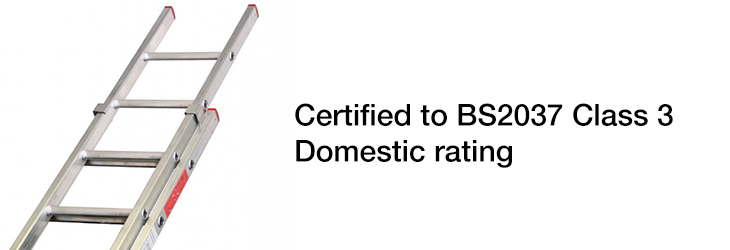
Credit: www.brownsladders.co.uk
Frequently Asked Questions
What Is A Class 3 Ladder Used For?
Class 3 ladders are for light-duty tasks. Ideal for home use.
How Much Weight Can A Class 3 Ladder Hold?
Class 3 ladders support up to 200 pounds. Not for heavy loads.
Are Class 3 Ladders Safe?
Yes, they are safe for light tasks. Always follow safety guidelines.
Where Can You Use A Class 3 Ladder?
Use them indoors for small tasks. Not suitable for industrial use.
Can A Class 3 Ladder Be Used Outdoors?
Yes, but only for light tasks. Avoid in extreme weather conditions.
Conclusion
Class 3 ladders are best for light-duty tasks around the home. They are ideal for jobs like painting, changing light bulbs, or reaching high shelves. Their lightweight design makes them easy to move and store. Always check the weight limit before use to ensure safety.
Remember, for heavier tasks, consider a higher-class ladder. Prioritize safety and choose the right ladder for each job. With the right ladder, tasks become easier and safer. Happy DIYing!
