
Ladders come in different classes, each designed for specific tasks. Understanding these classes ensures safety and efficiency.
Ladders are essential tools in many tasks, from home repairs to construction projects. Knowing the different classes of ladders can help you choose the right one for your needs. Each class is designed with specific weight capacities and uses in mind.
By selecting the appropriate ladder, you can avoid accidents and complete your tasks more effectively. This blog post will explore the various ladder classes, highlighting their features and best uses. Stay tuned to learn how to choose the right ladder for your next project.
Introduction To Ladder Classes
Ladders are essential tools for many tasks. They vary by design and purpose. Understanding the different classes of ladders helps ensure safety and efficiency. Each ladder class serves a specific need and adheres to safety standards.
Purpose Of Ladder Classes
Ladder classes classify ladders based on their strength and usability. These classes help users choose the correct ladder for their task. The three main classes include:
- Class 1: Industrial use, heavy-duty tasks.
- Class 2: Commercial use, medium-duty tasks.
- Class 3: Domestic use, light-duty tasks.
Each class is designed for a specific weight capacity. The table below highlights the differences:
| Ladder Class | Usage | Weight Capacity |
|---|---|---|
| Class 1 | Industrial | Up to 300 lbs |
| Class 2 | Commercial | Up to 225 lbs |
| Class 3 | Domestic | Up to 200 lbs |
Importance Of Choosing The Right Ladder
Choosing the right ladder ensures your safety. A ladder must match the task’s demands. Using a ladder with insufficient capacity can lead to accidents. Always check the ladder’s class before use.
Consider the environment. Industrial environments require Class 1 ladders. For home tasks, Class 3 ladders are usually sufficient. A correct ladder reduces risks and improves efficiency.
Remember the ladder’s weight capacity. Exceeding this limit can cause the ladder to fail. This can result in serious injuries. Always follow safety guidelines and manufacturer’s instructions.
Class 1 Ladders
Understanding ladder classes is crucial for choosing the right one for your needs. Among these, Class 1 Ladders are known for their durability and safety. These ladders are designed for heavy-duty use and are ideal for professional settings.
Characteristics Of Class 1 Ladders
Class 1 Ladders are built to withstand rigorous use. They are made from robust materials like aluminum or fiberglass. These ladders can support a maximum load of 130kg (286 lbs), ensuring they can handle heavy weights safely.
- Strong and Durable: Made from high-quality materials.
- Load Capacity: Supports up to 130kg (286 lbs).
- Safety Features: Non-slip treads and secure locking mechanisms.
- Height Range: Available in various heights to suit different tasks.
Class 1 Ladders are designed to be stable and safe. They often feature non-slip treads and secure locking mechanisms. These safety features reduce the risk of accidents.
Common Uses For Class 1 Ladders
Class 1 Ladders are commonly used in professional settings. They are ideal for construction sites, factories, and warehouses. Below are some of the common uses:
| Application | Description |
|---|---|
| Construction Sites | Used for reaching high places and carrying heavy tools. |
| Factories | Assists in maintenance and repair tasks. |
| Warehouses | Helps in stocking and retrieving goods from high shelves. |
These ladders are also suitable for heavy-duty tasks in residential settings. They can be used for painting, roof repairs, and tree trimming. The sturdy build ensures safety and stability, even for long-duration tasks.
Class 2 Ladders
Class 2 ladders are designed for light trade work and domestic use. They strike a balance between strength and portability. These ladders are ideal for tasks that require a sturdy but not overly heavy ladder.
Features Of Class 2 Ladders
Class 2 ladders come with several distinctive features:
- Load Capacity: Supports up to 225 pounds.
- Material: Usually made from aluminum or fiberglass.
- Height: Ranges from 6 to 14 feet.
- Weight: Lighter than Class 1 ladders, making them easy to carry.
- Safety: Equipped with non-slip feet and rungs.
Typical Applications For Class 2
Class 2 ladders are versatile and suitable for various tasks:
| Application | Description |
|---|---|
| Painting | Perfect for reaching ceilings and high walls. |
| Gardening | Useful for trimming trees and hedges. |
| Home Maintenance | Ideal for changing light bulbs and cleaning gutters. |
| DIY Projects | Great for indoor and outdoor projects. |

Credit: www.classccomponents.com
Class 3 Ladders
When it comes to ladders, different classes serve different purposes. Class 3 ladders are suitable for light-duty tasks. They are designed for home use and small projects. Let’s explore what makes these ladders unique and where they can be used.
Attributes Of Class 3 Ladders
Class 3 ladders are designed for light-duty tasks. Here are some key attributes:
- Weight Capacity: Up to 200 pounds.
- Material: Often made of aluminum or fiberglass.
- Height: Typically available in shorter lengths.
- Portability: Easy to carry and store.
Where To Use Class 3 Ladders
Class 3 ladders are perfect for household tasks. Here are some common uses:
- Changing light bulbs
- Painting walls
- Cleaning windows
- Hanging pictures
These ladders are not meant for industrial or heavy-duty tasks. Always check the weight limit before use.
Specialty Ladders
Specialty ladders are designed for specific tasks. They cater to unique needs that standard ladders cannot fulfill. These ladders often have special features that make them ideal for particular jobs. Understanding the various types of specialty ladders and their uses can help in choosing the right ladder for the job.
Types Of Specialty Ladders
Specialty ladders come in different types, each serving a unique purpose. Here are some common types:
- Platform Ladders: These ladders have a wide platform at the top, providing a stable surface for standing. They are perfect for tasks that require both hands.
- Articulated Ladders: These ladders can be configured in different shapes, such as an A-frame or a straight ladder. They are versatile and suitable for various tasks.
- Step Stools: These are small ladders, usually with one to three steps. They are ideal for reaching low heights, such as kitchen cabinets.
- Telescoping Ladders: These ladders can extend and retract, making them easy to store and transport. They are great for jobs that require different heights.
- Extension Ladders: These ladders can be extended to reach higher places. They are often used for outdoor tasks like cleaning gutters or painting.
Uses For Specialty Ladders
Each type of specialty ladder has its own uses. Here are some common uses:
- Platform Ladders: Ideal for painting walls, changing light fixtures, and other tasks that need stability.
- Articulated Ladders: Suitable for cleaning windows, repairing roofs, and other tasks requiring flexibility.
- Step Stools: Perfect for accessing kitchen shelves, closets, and other low-height areas.
- Telescoping Ladders: Great for electricians, contractors, and anyone who needs a ladder that can adjust in height.
- Extension Ladders: Used for reaching high places outside the house, like roofs and tall trees.
Choosing the right specialty ladder depends on the task at hand. Each ladder type offers unique features that make certain jobs easier and safer. Always consider the specific needs of your task before selecting a ladder.
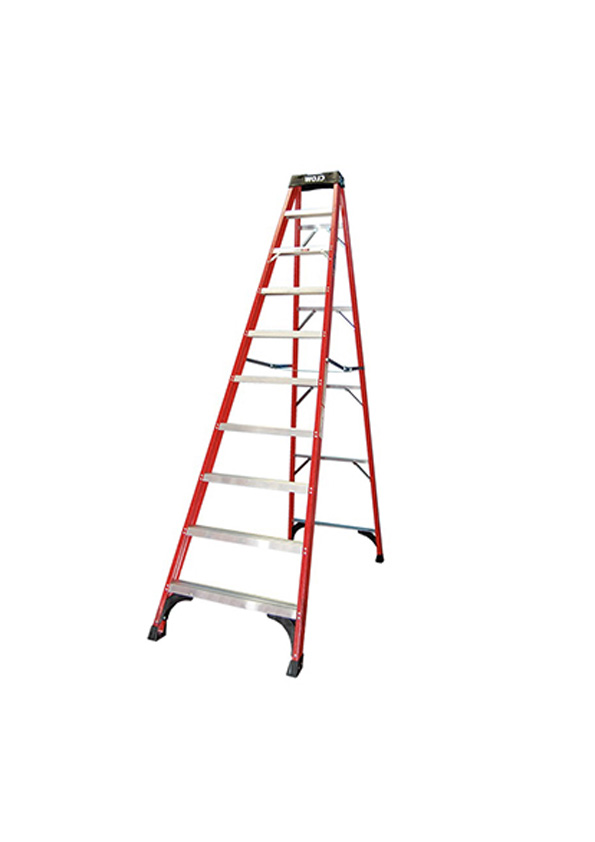
Credit: jms.co.uk
Safety Tips For Using Ladders
Using ladders safely can prevent many accidents. Whether you are using a ladder at home or at work, following safety guidelines is essential. This section will cover some crucial safety tips for using ladders.
General Safety Guidelines
Always place the ladder on a stable, level surface. Avoid using the ladder on slippery or uneven ground. Ensure the ladder is fully extended and locked before climbing. Wear non-slip shoes to prevent slipping.
- Maintain three points of contact while climbing.
- Do not carry heavy items while climbing.
- Face the ladder while climbing up or down.
- Do not lean too far to one side.
Maintenance And Inspection
Regular inspection of the ladder is crucial. Check for any damage or wear before each use. Look for cracks, loose rungs, or bent parts. Replace damaged ladders immediately.
| Inspection Area | What to Check |
|---|---|
| Rungs | No cracks or bending |
| Feet | Non-slip treads intact |
| Locks | Secure and functional |
Store ladders in a dry place to prevent rusting. Clean the ladder regularly to remove dirt and debris. Following these maintenance steps ensures the ladder remains safe to use.

Credit: www.shopmancini.com
Frequently Asked Questions
What Are The Main Classes Of Ladders?
Ladders are classified into three main types: Type I, Type II, and Type III.
What Is A Type I Ladder?
Type I ladders are heavy-duty and support up to 250 pounds. Ideal for industrial use.
What Is A Type Ii Ladder Used For?
Type II ladders are medium-duty, handling up to 225 pounds. Commonly used for commercial tasks.
What Is A Type Iii Ladder?
Type III ladders are lightweight, supporting up to 200 pounds. Suitable for household tasks.
How Do Ladder Classes Affect Safety?
Each class ensures safety for specific weight limits and uses. Choose the right class for your task.
Conclusion
Understanding the different classes of ladders is crucial for safety. Each ladder type serves a specific purpose. Choose the right one for your task. Always inspect your ladder before use. Ensure it’s in good condition. Follow safety guidelines to prevent accidents.
Knowing ladder classes helps you work efficiently. Stay safe and choose wisely.
