
Ladders are common tools in many homes and workplaces. They seem simple to use, but can be very dangerous.
Accidents involving ladders can lead to serious injuries. Understanding the hazards is vital for safety. Missteps, unstable surfaces, and poor ladder conditions often cause falls. Many do not realize the risks until it’s too late. By learning about these dangers, you can take steps to avoid them.
This guide will highlight the main hazards of using ladders. Stay safe and informed to prevent accidents and ensure a secure environment. Keep reading to learn more about ladder safety and how to protect yourself.
Common Ladder Hazards
Using ladders can be dangerous if not used correctly. Many common hazards can cause serious injuries. Understanding these risks can help prevent accidents.
Falls
Falls are the most common hazard when using ladders. A simple slip or loss of balance can lead to a serious fall. This often happens when the ladder is not stable. Make sure the ladder is on a flat, firm surface.
Another reason for falls is overreaching. Users often stretch to reach something, causing the ladder to become unstable. It is safer to move the ladder closer. Climbing too high can also cause falls. Always stay below the top three rungs.
- Place ladder on a flat, firm surface
- Do not overreach
- Stay below the top three rungs
Structural Failures
Structural failures can cause sudden accidents. Sometimes, ladders have weak points or defects. Regular inspection is important. Check for cracks, bends, or broken parts.
Another issue is overloading the ladder. Each ladder has a weight limit. Exceeding this limit can cause it to break. Always check the weight capacity before use.
| Hazard | Prevention |
|---|---|
| Cracks or bends | Inspect ladder before use |
| Overloading | Check weight capacity |
Using old or damaged ladders is risky. Replace any ladder that shows signs of wear and tear.

Credit: wssafety.com
Selecting The Right Ladder
Choosing the correct ladder is crucial for safety. The right ladder can prevent accidents. It ensures you can reach heights without fear. Let’s explore how to select the best ladder for your needs.
Types Of Ladders
There are different types of ladders. Each one serves a unique purpose. Understanding these types helps in making an informed choice.
- Step Ladders: Ideal for indoor tasks. They are self-supporting and versatile.
- Extension Ladders: Suitable for outdoor work. They provide extra height.
- Multi-Position Ladders: Offer flexibility. Can be adjusted to various positions.
- Platform Ladders: Provide a large, stable surface. Good for jobs requiring stability.
Ladder Ratings
Ladders have different ratings. These ratings indicate the ladder’s strength and capacity. Knowing these ratings helps you choose a ladder that can handle your weight and tools.
| Rating | Weight Capacity | Usage |
|---|---|---|
| Type IAA | 375 lbs | Industrial |
| Type IA | 300 lbs | Industrial |
| Type I | 250 lbs | Heavy-duty |
| Type II | 225 lbs | Medium-duty |
| Type III | 200 lbs | Light-duty |
Always check the ladder rating before use. It ensures safety and prevents overloading.
Proper Ladder Setup
Setting up a ladder correctly is essential to avoid accidents. Proper setup can prevent slips, falls, and other injuries. Focusing on the right setup can make ladder use safer and more efficient.
Stable Ground
Always place the ladder on a stable surface. Uneven ground can cause the ladder to tilt or collapse. Make sure the ground is firm and not slippery.
Check for any soft spots or loose materials. These can affect the stability. Use a ladder with non-slip feet for added safety.
If the ground is soft or uneven, use a ladder leveler. It helps to balance the ladder. This ensures a stable base.
Correct Angle
The ladder should be at the correct angle to ensure safety. The recommended angle is 75 degrees. You can achieve this by following the 4:1 rule.
For every four feet of ladder height, place the base one foot away from the wall. This creates the right balance between height and distance.
Use a level or an angle measuring tool to verify the angle. A ladder that is too steep or too flat can be dangerous. Ensuring the correct angle prevents the ladder from tipping.

Credit: wssafety.com
Safe Climbing Practices
Using ladders can be hazardous if not done correctly. Following safe climbing practices is essential to prevent accidents and injuries. This section will discuss two critical practices: maintaining a three-point contact and avoiding overreaching.
Three-point Contact
Always maintain three-point contact while climbing a ladder. This means having two hands and one foot, or two feet and one hand, in contact with the ladder at all times. It provides stability and reduces the risk of falling.
- Ensure your hands are free of objects.
- Face the ladder when climbing.
- Move one step at a time.
Maintaining three-point contact is crucial for your safety. It helps in maintaining balance and control.
Avoid Overreaching
One of the main hazards is overreaching. Overreaching can easily throw you off balance, leading to falls. Always keep your body centered between the ladder rails.
- Do not lean too far to the side.
- Keep your hips within the ladder’s side rails.
- If an item is out of reach, climb down and reposition the ladder.
Overreaching is dangerous. It compromises your balance and can result in severe injuries.
Maintenance And Inspection
Proper maintenance and regular inspection of ladders are crucial for safety. Neglecting these aspects can lead to accidents and injuries. To keep ladders safe, follow structured maintenance routines. Inspect them regularly for any signs of damage or wear.
Regular Checks
Regular checks are essential to ensure ladder safety. Inspect ladders before each use. Look for cracks, bends, and any other damage. Check the rungs, rails, and locking mechanisms. Ensure that all parts are in good working order.
Use the following checklist for regular ladder checks:
- Inspect for any visible damage or wear.
- Check rungs and steps for sturdiness.
- Ensure locking mechanisms work properly.
- Look for loose or missing parts.
Repair And Replacement
If a ladder shows signs of damage, repair it immediately. Do not use a damaged ladder. Replace any broken parts to ensure safety. If the ladder is beyond repair, replace it with a new one.
| Damage Type | Action |
|---|---|
| Cracked Rung | Replace the rung |
| Broken Locking Mechanism | Repair or replace the mechanism |
| Bent Rail | Replace the rail |
Keep a log of inspections and repairs. This helps track the ladder’s condition over time. Regular maintenance and prompt repairs extend the ladder’s life. They also ensure user safety.
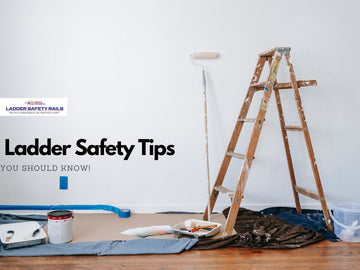
Credit: laddersafetyrails.com
Emergency Procedures
Using ladders can be dangerous if not handled properly. Knowing the proper emergency procedures can save lives. In this section, we’ll discuss essential steps to take during a ladder-related accident.
First Aid
First aid is crucial in ladder-related accidents. Immediate action can prevent further injury. Follow these steps:
- Check for breathing and consciousness.
- Stop any bleeding with clean cloth or bandage.
- Immobilize any broken bones or sprains.
- Keep the injured person calm and still.
- Use a first aid kit for minor cuts and bruises.
Emergency Contacts
In case of severe injury, calling emergency services is vital. Have a list of emergency contacts readily available:
- Local emergency number (911 in the U.S.)
- Nearby hospital or urgent care center
- Family members or next of kin
- Workplace safety officer
Knowing these contacts can speed up response times. Always have a charged phone nearby. Quick actions can make a big difference in emergencies.
Frequently Asked Questions
What Are The Common Ladder Hazards?
Falls, slips, and trips are common hazards. Incorrect ladder use can cause serious injuries.
How Can Ladder Misuse Cause Accidents?
Misuse leads to falls. Overreaching or wrong ladder angle increases risk.
What Are The Dangers Of Unstable Ladders?
Unstable ladders can tip over. This causes serious falls and injuries.
Why Is Ladder Inspection Important?
Regular inspection finds damage. It ensures ladder safety and prevents accidents.
How Does Improper Ladder Placement Cause Hazards?
Improper placement can make ladders slip. This increases the risk of falls.
Conclusion
Using ladders can be risky without proper precautions. Falls, slips, and instability pose serious hazards. Always check ladder condition before use. Ensure a stable base and avoid overreaching. Wear appropriate footwear and never exceed weight limits. Stay alert and follow safety guidelines.
Understanding these hazards helps prevent accidents and injuries. Stay safe, and use ladders responsibly. Prioritize safety and protect yourself from potential risks.
