
A back saw is a hand saw with a stiffened spine, ensuring precise cuts. It’s used primarily for woodworking tasks.
A back saw’s rigid spine helps maintain straight cuts, making it ideal for joinery and fine woodworking. Carpenters and woodworkers often use it for tasks like cutting dovetails and tenons. Its design allows for greater control and accuracy, which is essential for intricate work.
The teeth of a back saw are typically finer than those of other saws, enabling smoother cuts. This tool is indispensable for anyone needing precision in their wood-cutting projects. Its versatility and reliability make it a staple in both professional and amateur woodworking shops.
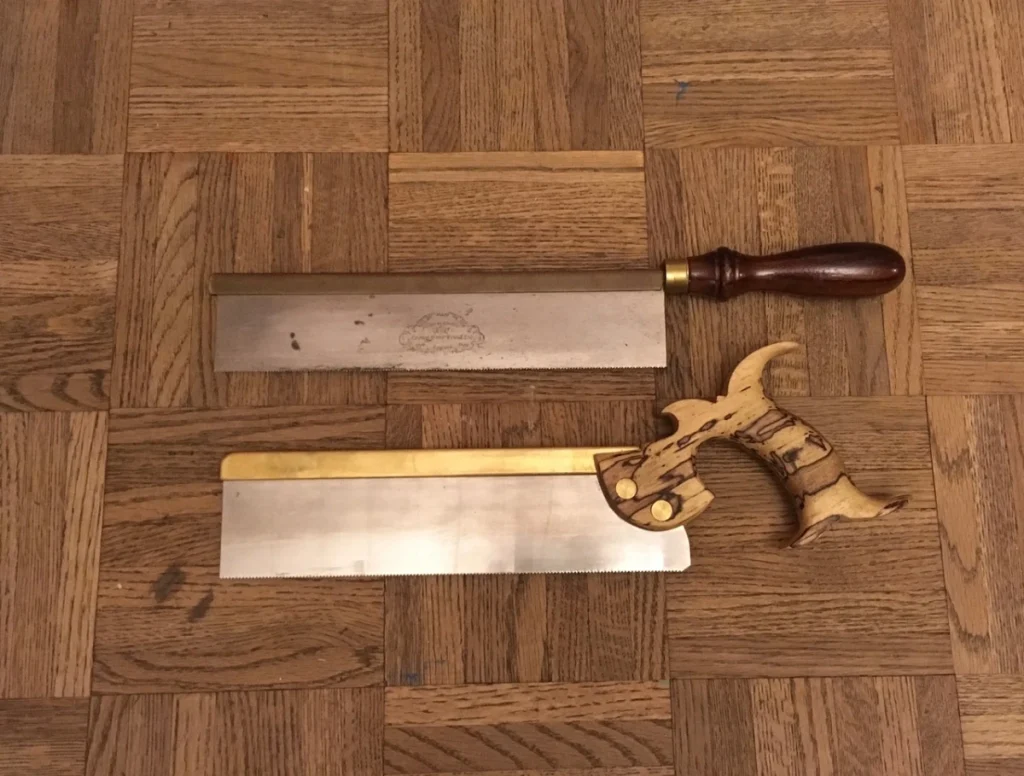
Credit: www.alamy.com
Introduction To Back Saws
A back saw is a must-have tool for any woodworker. It is known for its precision and fine cuts. This tool is essential for tasks that need accuracy.
Definition
A back saw has a stiffened back that keeps the blade straight. This makes it perfect for precise cutting. These saws usually have a narrow blade. They cut through wood with ease.
Key Features
Back saws come with several important features. These features make them unique and effective for woodworking tasks.
- Stiffened Back: Provides extra support to the blade.
- Fine Teeth: Allows for smooth and clean cuts.
- Comfortable Handle: Ensures a firm grip and better control.
- Size Variations: Available in different lengths for various tasks.
| Feature | Description |
|---|---|
| Stiffened Back | Keeps the blade straight during cuts. |
| Fine Teeth | Ensures smooth and clean cuts. |
| Comfortable Handle | Provides a firm grip and better control. |
| Size Variations | Available in different lengths for various tasks. |
Types Of Back Saws
Back saws are essential tools for woodworkers. They offer precision and control. There are various types of back saws. Each type serves a unique purpose. Here are the most common ones:
Tenon Saw
The tenon saw is a popular choice. It has a stiff blade. This helps in making straight cuts. The blade is usually 8 to 12 inches long. The teeth are fine and closely spaced. This saw is perfect for cutting tenons. Tenons are parts of wood joints. They fit into mortises for sturdy connections.
Dovetail Saw
A dovetail saw is smaller than a tenon saw. It is ideal for fine woodworking. The blade length is about 6 to 10 inches. It has very fine teeth. This saw is perfect for making dovetail joints. Dovetail joints are strong and attractive. They are often used in drawers and boxes.
Gent’s Saw
The gent’s saw is also known as a gentleman’s saw. It has a thin blade. The handle is straight and simple. It is perfect for intricate work. The blade length ranges from 4 to 8 inches. It is often used for model making and small joinery tasks.
| Type of Back Saw | Blade Length | Ideal Use |
|---|---|---|
| Tenon Saw | 8 to 12 inches | Cutting tenons |
| Dovetail Saw | 6 to 10 inches | Making dovetail joints |
| Gent’s Saw | 4 to 8 inches | Intricate work |
Materials And Construction
The materials and construction of a back saw are crucial to its performance. The right materials ensure durability and precise cuts. Let’s dive into the specifics.
Blade Material
The blade of a back saw is usually made from high-carbon steel. This material provides a sharp edge and maintains its sharpness over time. High-carbon steel blades are resistant to wear and tear, making them ideal for woodworking.
Some back saws have blades coated with anti-corrosive materials. This helps protect the blade from rust. A rust-free blade cuts more smoothly and lasts longer.
Back Material
The back of the saw is often made from brass or steel. Brass backs add weight to the saw, helping it cut straighter lines. Steel backs are lighter but still provide good support.
Both materials ensure the blade remains straight during use. This is critical for achieving precise cuts. The choice between brass and steel usually comes down to personal preference.
Handle Design
The handle of a back saw is designed for comfort and control. Most handles are made from hardwood like beech or rosewood. These woods are durable and comfortable to hold.
Some modern back saws feature ergonomic handles. These designs reduce hand fatigue during long use. Look for handles with a smooth finish for a better grip.
Handles are often attached with brass screws. This ensures a secure fit and long-lasting performance.
Uses Of Back Saws
Back saws are versatile tools in woodworking. They have a stiffened spine for precise cuts. Let’s explore their main uses.
Woodworking
Back saws are essential in woodworking. They provide accurate and clean cuts. Carpenters use them to cut wood pieces to size. Their design ensures straight cuts without flexing.
Joinery
Back saws excel in joinery tasks. They create precise joints like dovetails and tenons. These joints are crucial for strong furniture. The stiff spine allows for exact, repeatable cuts.
Fine Cuts
Fine cuts require delicate tools. Back saws are perfect for this job. They cut thin pieces of wood with ease. Artists use them for intricate designs and models.
Selecting The Right Back Saw
Choosing the right back saw is essential for your woodworking projects. The perfect back saw ensures clean, precise cuts, enhancing the quality of your work. Below, we’ll discuss key factors to consider for selecting the ideal back saw.
Project Requirements
First, identify the specific requirements of your project. Different tasks need different saw types. For instance:
- Fine woodworking: Needs a saw with a thin blade for intricate cuts.
- Rough carpentry: Requires a more robust saw for thicker materials.
Understanding the project scope helps in choosing the right tool.
Saw Specifications
Next, evaluate the saw’s specifications. Key factors include:
| Specification | Details |
|---|---|
| Blade Length | Longer blades for larger cuts, shorter for finer work. |
| Teeth Per Inch (TPI) | Higher TPI for smoother cuts, lower TPI for faster cuts. |
| Material | Steel blades for durability, brass or wood backs for stability. |
Choose specifications that match your project needs.
Personal Preference
Lastly, consider your personal preference. Comfort and ease of use are vital. Factors to consider include:
- Handle Design: Ergonomic handles reduce strain during use.
- Weight: Lighter saws are easier to handle for extended periods.
- Brand: Trusted brands often offer higher quality tools.
Choose a saw that feels right in your hand and meets your comfort needs.
Maintenance And Care
Maintaining a back saw ensures its longevity and performance. Proper care keeps it sharp and reliable. Let’s explore essential maintenance tips.
Cleaning
Always clean your back saw after use. Wipe the blade with a dry cloth to remove sawdust. Use a brush for stubborn dirt. For sticky residue, use a mild solvent. Avoid water to prevent rust.
Sharpening
Sharpening keeps the saw effective. Use a file to sharpen the teeth. Secure the saw in a vise for stability. File each tooth at the same angle. Repeat until all teeth are sharp. Regular sharpening extends the saw’s life.
Storage
Store the saw in a dry place. Moisture can cause rust. Hang the saw on a pegboard. Use a blade guard for extra protection. Avoid stacking tools on top of it.
Safety Tips
Using a back saw requires careful attention to safety. This ensures both efficiency and protection from potential injuries. Below are some vital safety tips to follow while handling a back saw.
Proper Handling
Always hold the back saw with a firm grip. Ensure your hands are dry and free from oil. Position your body to maintain balance and control. Keep the saw blade away from your body and other people. Use slow, steady motions to avoid sudden slips. Never force the saw; let the blade do the cutting.
Protective Gear
Wearing the right protective gear is crucial. Always wear safety goggles to protect your eyes from sawdust and debris. Use gloves to shield your hands from splinters and cuts. Consider wearing a dust mask to avoid inhaling sawdust. Ensure your clothing is snug and not loose to prevent it from catching in the saw.
| Protective Gear | Purpose |
|---|---|
| Safety Goggles | Protects eyes from debris |
| Gloves | Shields hands from splinters |
| Dust Mask | Prevents inhalation of sawdust |
- Ensure the work area is clean and well-lit.
- Inspect the saw blade for damage before use.
- Store the back saw in a safe, dry place.
- Keep children and pets away from the work area.
- Do not use the saw if you are tired or distracted.
- Follow the manufacturer’s instructions for maintenance.
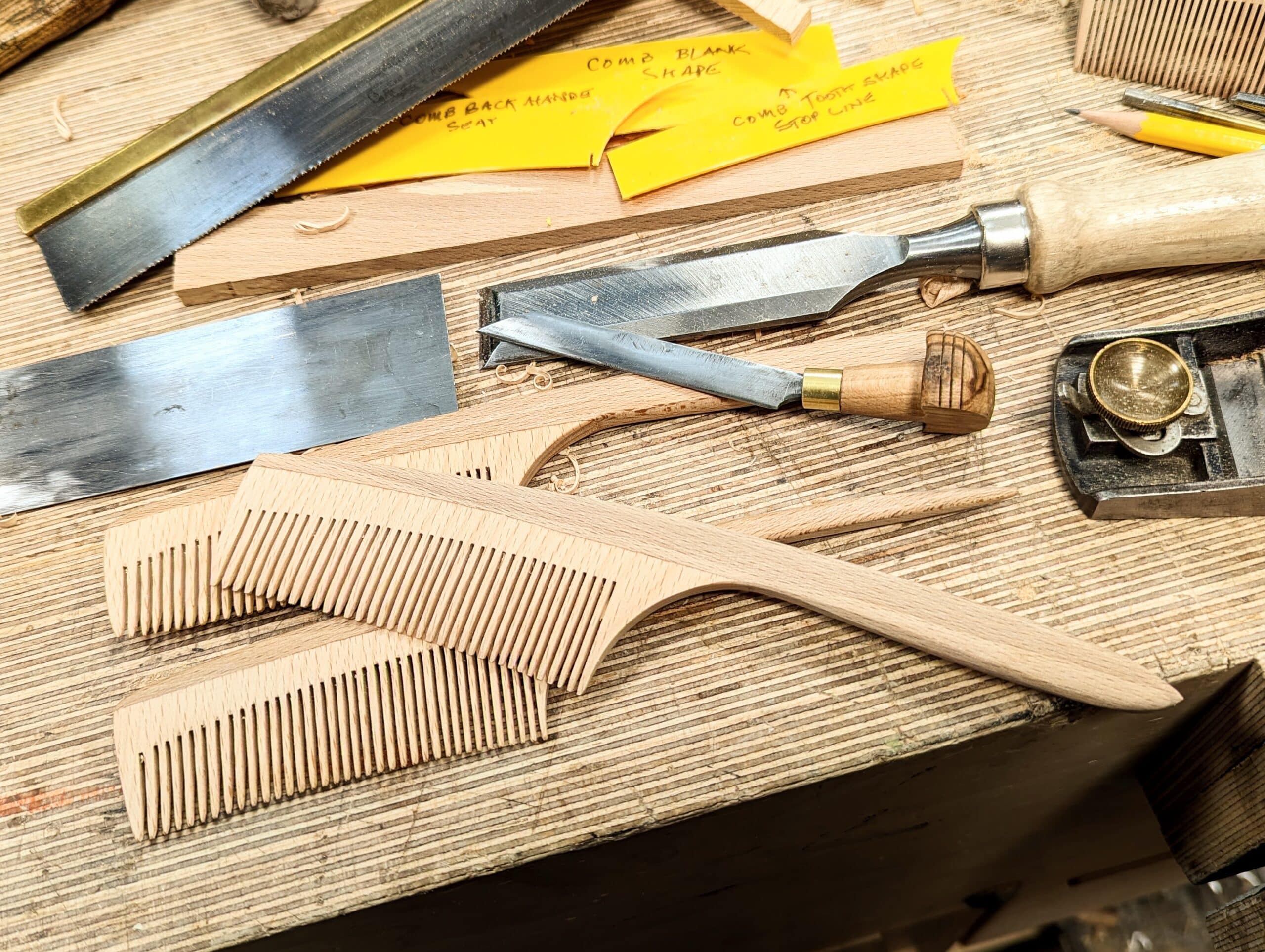
Credit: www.toolbazaar.co.uk
Frequently Asked Questions
- What Is A Back Saw?
A back saw is a hand saw with a stiffened spine for precise cuts.
- Why Is A Back Saw Used?
It is used for fine woodworking, joinery, and detailed cuts.
- How Does A Back Saw Differ From Other Saws?
A back saw has a reinforced spine that ensures accurate, straight cuts.
- Can A Back Saw Cut Metal?
No, a back saw is designed for cutting wood and not metal.
- What Types Of Cuts Are Best For A Back Saw?
It excels at making dovetail, tenon, and miter cuts.
Conclusion
A back saw is an essential tool for precise woodworking tasks. Its stiffened back ensures clean, accurate cuts. Ideal for joinery and fine detailing, it’s a must-have for craftsmen.
Understanding its use enhances your woodworking skills. Invest in a quality back saw to elevate your projects’ precision and finish.
