
A circular saw is a power tool with a toothed or abrasive disc or blade. It is used for cutting various materials like wood, metal, plastic, and masonry.
Circular saws are essential in woodworking and construction for their precision and efficiency. Their design allows for straight, clean cuts, making them ideal for tasks like framing, carpentry, and DIY projects.
Portable and easy to handle, circular saws save time and effort compared to traditional hand saws.
Different blades can be swapped out to cut specific materials, enhancing versatility. Safety features, such as blade guards, increase user protection. Investing in a quality circular saw can significantly improve the speed and accuracy of your cutting tasks.
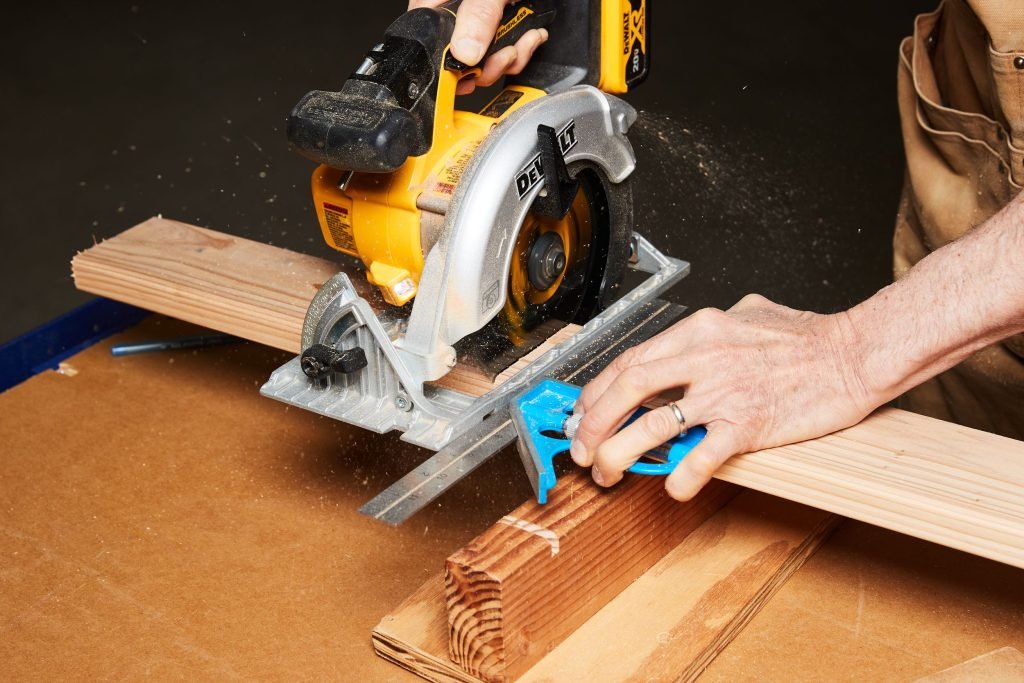
Credit: www.reddit.com
Introduction To Circular Saws
A circular saw is an essential tool for woodworkers and DIY enthusiasts. It helps in making precise cuts on various materials. This versatile tool offers efficiency and accuracy for both professionals and hobbyists.
Definition
A circular saw is a power-saw using a toothed or abrasive disc. The disc or blade rotates around an arbor. This saw is used for cutting different materials like wood, plastic, and metal. It can be hand-held or mounted to a machine. The blade of the saw is its most crucial component. Different blades are used for different materials.
Historical Background
The circular saw has a rich history. It was invented in the late 18th century. The first circular saw was made by Samuel Miller in 1777. Early versions were large and heavy. They were primarily used in sawmills. Over time, the design evolved. Modern circular saws are portable and more efficient. They have become a staple in workshops and construction sites.

Credit: www.reddit.com
Key Features
A circular saw is an essential tool in woodworking and construction. It allows for precise and quick cuts. Let’s dive into the key features that make it so effective.
Blade Types
Different blade types serve different purposes. Here are some common types:
- Ripping Blades: Used for cutting along the grain.
- Crosscut Blades: Designed for cutting across the grain.
- Combination Blades: Suitable for both ripping and crosscutting.
- Plywood Blades: Ideal for cutting plywood without splintering.
Each blade type has unique teeth configurations. This helps achieve specific cutting tasks efficiently.
Motor Power
The motor power of a circular saw determines its cutting capability. It is measured in amps or watts.
| Motor Power | Usage |
|---|---|
| 10-12 Amps | Light to medium tasks |
| 13-15 Amps | Heavy-duty tasks |
A more powerful motor means more efficient cutting. It also reduces the chance of the saw stalling during cuts.
Types Of Circular Saws
Circular saws come in different types, each suited for specific tasks. Knowing the types helps you pick the right tool for the job. Let’s explore two popular types: the Sidewinder and the Worm Drive.
Sidewinder
The Sidewinder circular saw is the most common type. It has a motor mounted alongside the blade. This design makes it lightweight and easy to handle. Sidewinders are great for general-purpose cutting.
They are perfect for cutting wood, metal, and plastic. The motor is directly connected to the blade. This direct connection allows for faster blade rotation. Sidewinders are ideal for quick, everyday tasks. They are often used by hobbyists and professionals alike.
Worm Drive
The Worm Drive circular saw is known for its power and torque. It has a motor located at the back of the tool. The motor drives the blade through a set of gears. This design offers more cutting power and control. Worm drives are heavier but provide better balance.
They are perfect for tough materials like dense wood and concrete. They are also excellent for long, straight cuts. Professional carpenters and builders favor worm drives. They are built to handle the most demanding tasks.
| Type | Motor Position | Best For |
|---|---|---|
| Sidewinder | Alongside the blade | General-purpose cutting |
| Worm Drive | Rear of the tool | Heavy-duty cutting |
Both types of circular saws have their unique strengths. Choose the one that fits your specific needs. Whether you need speed or power, there’s a circular saw for you.
Common Uses
A circular saw is a powerful tool used for cutting different materials. This tool is popular because of its versatility and efficiency. It can cut wood, metal, and even plastic. Below are the common uses of a circular saw.
Woodworking
Circular saws are often used in woodworking projects. They help in cutting various types of wood. This tool is great for making straight cuts. It can also be used for making bevel cuts.
- Construction: Builders use it to cut lumber for framing houses.
- Furniture Making: Woodworkers use it to cut pieces for tables and chairs.
- DIY Projects: Hobbyists use it for small projects around the home.
Metal Cutting
Circular saws can also cut through metal. Special blades are used for this purpose. These blades are designed to handle the hardness of metal. Using a circular saw for metal cutting is fast and efficient.
- Automotive: Mechanics use it to cut metal sheets and pipes.
- Metal Fabrication: Workers use it to shape metal for construction.
- Plumbing: Plumbers use it to cut metal pipes.
Safety Tips
Using a circular saw can be dangerous without proper precautions. Ensure you follow these safety tips to avoid accidents and injuries.
Protective Gear
Wearing the right protective gear is essential. Here are some items you must have:
- Safety Glasses: Protect your eyes from flying debris.
- Ear Protection: Circular saws can be very loud.
- Gloves: Use cut-resistant gloves for hand protection.
- Dust Mask: Prevent inhaling sawdust.
Proper Handling
Handling the saw correctly reduces the risk of accidents. Follow these steps:
- Check the Blade: Ensure the blade is sharp and clean.
- Secure Your Workpiece: Use clamps to hold the material steady.
- Firm Grip: Hold the saw with both hands.
- Stand Properly: Keep a balanced stance.
- Follow the Cut Line: Guide the saw along the marked line.
Remember to always disconnect the power when adjusting the saw or changing the blade.
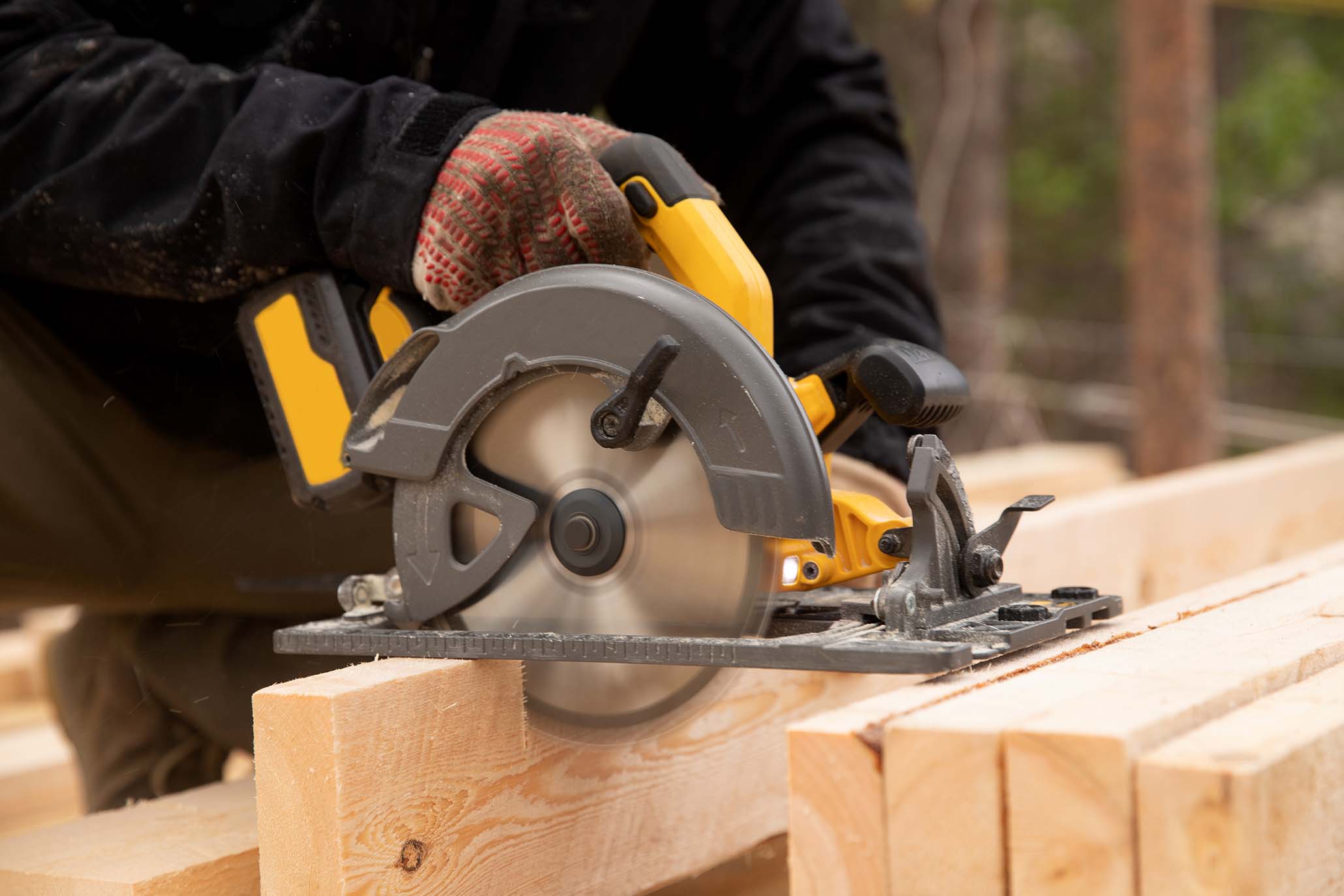
Credit: www.grainger.com
Choosing The Right Circular Saw
Selecting the perfect circular saw can be challenging. You need to match the tool to your skill level. Whether you’re a beginner or a professional, the right saw makes all the difference.
For Beginners
Beginners need a user-friendly circular saw. Look for these features:
- Lightweight Design: Easier to handle and control.
- Safety Features: Blade guards and easy-to-reach controls.
- Basic Functions: Simple adjustments and straightforward operation.
A good beginner saw might include a guide to help with straight cuts. This ensures accuracy and boosts confidence.
For Professionals
Professionals need more advanced tools. Consider these features:
- High Power: More wattage for tougher materials.
- Durable Build: Metal components for long-lasting use.
- Precision Adjustments: Fine-tune settings for perfect cuts.
Professional saws often come with additional blades. This allows for cutting various materials with ease.
Choosing the right circular saw depends on your needs. Beginners should prioritize ease of use and safety. Professionals should look for power and precision.
Maintenance Tips
Maintaining your circular saw ensures it works well. Proper care can extend its lifespan and efficiency. Here are some essential tips to keep your circular saw in top shape.
Blade Care
The blade is the heart of the circular saw. Keeping it sharp and clean is crucial.
- Clean the Blade: Use a soft brush to remove debris.
- Sharpen the Blade: Use a sharpening tool to keep it sharp.
- Check for Damage: Inspect the blade for chips or cracks.
Motor Maintenance
The motor powers your circular saw. Regular care can prevent costly repairs.
- Keep it Clean: Remove dust and debris from the motor vents.
- Lubricate Bearings: Apply oil to the motor bearings as needed.
- Inspect Wiring: Check the wiring for wear or damage.
| Task | Frequency |
|---|---|
| Clean Blade | After Each Use |
| Sharpen Blade | Monthly |
| Clean Motor | Weekly |
| Lubricate Bearings | Monthly |
| Inspect Wiring | Quarterly |
Advantages And Disadvantages
A circular saw is a powerful tool. It is used for cutting wood, metal, and plastic. It offers many benefits but has some drawbacks too.
Pros
- Versatility: It cuts various materials easily.
- Portability: It is easy to carry and use anywhere.
- Precision: The saw provides clean and accurate cuts.
- Speed: It works faster than manual saws.
- Efficiency: It saves both time and effort.
Cons
- Safety Risks: It can be dangerous if not used properly.
- Noise: The saw is very loud when in use.
- Cost: High-quality models can be expensive.
- Maintenance: It requires regular upkeep to work well.
- Weight: Some models are heavy and hard to handle.
Frequently Asked Questions
- What Is A Circular Saw?
A circular saw is a power tool with a toothed or abrasive disc or blade.
- Why Use A Circular Saw?
It’s used for cutting materials like wood, metal, and plastic with precision and speed.
- How Does A Circular Saw Work?
The blade spins rapidly, allowing it to cut through materials efficiently and accurately.
- Can A Circular Saw Cut Metal?
Yes, with the appropriate blade, a circular saw can cut through various metals.
- What Safety Gear Is Needed For Using A Circular Saw?
Always wear safety goggles, gloves, and ear protection to safeguard against potential hazards.
Conclusion
A circular saw is essential for precise and efficient cutting. Its versatility makes it popular among DIY enthusiasts and professionals. From woodworking to construction, it delivers clean cuts on various materials.
Investing in a circular saw enhances your toolset, offering reliability and precision for any project.
