
A saber saw is a handheld power tool with a reciprocating blade. It’s used for cutting materials like wood, metal, and plastic.
A saber saw, also known as a reciprocating saw, is essential in various cutting applications. Its versatility allows users to make both straight and curved cuts with ease.
The tool’s design includes a thin blade that moves back and forth rapidly, making it ideal for demolition work and intricate cutting tasks.
Whether you need to cut through wood, metal, or plastic, a saber saw can handle the job efficiently. Its portability and power make it a favorite among DIY enthusiasts and professionals alike.
With the right blade, this tool can tackle almost any cutting challenge you encounter.
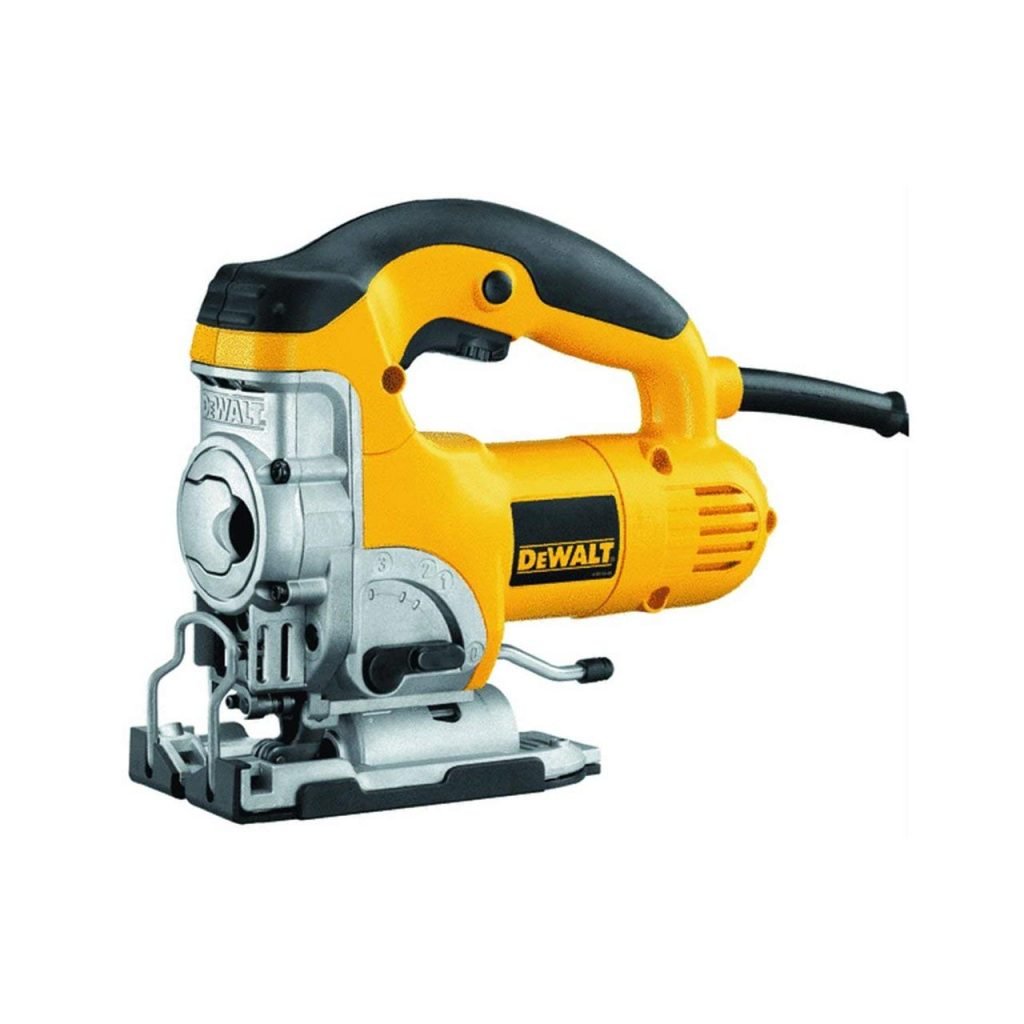
Credit: m.youtube.com
Introduction To Saber Saws
Saber saws are versatile tools used in various cutting tasks. They are known for their precision and ease of use.
Definition
A saber saw is a handheld power tool. It features a thin, reciprocating blade. This blade moves back and forth rapidly. The tool is also known as a reciprocating saw.
Saber saws can cut through different materials. These include wood, metal, and plastic. They are ideal for making curved cuts and intricate shapes.
Basic Components
Saber saws have several main parts:
- Blade: The cutting part of the saw. Blades come in various sizes and materials.
- Motor: Powers the blade’s reciprocating motion. It determines the saw’s cutting speed and power.
- Handle: Provides a grip for the user. It ensures control and stability during use.
- Trigger: Starts and stops the blade’s motion. It is usually located on the handle.
- Shoe: A flat base that rests on the material being cut. It helps to stabilize the saw during operation.
| Component | Description |
|---|---|
| Blade | Thin, reciprocating cutting part |
| Motor | Powers the blade’s motion |
| Handle | Grip for the user |
| Trigger | Starts and stops blade motion |
| Shoe | Stabilizes the saw |
Using a saber saw is simple. Attach the correct blade for your material. Hold the handle firmly. Press the trigger to start cutting.
Types Of Saber Saws
Understanding the types of saber saws can help you choose the right tool. Saber saws are versatile and can handle various tasks. They come in two main types: corded and cordless. Each type has its unique features and benefits.
Corded Saber Saws
Corded saber saws are reliable and powerful. They require a constant power supply. These saws are suitable for heavy-duty tasks. You don’t need to worry about battery life. Corded models often have more power than cordless ones. They are perfect for long work sessions. You can use them for cutting wood, metal, and plastic.
| Feature | Description |
|---|---|
| Power Source | Electric outlet |
| Usage Time | Unlimited with power supply |
| Ideal For | Heavy-duty tasks |
Cordless Saber Saws
Cordless saber saws offer mobility and convenience. They run on batteries. These saws are great for outdoor projects. You can use them anywhere without needing an outlet. They are lighter and easier to handle. Cordless models are best for light to medium tasks. Be mindful of battery life and recharge times.
- Mobility: Use them anywhere without a cord.
- Weight: Generally lighter than corded models.
- Convenience: No need to search for an outlet.
Both corded and cordless saber saws have their own advantages. Choose the one that fits your needs and project demands.
Key Features
The saber saw, also known as a reciprocating saw, is a versatile power tool. It is essential for various cutting tasks in woodworking, construction, and demolition. Let’s dive into the key features that make a saber saw a must-have in your toolkit.
Variable Speed Control
One of the most important features of a saber saw is its variable speed control. This allows you to adjust the speed of the blade. You can increase the speed for faster cuts or decrease it for more precision. Here are some key points:
- Control: Adjust the speed easily with a dial or trigger.
- Precision: Lower speeds for delicate materials like softwood or plastic.
- Efficiency: Higher speeds for tough materials like metal or hardwood.
Blade Types
The saber saw uses different blade types for various tasks. Each blade is designed for specific materials and cutting styles. Here is a table summarizing the common blade types:
| Blade Type | Material | Use |
|---|---|---|
| Wood Blade | Wood | Cutting lumber, plywood |
| Metal Blade | Metal | Cutting pipes, metal sheets |
| Bi-Metal Blade | Wood & Metal | Versatile cutting |
| Pruning Blade | Green wood | Pruning trees, shrubs |
Using the right blade ensures clean cuts and prolongs the tool’s life. Always select the blade according to the material you are working with.
Common Uses
The saber saw, also known as a jigsaw, is a versatile tool. It’s widely used in various DIY and professional projects. Below are some common uses of the saber saw.
Woodworking
The saber saw is popular in woodworking projects. It can cut intricate shapes and curves in wood. This is essential for creating decorative pieces. The tool also cuts through thick wooden boards with ease. You can adjust the blade speed for different types of wood. This ensures clean and precise cuts. Many carpenters and hobbyists rely on the saber saw.
- Cutting shapes and curves
- Trimming and resizing boards
- Creating decorative wooden pieces
Metal Cutting
Many people use the saber saw for cutting metal. It is effective for thin metal sheets. With the right blade, it can also cut through thicker metals. This tool is useful for small-scale metalworking projects. The variable speed settings help in achieving clean cuts. Safety gear is important when using the saber saw on metal.
- Cutting thin metal sheets
- Trimming and shaping metal pieces
- Small-scale metalworking projects
Safety Precautions
Using a saber saw requires attention to safety precautions. The tool is powerful and can be dangerous. Ensuring proper safety measures can prevent accidents and injuries.
Protective Gear
Always wear protective gear when using a saber saw. This includes:
- Safety glasses to protect your eyes from debris.
- Ear protection to safeguard your hearing from the loud noise.
- Gloves to shield your hands from cuts and vibrations.
- Dust mask to avoid inhaling sawdust and particles.
Proper Handling
Proper handling of the saber saw is crucial for safety.
- Secure the material you are cutting. Use clamps to hold it in place.
- Check the blade before each use. Ensure it is sharp and properly installed.
- Keep your hands away from the cutting area.
- Stand firm and maintain a stable position while cutting.
- Use both hands to hold the saw for better control.
Remember to always unplug the saw when changing blades or not in use.
Choosing The Right Saber Saw
Choosing the right saber saw can be a game-changer for your projects. Whether you are a DIY enthusiast or a professional, the right tool makes a big difference. Let’s explore the key factors to consider.
Power Requirements
The power of your saber saw affects its performance. Saber saws come in corded and cordless versions. Corded saws offer consistent power. They are ideal for heavy-duty tasks. Cordless saws provide portability. They are perfect for jobs in remote areas. Choose based on your project’s needs.
Ergonomic Design
An ergonomic design ensures comfort and reduces fatigue. Look for a saw with a comfortable grip. The handle should fit well in your hand. A lightweight design is also crucial. It allows for better control and precision. Check if the saw has vibration reduction features. This helps in maintaining accuracy during prolonged use.
| Feature | Benefits |
|---|---|
| Power Source | Corded for consistency, cordless for mobility |
| Grip | Comfortable and fits well in hand |
| Weight | Lightweight for better control |
| Vibration Reduction | Maintains accuracy during use |
Select a saber saw that matches your needs. Consider power requirements and ergonomic features. These ensure you have the right tool for any job.
Maintenance Tips
Maintaining your saber saw is crucial for its longevity and performance. Regular maintenance ensures your tool works efficiently and safely. Below are some essential tips to keep your saber saw in top shape.
Blade Replacement
Replacing the blade is a vital part of saber saw maintenance. A dull blade can lead to inefficient cuts and potential safety hazards. Follow these steps for easy blade replacement:
- Unplug the saber saw to ensure safety.
- Locate the blade release mechanism, usually a lever or knob.
- Release the old blade by pulling the lever or turning the knob.
- Insert the new blade, ensuring it is securely in place.
- Test the blade by gently pulling it to check for stability.
Cleaning And Lubrication
Regular cleaning and lubrication are necessary for smooth operation. Dust and debris can clog the mechanism, leading to performance issues. Follow these steps to keep your saber saw clean and well-lubricated:
- Use a soft brush to remove dust and debris from the saw.
- Wipe the exterior with a damp cloth to clean the surface.
- Apply a few drops of machine oil to the moving parts.
- Operate the saw for a few seconds to distribute the oil evenly.
- Store the saw in a dry, dust-free environment.
Proper maintenance of your saber saw ensures it remains a reliable tool. Regular blade replacement and routine cleaning are essential tasks. These simple steps will help extend the life of your saber saw.

Credit: en.wikipedia.org
Frequently Asked Questions
- What Is A Saber Saw?
A saber saw is a handheld power tool used for cutting various materials.
- How Does A Saber Saw Work?
A saber saw uses a reciprocating blade that moves back and forth to cut through materials.
- What Materials Can A Saber Saw Cut?
A saber saw can cut wood, metal, plastic, and ceramics.
- Why Choose A Saber Saw Over Other Saws?
A saber saw offers versatility, precision, and ease of use for various cutting tasks.
- Is A Saber Saw Suitable For Beginners?
Yes, a saber saw is user-friendly and suitable for both beginners and professionals.
Conclusion
A saber saw is a versatile tool for many cutting tasks. Its ease of use makes it essential. Perfect for DIY projects and professional work.
Understanding its functions can enhance your tool collection. Invest in a saber saw for precise and efficient cutting.
Your projects will benefit greatly.
