
A claw hammer is a hand tool with a flat striking surface and a curved, forked end for removing nails. It is commonly used in carpentry and general construction.
A claw hammer is essential in many toolkits due to its versatility. The flat striking surface drives nails into wood or other materials, making it perfect for construction and DIY projects. The curved, forked end extracts nails, even those deeply embedded or bent.
Its design offers balance and control, reducing user fatigue. Whether you’re a professional carpenter or a DIY enthusiast, a claw hammer is indispensable. It combines functionality and ease of use, making it a must-have tool for various tasks around the home or job site.
Credit: specopstools.com
Introduction To Claw Hammers
A claw hammer is a versatile tool found in most households. It is essential for driving nails into wood and removing them. This tool is a must-have for DIY enthusiasts, carpenters, and builders. Let’s dive deeper into its history and basic components.
Brief History
The claw hammer has been around for centuries. Ancient Egyptians used early versions of hammers. These tools evolved over time. By the 18th century, the claw hammer took its modern form. Today, it remains a staple in toolboxes worldwide.
Basic Components
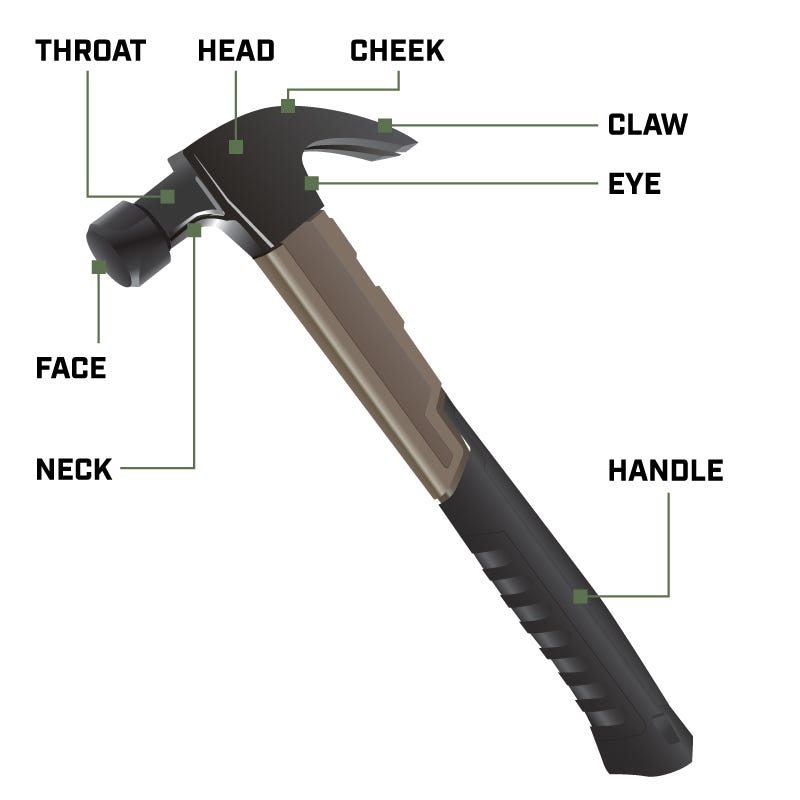
A claw hammer consists of several key parts. Understanding these parts can help you use the tool efficiently.
| Component | Description |
|---|---|
| Head | The heavy, metal part used to drive nails. |
| Claw | The curved, forked part used to remove nails. |
| Handle | Usually made of wood, fiberglass, or metal. Provides grip and leverage. |
| Face | The flat part of the head that strikes the nail. |
| Neck | Connects the head to the handle. Provides balance. |
Knowing these components can make your tasks easier. The handle length affects leverage. The claw design impacts nail removal efficiency. Choose a hammer that feels comfortable in your hand. This will improve your accuracy and reduce fatigue.

Credit: www.finewoodworking.com
Types Of Claw Hammers
Claw hammers are essential in every toolkit. They are versatile and come in different types. Each type has its own unique features and uses. This section will explore two main types of claw hammers: curved and straight claw hammers.
Curved Claw Hammers
Curved claw hammers have a distinctive curved claw. This claw helps in pulling out nails. The curved design provides better leverage. It makes nail removal easier and faster. These hammers are perfect for general carpentry.
- Better Leverage: The curved claw offers better leverage.
- Nail Removal: Ideal for pulling out nails.
- General Use: Best for general carpentry tasks.
Straight Claw Hammers
Straight claw hammers have a straight claw. This type is also known as a “rip” hammer. The straight claw is used for heavy-duty tasks. It is excellent for prying apart boards. It can also be used for demolition work.
- Heavy-Duty: Ideal for heavy-duty tasks.
- Prying Boards: Great for prying apart boards.
- Demolition: Suitable for demolition work.
Materials And Construction
Understanding the materials and construction of a claw hammer is crucial. It ensures you choose the right tool for your needs. The two main parts of a claw hammer are the handle and the head. Let’s dive into the specifics of each component.
Handle Materials
The handle of a claw hammer can be made from various materials. Each material offers unique benefits and drawbacks. The most common handle materials include wood, fiberglass, and steel. Below is a table summarizing the characteristics of each:
| Material | Pros | Cons |
|---|---|---|
| Wood | Comfortable grip, absorbs shock | Can break, requires maintenance |
| Fiberglass | Durable, lightweight, absorbs shock | Can feel stiff, less tactile feedback |
| Steel | Extremely durable, long-lasting | Heavy, can cause fatigue |
Head Materials
The head of a claw hammer is another essential part. It is usually made from either steel or titanium. Here are the key points:
- Steel Heads:
- Most common material
- Strong and durable
- Heavier, which can cause user fatigue
- Titanium Heads:
- Lighter than steel
- Reduces user fatigue
- More expensive
The head also features a striking face and a claw. The striking face is used to drive nails. The claw is used to pull nails out. The material of the head affects the tool’s performance and durability.
By understanding the materials and construction, you can choose the best claw hammer for your tasks. Whether you prefer the traditional feel of wood or the durability of steel, each material has its advantages.
Choosing The Right Claw Hammer
Choosing the right claw hammer can make your tasks easier. The perfect hammer reduces effort and prevents injury. Consider weight, grip, and comfort when making your choice.
Weight Considerations
The weight of a claw hammer affects its usability. Lighter hammers are easier to handle. They are suitable for small tasks like hanging pictures. Heavier hammers provide more force. They are ideal for driving large nails.
Here is a table to help you choose:
| Hammer Weight | Best Uses |
|---|---|
| 8-10 oz | Light tasks, small nails |
| 16-20 oz | General use, medium nails |
| 20+ oz | Heavy-duty tasks, large nails |
Grip And Comfort
A comfortable grip is essential for prolonged use. Rubber grips are soft and absorb shock. Wooden handles offer a classic feel and are lightweight. Fiberglass handles are durable and resist breaking.
Consider these factors for the best grip:
- Material: Rubber, wood, or fiberglass
- Shape: Ergonomic designs reduce hand strain
- Texture: Non-slip surfaces provide better control
Choose a hammer that fits well in your hand. Test different grips to find the most comfortable one. Proper grip and comfort enhance your hammering experience.
Common Uses
A claw hammer is a versatile tool found in many toolboxes. It is primarily used for driving nails and pulling nails out. Here are the most common uses of a claw hammer.
Nail Pulling
The curved claw on the hammer’s back end is perfect for removing nails. Insert the claw under the nail head and apply pressure. The nail will come out smoothly.
| Step | Description |
|---|---|
| 1 | Place the claw under the nail head. |
| 2 | Apply pressure to the hammer handle. |
| 3 | Slowly lift the nail out. |
Nail Driving
The flat face of the hammer is used for driving nails into wood or other materials. Hold the hammer handle firmly and hit the nail head. Repeat until the nail is secure.
- Hold the nail with your fingers.
- Position the hammer over the nail head.
- Strike the nail head steadily.
- Continue until the nail is completely in.
Safety Tips
Working with a claw hammer can be dangerous. Following safety tips is essential. Protect yourself and others around you. Below are some crucial safety tips.
Proper Grip
Always use a firm grip. Hold the handle near the end. This gives better control and power. Don’t hold the hammer too close to the head. This can cause slips and accidents. Keep your hands dry and clean. Wet hands may lose grip easily.
Eye Protection
Wear safety goggles at all times. This protects your eyes from flying debris. Even small particles can cause serious injury. Safety goggles should fit snugly. They should cover your eyes completely. Don’t rely on regular glasses. They are not enough to protect your eyes.
Here are some additional tips:
- Inspect the hammer for damage before use.
- Use the right hammer for the right job.
- Keep your work area clean and organized.
| Safety Tip | Description |
|---|---|
| Proper Grip | Hold the handle near the end for better control. |
| Eye Protection | Wear safety goggles to protect your eyes. |
Maintenance And Care
Maintaining your claw hammer ensures its longevity and effectiveness. Proper care prevents rust and wear. Below are essential tips for cleaning and storing your claw hammer.
Cleaning Tips
Regular cleaning keeps your claw hammer in top shape. Follow these steps:
- Wipe the hammer after each use.
- Use a cloth to remove dirt and debris.
- If needed, use a mild soap solution.
- Dry the hammer thoroughly with a clean cloth.
- Apply a light coat of oil to the metal parts.
Cleaning prevents rust and keeps the hammer functional.
Storage Recommendations
Proper storage prevents damage and extends the life of your claw hammer:
- Store the hammer in a dry place.
- Avoid humid environments to prevent rust.
- Use a tool rack or pegboard for easy access.
- Keep the hammer away from corrosive materials.
- Ensure the storage area is clean and organized.
Proper storage maintains the hammer’s condition and readiness.
Advanced Techniques
Mastering the claw hammer involves more than just basic hammering. Advanced techniques can help you achieve precision and efficiency. Below, we explore some advanced uses of the claw hammer.
Precision Work
Precision work with a claw hammer demands a steady hand. Use a lighter grip for better control. This minimizes force and allows for more accurate hits. Employ a tapping technique for delicate tasks. This involves tapping the nail lightly until it stands on its own. Then, apply stronger hits to drive it in.
For precise nail removal, use the claw end. Place it under the nail head and apply gentle leverage. This prevents damage to the wood. Always ensure the hammer is aligned with the nail for best results.
Using With Other Tools
Combining the claw hammer with other tools can enhance its functionality. Below is a table showcasing some common tool pairings.
| Tool | Usage |
|---|---|
| Chisel | Remove small wood pieces with precision. |
| Measuring Tape | Ensure exact nail placement. |
| Level | Keep surfaces straight and even. |
Using a chisel with a claw hammer can help in carving out small sections of wood. This combination is ideal for creating joints or grooves. Always use the hammer to tap the chisel gently.
A measuring tape ensures nails are placed accurately. Measure the distance and mark the spot before hammering.
Employing a level helps in maintaining straight and even surfaces. Use it to check the alignment before and after hammering.
Incorporating these advanced techniques can significantly improve your claw hammer skills. Practice regularly to master these methods.

Credit: home.howstuffworks.com
Frequently Asked Questions
What Is A Claw Hammer?
A claw hammer is a versatile hand tool with a flat striking surface and a curved, forked end for removing nails.
How Is A Claw Hammer Used?
A claw hammer is used for driving nails into surfaces and extracting them with its clawed end.
What Materials Are Claw Hammers Made Of?
Claw hammers are typically made from steel or titanium for the head and wood, fiberglass, or steel for the handle.
Why Is A Claw Hammer Essential?
A claw hammer is essential for general carpentry, woodworking, and home repair tasks due to its dual functionality.
Can A Claw Hammer Be Used For Demolition?
Yes, a claw hammer can perform light demolition tasks like prying apart wooden structures and removing nails.
Conclusion
A claw hammer is a versatile tool for both professionals and DIY enthusiasts. It’s essential for driving and removing nails. Understanding its uses can enhance your woodworking projects. Invest in a quality claw hammer for better results. Mastering this tool will make many tasks easier and more efficient.
