
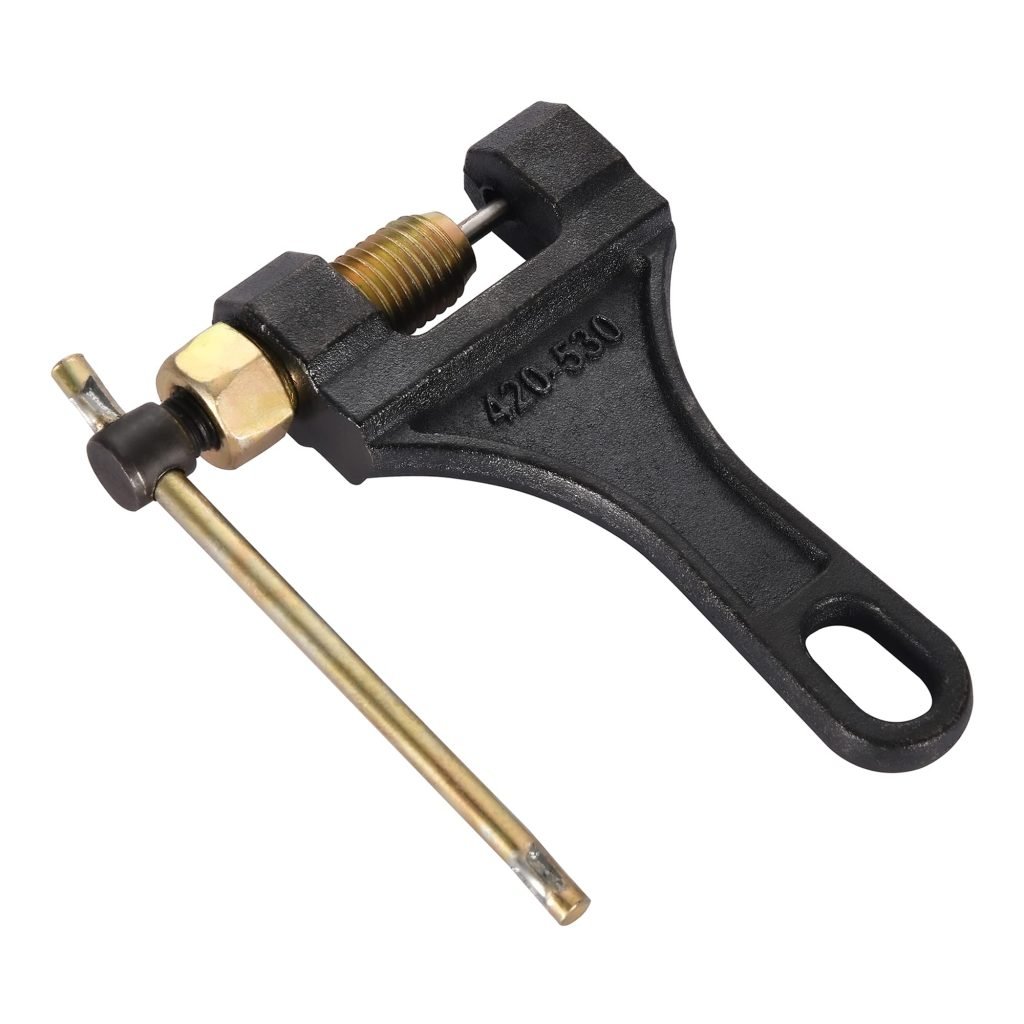
The tool that breaks chains is called a chain breaker. This device effectively separates links in a chain, allowing for repairs or adjustments.
Chain breakers are essential tools for cyclists, mechanics, and various industries. They simplify the process of removing or connecting chain links, saving time and effort. Whether you need to repair a bicycle chain or adjust a heavy-duty chain in machinery, a chain breaker is invaluable.
Different models exist, each designed for specific chain types, ensuring versatility for users. Understanding how to use a chain breaker can enhance your maintenance skills, making tasks quicker and more efficient.
Investing in a quality chain breaker can prevent frustration and prolong the life of your chains, making it a must-have tool in your toolkit.
Introduction To Chain Breakers
Chain breakers are essential tools for various tasks. They help in removing links from chains. This process is crucial for repairs and adjustments. Understanding these tools can enhance your DIY projects.
Essential For Diy Enthusiasts
DIY enthusiasts rely on chain breakers for many reasons:
- Easy to use: Simple mechanisms make them user-friendly.
- Versatile: Suitable for different types of chains.
- Cost-effective: Saves money on repairs and replacements.
Having a chain breaker in your toolkit is a smart choice. It allows for quick adjustments and repairs. You can maintain your bikes, jewelry, and more with ease.
A Brief History
The concept of chain breakers dates back centuries. Early versions appeared in various industries. They were vital in manufacturing and construction.
Modern chain breakers are more advanced. They feature durable materials and ergonomic designs. This evolution has made them more efficient. Here’s a brief timeline:
| Year | Development |
|---|---|
| 1800s | First chain-making machines introduced. |
| 1900s | Chain breakers became common in workshops. |
| 2000s | Ergonomic designs improved user comfort. |
Chain breakers continue to evolve. Today, they are essential tools for both professionals and hobbyists.
Credit: www.youtube.com
Types Of Chain Breakers
Chain breakers are essential tools for various tasks. They help separate links in a chain. Different types of chain breakers suit different needs. Here are the main types:
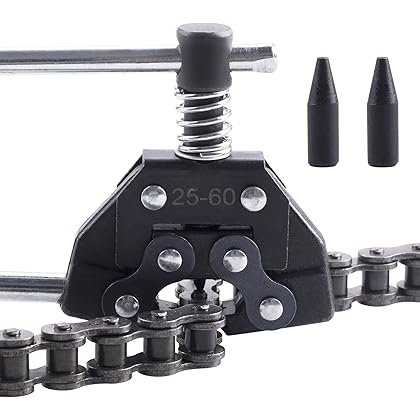
Manual Chain Breakers
Manual chain breakers are simple and effective. They operate without power. Users apply physical force to break chains. Here are some key features:
- Lightweight: Easy to carry and use.
- Cost-effective: Generally cheaper than other types.
- Durable: Made from strong materials.
Manual chain breakers work well for small jobs. They are perfect for home repairs and maintenance tasks. Users must have enough strength to operate them.
Hydraulic Chain Breakers
Hydraulic chain breakers use fluid power. They require a hydraulic system to function. These tools are strong and efficient. Here are some benefits:
| Feature | Benefit |
|---|---|
| High Power: | Can break thick chains easily. |
| Less Effort: | Requires minimal physical strength. |
| Versatile: | Works on various chain sizes. |
Hydraulic chain breakers are ideal for heavy-duty tasks. They are commonly used in construction and industrial settings. Professionals often prefer them for tough jobs.
Electric Chain Breakers
Electric chain breakers use electricity to operate. They offer speed and efficiency. Here are some highlights:
- Quick Operation: Breaks chains faster than manual types.
- User-Friendly: Requires less physical effort.
- Consistent Power: Delivers steady performance.
Electric chain breakers are excellent for frequent use. They are suitable for businesses needing quick results. Users must ensure proper electrical connections for safety.
How Chain Breakers Work
Chain breakers are essential tools for anyone working with chains. They help remove links quickly and safely. Understanding their operation is important for effective use.
The Basic Mechanism
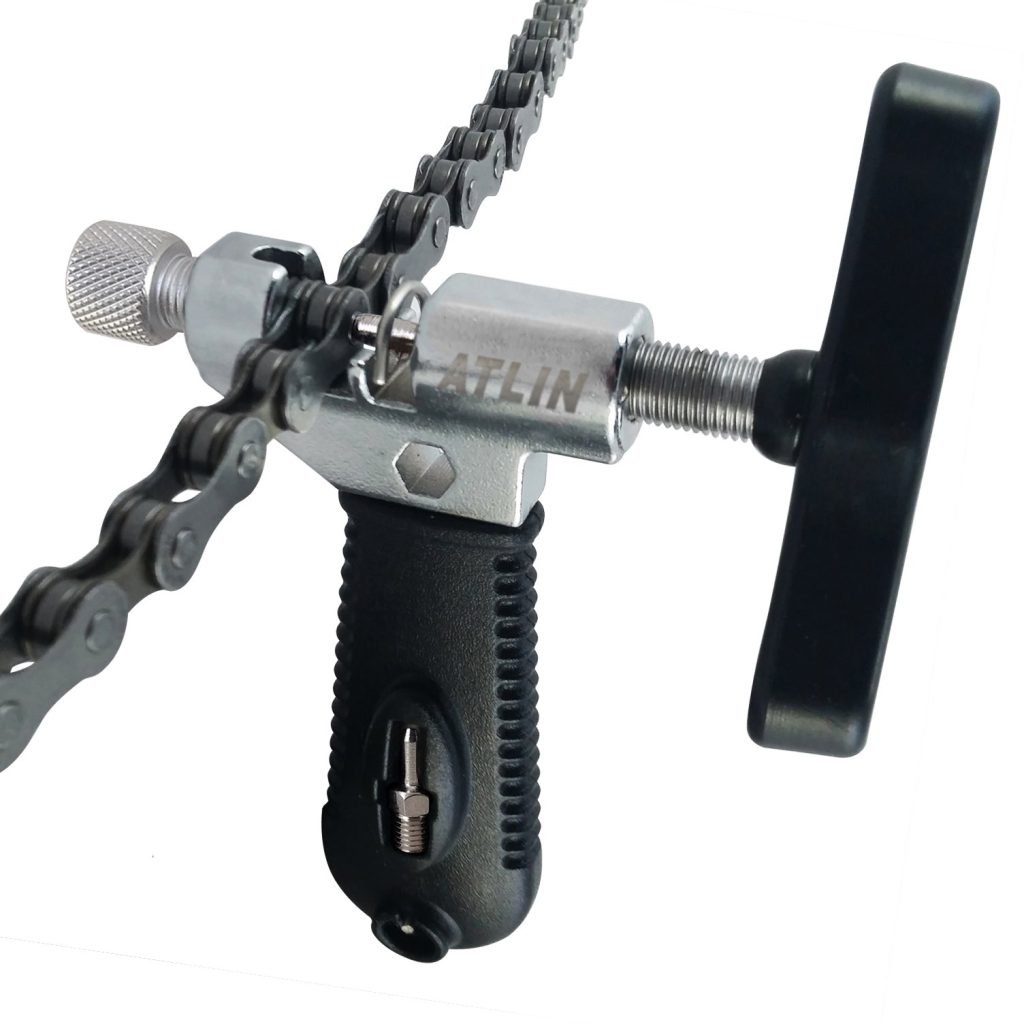
The chain breaker consists of simple components:
- Handle: Provides leverage to apply force.
- Push pin: Pushes out the link’s pin.
- Body: Holds everything together.
Here’s how it works:
- Position the chain in the tool.
- Align the push pin with the link’s pin.
- Apply pressure by turning the handle.
- The push pin pushes out the link’s pin.
The pin removal allows for quick repairs or adjustments. This mechanism saves time and effort.
Safety Precautions
Using a chain breaker requires care. Follow these safety tips:
- Wear safety goggles to protect your eyes.
- Ensure the tool is in good condition.
- Keep hands clear of moving parts.
- Use gloves to protect your hands from sharp edges.
Always read the manufacturer’s instructions. This will help avoid accidents.
Choosing The Right Chain Breaker
Finding the perfect chain breaker can be challenging. The right tool makes repairs easier and faster. Consider your specific needs before selecting one.
Considerations For Different Chains
Different chains require different tools. Here are some factors to consider:
- Chain Type: Bicycle, motorcycle, or industrial chains.
- Chain Size: Measure the width and length accurately.
- Material: Steel, aluminum, or other materials affect durability.
- Usage Frequency: Occasional or regular use impacts durability needs.
Brand And Quality
Quality matters. A good brand can save time and money. Look for:
- Reputation: Check reviews and ratings.
- Warranty: Longer warranties indicate better quality.
- Material Quality: Stronger materials last longer.
Some recommended brands include:
| Brand | Type | Features |
|---|---|---|
| Park Tool | Bicycle | Durable, easy to use |
| Sunlite | Motorcycle | Heavy-duty, reliable |
| ProBikeTool | Multi-purpose | Compact, versatile |
Step-by-step Guide To Using A Chain Breaker
Using a chain breaker is essential for bike maintenance. This guide will help you break chains safely and effectively. Follow these steps to ensure proper use of the tool.
Preparation
Before you start, gather the necessary tools and materials:
- Chain breaker tool
- Chain (the one you want to break)
- Safety glasses
- Work surface (clean and stable)
Make sure to wear safety glasses. This protects your eyes from any flying debris. Ensure the chain is clean and free from dirt. A clean chain makes the process smoother.
Process
- Identify the link you want to break.
- Align the chain in the tool’s slot.
- Insert the pin of the chain breaker into the link’s pin.
- Turn the handle slowly to push the pin out.
- Remove the link once the pin is fully pushed out.
Check the alignment as you work. Misalignment can damage the chain or tool. After breaking the chain, remove any debris from the tool.
Post-operation Checks
After using the chain breaker, perform these checks:
- Inspect the chain for any damage.
- Clean the tool to ensure longevity.
- Store the tool in a dry place.
- Check the remaining links for wear.
These steps ensure your chain and tool are in good condition. Regular checks can prevent future problems.
Credit: badboycountry.com
Common Applications Of Chain Breakers
Chain breakers are versatile tools used in various industries. They simplify the process of removing and installing chains. Below are some common applications where chain breakers shine.
Bicycle Maintenance
Chain breakers are essential for bicycle maintenance. They help in:
- Replacing worn-out chains.
- Adjusting chain length for better performance.
- Repairing broken chains quickly.
Using a chain breaker saves time and effort. It ensures your bike runs smoothly.
Motorcycle Repair
Motorcycles also benefit from chain breakers. Key applications include:
- Replacing old or damaged chains.
- Adjusting chain tension for optimal performance.
- Facilitating quick repairs during rides.
Chain breakers make motorcycle repairs easier. They provide reliable solutions for enthusiasts.
Industrial Uses
In industrial settings, chain breakers play a vital role. They are used for:
| Application | Description |
|---|---|
| Heavy Machinery | Removing and replacing chains in machines. |
| Conveyor Systems | Maintaining and repairing conveyor chains. |
| Agricultural Equipment | Adjusting chains on farming machinery. |
Chain breakers enhance efficiency in industries. They ensure machinery operates without delays.
Maintenance Tips For Chain Breakers
Proper maintenance keeps your chain breaker in top shape. Regular care extends its life and enhances performance. Follow these tips for effective maintenance.
Regular Cleaning
Cleaning your chain breaker is essential. Dirt and grime can hinder its function. Follow these steps:
- Use a soft brush to remove debris.
- Wipe the surfaces with a damp cloth.
- Check for rust or corrosion.
Consider cleaning after each use. This keeps it in excellent condition.
Lubrication
Lubrication is crucial for smooth operation. It prevents wear and tear. Use these tips:
- Apply lubricant to all moving parts.
- Use a high-quality lubricant designed for tools.
- Wipe off excess lubricant to avoid attracting dirt.
Lubricate your chain breaker every few uses. This ensures optimal performance.
Storage Advice
Proper storage protects your chain breaker. Follow these guidelines:
| Storage Tip | Description |
|---|---|
| Dry place | Store in a cool, dry area to prevent rust. |
| Protective case | Use a case to shield it from impacts. |
| Out of reach | Keep it out of children’s reach to ensure safety. |
Following these storage tips maintains its quality over time. Treat your chain breaker with care to enjoy its benefits longer.
Credit: kadampa.org
Where To Buy Chain Breakers
Finding the right place to buy chain breakers is essential. These tools are useful for various tasks. Knowing where to look can save time and money. Here are some great options for purchasing chain breakers.
Online Retailers
Online shopping offers convenience and variety. Here are some popular online retailers:
- Amazon – Huge selection and customer reviews.
- eBay – Great for finding used or discounted tools.
- Home Depot – Reliable delivery and various options.
Search for chain breakers on these sites. Compare prices and read reviews. This helps in making an informed choice.
Local Hardware Stores
Local hardware stores are great for hands-on shopping. You can see the tool before buying. Here are some popular local stores:
- Ace Hardware – Friendly staff and good selection.
- True Value – Affordable prices and local support.
- Lowe’s – Wide range of tools available.
Visit your nearest store and ask for assistance. Staff can help you find the right chain breaker.
Specialty Tool Shops
Specialty tool shops focus on high-quality tools. They often have expert staff. Here are some benefits of these shops:
- Expert advice on tool selection.
- Higher quality tools than general retailers.
- Specialized tools for specific tasks.
Check for specialty shops in your area. They may offer unique options not found elsewhere.
Frequently Asked Questions
- What Is A Chain Breaker Tool?
A chain breaker tool is designed to separate links in a chain, allowing for repairs or adjustments.
- How Does A Chain Breaker Work?
It works by applying pressure to the chain link, pushing out the pin to disconnect the links easily.
- What Are The Types Of Chain Breakers?
Common types include handheld, hydraulic, and electric chain breakers, each suited for different chain sizes and materials.
- Where Can I Buy A Chain Breaker?
Chain breakers are available at hardware stores, online retailers, and specialized tool shops.
- Why Do I Need A Chain Breaker?
A chain breaker is essential for maintaining chains in bikes, machinery, and other applications, ensuring optimal performance.
Conclusion
Understanding the tool that breaks chains can enhance your DIY skills and safety measures. Whether for maintenance or emergency situations, knowing this tool is essential.
Explore options available on the market to find the best fit for your needs. Equip yourself with the right knowledge and tools for effective chain management.
