
You need a 7/8-inch or 22mm wrench to remove an O2 sensor. Make sure to use a specialized O2 sensor socket for best results.
Oxygen sensors, commonly known as O2 sensors, play a crucial role in monitoring and optimizing your vehicle’s engine performance. These sensors measure the amount of oxygen in the exhaust gases, ensuring efficient fuel combustion.
To replace or inspect an O2 sensor, you will need the correct tool size.
A 7/8-inch or 22mm wrench is typically required for this task. Using the right wrench size helps prevent damage to the sensor and ensures a snug fit during installation. Always use a specialized O2 sensor socket, which has a slot for the sensor wire, to make the process easier and more efficient.
Proper maintenance of O2 sensors can improve fuel economy and reduce harmful emissions.
O2 Sensor Basics
Understanding your vehicle’s O2 sensor is crucial. This small device plays a big role in your car’s performance. Knowing the basics can save you time and money.
Credit: otctools.com
Function Of O2 Sensors
The O2 sensor measures the oxygen levels in your car’s exhaust. It ensures the engine runs efficiently. It helps in reducing harmful emissions. This sensor sends data to the car’s computer.
The computer adjusts the air-fuel ratio based on this data. This process helps in achieving optimal combustion. It ensures better fuel economy. It also keeps the engine running smoothly.
Types Of O2 Sensors
There are two main types of O2 sensors:
- Narrowband O2 Sensors
- Wideband O2 Sensors
Narrowband O2 Sensors
These are the older type of sensors. They provide a simple yes or no signal. They tell the computer if the engine is running rich or lean. Most older vehicles use narrowband sensors.
Wideband O2 Sensors
These offer more accurate readings. They provide a continuous signal. This helps in fine-tuning the air-fuel mixture. Many modern cars use wideband sensors.
Understanding these types helps in choosing the right wrench size for replacement. It also aids in identifying the correct sensor for your vehicle.

Credit: www.amazon.com
Tools Needed
To replace or inspect an O2 sensor, having the right tools is crucial. Using the right tools ensures a smooth process and avoids damage.
Wrench Types
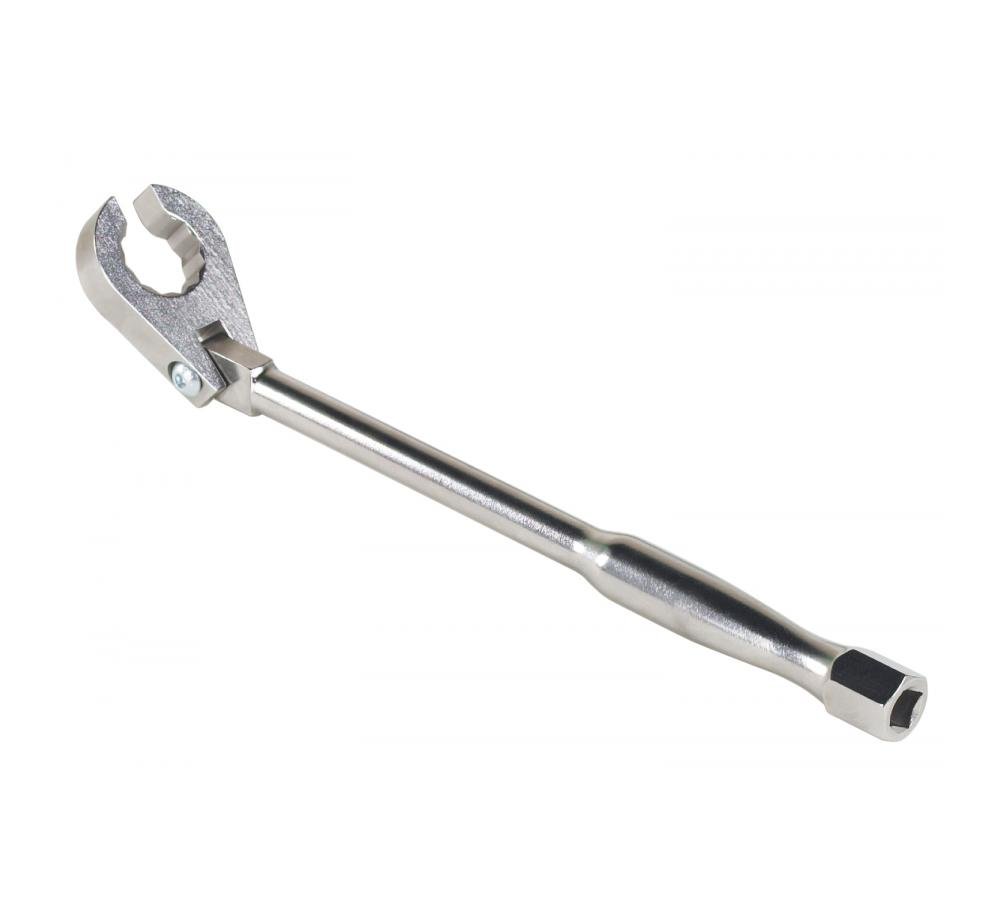
The most important tool is the wrench for the O2 sensor. A special O2 sensor wrench or socket is best. These wrenches have a slot or cut-out. This allows the wire to pass through. The most common sizes are 7/8 inch (22mm) and 13/16 inch (21mm). These sizes fit most O2 sensors.
Here’s a simple table to illustrate the wrench sizes:
| O2 Sensor Type | Wrench Size |
|---|---|
| Standard O2 Sensor | 7/8 inch (22mm) |
| Compact O2 Sensor | 13/16 inch (21mm) |
Other Essential Tools
Besides the wrench, other tools are also essential for this job:
- Penetrating Oil: Helps loosen rusted or stuck sensors.
- Ratchet: Provides leverage and ease in turning the wrench.
- Extension Bar: Reaches sensors in tight spaces.
- Anti-Seize Compound: Ensures easier removal in the future.
- Torque Wrench: Ensures the sensor is properly tightened.
These tools help make the process smooth and efficient. Having the right tools on hand is key to success.
Standard Wrench Sizes
When working on an O2 sensor, choosing the right wrench size is essential. The correct size ensures a snug fit, prevents damage, and makes the task easier. This section will guide you through the standard wrench sizes for O2 sensors.
Common Sizes
O2 sensors typically require 22mm or 7/8 inch wrenches. These sizes are common and fit most sensors. Always check your vehicle’s manual to confirm the exact size needed.
When To Use Each Size
| Wrench Size | Usage |
|---|---|
| 22mm | Used for most European cars. |
| 7/8 inch | Commonly used for American and Japanese cars. |
Ensure the wrench fits snugly around the sensor. A proper fit avoids rounding off the sensor’s edges.
Choosing The Right Wrench
Selecting the correct wrench for an O2 sensor is crucial. Using the wrong size can damage the sensor or the vehicle. This guide helps you choose the right wrench efficiently.
Factors To Consider
Several factors influence the choice of a wrench for an O2 sensor. Consider these points:
- Size: Most O2 sensors require a 7/8 inch or 22mm wrench.
- Type: There are open-end wrenches, box wrenches, and special O2 sensor wrenches.
- Material: Opt for high-quality steel for durability and strength.
- Accessibility: Ensure the wrench can reach the sensor location.
- Grip: A wrench with a good grip prevents slipping and injury.
Brand Recommendations
Several brands offer reliable wrenches for O2 sensors. Here are some top choices:
| Brand | Features |
|---|---|
| GearWrench | Known for durability and precision. Offers different sizes and types. |
| Craftsman | Offers high-quality, long-lasting wrenches. Suitable for various sensors. |
| TEKTON | Affordable and reliable. Provides good grip and strength. |
Choosing the right wrench ensures the safe and efficient removal of O2 sensors. This prevents damage and saves time.
Step-by-step Guide
Knowing the right wrench size for an O2 sensor is crucial. This guide will walk you through the steps to remove and install an O2 sensor. Follow these simple steps to get the job done.
Preparation Steps
Before starting, gather all necessary tools and materials. Here’s what you need:
- O2 sensor wrench (typically 7/8 inch or 22mm)
- New O2 sensor
- Anti-seize compound
- Socket wrench set
- Jack and jack stands
- Safety gloves
Ensure the engine is cool. This prevents burns and makes the sensor easier to handle. Safety is important, so wear gloves and eye protection.
Removing The O2 Sensor
First, locate the O2 sensor. It’s usually found on the exhaust manifold or downpipe. Use a jack to lift the vehicle, if needed.
- Disconnect the sensor’s electrical connector.
- Use the O2 sensor wrench to loosen the sensor. Turn counterclockwise.
- Once loose, remove the sensor by hand.
If the sensor is stuck, apply some penetrating oil. Let it sit for a few minutes. Then, try loosening it again.
Installing The New Sensor
Take the new O2 sensor and apply anti-seize compound to the threads. This makes future removal easier.
- Screw the new sensor into the exhaust manifold. Turn it clockwise.
- Tighten the sensor using the O2 sensor wrench. Do not over-tighten.
- Reconnect the sensor’s electrical connector.
Ensure everything is secure. Lower the vehicle if it was lifted. Start the engine and check for any warning lights. Your new O2 sensor should be working perfectly.
Following these steps ensures a smooth and safe O2 sensor replacement. Happy wrenching!

Credit: www.harborfreight.com
Expert Tips
Finding the right wrench size for an O2 sensor can be tricky. Using the wrong tool can damage the sensor or the socket. Follow these expert tips to make sure you get it right every time.
Avoiding Damage
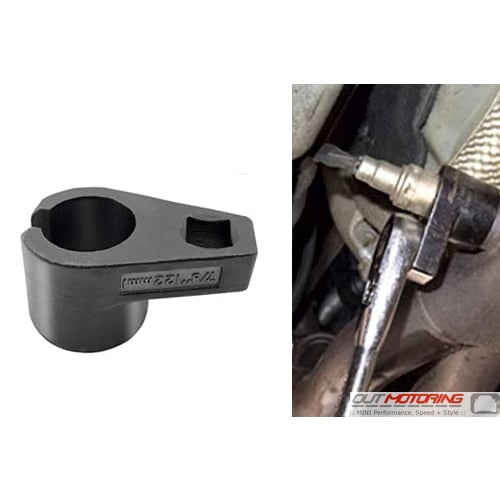
To avoid damage, use a 22mm or 7/8 inch oxygen sensor wrench. These sizes fit most O2 sensors. Always use a special O2 sensor socket. This tool has a cutout to avoid damaging the sensor wire.
Here are some important points to remember:
- Use penetrating oil to loosen stubborn sensors.
- Apply steady pressure to avoid stripping the threads.
- Never force the wrench if the sensor is stuck.
Ensuring Proper Fit
Ensuring a proper fit is crucial for removing and installing O2 sensors. Double-check the size before starting. A loose fit can round off the hex head. This makes it harder to remove the sensor.
Use a table to match wrench sizes with sensor types:
| Sensor Type | Wrench Size |
|---|---|
| Standard O2 Sensor | 22mm or 7/8 inch |
| Heated O2 Sensor | 22mm or 7/8 inch |
Follow these steps for a proper fit:
- Identify the sensor type.
- Select the correct wrench size.
- Place the wrench over the sensor hex head.
A proper fit helps avoid damage and ensures easy removal.
Troubleshooting
Encountering issues with your O2 sensor wrench? Troubleshooting can help. Here, we discuss common mistakes and how to fix installation issues.
Common Mistakes
Many make common mistakes when working with an O2 sensor wrench. Let’s look at a few:
- Using the wrong size wrench
- Over-tightening the sensor
- Failing to disconnect the battery
Using the wrong size wrench can strip the sensor. Always use the correct wrench size. Over-tightening can damage threads. Turn the wrench until it’s snug. Disconnecting the battery prevents electrical issues. Never skip this step.
Fixing Installation Issues
If you face installation issues, follow these steps:
- Ensure the sensor is clean
- Check the threads for damage
- Use anti-seize on the threads
A clean sensor fits better. Damaged threads can cause leaks. Anti-seize prevents the sensor from getting stuck. Following these steps ensures a proper installation.
Credit: www.outmotoring.com
Frequently Asked Questions
- What Size Wrench For An O2 Sensor?
A 7/8-inch (22mm) wrench typically fits most O2 sensors.
- Can I Use A Socket For O2 Sensors?
Yes, an O2 sensor socket can make removal easier.
- Is A Special Tool Needed For O2 Sensors?
A special O2 sensor socket is recommended for tight spaces.
- How Do I Remove A Stubborn O2 Sensor?
Use penetrating oil and a breaker bar for extra leverage.
- Are All O2 Sensors The Same Size?
Most O2 sensors use a 7/8-inch (22mm) fitting, but check your vehicle’s manual.
Conclusion
Choosing the right wrench size for your O2 sensor is crucial. It ensures proper installation and removal. Typically, a 7/8-inch or 22mm wrench works best.
Always check your vehicle’s manual for exact specifications. Using the correct wrench prevents damage and ensures optimal performance.
Happy wrenching!
