
Instead of pliers, consider using adjustable wrenches or locking tools. These alternatives can effectively grip and manipulate various objects.
Pliers are versatile tools, but sometimes they aren’t the best choice for every task. Whether you’re working on a DIY project or repairing equipment, having the right tool can make a significant difference.
Adjustable wrenches offer a solid grip and can accommodate various sizes, making them ideal for nuts and bolts.
Locking tools provide a secure hold on objects, freeing up your hands for other tasks. Understanding these alternatives can enhance your efficiency and precision.
Knowing when to switch tools can lead to better results and increased safety during your projects. Explore these options to see which best suits your specific needs.
Introduction To Pliers Alternatives
Pliers are handy tools for gripping, bending, and cutting. They are common in many households and workshops. However, sometimes you might need a different tool for your task. Understanding pliers alternatives can save you time and effort. This guide explores when you might need these alternatives and how to choose the right one.
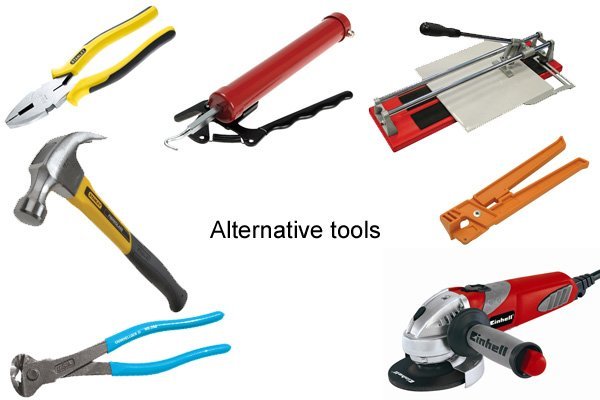
Credit: www.wonkeedonkeetools.co.uk
The Need For Alternatives
Not every job requires pliers. Here are some reasons to consider alternatives:
- Space constraints make pliers hard to use.
- Specific tasks require specialized tools.
- Pliers may not fit into tight spaces.
- Using the wrong tool can damage materials.
Criteria For Choosing The Right Tool
Choosing the right tool is essential. Here are some criteria to consider:
- Task Type: Identify the specific task you need to perform.
- Grip Strength: Ensure the tool offers a strong grip.
- Size: Check if the tool fits the space available.
- Material: Choose a tool suitable for the material you’re working with.
- Safety: Ensure the tool is safe for the job.
Using the right tool makes tasks easier. Consider these criteria to avoid frustration. Below is a table of some common pliers alternatives:
| Tool | Best For | Advantages |
|---|---|---|
| Wrench | Turning nuts and bolts | Adjustable size, strong grip |
| Screwdriver | Loosening or tightening screws | Precise control, lightweight |
| Vice Grips | Holding objects tightly | Locking mechanism, adjustable |
| Multitool | Various tasks | Multiple functions, portable |
Locking Pliers Substitute
Finding a good substitute for locking pliers can be easy. Many tools serve similar purposes. Here are two effective options: adjustable wrenches and vice grips.
Using Adjustable Wrenches
Adjustable wrenches are versatile tools. They can grip various sizes of nuts and bolts. Use them for tasks where locking pliers might fall short.
- Adjust the jaw size easily.
- Perfect for loosening and tightening.
- Lightweight and portable.
For better grip:
- Open the wrench to fit the object.
- Turn the handle to tighten it.
- Ensure a snug fit before applying force.
Vice Grips As An Alternative
Vice grips are a strong alternative to locking pliers. They lock in place, providing a firm grip. Use them for various projects.
Benefits of vice grips include:
- Ability to clamp objects tightly.
- Adjustable pressure for different tasks.
- Ideal for working in tight spaces.
To use vice grips:
- Open the grips wide enough for the object.
- Position them around the item securely.
- Squeeze the handle to lock in place.
Needle-nose Pliers Alternatives
Finding the right tool can save time and effort. Needle-nose pliers help in tight spaces. Yet, other tools can also get the job done. Here are some great alternatives.
Tweezers For Precision
Tweezers are small but mighty tools. They offer excellent precision for delicate tasks.
- Ideal for: Picking up tiny objects
- Great for: Detailed work like electronics
- Types:
- Slant-tip tweezers
- Pointed-tip tweezers
Tweezers can grip small screws and wires. They are easy to control and carry. Perfect for crafts and repairs.
Long-nose Locking Pliers
Long-nose locking pliers are versatile tools. They combine the grip of pliers with a long reach.
- Features:
- Locking mechanism for a strong hold
- Long nose for reaching into tight spots
- Uses:
- Gripping
- Twisting
- Holding objects securely
Long-nose locking pliers work well for various tasks. They are especially useful in plumbing and electrical work.
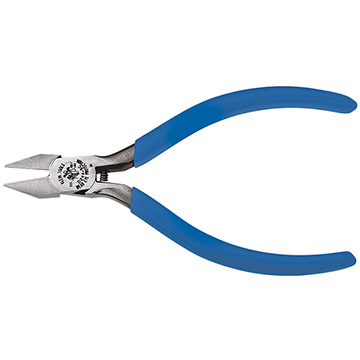
Credit: www.kleintools.com
Cutting Without Wire Cutters
Finding alternatives to wire cutters can be challenging. Many tools can effectively cut wires without needing specialized wire cutters. Two of the most accessible tools are scissors and hacksaws. Each tool has its unique advantages based on the type of wire.
Scissors For Soft Wires
Scissors can be an excellent choice for cutting soft wires. They offer several benefits:
- Easy to handle
- Widely available
- Great for small jobs
Use scissors for:
- Thin copper wires
- Aluminum wires
- Electrical wires
To cut soft wires with scissors:
- Choose sharp scissors.
- Hold the wire securely.
- Make a clean cut in one swift motion.
Hacksaws For Hard Wires
Hacksaws work well for cutting hard wires. They are powerful and effective. Here are some advantages:
- Handles thicker wires
- Provides precise cuts
- Durable and long-lasting
Ideal for:
- Steel wires
- Metal rods
- Heavy-duty applications
To use a hacksaw:
- Secure the wire in place.
- Use steady, even strokes.
- Check the cut regularly for accuracy.
Stripping Wires Without Pliers
Stripping wires can be tricky without pliers. Fortunately, there are effective alternatives. Here are some useful tools to help you strip wires safely and easily.
Utility Knives For Insulation
Utility knives are handy tools for stripping wires. They can cut through insulation quickly. Follow these steps for safe use:
- Choose a sharp utility knife.
- Hold the wire firmly.
- Make a shallow cut around the insulation.
- Carefully pull off the insulation.
Remember to keep your fingers away from the blade. Always cut away from your body for safety.
Specialized Wire Strippers
Specialized wire strippers are designed for this task. They offer many advantages:
- Precise cutting for different wire sizes.
- Built-in safety features.
- Easy to use for beginners.
Using wire strippers is simple:
- Insert the wire into the correct slot.
- Press the handles together.
- Pull the wire to remove insulation.
These tools are often more effective than pliers. They reduce the risk of damaging the wire.
| Tool | Benefits | Best For |
|---|---|---|
| Utility Knife | Versatile, sharp, easy to find | Quick jobs, general use |
| Wire Strippers | Precise, safe, efficient | Frequent wire work, all skill levels |

Credit: www.youtube.com
Diy Solutions
Finding alternatives to pliers can be easy. Many DIY solutions exist. Use creativity to solve problems without needing traditional tools.
Creating Custom Tools
Sometimes, you can make your own tools. Here are a few ideas:
- Wooden Block: Use a sturdy piece of wood to grip.
- Rubber Band: Wrap around an object for better grip.
- Wire Loop: Bend wire into a loop for clamping.
These tools can help with small tasks. They work well for light gripping and holding.
Improvising With Household Items
Many household items can replace pliers. Check your home for these:
| Item | Use |
|---|---|
| Fork | Use tines to grip small objects. |
| Spoon | Use the bowl to hold and twist. |
| Scissors | Use the pivot point to grasp. |
| Old Belt | Wrap around items for extra grip. |
These items are common and easy to find. Get creative to solve your gripping needs.
Considerations For Safety
Using tools instead of pliers can be risky. Safety must always come first. Understanding potential hazards helps prevent accidents. Here are important safety tips to consider.
Understanding The Risks
Every tool has its dangers. Know the risks associated with substitutes for pliers:
- Sharp edges can cause cuts.
- Inadequate grip may lead to slipping.
- Inappropriate use can result in injuries.
- Improper tools may damage materials.
Be aware of your surroundings. Keep your workspace tidy to avoid trips and falls.
Protective Gear And Precautions
Wearing protective gear is essential. Use these items for safety:
| Protective Gear | Purpose |
|---|---|
| Safety goggles | Protect eyes from debris |
| Gloves | Prevent cuts and bruises |
| Steel-toed boots | Protect feet from heavy objects |
Follow these precautions:
- Inspect tools before use.
- Always use the right tool for the job.
- Keep hands away from moving parts.
- Store tools safely after use.
Stay focused while working. Avoid distractions to reduce risks.
The Right Tool For The Job
Choosing the right tool is crucial for any task. Using the correct tool makes work easier and safer. Sometimes, pliers aren’t the best option. Here are some alternatives and tips for selecting the right tool.
Assessing The Task At Hand
Before grabbing a tool, evaluate the job requirements. Ask yourself these questions:
- What material am I working with?
- What type of grip do I need?
- Is precision important for this task?
Based on your answers, you can select a better tool. Here are some common tasks and suitable tools:
| Task | Best Tool Alternative |
|---|---|
| Gripping small objects | Needle-nose pliers |
| Cutting wires | Wire cutters |
| Twisting wires | Twist ties |
| Turning nuts or bolts | Wrenches |
When To Invest In New Tools
Investing in the right tools saves time and effort. Here are some signs it’s time to buy:
- Your current tools are worn out.
- You struggle with efficiency on tasks.
- Tasks require precision that your tools can’t provide.
- You frequently work with different materials.
New tools can improve your productivity. Always choose quality over quantity. Quality tools last longer and perform better.
Invest wisely in tools that fit your needs. This choice will help you tackle any project effectively.
Frequently Asked Questions
- What Tools Can Replace Pliers?
Screwdrivers, wrenches, and adjustable tools can effectively replace pliers in many tasks.
- Can I Use My Hands Instead Of Pliers?
For small objects, hands may suffice, but they lack grip and leverage for tougher jobs.
- What Are Some Alternatives For Gripping?
Grip tape, rubber bands, or cloth can provide better traction for gripping slippery items.
- Are There Specialized Tools For Specific Tasks?
Yes, tools like crimpers or wire strippers are designed for specific functions and can replace pliers effectively.
- How To Choose The Right Alternative Tool?
Consider the task’s requirements, such as grip strength, precision, and material type, to select the best tool.
Conclusion
Finding alternatives to pliers can enhance your toolkit. Each substitute offers unique benefits for various tasks. From multi-tools to wrenches, the right choice depends on your specific needs.
Explore these options to improve efficiency and precision. Embrace creativity in your DIY projects and discover new ways to get the job done.
