

Mastering the mechanics of a high-performance power tool is essential for both DIY enthusiasts and professional contractors. Understanding how to use a dewalt electric screwdriver efficiently not only saves time on assembly projects but also ensures the longevity of the equipment and the integrity of the materials being fastened. Whether you are installing cabinetry or assembling flat-pack furniture, DeWalt’s reputation for reliability makes it a top choice for projects requiring high-torque precision.
To get the most out of your hardware, it is helpful to familiarize yourself with the best DeWalt screwdriver bit sets to ensure compatibility with various fastener types.
Why Precision Matters
Using an electric screwdriver correctly involves more than simply pulling the trigger. Proper handling prevents common mechanical failures and safety hazards. Users should always refer to the official Occupational Safety and Health Administration (OSHA) guidelines regarding the safe operation of portable power tools. By focusing on technique, a user can achieve:
- Increased Productivity: Rapidly drive screws without fatigue.
- Material Protection: Minimize surface damage or stripping of delicate wood or metal.
- Tool Longevity: Reduce unnecessary wear on the motor and battery components.
Core Fundamentals for Beginners
When learning how to use a dewalt electric screwdriver, one must prioritize the balance between tool torque control and speed. The device is designed to be an extension of the user’s hand, meaning the grip and stance are as important as the electronic settings.
For those looking to deepen their technical knowledge, reviewing National Institute of Standards and Technology (NIST) research on mechanical stress can provide insight into why using the correct amount of force is critical for industrial-grade fastening.
By following the systematic steps outlined in the sections below, users will learn to master:
- Proper battery maintenance and safety.
- The effective application of variable speed triggers.
- Techniques for avoiding stripped screw heads in dense materials.
Key Takeaways
Mastering the mechanics of a power tool is essential for both safety and project efficiency. When learning how to use a dewalt electric screwdriver, operators must prioritize battery health, torque management, and proper bit selection to ensure professional-grade results. Understanding these fundamental practices helps extend the lifespan of the equipment and protects the integrity of the materials being fastened.
Key factors for successful operation include:
- Torque Control: Always adjust the clutch settings based on the fastener size and material density to prevent over-driving.
- Battery Management: Consistent care of DeWalt lithium-ion packs—as recommended by OSHA guidelines for tool safety—is critical for maintaining peak power output.
- Bit Compatibility: Utilizing the best DeWalt screwdriver set ensures that the hardware remains free of stripped heads or damage.
- Precision Driving: Using a pilot hole before driving allows for cleaner entry and prevents the wood from splitting, which is a standard procedure in high-quality craftsmanship.
Quick Safety and Efficiency Summary
To maintain a safe and productive environment, users should adhere to these standardized procedures:
- Preparation: Always inspect the tool housing for cracks or debris before starting a job.
- Safety First: Wearing personal protective equipment is non-negotiable; users should always wear impact-resistant safety glasses in accordance with ANSI/ISEA Z87.1 standards.
- Operation: Keep the screwdriver perpendicular to the workpiece to ensure the bit remains seated firmly in the screw head.
- Storage: Store batteries in a cool, dry place to prevent internal degradation of the cells.
By internalizing these points, operators will gain the confidence needed to handle complex projects while significantly reducing the risk of tool failure or personal injury.
Getting Started with Your DeWalt Tool
Mastering the mechanics of your power tool is the first step toward professional-grade results. Learning how to use a dewalt electric screwdriver efficiently requires a foundational understanding of the tool’s setup, power management, and initial configuration. By following standardized protocols, users ensure that their equipment remains in peak condition for years of reliable home improvement or construction tasks.
Unboxing and Inspecting Components
Upon opening the packaging, a thorough inspection is essential to ensure all components are present and undamaged. DeWalt tools typically arrive with the main driver, a battery pack, a compatible charger, and an assortment of starter bits.
- Check the Housing: Inspect the body for any cracks or debris from the factory.
- Verify Bit Compatibility: Ensure the chuck mechanism functions smoothly. Users should consider a high-quality screwdriver bit set to ensure their accessories are rated for the high torque these tools produce.
- Read the Manual: Always consult the Occupational Safety and Health Administration (OSHA) guidelines regarding the safe operation of handheld power tools to prevent accidental injury during the initial setup phase.
Charging the Battery Pack Safely
Proper battery maintenance is critical to the longevity of any lithium-ion power system. To get the most out of the device when learning how to use a dewalt electric screwdriver, the battery must be conditioned and charged correctly.
- Use Official Hardware: Always use the charger provided by the manufacturer. Using aftermarket charging units can lead to overheating or permanent cell damage.
- Temperature Management: Batteries should be charged in a temperate environment, ideally between 40°F and 105°F. For more information on environmental impacts on energy storage, refer to research published by the Department of Energy (DOE).
- Monitor the LED Indicator: Most DeWalt chargers feature an LED light pattern.
- Solid Light: The unit is charging.
- Blinking Light: Indicates a hot/cold delay or a charging error.
- No Light: The battery may not be seated properly in the charging cradle.
Once the battery is fully charged, users can be confident in the tool’s performance during intensive driving tasks, ensuring consistent power delivery across various material densities.
Understanding Your Tool Controls
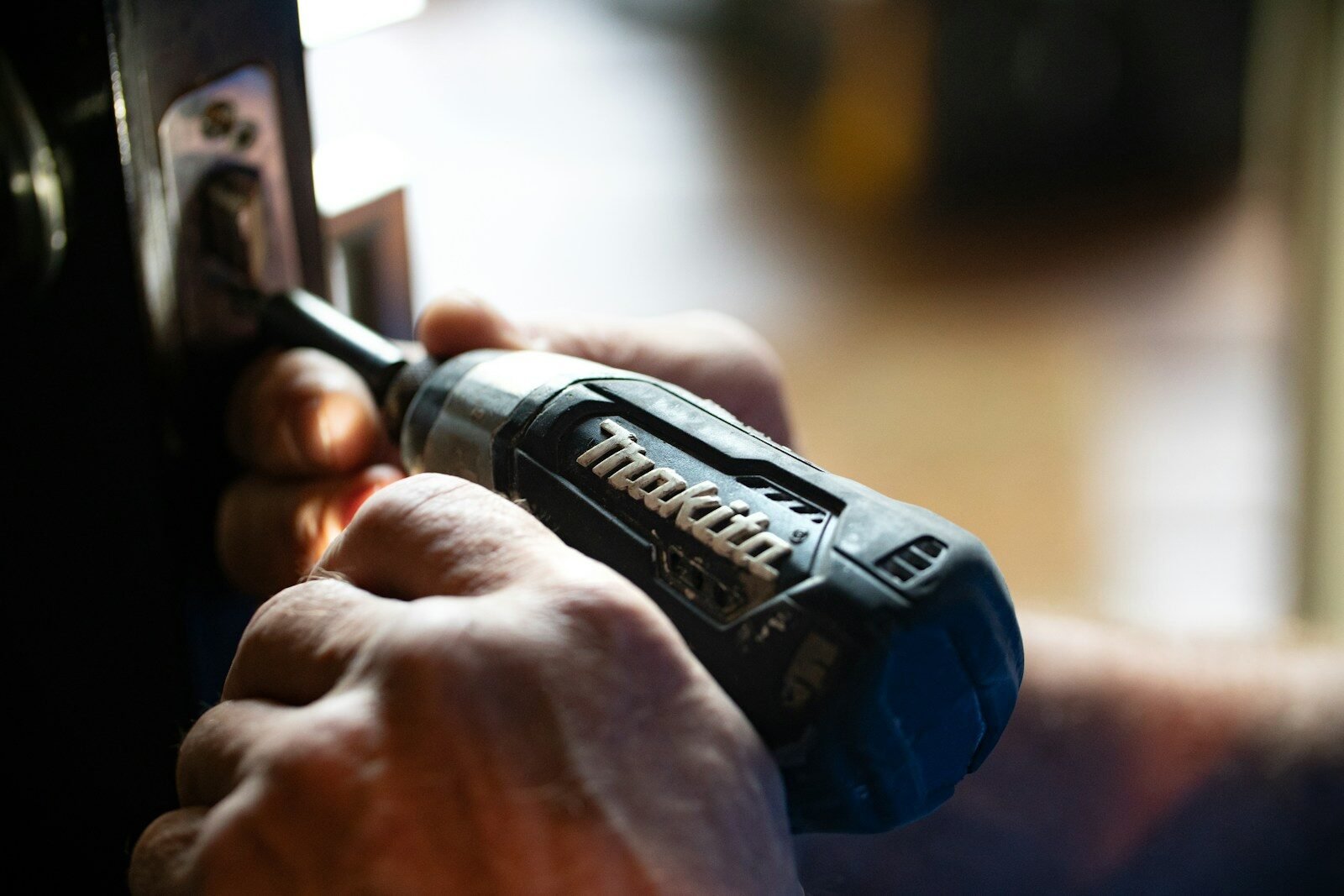
Mastering the interface of your power tool is the foundational step in learning how to use a dewalt electric screwdriver safely and efficiently. By becoming familiar with the primary adjustment points, a user can transition from basic assembly to precision craftsmanship with ease. To ensure optimal performance and tool longevity, always refer to official safety guidelines provided by the Occupational Safety and Health Administration (OSHA) regarding the operation of portable power tools. Whether you are using specialized equipment or a high-quality DeWalt screwdriver set, understanding these controls prevents premature wear and improves accuracy.
Adjusting the Torque Settings
The torque setting is arguably the most critical feature for preventing damage to both the fastener and the workpiece. It dictates the rotational force applied to the screw.
- Low Torque Settings: Ideal for delicate materials like softwoods or when driving small, thin-gauge screws. It prevents the head from stripping or countersinking too deeply.
- High Torque Settings: Required for driving long screws into dense materials or hardwoods.
- The Clutch Mechanism: Most DeWalt models feature a numbered collar. Turning this collar adjusts the clutch; once the pre-set resistance is met, the tool will “click” and stop driving to prevent over-tightening.
For more technical information on mechanical forces and fastener stress, consider reviewing engineering standards from the National Institute of Standards and Technology (NIST).
Using the Forward and Reverse Switch
The forward and reverse switch serves as the command center for the direction of the bit’s rotation. It is typically positioned directly above the trigger for easy access.
- Forward Position: Usually achieved by pushing the button from the left side of the tool, this causes the chuck to rotate clockwise. This is the standard setting for driving screws into material.
- Reverse Position: Pushing the button from the right side enables counter-clockwise rotation, which is essential for removing screws or backing out a bit that has become stuck.
- The Neutral Safety Lock: When the switch is centered, the trigger is locked. It is highly recommended to engage this neutral safety mode whenever the tool is not in active use, especially during bit changes, to prevent accidental activation.
Proper manipulation of these controls ensures the user remains in complete command of the task at hand, significantly enhancing the overall effectiveness of their how to use a dewalt electric screwdriver workflow.
Choosing the Right Bits for the Job
Selecting the correct fastener accessory is the most critical step when learning how to use a dewalt electric screwdriver. Using an incompatible or worn-out bit can lead to cam-out, stripped screws, or even damage to the tool’s chuck. For a reliable setup, users often opt for a professional-grade DeWalt screwdriver bit set to ensure durability and precision across various project types. Proper selection guarantees that the torque generated by the motor is transferred efficiently into the fastener rather than damaging the workspace.
Selecting Phillips vs. Flathead Bits
Understanding the difference between common drive types is essential for maintaining control during installation. Most residential projects rely on these two primary formats:
- Phillips Bits (Cross-head): These are identified by their “plus” sign shape. They are designed to “cam out” (slip) if too much torque is applied, which helps prevent over-tightening. Always ensure the bit size (typically #1, #2, or #3) matches the screw head size exactly.
- Flathead Bits (Slotted): Used for single-slot screws, these are common in vintage hardware or specialized electrical applications. They require careful alignment to prevent the bit from sliding out of the slot and marring the surrounding material.
According to guidelines from the Occupational Safety and Health Administration (OSHA), choosing the appropriate accessory for the task significantly reduces the risk of slips and hand injuries.
When to Use Specialized Driver Bits
Beyond standard shapes, advanced tasks often require specialized accessories to improve performance and project longevity. Using these correctly is a hallmark of someone who has mastered how to use a dewalt electric screwdriver.
- Torx (Star) Bits: These provide superior surface contact, making them ideal for high-torque applications like deck building or heavy-duty furniture assembly. They are significantly less prone to stripping than Phillips head screws.
- Impact-Ready Bits: If the operator is using an impact driver rather than a standard drill-driver, they must use impact-rated accessories. These bits are heat-treated to withstand the high-torque, repetitive pulses of an impact mechanism.
- Square (Robertson) Bits: Frequently used in cabinetry and pocket-hole joinery, these offer excellent grip and are less likely to fall off the bit during overhead work.
For further reading on hardware standards and mechanical fastening, the National Institute of Standards and Technology (NIST) provides comprehensive resources on engineering materials and fastening specifications. Always inspect your bits for signs of rounded edges or metal fatigue before starting a project, as using damaged bits will inevitably lead to frustrated results.
Preparing Your Workspace and Materials
Before learning how to use a dewalt electric screwdriver, one must establish a safe, organized, and stable environment. A disorganized workspace often leads to errors, stripped screws, or damaged materials. Proper preparation ensures that the user can focus entirely on the fastening process rather than struggling with shifting boards or misplaced hardware. By following professional tool maintenance guidelines, users can ensure their equipment remains in top condition for every project.
Securing Your Workpiece Properly
Stability is the foundation of precision driving. If the material moves while the driver is engaged, the bit will slip, potentially damaging the surface or the screw head.
- Utilize Clamps: Use C-clamps or bar clamps to firmly attach your workpiece to a stable workbench.
- Create a Backer: If drilling through material, place a scrap piece of wood underneath the primary board to prevent “blowout” (splintering on the exit side).
- Clear the Path: Ensure the area is free of stray sawdust, cables, or debris that might cause the tool to tilt or lose balance.
- Verify Access: Ensure the area is well-lit and that the user has a clear line of sight to the fastener. When selecting your hardware, consider using a high-quality DeWalt screwdriver set to ensure the bits fit perfectly, which minimizes the risk of slipping.
Marking Pilot Holes for Precision
Skipping the pilot hole is a common mistake that often leads to split wood or snapped screw heads. Taking a moment to prepare the material allows for a much cleaner finish.
- Measure Twice: Use a square or tape measure to mark the exact intersection where the screw should enter.
- Center Punch: Use a center punch or a manual nail to create a small indentation. This guides the tip of the bit so it does not “walk” or wander across the surface when the motor starts.
- Choose the Right Diameter: Select a drill bit slightly smaller than the shank of the screw. This removes excess material, reducing internal stress that causes wood to crack.
- Consult Standards: For structural projects, refer to fastener guidelines from professional building organizations to ensure the diameter and depth meet safety requirements for the specific material density.
By systematically preparing the workspace, the operator creates a controlled environment that significantly improves the success rate of every project.
Executing the Perfect Drive
Mastering how to use a dewalt electric screwdriver requires a blend of technique, patience, and understanding the physical demands of your materials. Whether building a deck or assembling furniture, the goal is a flush, secure fit without damaging the fastener or the surface. To achieve professional results, users should follow established best practices for power tool operation to ensure both accuracy and safety.
Applying Consistent Pressure
Applying the correct amount of force is critical when engaging the fastener. If a user presses too hard, they risk snapping the screw head; if they press too lightly, the bit may slip.
- Align the axis: Ensure the screwdriver is perfectly perpendicular to the surface.
- Initial engagement: Apply firm, steady pressure into the screw before pulling the trigger to initiate the rotation.
- Speed control: Start at a low speed to seat the screw, then increase the torque gradually as it bites into the material.
- Body positioning: Keep the weight of the torso behind the tool, allowing the body to provide stable, forward momentum rather than relying solely on wrist strength.
For those looking to expand their kit, exploring a durable DeWalt screwdriver bit set can ensure the tip remains locked firmly in the screw head during the entire drive.
Avoiding Stripped Screw Heads
Nothing compromises a project faster than a stripped screw head, which often occurs due to excessive speed or improper bit selection. To maintain the integrity of your fasteners, consider these preventive measures:
- Select the right bit: Always use a bit that matches the screw head type (e.g., Phillips, Torx, or Flathead) perfectly. A loose fit is the primary cause of cam-out.
- Use pilot holes: In dense hardwoods, pre-drilling a hole is essential. According to guidelines from the Forest Products Laboratory, pre-drilling prevents wood splitting and reduces the strain on the motor.
- Monitor the torque: If the screw stops advancing, stop pulling the trigger immediately. Forcing it will only strip the threads or the head.
- Use the clutch: Set the tool’s clutch to a lower setting when working with softer materials like pine or drywall to prevent over-driving the fastener.
By following these technical steps, any operator can ensure their projects are structurally sound and aesthetically clean, demonstrating a true mastery of how to use a dewalt electric screwdriver.

Maintaining Your DeWalt Equipment
Proper maintenance is the secret to extending the lifespan of your power tools. Understanding how to use a dewalt electric screwdriver is only half the battle; ensuring the tool remains in peak condition through regular care is what keeps projects running smoothly for years. By following simple preventive measures, users can avoid common mechanical failures and ensure their equipment remains a reliable asset in any workshop. According to OSHA guidelines on hand and power tools, regular inspection is essential for both tool longevity and workplace safety.
Cleaning Dust and Debris
DeWalt tools often operate in demanding environments where sawdust, grit, and metal shavings are inevitable. If these contaminants accumulate inside the vents, they can lead to motor overheating.
- Compressed Air: Use a low-pressure air nozzle to blow dust out of the cooling vents after each session.
- Wipe Downs: Use a damp, soft cloth with mild soap to wipe the exterior plastic casing. Avoid harsh chemical solvents that can degrade the housing.
- Bit Holder Care: Ensure the chuck or bit holder is free of debris to prevent the bit from becoming stuck or wobbling during operation. If you find your current accessories are wearing out, consider looking into a high-quality driver bit set to maintain performance.
Proper Storage Techniques
How a tool is stored when not in use significantly influences its battery life and overall electrical health. Leaving tools in extreme temperatures or damp areas can accelerate corrosion and reduce charge capacity.
- Climate Control: Always store the screwdriver in a dry, room-temperature environment. According to research on lithium-ion battery safety, keeping batteries away from extreme heat sources is critical for preventing thermal runaway.
- Remove the Battery: For long-term storage, remove the battery pack from the tool. This prevents accidental discharge and ensures the contacts stay clean.
- Dedicated Cases: Use the original hard-shell carrying case or a moisture-resistant tool bag to protect the unit from impact damage and dust accumulation.
- Organized Storage: Keep the driver and its accessories, such as specialized bits, in a designated organizer to prevent lost components and mechanical wear caused by tools banging against each other.
Essential Safety Protocols
Prioritizing safety is the most critical step when learning how to use a dewalt electric screwdriver. Because these tools generate significant torque and speed, operators must adhere to strict guidelines to prevent injury and maintain a productive workspace. According to guidelines from the Occupational Safety and Health Administration (OSHA), being aware of your environment is just as important as the tool itself.
Wearing Personal Protective Equipment
Before even touching the trigger, the operator should ensure they are properly outfitted. Proper personal protective equipment (PPE) serves as the primary barrier between the user and potential workplace hazards.
- Safety Glasses: Always wear ANSI-rated impact goggles to protect eyes from flying wood chips, metal shards, or debris.
- Hearing Protection: If working in an enclosed space or for an extended period, earplugs or muffs reduce the risk of long-term auditory damage from tool noise.
- Dust Masks: When driving screws into drywall or old timber, a mask prevents the inhalation of harmful particulates.
- Proper Attire: Avoid loose clothing, dangling jewelry, or unrestrained long hair, as these can easily become entangled in the rotating chuck.
For those looking for the right tools to pair with their equipment, browsing a reliable DeWalt screwdriver bit set can improve both safety and efficiency.
Handling Unexpected Stall Situations
Even the most experienced professionals encounter a stall, where the bit stops moving while the motor continues to draw power. Understanding how to react prevents motor burnout and potential wrist injuries caused by sudden “kickback.”
- Immediate Release: If the tool stalls, the user must immediately release the trigger to stop the motor. Keeping the finger on the trigger under load can cause the battery or the internal motor components to overheat.
- Reverse and Back Out: Switch the direction to “reverse” to gently back the bit out of the material. Forcing the tool forward during a stall often leads to stripped screw heads or broken bits.
- Check for Obstructions: Before re-attempting the drive, inspect the path for hidden objects like nails or metal brackets that may have caused the stall. Referencing the National Institute for Occupational Safety and Health (NIOSH) resources can provide further guidance on ergonomics to avoid repetitive strain during these corrective actions.
- Re-evaluate Torque: If the tool stalls repeatedly, adjust the clutch settings to a lower torque value to ensure the tool is appropriately matched to the task at hand.

Troubleshooting Common Issues
Even with high-quality equipment, users may occasionally face performance hiccups. Learning how to use a dewalt electric screwdriver effectively involves knowing how to diagnose and resolve minor mechanical hurdles quickly. Whether dealing with power delivery or bit alignment, following standard safety protocols—like those outlined by OSHA regarding hand and power tool safety—ensures that repairs remain safe and efficient. If you find your gear needs an upgrade, consider exploring durable screwdriver sets to ensure you have the right tip for every application.
Why the Screwdriver Won’t Spin
When a DeWalt driver fails to engage, the issue usually stems from a power connection or a safety mechanism. Before assuming a mechanical failure, check the following:
- Battery Status: Ensure the battery pack is fully seated in the tool housing. A loose connection often prevents the motor from receiving power.
- Trigger Lock: Check if the forward and reverse switch is centered. In this neutral position, the trigger is locked to prevent accidental discharge.
- Thermal Protection: If the tool has been under heavy load, it may have entered a thermal shutdown mode. Allow it to cool down for several minutes.
- Internal Circuitry: Always consult the National Institute for Occupational Safety and Health (NIOSH) guidelines for general equipment safety if you suspect electrical faults inside the motor housing.
Fixing a Wobbling Bit
A wobbling bit not only ruins precision but can also damage the screw head or the tool chuck. If the bit does not sit straight, the user should perform these steps:
- Inspect the Chuck: Dirt or debris trapped inside the chuck is the most common culprit. Use compressed air to clear the mechanism.
- Verify Bit Compatibility: Not all bits are created equal. Ensure the bit shank is not bent or undersized for the chuck’s locking mechanism.
- Check Collet Alignment: If the tool has a quick-release chuck, ensure it is fully retracted and snapped back into place. A partial engagement will lead to significant lateral movement.
- Tighten the Base: For models with a traditional keyed or keyless chuck, ensure the jaws are tightened evenly around the bit shaft to prevent off-center rotation.
By mastering these troubleshooting techniques, one can maintain productivity when learning how to use a dewalt electric screwdriver for complex home projects.
Frequently Asked Questions
Mastering the mechanics of your power tool is essential for both efficiency and safety. Users often have specific inquiries when learning how to use a dewalt electric screwdriver to ensure their projects remain professional and their tools stay in top condition. Below are common questions addressed to help you get the most out of your equipment.
Can I use impact bits in a standard driver?
Yes, you can certainly use impact bits in a standard DeWalt electric screwdriver. These bits are engineered from high-quality steel to handle the high-torque, “impact” force typical of an impact driver, making them exceptionally durable when used in standard drills as well.
- Durability: Impact-rated bits are less likely to snap under pressure.
- Versatility: They offer a reliable solution for heavy-duty fastening tasks.
For those looking to expand their kit, consider checking out this reliable DeWalt screwdriver set to ensure you have the right tip for every application.
How long does a DeWalt battery last?
The runtime of a DeWalt battery depends heavily on the intensity of the work, the capacity of the battery (measured in Amp-hours), and the density of the material being drilled. According to guidelines from the Occupational Safety and Health Administration (OSHA), maintaining your battery health is vital for consistent tool performance.
- Light Duty: A 20V battery can last several days for casual, intermittent household use.
- Heavy Duty: Constant, high-torque driving in hardwoods may deplete a charge in a few hours of continuous operation.
- Optimization: Always store batteries in a cool, dry place to prevent premature degradation.
Is this tool suitable for masonry?
A standard electric screwdriver is generally not recommended for masonry work. While it can drive screws into wood or metal, masonry requires a tool with hammer drill capabilities to pulverize concrete, brick, or stone effectively.
- Lack of Impact Mechanism: Standard drivers lack the necessary percussive action to penetrate hard aggregate.
- Tool Damage: Attempting to force a standard driver into masonry can lead to motor burnout or stripped gears.
For more information on tool safety and proper usage categories, refer to resources provided by the National Institute of Standards and Technology (NIST) regarding standardized testing for construction hardware. Always ensure you are using the correct tool for the specific material to avoid unnecessary wear on your gear.
Best Practices for Professional Results
Achieving professional-grade results requires more than just owning a quality tool; it demands a refined technique. Learning how to use a dewalt electric screwdriver efficiently involves understanding the subtle relationship between the tool’s power output and the physical demands of the project. By mastering control and maintenance, users can ensure their fasteners are set flush every time while protecting the longevity of their equipment. For those looking to upgrade their hardware, exploring a high-quality driver bit set is an essential step in achieving a professional finish.
Matching Speed to Material Density
The key to a clean drive lies in adjusting the tool’s speed to match the resistance of the substrate. Using too much torque on soft materials can cause the bit to “cam out” and damage the screw head, while too little speed on dense hardwoods may lead to binding.
- For Softwood (Pine, Cedar): Use a lower speed setting. High-speed spinning in soft grains can easily strip the hole before the threads catch.
- For Hardwood (Oak, Maple): Increase the speed slightly, but prioritize consistent, firm pressure to keep the driver engaged.
- For Metal: Always use the lowest speed setting to prevent heat buildup, which can temper the bit and dull it prematurely. For more information on workplace safety and material handling, visit OSHA.gov to review tool safety guidelines.
Following these adjustments ensures the operator maintains control, preventing the fastener from sinking too deep or spinning loose.
Optimizing Battery Life
To maintain peak performance during long projects, managing the power supply is critical. An overheated or poorly charged battery will lead to inconsistent torque, which hinders the overall quality of the build.
- Avoid Deep Discharge: Lithium-ion batteries used in DeWalt tools perform best when they are not drained completely. If the tool begins to sound sluggish, swap in a fresh pack immediately.
- Temperature Control: Do not store or charge batteries in extreme heat or freezing conditions. According to findings from the National Renewable Energy Laboratory, extreme temperatures can significantly degrade the cycle life of lithium-ion technology.
- Use Pulse Triggering: Instead of holding the trigger down for an extended period, use short, controlled bursts. This prevents the motor from overheating and allows the operator to monitor the depth of the screw more accurately.
By consistently applying these techniques, a user can master how to use a dewalt electric screwdriver to deliver precise, high-quality results on every job site.
Final Conclusion on how to use a dewalt electric screwdriver
Mastering the operation of power tools is a fundamental skill for any DIY enthusiast or professional contractor. Understanding how to use a dewalt electric screwdriver effectively not only speeds up home improvement projects but also ensures the longevity of both the equipment and the fasteners being driven. By prioritizing safety, selecting the appropriate hardware, and maintaining consistent technique, users can achieve professional-grade results on almost any assembly task.
Summary of Best Practices
To ensure long-term success with these power tools, operators should keep these key principles in mind:
- Prioritize Safety: Always follow OSHA guidelines for tool safety to prevent workplace injuries.
- Material Awareness: Match the speed and torque settings to the density of the wood or metal to avoid damaging the surface.
- Tool Maintenance: Keep the motor vents clear of debris to prevent overheating and ensure efficient performance.
- Quality Gear: Pairing your driver with a high-quality screwdriver bit set significantly reduces the likelihood of cam-out and stripped screws.
Achieving Consistent Results
Whether assembling furniture or installing cabinetry, the secret to success lies in the preparation of the workpiece. Creating pilot holes for hardware helps maintain structural integrity and prevents wood splitting. Once the workpiece is secured, the user should maintain steady, forward pressure to keep the bit fully engaged with the screw head.
Final Thoughts on Efficiency
Ultimately, learning how to use a dewalt electric screwdriver is about finding the balance between power and precision. By utilizing the tool’s variable speed trigger and adjustable clutch settings, users can exert maximum control during delicate tasks while maintaining the raw torque necessary for heavy-duty applications. Regular practice and adherence to these maintenance routines ensure that the investment in DeWalt equipment continues to pay off for years to come.
