
In the modern electrical trade, precision is no longer just a recommendation—it is a requirement for safety and code compliance. Determining what is the best torque screwdriver for electricians requires balancing rugged durability with extreme mechanical sensitivity. As electrical components like circuit breakers and terminal blocks become increasingly compact and sensitive, the risk of stripping screws or creating high-resistance connections due to improper tension has grown significantly. Professionals seeking a reliable alternative to standard hand tools must prioritize tools that offer repeatable accuracy and long-term reliability in the field.
Why Precision Matters in Electrical Installations
When technicians fail to apply the correct amount of force, they risk catastrophic equipment failure. According to the National Electrical Code (NEC), proper termination is vital to preventing electrical fires caused by loose connections. Using a high-quality torque driver helps ensure:
- Compliance with UL requirements: Many manufacturers specify torque values for their equipment to maintain their UL listing status, which is essential for passing local inspections.
- Preventing Thermal Expansion: Consistent torque helps the connection withstand the natural expansion and contraction cycles of electrical loads.
- Protection of Sensitive Components: Over-tightening can crack plastic housings or strip delicate terminal screws, leading to costly delays and repairs.
Choosing the Right Tool for the Job
Finding what is the best torque screwdriver for electricians depends heavily on the specific work environment. For those dealing with high-voltage panels, insulated hand tools are a non-negotiable safety feature, as they protect the operator from accidental contact with live circuits, often adhering to the IEC 60900 standards.
To ensure the highest quality of work, professional contractors should evaluate their selection based on three primary criteria:
- Calibration Integrity: Does the tool maintain its accuracy over thousands of cycles?
- Adjustability: Does the project require a single preset value or a variable range?
- Ergonomics: Is the handle designed to reduce fatigue during high-volume panel builds?
By investing in high-precision equipment, electrical professionals protect not only their reputation but also the safety and longevity of the systems they install. Whether working in residential, commercial, or industrial settings, mastering the use of a torque-controlled driver is a hallmark of a master electrician.
Key Takeaways
Identifying what is the best torque screwdriver for electricians requires balancing strict regulatory compliance with the practical demands of field work. Professionals must prioritize safety, accuracy, and durability to ensure long-term equipment integrity and project success.
- NEC Compliance is Non-Negotiable: Under the National Electrical Code (NEC), proper torque application is required to prevent loose connections, which are a leading cause of electrical fires.
- Insulation Matters: When choosing a tool, prioritize 1000V rated protection to ensure compliance with OSHA electrical safety standards.
- Calibration is Critical: Tools should be checked against an annual calibration schedule to ensure they consistently hit target torque values within the manufacturer’s specified tolerance.
- Tool Versatility: While specialty torque drivers are essential, many technicians also maintain a reliable screwdriver set for non-critical fastening tasks where specific torque settings are not mandated.
- Technique is Key: Even the most expensive tool will fail if the user ignores terminal labeling or fails to reach the definitive “click” point during operation.
When determining what is the best torque screwdriver for electricians, experts emphasize that the ideal choice is one that combines ergonomic design with repeatable accuracy. By investing in reputable brands that offer traceable certification, professionals protect themselves from liability and ensure their installations meet the rigorous demands of modern electrical infrastructure.
Why Proper Torque Calibration Matters for NEC Compliance
Achieving consistent electrical connections is more than just a matter of professional pride; it is a fundamental requirement for site safety and legal accountability. When contractors search for what is the best torque screwdriver for electricians, they are often seeking to reconcile the gap between manual “feel” and rigorous industry standards. Proper torque application ensures that electrical terminations remain secure under varying thermal loads, preventing hazardous conditions like arcing, loose connections, or terminal overheating. By utilizing calibrated tools, professionals ensure they are meeting the strict NEC torque requirements mandated by the National Electrical Code (NFPA 70).
Preventing Over-Tightening and Component Damage
Electrical components, such as circuit breakers, terminal blocks, and lug connectors, are engineered to withstand specific pressure levels. Exceeding these limits can lead to catastrophic mechanical failure:
- Stripped Threads: Excessive force can easily ruin the delicate threads on terminal screws, rendering an entire device unusable.
- Cracked Housings: Applying too much pressure to plastic terminal blocks often results in hairline fractures, which compromise the insulation integrity of the panel.
- Material Fatigue: Overtightening can cause the metal of the terminal to yield or stretch, leading to a permanent loss of clamping force over time.
While many technicians rely on a reliable manual screwdriver set for general tasks, they must switch to a precision torque driver for sensitive terminations. For those looking for what is the best torque screwdriver for electricians, prioritizing tools with slip-clutch mechanisms is essential to prevent the operator from inadvertently applying force beyond the calibrated setting.
Meeting UL and NEC Torque Requirements
The Underwriters Laboratories (UL) testing standards dictate that electrical devices must be installed according to the manufacturer’s specified torque values. Failure to adhere to these specifications can void warranties and create significant safety liabilities.
- Liability Mitigation: If an electrical fire occurs, investigators will often check if terminations were tightened to manufacturer specifications. Proper documentation of torque settings serves as evidence of code-compliant workmanship.
- Consistent Performance: Variations in resistance across a busbar or terminal block caused by inconsistent tightness can lead to localized “hot spots.” This causes thermal expansion and contraction, which further loosens the connection—a cycle known as “thermal cycling failure.”
- Code Enforcement: Local AHJs (Authorities Having Jurisdiction) increasingly expect to see verified torque values on commercial and industrial projects to ensure total system reliability and compliance with current NEC torque requirements.
By integrating a calibrated torque driver into their daily workflow, electricians ensure that every connection is tightened to the precise engineering specification, mitigating the risks associated with human error and environmental stress.
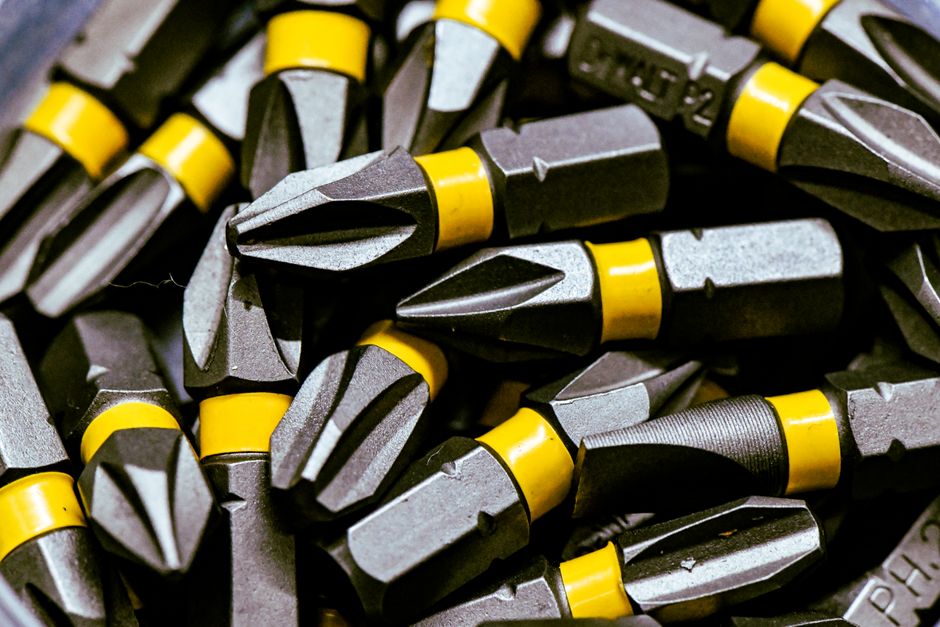
Essential Features to Look For
Selecting the right equipment is vital for maintaining industry standards. When deciding what is the best torque screwdriver for electricians, professionals must prioritize tools that offer repeatable precision and durability in harsh job-site environments. A high-quality tool not only secures connections effectively but also serves as a critical component in ensuring safety and compliance with the National Electrical Code (NEC).
Adjustable vs. Preset Torque Ranges
Electricians often deal with a wide variety of terminal blocks and circuit breakers, each requiring specific torque values.
- Adjustable Drivers: These offer versatility, allowing the user to dial in exact settings based on manufacturer specifications. This is essential for those who frequently switch between different equipment brands.
- Preset Drivers: These are ideal for repetitive tasks where a specific torque setting—such as 10 inch-pounds—is required consistently. They eliminate the risk of human error during adjustment.
For many, the debate over torque screwdriver specifications often leads back to whether the project requires frequent changes in force or standardized tightening. While preset models are simpler to use, adjustable models provide the comprehensive coverage needed for diverse commercial installations. When working with non-torque tools, ensure you have a reliable standard screwdriver set for non-critical tasks.
Ergonomics and Grip Comfort for Daily Use
Because electrical work often involves long hours and repetitive motions, ergonomics cannot be overlooked.
- Handle Design: Look for multi-component handles that provide a high-friction grip, even when hands are greasy or damp.
- Weight Distribution: A balanced tool reduces fatigue on the wrist and forearm.
- Non-Slip Surfaces: A proper grip ensures that the force applied is directed entirely into the fastener, rather than slipping and damaging the screw head.
Research on hand-arm vibration syndrome (HAVS) suggests that using ergonomically designed hand tools significantly reduces the physical strain placed on professional tradespeople over time.
Calibration Accuracy and Certification
Accuracy is the cornerstone of professional electrical work. Without a calibrated tool, the risk of loose connections—which can lead to heat buildup and arcing—increases dramatically.
- Accuracy Standards: Professional-grade drivers typically guarantee accuracy within ±6% to ±10% of the set value.
- Certification: Always look for tools that come with a traceable calibration certificate. This documentation confirms that the tool has been tested against national standards before leaving the factory.
- Ease of Recalibration: Some premium brands allow for easier professional recalibration, ensuring the tool remains reliable throughout its service life.
By choosing a tool with certified accuracy, electricians can be confident that every terminal is tightened to the precise specifications required for safety.
Top Brands Trusted by Professional Electricians
When determining what is the best torque screwdriver for electricians, professionals often look to a select group of manufacturers that have built their reputations on reliability, safety, and mechanical precision. In the demanding field of electrical work, where equipment failure can lead to catastrophic electrical fires or code violations, trusting established brands is paramount. Understanding the nuances of these manufacturers helps technicians identify the best professional hand tools for their daily requirements.
Wera Tools: Precision and Engineering
Wera is widely recognized for its German engineering and “Kraftform” handle design, which fits perfectly into the palm of the hand to reduce fatigue.
- Ergonomics: Their torque drivers feature a distinct multi-component handle that ensures high-speed work without compromising comfort.
- Accuracy: Wera tools are renowned for their high-precision calibration, often meeting the strict requirements set by the National Institute of Standards and Technology (NIST).
- Versatility: They offer systems that allow for easy bit interchangeability, making them highly efficient for complex panel installations.
Wiha Tools: Insulated Safety Standards
Wiha is the gold standard for many electricians who prioritize safety above all else. They are pioneers in developing 1000V rated tools that do not sacrifice torque accuracy for insulation thickness.
- Safety Compliance: Every Wiha insulated torque driver is individually tested to 10,000 volts AC and rated to 1,000 volts AC, meeting OSHA electrical safety standards.
- Preset vs. Adjustable: They provide a massive range of torque-limiting drivers, including “EasyTorque” preset models that eliminate human error in high-volume terminal block work.
- Reliability: These tools are built to withstand the rigors of job site abuse while maintaining factory-calibrated settings.
Klein Tools: Industry Durability
For many American electricians, Klein Tools is synonymous with the trade. They bridge the gap between heavy-duty performance and the precision needed for modern electrical infrastructure.
- Longevity: Klein tools are designed for the harsh environment of a construction site; their torque drivers are known for long service lives even in adverse conditions.
- Integration: Many professionals supplement their kits with durable screwdriver sets to ensure they have the right drive for non-torque-sensitive tasks, relying on their dedicated torque drivers strictly for final connections.
- Availability: With widespread availability in supply houses across the United States, obtaining replacements or specific torque bits is rarely an issue.
By focusing on these top-tier manufacturers, electricians can ensure that their work remains compliant with NEC standards while safeguarding against the risks of under or over-tightening connections.

Comparing Insulated vs. Standard Drivers
When determining what is the best torque screwdriver for electricians, the distinction between insulated and standard tools is critical for safety and site compliance. While standard drivers are sufficient for bench work or de-energized assemblies, professional electricians operating in live environments must prioritize safety-rated equipment. Understanding the specific applications for each allows professionals to make informed investments in their gear, ensuring that they don’t have to rely on a standard screwdriver set when high-voltage safety is the priority.
1000V Rated Protection
Insulated torque screwdrivers are engineered to protect the user from electrical shock. To be legally and safely used on energized circuits, these tools must meet rigorous international standards.
- VDE Certification: High-quality insulated tools are typically certified by the VDE Testing and Certification Institute, ensuring they can withstand up to 1000V AC or 1500V DC.
- Dual-Layer Insulation: These tools feature a distinct, often bright red or yellow-and-red, multi-layer insulation coating. This acts as a visual safety warning; if the outer layer is damaged, the underlying color alerts the user that the tool is compromised and must be replaced.
- Safety Compliance: Using non-rated tools on live panels is a violation of OSHA electrical safety standards. Professional electricians should always carry an insulated torque driver when working in main breakers or distribution panels to maintain compliance with National Electrical Code regulations.
When to Choose Non-Insulated Options
While safety is paramount, non-insulated torque drivers still occupy a valid place in a professional’s tool bag. Choosing the right tool depends entirely on the environment and the risk level of the electrical work being performed.
- Bench and Shop Work: When assembling electrical components in a controlled, de-energized shop environment, a non-insulated torque driver is perfectly acceptable. These are often more cost-effective and provide the same high-precision torque settings required for delicate electronics or industrial control panels.
- Durability in Harsh Environments: Sometimes, the specialized insulation materials used on 1000V drivers can be prone to scuffing or chipping in rough, high-impact industrial settings. A heavy-duty, non-insulated driver may offer superior long-term durability when used exclusively on equipment that is confirmed to be LOTO (Lockout/Tagout).
- Cost-Efficiency: Because insulated tools require expensive testing and specialized materials, non-insulated versions are more affordable. For tasks where safety-rated protection is not a factor, they represent a smarter budget allocation.
Ultimately, the goal is to have the right tool for the job. Whether a professional chooses an insulated or non-insulated model, the priority must always remain on achieving the precise torque values specified by terminal block manufacturers to prevent fires and equipment failure.
Understanding Torque Units and Settings
Mastering the technical specifications of your tools is essential for any professional in the trade. When determining what is the best torque screwdriver for electricians, one must move beyond brand loyalty and focus on the precision of torque measurement. Electrical panels and terminal blocks are sensitive components that require exact pressure to ensure secure connections without compromising the integrity of the conductive metal. Utilizing high-quality gear, such as professional-grade screwdriver alternatives, provides a solid foundation, but understanding the underlying physics of torque units is what separates a novice from a master technician.
Newton-Meters vs. Inch-Pounds Conversion
In the United States, professional electricians frequently encounter a mix of international and domestic standards. Understanding how these units interact is vital for safety compliance.
- Inch-Pounds (in-lb): The most common unit found on electrical hardware labels in the U.S.
- Newton-Meters (Nm): The standard metric unit used by many European tool manufacturers like Wera or Wiha.
- The Conversion Factor: To convert Nm to in-lb, multiply the Nm value by 8.85.
For example, a requirement of 2.0 Nm equals approximately 17.7 in-lb. Electricians should consult official guidelines from the National Institute of Standards and Technology (NIST) to ensure they are applying the correct force during installation. Accuracy here is non-negotiable, as improper torque can lead to loose connections, sparking, or even fire hazards.
Correcting Settings for Terminal Blocks
Terminal blocks are notoriously unforgiving when it comes to torque. Exceeding the manufacturer’s specified range can strip threads, while under-tightening leads to high-resistance connections—a major cause of thermal degradation in electrical systems.
When configuring a torque driver, technicians should follow these best practices:
- Check the Label: Always verify the torque specifications printed directly on the terminal block or provided in the technical data sheet.
- Verify the Range: Ensure the screwdriver’s range covers the specific requirement. A driver set to 10 in-lb will not protect a component requiring 20 in-lb.
- Account for Temperature: Extreme environments can affect hardware. According to Underwriters Laboratories (UL) standards, following specific tightening sequences ensures that lugs and connectors maintain consistent pressure throughout their service life.
By adhering to these conversion and configuration standards, professionals ensure they meet rigorous safety requirements while extending the lifespan of the equipment they install.

Maintenance and Calibration Best Practices
Reliability is the cornerstone of professional electrical work. When determining what is the best torque screwdriver for electricians, one must consider that even the most premium tool is only as accurate as its last calibration. Proper maintenance ensures that every terminal screw is tightened to the precise specifications required by the National Electrical Code (NEC), preventing dangerous heat buildup or loose connections. While a high-quality manual driver set is essential for general fastening, torque-specific tools require a more rigorous maintenance protocol to stay within their operational tolerances.
Annual Calibration Schedules
Precision instruments drift over time due to mechanical wear and spring fatigue. To maintain compliance and safety, professionals should adhere to strict maintenance intervals:
- Standard Usage: Most manufacturers recommend a professional calibration check at least once every 12 months, or every 5,000 cycles, whichever comes first.
- Heavy-Duty Environments: For electricians working in high-vibration industrial settings or extreme temperatures, quarterly checks are advised to ensure the tool remains within its calibration accuracy standards.
- Documentation: Always retain a Certificate of Calibration. This document is often required during safety audits or when documenting compliance with OSHA electrical safety standards.
Proper Storage to Maintain Precision
The internal mechanism of a torque screwdriver is a delicate assembly of springs and cams. Protecting this mechanism from the harsh environment of a typical job site is critical.
- Always Reset to Zero: Never store a torque screwdriver at its maximum or minimum setting. Always wind the tool back to its lowest setting to relieve tension on the internal spring, which prevents “set” or permanent deformation.
- Climate Control: Moisture and debris are the enemies of precision. Electricians should store their drivers in a moisture-resistant case to prevent rust from compromising the internal components.
- Avoid Impact: Even if a tool is built for durability, dropping it on concrete can knock the calibration out of alignment. If a tool suffers a significant drop, it must be sent for immediate recalibration before being used on critical circuit breakers or terminal blocks.
By following these maintenance practices, professionals ensure their equipment remains as reliable as the day it was purchased, reinforcing their decision regarding what is the best torque screwdriver for electricians.
Evaluating Price vs. Longevity in Electrical Tools
When determining what is the best torque screwdriver for electricians, the debate between upfront cost and long-term value is a critical consideration. Professionals often find that while budget-friendly alternatives might suffice for light DIY tasks, high-stakes electrical installations demand tools that maintain precision over thousands of cycles. Understanding the balance between an initial investment and the lifespan of the tool is essential for maintaining both workplace safety and budgetary efficiency. If you are also looking for general-purpose manual drivers, you might compare these options against a reliable multi-piece screwdriver set to see where specialized torque equipment fits into your daily kit.
Investing in Quality for Safety
Safety is non-negotiable in electrical work. Tools that fail to provide accurate torque settings can lead to loose connections, which increase the risk of overheating and electrical fires.
- Material Integrity: High-quality torque drivers utilize hardened steel components and internal mechanisms that resist wear and tear.
- Compliance Adherence: Reputable manufacturers adhere to standards set by the National Electrical Code (NEC), ensuring the tool performs consistently under rigorous job site conditions.
- Precision over Time: Cheap tools often lose their calibration after limited use. Investing in a premium driver ensures the device stays within the specified torque accuracy standards for a much longer operational lifespan.
- Reliable Performance: Proper torque application reduces the risk of arc faults, a core safety focus for organizations like the Occupational Safety and Health Administration (OSHA).
Warranty Support and Repairability
A professional-grade torque screwdriver is a significant asset. When evaluating what is the best torque screwdriver for electricians, the availability of after-sales support often differentiates a “disposable” tool from a “lifetime” investment.
- Extended Warranties: Premium brands typically offer multi-year warranties that cover mechanical defects, providing peace of mind for the professional user.
- Repair Services: Top-tier manufacturers often provide calibration services or repair programs. This allows a technician to send in their tool to be re-certified, extending the tool’s life well beyond that of a standard, non-adjustable unit.
- Part Availability: High-end drivers are designed with modular components. If a bit holder or an adjustment mechanism wears out, it can be replaced without needing to purchase an entirely new assembly.
- Cost-Benefit Ratio: While the initial cost of a calibrated, professional tool may be higher, the cost per use drops significantly when the tool remains functional and accurate for five to ten years of heavy industrial use.

Common Mistakes When Using Torque Drivers
Even when an electrician identifies what is the best torque screwdriver for electricians, their efforts can be undermined by improper usage. Precise calibration is useless if the tool is handled incorrectly or if the user fails to account for specific site conditions. Maintaining accuracy is essential for ensuring that electrical connections remain secure over time, reducing the risk of arc faults or overheating as outlined by the National Electrical Code (NEC).
Failing to Reach the Click Point
The most frequent error is stopping the rotation as soon as the fastener feels “snug” rather than waiting for the tool to signal it has reached the target setting.
- The “Click” Mechanism: Most high-quality drivers rely on a mechanical “click” or impulse to signal the set torque has been achieved.
- User Error: Many professionals stop early, failing to apply the final bit of pressure required to trigger the calibrated release.
- Resulting Hazards: Under-tightened terminals lead to high-resistance connections, which can cause significant thermal damage or fires.
Always ensure the tool is held straight and force is applied steadily until the mechanism clearly activates. If a technician is struggling with standard tools, they may consider upgrading to a professional-grade screwdriver set for general tasks, but they must rely exclusively on a calibrated torque driver for critical termination points.
Ignoring Manufacturer Terminal Labels
Every piece of electrical equipment, from circuit breakers to terminal blocks, carries specific torque requirements provided by the manufacturer. These values are not suggestions; they are engineering mandates.
- Check the Data Plate: Always verify the specific Newton-meter (Nm) or inch-pound (in-lb) rating listed on the device or in the installation manual.
- Avoid Assumptions: Using a “rule of thumb” or “gut feel” is a recipe for stripping threads or damaging delicate lug assemblies.
- Reference Standards: For further technical guidance on equipment safety and installation, consult the Occupational Safety and Health Administration (OSHA) guidelines regarding proper tool usage in hazardous environments.
When a professional fails to respect these labels, they risk voiding the equipment warranty and, more importantly, compromising the structural integrity of the installation. Consistent failure to adhere to these ratings is the primary cause of equipment failure in commercial electrical systems. By verifying that they understand what is the best torque screwdriver for electricians and using it to hit these exact, manufacturer-specified targets, technicians ensure both safety and long-term reliability.
Frequently Asked Questions
When professionals research what is the best torque screwdriver for electricians, they often have specific concerns regarding safety standards and tool longevity. Mastering torque application is essential for maintaining high-quality electrical installations, and these common questions address the most critical aspects of tool selection and maintenance in the field.
Do I need a torque screwdriver for every electrical connection?
While it may seem tedious, the National Electrical Code (NEC) strongly emphasizes the importance of following manufacturer-specified torque requirements.
- Safety Criticality: Connections in panelboards, disconnects, and circuit breakers require precise torque to prevent loose connections, which can lead to arcing or overheating.
- Compliance: Inspectors often look for evidence that proper torque was applied during installation.
- Liability: Using a torque driver protects the contractor from liability issues that arise from equipment failure due to improper tightening.
While one might be tempted to reach for a standard screwdriver set for simple tasks, dedicated torque tools are non-negotiable for critical electrical terminations.
How often should my torque screwdriver be recalibrated?
To ensure accuracy, most manufacturers recommend professional calibration at least once a year, or after approximately 5,000 cycles.
- Heavy Usage: If the tool is used daily in commercial environments, quarterly checks are recommended.
- Dropping the Tool: If a torque screwdriver is dropped, it should be removed from service immediately and checked for accuracy.
- Traceability: Professional electricians should keep calibration certificates on file to meet OSHA safety standards for workplace equipment compliance.
Can a standard screwdriver be used for torque settings?
The short answer is no. A standard screwdriver provides no feedback regarding the force applied to the fastener.
- Lack of Precision: Humans are notoriously bad at estimating torque by “feel,” which frequently leads to either under-tightening (causing heat buildup) or over-tightening (stripping threads or cracking terminal blocks).
- Technical Data: Most modern electrical components specify a torque value in inch-pounds or Newton-meters. This information is usually found in the UL product certification documents for the specific device being installed.
- Risk: Relying on instinct rather than a calibrated tool increases the risk of mechanical fatigue in the connection, potentially leading to catastrophic failure under load.
For those wondering what is the best torque screwdriver for electricians, it is important to remember that these tools are designed specifically to eliminate the guesswork that comes with manual, non-calibrated drivers.
The Future of Smart Torque Technology
As the electrical industry evolves, the integration of digital intelligence into handheld tools is transforming job site precision. Electricians are moving beyond mechanical clicks toward a smarter, data-driven approach to terminal connectivity. When evaluating what is the best torque screwdriver for electricians, professionals are increasingly looking at how emerging technology can mitigate human error and provide verifiable proof of work, moving closer to the standards set by organizations like the National Fire Protection Association (NFPA).
Digital Readouts and Data Logging
The next generation of torque tools is moving away from purely analog scales, favoring high-precision digital interfaces. These advancements allow users to see exactly how much force is applied to a connection in real-time.
- Real-Time Accuracy: Digital sensors eliminate the guesswork inherent in relying solely on a tactile “click,” ensuring connections meet UL (Underwriters Laboratories) specifications.
- Traceability: Advanced models now feature Bluetooth or USB connectivity, allowing electricians to log every torque event directly to a tablet or smartphone.
- Proof of Compliance: For large-scale commercial projects, having a digital audit trail of torque settings acts as a safeguard against liability if a connection fails.
While these high-tech units offer superior accuracy, those who prefer traditional, reliable manual tools may still opt for a standard screwdriver set for general-purpose tasks where precision measurement is not legally mandated.
Integration with Professional Testing Equipment
Smart torque drivers are becoming essential components of a broader, interconnected electrical ecosystem. By syncing with professional testing equipment, these tools provide a holistic view of system integrity.
- Seamless Syncing: Future-ready drivers can communicate with calibrated multimeters and thermal imaging cameras to correlate connection tightness with electrical performance.
- Automated Safety Alerts: If a torque driver senses that a specific terminal is consistently requiring too much or too little force, the software can trigger a maintenance alert for that specific piece of switchgear.
- Efficiency Gains: By integrating with digital work orders, these tools automatically update the technician’s completion status, ensuring that professional accountability is maintained throughout the entire installation process.
As these tools continue to develop, the distinction of what is the best torque screwdriver for electricians will depend heavily on a technician’s ability to leverage these digital features to reduce rework and increase overall safety margins.
Conclusion: Choosing what is the best torque screwdriver for electricians
Determining what is the best torque screwdriver for electricians ultimately comes down to balancing strict adherence to safety standards with the practical demands of a rugged job site. Because electrical failures often stem from improper termination, selecting a tool that ensures consistent torque calibration is no longer a luxury, but a fundamental requirement for every professional contractor.
Final Selection Criteria
When finalizing a purchase, electricians should weigh the following factors to ensure they choose the right tool for their workflow:
- Certification Requirements: Always verify that the tool meets the NEC torque requirements as outlined by the National Fire Protection Association (NEC).
- Safety Standards: For high-voltage environments, an insulated tool is mandatory. Ensure the device carries the 1000V rating compliant with ASTM International standards.
- Precision and Maintenance: A reliable tool must offer repeatable accuracy. If a tool cannot be recalibrated annually, it loses its professional utility over time.
- Versatility: While specialized tools are necessary, professionals often look for high-quality driver sets to complement their torque-specific equipment for non-critical tasks.
The Verdict on Brand Reliability
While there is no single answer to what is the best torque screwdriver for electricians, the consensus among industry veterans points toward three primary leaders:
- Wera Tools: Favored for precision-engineered ergonomics that reduce hand fatigue during long installations.
- Wiha Tools: The gold standard for integrated insulated safety in sensitive environments.
- Klein Tools: Remains the go-to for durability, standing up to the harsh conditions frequently found on industrial job sites.
Strategic Recommendations
To ensure long-term success and compliance, electricians should treat their torque driver as a precision instrument rather than a standard impact driver.
- Avoid “Click-Guessing”: Always complete the rotation until the mechanical break occurs to ensure the terminal is secured to the exact specification.
- Check Manufacturer Labels: Always match the tool’s setting to the specific torque values printed on terminal blocks or circuit breakers.
- Log Your Tools: Maintain a record of purchase dates and calibration intervals to satisfy potential safety audits or insurance requirements.
By prioritizing these professional-grade features, electricians can prevent component damage, reduce liability, and ensure every connection is performed to code. Investing in the right tool today is an investment in the longevity and safety of every electrical project.
