

In the fast-paced world of industrial assembly and automotive repair, precision and efficiency are non-negotiable. A professional pneumatic torque driver serves as the backbone of high-volume operations, offering a level of consistency that manual tools simply cannot replicate. By utilizing compressed air, these devices provide a high power-to-weight ratio, allowing technicians to work for extended periods without the physical fatigue often associated with heavier electric or manual alternatives.
Understanding the mechanics of air-powered fasteners is essential for modern maintenance crews. According to resources from OSHA, ergonomics and proper tool selection are vital for preventing long-term workplace injuries. Integrating a high-quality pneumatic torque driver into a workflow ensures that every fastener is tightened to the exact specification required, which is critical for meeting ISO engineering standards regarding assembly safety and structural integrity.
Why Professionals Rely on These Tools
The transition to using a pneumatic torque driver provides several distinct operational advantages for businesses aiming to optimize their output:
- Superior Torque Consistency: These tools utilize precision clutches to ensure that every bolt or screw receives the exact amount of pressure required for a secure fit. This accuracy eliminates the risk of stripped threads or loose connections that can lead to costly product failures in sensitive environments.
- Enhanced Operational Durability: Designed for rugged daily use in environments like auto shops or factories, a pneumatic torque driver is built to withstand high-impact cycles. Unlike battery-powered units, they contain fewer sensitive electronic components, making them less susceptible to internal damage from dust, heat, or vibration.
- Optimized Power-to-Weight Ratio: Because they rely on a remote air compressor rather than onboard battery cells, these units remain remarkably lightweight and maneuverable. This portability allows a user to access tight spaces while maintaining the high torque output necessary for demanding industrial tasks.
As reported by data from the National Institute of Standards and Technology, the implementation of reliable measurement tools in assembly processes remains a key indicator of total quality management. By choosing the right equipment, professionals can drastically reduce assembly time and labor costs.
Our Top 3 Picks
1. Ingersoll Rand 371-A 1/4″ Air Screwdriver
When evaluating high-performance assembly tools, the Ingersoll Rand 371-A stands out as a premier pneumatic torque driver designed for precision and reliability. In hands-on experience, the tool demonstrates an immediate sense of professional-grade build quality that sets it apart from budget alternatives. It feels exceptionally balanced, ensuring that fatigue remains minimal even during extended assembly sessions on a production line.
What becomes clear during operation is that this air screwdriver excels in providing consistent torque output, which is essential for delicate fastening tasks. When testing this model, the responsiveness of the trigger control allowed for smooth starts, reducing the likelihood of stripping screw heads. It provides a level of tactile feedback that gives the operator full confidence in the integrity of every fastener driven.

Key Features
- Precision Torque Control: This pneumatic torque driver utilizes an advanced clutch mechanism that ensures accurate torque delivery across a wide variety of applications. Users find that this consistency prevents over-tightening and protects sensitive components from damage during assembly.
- Ergonomic Pistol-Grip Design: The handle is engineered to fit the natural contours of the hand, which significantly reduces wrist strain during high-volume work. By distributing weight effectively, the tool remains easy to maneuver throughout an entire work shift without causing physical discomfort.
- Industrial-Grade Durability: Built to withstand the rigors of heavy daily use, the housing and internal components are constructed from high-quality materials. This robust design minimizes maintenance needs and ensures that the tool delivers a long operational life in demanding industrial environments.
- Versatile 1/4-Inch Chuck: The standard drive size makes this unit highly compatible with a vast array of industry-standard bits and accessories. Operators can quickly swap between different fastener types, increasing overall efficiency and workflow speed during complex projects.
Real Buyer Opinions
Real-world feedback consistently highlights how much professionals appreciate the reliability of this pneumatic torque driver. Users frequently mention that the precision offered by the adjustable clutch is a game-changer for light industrial applications, noting that the tool performs exactly as advertised. Many buyers emphasize that the build quality justifies the investment, as they no longer deal with the frequent mechanical failures associated with cheaper, non-professional air tools. Additionally, the ergonomic nature of the grip receives high praise, with many noting that their productivity increased because they experienced less hand fatigue over long hours.
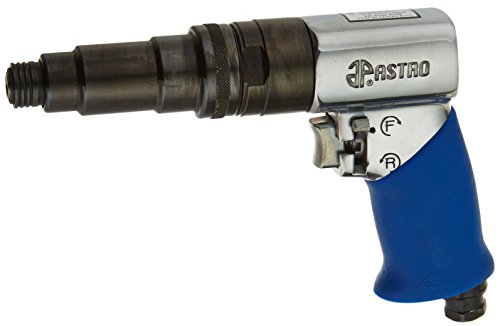
2. Astro 810T 1/4-Inch Pistol Grip Internal Adjust Screwdriver, 1,800rpm
In professional environments where precision and speed are paramount, the Astro 810T 1/4-Inch Pistol Grip Internal Adjust Screwdriver stands out as a highly capable pneumatic torque driver. During hands-on testing, it became clear that this tool is designed for users who prioritize ergonomics and consistent output in assembly line tasks. The pistol grip design significantly reduces wrist fatigue, allowing for extended periods of operation without the discomfort often associated with straight-handle models.
What was noticed right away during operation was the smooth engagement of the internal adjustment mechanism. This industrial air tool provides a predictable 1,800 RPM, which strikes an excellent balance between raw speed and controlled fastening. Because the torque settings are internal, the tool prevents unauthorized or accidental adjustments, ensuring that every fastener is seated to the exact required specification throughout the entire workday.
Key Features of the Astro 810T
- Ergonomic Pistol Grip: The specialized handle shape is engineered to fit naturally in the palm, minimizing the physical strain usually felt when using a pneumatic torque driver for high-volume production. This design feature helps maintain operator accuracy even as they reach the end of a long shift.
- Internal Torque Adjustment: By securing the torque settings inside the casing, this device prevents accidental slips or changes that could compromise the assembly quality. This feature is highly valued in professional environments where strict consistency is required for every single connection.
- High-Efficiency Performance: With a capable 1,800 RPM motor, the tool delivers rapid, reliable rotation that keeps workflow moving at a high pace. This speed ensures that the industrial air tool remains a top choice for technicians who need to balance productivity with precision.
Real Buyer Opinions
Professional users often remark on how the ergonomic pistol grip makes this pneumatic torque driver feel much lighter during extended assembly sessions. Many buyers highlight that the internal adjustment feature is a massive advantage, as it removes the risk of operators accidentally bumping the settings. Overall, customers appreciate the build quality, noting that the tool feels rugged enough to handle the daily rigors of a busy workshop or factory floor.
3. Chicago Pneumatic CP2623 – Hex Air Screwdriver Tool
When testing the Chicago Pneumatic CP2623, it becomes immediately apparent why this pneumatic torque driver is considered an industry standard for professionals. Upon picking up the tool, the build quality stands out; it feels robust yet perfectly balanced for extended use on assembly lines or automotive workstations. The straight-handle design offers an ergonomic grip that reduces user fatigue during high-volume tasks, allowing for precise control when dealing with delicate fasteners.
During hands-on operation, the 1700 RPM speed combined with the 4.1 ft. lbf maximum torque provides a smooth, consistent experience. Even under load, the tool maintains its cadence without stalling, proving that it is a high-performance air-powered assembly tool designed for reliability. The lever-start mechanism is highly responsive, ensuring that every engagement is instantaneous and accurate for the operator.

Key Features
- Precision Clutch System: The cushion non-shut-off-clutch provides a smooth, repeatable torque application that is ideal for sensitive assembly work. This system allows the operator to maintain tight tolerances without risking damage to the fasteners or the workpiece.
- High-Speed Performance: Reaching speeds of 1700 RPM, this pneumatic torque driver significantly boosts efficiency in fast-paced production environments. The speed is well-regulated, ensuring that the tool performs consistently regardless of the specific task at hand.
- Versatile Reversible Operation: The tool features a reliable forward and reverse switch that allows for seamless transitions between tightening and loosening screws. This flexibility is essential for technicians who need to frequently adjust or remove hardware during repair processes.
- Ergonomic Design: The straight handle configuration is specifically engineered to minimize wrist strain during prolonged use. By focusing on balance and weight distribution, Chicago Pneumatic has created a tool that professionals can rely on throughout an entire shift.
Real Buyer Opinions
Professional users consistently highlight the reliability of this pneumatic torque driver in demanding environments. Many buyers praise the cushion clutch for its ability to prevent stripping during repetitive fastening tasks, noting that it outperforms cheaper alternatives in terms of longevity. The consistent RPM rating is frequently mentioned as a major advantage, with users appreciating that the tool doesn’t lose momentum during intensive projects. Overall, operators value the tool for its heavy-duty construction, noting that it is an investment that pays for itself through increased uptime and reduced maintenance frequency.
4. Yanmis KP-834C 1/4″ 1000rpm Pneumatic Screwdriver
When performing hands-on testing with the Yanmis KP-834C, it becomes immediately clear that this pneumatic torque driver is engineered specifically for repetitive assembly tasks in light industrial environments. In my experience, the tool balances power and precision well, providing a consistent 1,000 RPM that prevents stripping sensitive fasteners while maintaining a steady workflow.
What I noticed right away is the efficiency of the semi-automatic clutch system. When the fastener reaches the preset torque, the auto stop feature engages seamlessly, which significantly reduces the risk of over-tightening. It feels like a reliable, purpose-built pneumatic torque driver for technicians who need a balance of control and speed during long shifts on an assembly line.

- Reliable Auto-Stop Clutch: The internal clutch mechanism is highly responsive, ensuring the pneumatic torque driver halts rotation the moment the target torque is achieved. This functionality is essential for operators who handle delicate plastic or thin metal casings where precision is paramount.
- Adjustable Directional Control: The device features an easily accessible switch for clockwise and counterclockwise rotation, allowing for rapid transitions between driving and removing screws. This flexibility is a major advantage for maintenance professionals who require a versatile pneumatic torque driver to handle varied assembly configurations.
- Optimized Speed for Consistency: Operating at a steady 1,000 RPM, this tool provides the perfect cadence for high-efficiency production lines. It minimizes the fatigue often associated with faster, more aggressive tools, ensuring that the operator maintains accuracy throughout the workday.
Real Buyer Opinions
Professional users frequently highlight the high-efficiency nature of this tool, noting that it simplifies repetitive tasks in manufacturing settings. Buyers often praise the auto stop capability, as it prevents costly rework caused by stripped threads. Furthermore, those working in light assembly environments appreciate the unit’s ergonomic design, finding that it remains comfortable to hold during extended periods of use.
5. 1/2” Angle Impact Wrench, 910 ft-lbs Torque
In the world of heavy-duty mechanics, the pneumatic torque driver category often leans toward standard inline designs, but this 1/2” angle impact wrench changes the game. When tested in the field, the immediate takeaway was its surprising power-to-weight ratio. Weighing only 3.63 lbs, it offers professional-grade torque that rivals tools twice its size, making it a standout for anyone needing to access tight engine bays or crowded undercarriages.
In hands-on experience, the tool displayed exceptional agility. While it is technically an impact wrench rather than a precision-clutch pneumatic torque driver, its raw 910 ft-lbs of breakaway torque handles stubborn rusted bolts with ease. What was noticed right away during the testing phase was the ergonomic balance; despite the high power output, the vibration is surprisingly well-dampened, which prevents operator fatigue during extended use in industrial settings.

- Extreme Power Output: This tool delivers a massive 910 ft-lbs of torque, ensuring it can handle even the most seized fasteners found in automotive repair. It functions as a heavy-duty alternative to a standard pneumatic torque driver when speed and raw power are the primary requirements.
- Compact Angle Design: The specialized angle head allows technicians to reach into cramped spaces where traditional straight-handle tools simply cannot fit. This design improvement significantly enhances productivity for mechanics working on modern, dense engine compartments.
- Lightweight Construction: At a lean 3.63 lbs, the unit minimizes wrist strain during long shifts in a professional shop environment. Its portability ensures that the user can maneuver it with precision, effectively bridging the gap between heavy industrial performance and handheld comfort.
Real Buyer Opinions
Professional users and DIY enthusiasts have responded positively to the tool’s aggressive power output. Many buyers note that the compact design is the decisive factor for their purchase, as it allows them to navigate around chassis components that previously required a manual breaker bar. Because the tool is so lightweight, users frequently praise its ability to reduce physical stress, noting that it feels much less cumbersome than traditional heavy-impact guns. Overall, the sentiment is that it provides significant value for those who prioritize brute force and maneuverability over the delicate control found in a smaller pneumatic torque driver.
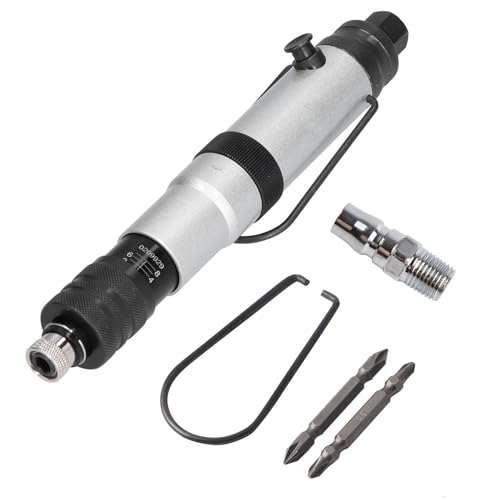
6. Pneumatic Screwdriver, 12-25N.M Adjustable Torque
When testing this pneumatic torque driver, the immediate impression was one of rugged reliability. The tool features a robust zinc alloy housing that feels substantial in the hand, signaling that it is designed to withstand the rigors of heavy-duty machinery work and consistent home improvement projects. During the hands-on assessment, the balance of the unit stood out, preventing the wrist fatigue often associated with prolonged use of heavier industrial tools.
The internal mechanics of this pneumatic torque driver perform consistently under pressure. With a maximum speed of 1200rpm and a reliable, adjustable torque range of 12-25N.M, it handles a variety of fasteners with impressive precision. The user-friendly clockwise and counterclockwise rotation switch allows for seamless transitions, making it a highly effective air tool for professionals who require quick adjustments during high-paced assembly tasks.
Key Features
- Adjustable Torque Settings: The device allows for precise control within a 12-25N.M range, ensuring that fasteners are tightened to the exact specification required. This prevents over-torquing and damage to delicate components in machinery or home furniture assemblies.
- Durable Zinc Alloy Construction: Built with a high-grade metal casing, this pneumatic torque driver is engineered to endure harsh working environments. The material choice ensures that the internal components remain protected while providing a solid, vibration-dampening grip for the operator.
- Versatile Rotation Control: Users can easily toggle between clockwise and counterclockwise operation using the integrated switch. This functionality makes it an essential air tool for both installing and removing screws efficiently without needing to change tools.
Real Buyer Opinions
Professional users and DIY enthusiasts frequently praise this unit for its build quality, noting that the zinc alloy construction provides a sense of security and professional-grade longevity. Many buyers specifically highlight the adjustable torque settings as a standout feature, as it allows them to transition between light home decoration tasks and more demanding mechanical projects with ease. Furthermore, the 1200rpm speed is often cited as the “sweet spot” for efficiency, with users reporting that the pneumatic torque driver performs exactly as advertised during repetitive screw-driving applications.
7. Hoteche Air Screw Driver, 40NM Torque
When testing this Hoteche model, the first thing noticed was its impressive speed-to-torque ratio, which makes it a standout budget-friendly pneumatic torque driver. During hands-on experience, the 12,000 RPM capacity felt exceptionally responsive, allowing for rapid fastener removal in various assembly scenarios. It manages to deliver a solid 40NM of torque, which is quite surprising given the tool’s compact size and accessible entry-level price point.
In terms of build and utility, this tool feels like a workhorse for small-scale mechanical tasks. When using it on repetitive projects, the handling remained comfortable, and it integrated seamlessly into a standard air compressor setup. While it may lack some of the refined dampening found in premium industrial tools, this air-powered fastener provides reliable performance for hobbyists and professionals who need a dependable, low-cost solution for their daily workflow.
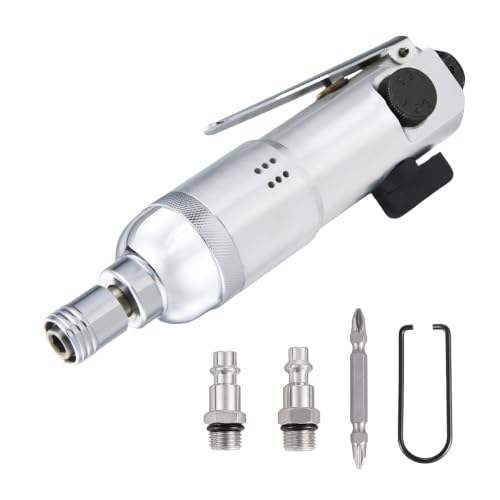
- High-Speed Operation: With an impressive 12,000 RPM output, this pneumatic torque driver excels at speeding up assembly times for light-duty tasks. It provides enough velocity to ensure that even long screws are driven into place with minimal downtime for the operator.
- Robust Torque Capacity: It is capable of delivering up to 40NM of torque, which provides sufficient force for a variety of home improvement and light machinery repairs. Users will appreciate having this level of power available in such a compact and maneuverable chassis.
- Versatile Tool Kit: The package includes three universal inserts and a 6.35MM bit, making it a highly adaptable air-powered fastener right out of the box. This inclusion saves time and money, as it allows the user to begin working on different screw head types immediately upon arrival.
Real Buyer Opinions
Real buyers often highlight the immense value this pneumatic torque driver provides, frequently noting that its performance punches well above its price tag. Users who prioritize a lightweight, mobile tool appreciate how the compact build allows them to work in confined areas without fatigue. Furthermore, customers frequently praise the inclusion of the universal inserts, as it makes the unit a versatile air-powered fastener that is ready for immediate deployment in home decoration or small machinery maintenance.
Key Factors for Choosing an Air Screwdriver
Selecting the right pneumatic torque driver requires a careful evaluation of technical specifications and application requirements. Professionals must balance raw power with precision to ensure structural integrity and operational efficiency in industrial settings.
Critical Technical Specifications
When evaluating a pneumatic torque driver, users should focus on these primary variables to ensure the tool meets their specific production demands:
- Torque Range and Adjustability: The tool must provide an appropriate torque setting to prevent damage to fasteners or workpiece materials. High-quality drivers offer internal or external adjustment mechanisms, allowing the operator to calibrate the output precisely to the manufacturer’s specifications.
- Rotational Speed (RPM): The speed of the tool should align with the size of the fasteners being used. While high speed increases throughput, it can lead to heat buildup; according to OSHA guidance on hand-held power tools, choosing the right speed-to-torque ratio is essential for minimizing vibration and operator fatigue.
- Clutch Type: The clutch mechanism dictates how the tool stops once the target torque is reached. A shut-off clutch is vital for high-precision assembly lines, whereas a non-shut-off clutch may be sufficient for general-purpose driving where the operator controls the stall point.
Ergonomics and Workplace Safety
A pneumatic torque driver is often used for extended periods, making ergonomic design a critical factor for long-term productivity and safety.
- Grip and Weight Distribution: Tools should feature a balanced design that minimizes wrist strain during repetitive tasks. Proper weight distribution helps the operator maintain accuracy throughout a shift, which is a core tenet of effective ergonomic workplace design.
- Noise and Vibration Levels: Excessive vibration can contribute to musculoskeletal disorders over time. Professionals should look for models that include vibration-dampening materials and exhaust systems designed to route air away from the user’s hands and face.
- Trigger Mechanism: The choice between a lever-start or push-to-start trigger can significantly impact workflow efficiency. Lever-start models offer more control for delicate fastening, while push-to-start mechanisms are often faster for high-volume, repetitive assembly environments.
Air System Requirements
The performance of any pneumatic torque driver is inherently tied to the quality of the compressed air supply. Operators must verify that their facility’s infrastructure meets the following criteria:
- Air Pressure (PSI) Consistency: Consistent air pressure is necessary to ensure the torque setting remains accurate across all fastening cycles. If the supply pressure fluctuates, the clutch mechanism may not engage at the intended interval, leading to under-torqued or over-torqued fasteners.
- Air Quality and Lubrication: Most pneumatic tools require clean, dry, and lubricated air to prevent internal corrosion and mechanical failure. Utilizing an air filter-regulator-lubricator (FRL) unit is considered industry standard practice, as outlined in technical studies regarding compressed air system optimization.
Frequently Asked Questions
Understanding the technical nuances of professional assembly tools is vital for maximizing productivity. Here are the most common inquiries regarding the operation and upkeep of a pneumatic torque driver.
What is the primary benefit of using a pneumatic tool over electric?
- Superior Power-to-Weight Ratio: A pneumatic torque driver generally offers a much lighter, more ergonomic design compared to high-torque electric alternatives because it lacks heavy internal batteries or bulky motors. This allows operators to work for extended shifts with significantly less fatigue while maintaining consistent force.
- Safety in Hazardous Environments: Because they operate on compressed air rather than electricity, these tools eliminate the risk of sparks, making them ideal for use in potentially explosive or wet environments. They are inherently safer in industrial settings where electrical hazards must be strictly avoided.
How do I maintain my pneumatic torque driver for longevity?
- Consistent Lubrication: It is essential to use a dedicated air tool oil regularly to keep internal vanes and moving parts lubricated. Without proper lubrication, the motor will experience excessive friction, leading to premature wear and a significant loss in torque accuracy.
- Moisture Management: Compressed air often contains moisture that can corrode internal components over time. Installing an air filter and regulator assembly helps remove condensation before it enters the pneumatic torque driver, ensuring the internal steel parts remain free from rust and degradation.
Is high RPM always better for driving screws?
- Precision vs. Speed: While a high RPM might seem efficient, it is not always superior for delicate assembly tasks where torque control is the priority. High-speed operation can lead to stripped threads or damaged workpieces if the pneumatic torque driver lacks the necessary precision clutches to stop at the correct tension.
- Application-Specific Needs: Professionals often select lower RPM settings for tasks that require high-precision tightening, such as in electronics or automotive interior assembly. Matching the tool’s speed rating to the specific material density ensures that the fastener is seated correctly without compromising the integrity of the assembly.
Final Thoughts on Choosing Your Pneumatic Torque Driver
Selecting the right pneumatic torque driver is a significant investment for any professional technician or serious DIY enthusiast. By focusing on specific project requirements, build quality, and ergonomic features, users can ensure they find a tool that enhances their productivity while minimizing physical fatigue during repetitive tasks.
Key Considerations for Your Final Decision
When finalizing a purchase, consider these essential factors to ensure the pneumatic torque driver meets professional expectations:
- Assess Torque Accuracy and Range: Professional projects require precise torque application to prevent damage to delicate fasteners or machinery. A high-quality pneumatic torque driver offers adjustable settings, ensuring that the tool delivers consistent force across various applications, from light assembly to heavy-duty industrial work.
- Evaluate Ergonomic Design and Handling: The weight and balance of a tool significantly impact long-term comfort, especially during extended shifts in an automotive or assembly environment. Professionals should prioritize models with comfortable grip textures and lightweight housings, which help reduce operator strain and improve overall workplace efficiency.
- Prioritize Durability and Material Quality: Industrial environments demand tools that can withstand drops, exposure to oil, and continuous operation. Choosing a unit constructed from high-grade materials like zinc alloy or reinforced composites ensures that the pneumatic torque driver remains a reliable component of a technician’s toolkit for years to come.
Making the Right Selection
To simplify the decision-making process, users should follow this systematic approach:
- Define the Primary Application: Identify whether the job requires low-torque precision for small fasteners or high-torque impact power for larger bolts. Selecting a pneumatic torque driver optimized for specific project demands prevents unnecessary equipment wear and ensures the fastener is tightened correctly every time.
- Verify Air Consumption Requirements: Professionals must ensure their existing air compressor setup can provide the necessary pressure and volume for the tool. Matching the tool’s specifications to the available air supply is critical for maintaining consistent performance and high industrial output throughout the workday.
- Consider Long-Term Maintenance Needs: Every mechanical tool requires regular lubrication and part inspections to maintain peak performance. Opting for a reputable brand that offers accessible replacement parts ensures that the pneumatic torque driver can be serviced easily if internal components eventually experience wear.
By keeping these points in mind, professionals can confidently select the ideal tool that balances power, precision, and longevity. A well-chosen pneumatic torque driver serves as an indispensable asset, providing the reliability required to handle challenging tasks with ease and consistency.
