

In the intricate world of watchmaking, the difference between a master-grade restoration and a damaged movement often comes down to the tools resting on the bench. For professionals and serious hobbyists alike, the best quality precision screwdriver set horology offers is not merely a convenience; it is a fundamental requirement for maintaining the structural integrity of delicate mechanical calibers. Precision engineering demands instruments that provide absolute stability, as even the slightest slip can result in permanent damage to balance cocks, bridges, or screw heads.
Why Quality Tools Matter for Mechanical Integrity
When working with vintage or high-end luxury timepieces, a technician must rely on tools that minimize human error. High-end horological screwdrivers provide specific advantages:
- Dimensional Accuracy: Superior tools are machined to incredibly tight tolerances, ensuring a perfect fit within the screw slot to prevent “cam-out.”
- Material Hardness: Professional blades are crafted from hardened steel, reducing the frequency of deformation during high-torque applications, unlike lower-tier pneumatic torque driver tools designed for industrial assembly.
- Weight Distribution: A balanced handle reduces wrist fatigue, allowing for the steady hand required during long sessions of fine adjustments.
The Science of Mechanical Precision
Understanding the physics of torque and friction is a core tenet of horology, as highlighted in studies regarding mechanical component reliability. When selecting instruments, practitioners must prioritize antimagnetic materials to prevent the unintended magnetization of hairsprings and other sensitive components—a frequent issue when using subpar, generic equipment. Furthermore, for those interested in the formal standards of precision manufacturing, the National Institute of Standards and Technology (NIST) provides extensive resources on the importance of calibrated measurement tools, which serve as the foundation for all high-level horological work.
Summary of Benefits
- Reduced Risk: Minimizes the chance of marring polished surfaces or stripping tiny, irreplaceable screws.
- Long-Term Investment: While the best quality precision screwdriver set horology professionals use may require a higher initial cost, these tools offer superior longevity and repeatable performance.
- Enhanced Control: Ergonomically designed handles improve the technician’s tactile feedback, which is vital when navigating the microscopic landscape of a watch movement.
By integrating these specialized instruments, a watchmaker ensures that every turn is deliberate, safe, and precise. Protecting the movement starts with the right interface between the tool and the screw, making the choice of a high-quality set a non-negotiable step in the professional repair process.
Key Takeaways
For professionals and enthusiasts alike, selecting the best quality precision screwdriver set horology demands necessitates an understanding of material composition, ergonomic design, and long-term durability. Precision is not merely a preference; it is an absolute requirement when working with microscopic watch movements where a single slip can compromise the integrity of a timepiece.
- Material Integrity: High-performance tools utilize hardened steel blades that resist deformation under torque. For those interested in the physics of mechanical assemblies, research into metallurgy and tool stress provides valuable insight into why specific alloys maintain their edge geometry longer than generic alternatives.
- Ergonomics and Precision: A superior set features free-spinning, ball-bearing swivel heads. This design prevents hand fatigue and allows for the consistent application of vertical force, which is essential to avoid cam-out, a common issue where the blade slips out of the screw slot.
- Antimagnetic Properties: Given that modern mechanical watches are sensitive to magnetic fields, professional-grade sets often prioritize non-ferrous, antimagnetic materials to protect hairsprings and other delicate components.
- Standardization vs. Customization: While many hobbyists start with entry-level kits, professionals eventually transition to modular systems where blades can be individually replaced or sharpened. For those transitioning between manual precision work and larger-scale assembly tasks, comparing top-rated pneumatic torque driver models for professionals can provide context on how torque control evolves in different industrial environments.
Ultimately, investing in the best quality precision screwdriver set horology experts trust is a commitment to the longevity of the watches being serviced. Professionals should prioritize sets that offer a clear path for maintenance, as proper tool care—often outlined in industry-standard mechanical maintenance guidelines—is what separates a hobbyist bench from a master horologist’s workspace.
By focusing on these key metrics, users ensure they have the right tools to minimize the risk of scratched plates and damaged screw heads, ensuring every movement remains in pristine condition.
Understanding the Anatomy of a Horological Screwdriver
In the intricate world of watchmaking, the tool is an extension of the technician’s intent. Selecting the best quality precision screwdriver set horology professionals demand requires more than just checking for a comfortable grip; it involves understanding the mechanical synergy between the driver and the microscopic components of a movement. Whether working on a vintage timepiece or a modern caliber, the anatomy of these instruments defines the difference between a successful repair and a catastrophic slip. For those interested in the broader mechanical standards of tightening and fastening, exploring precision-engineered torque control offers a deeper insight into how torque is managed in various high-stakes industries.
Ergonomics and Swivel Head Performance
The hallmark of a high-end horological screwdriver is its ability to remain steady while the hand rotates. A poor-quality driver forces the user to adjust their grip constantly, which leads to fatigue and potential errors.
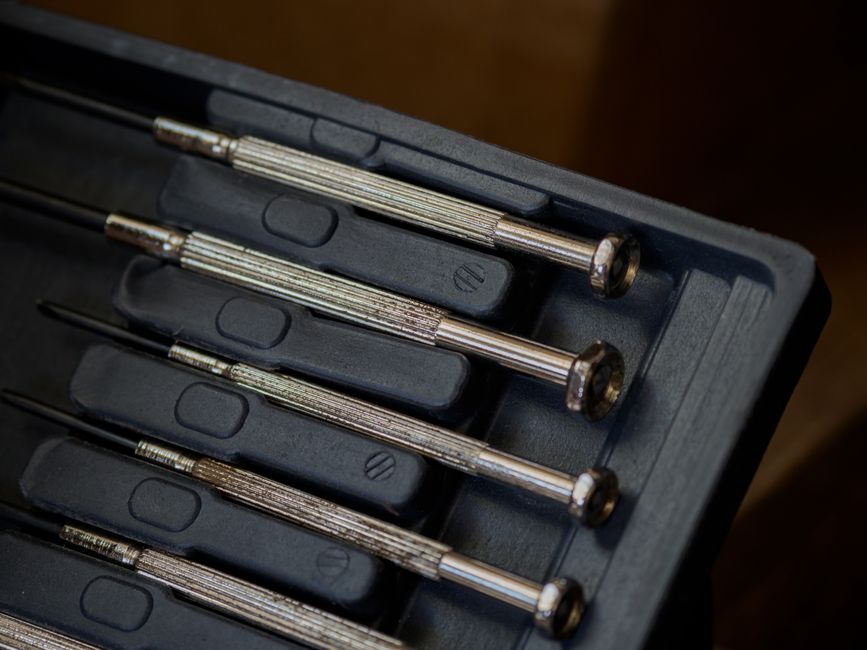
- The Swivel Head: This is arguably the most critical feature. The top knob must rotate with near-zero friction to allow the technician to apply consistent downward pressure without the driver body twisting against their palm.
- Knurling Patterns: A well-designed handle features specialized knurling—often cross-hatched or diamond patterns—which ensures that the driver does not slip during delicate operations. This ergonomic design is essential for maintaining control over micro-fasteners.
- Balance: A perfectly balanced tool minimizes vibration. When a screwdriver is balanced, it effectively acts as a weightless extension of the finger, allowing for the extreme tactile feedback required when seating a tiny screw into a bridge.
Material Science: Steel vs. Hardened Blades
When discussing the best quality precision screwdriver set horology experts prefer, one cannot overlook the metallurgical properties of the blades. The longevity and safety of the watch movement depend on the composition of the steel.
- Hardened Steel Blades: These are designed to withstand high torque without twisting or snapping. High-quality sets utilize stainless or carbon steel that has been tempered to a specific Rockwell hardness (typically ranging between 50-55 HRC to avoid brittleness).
- Preventing Cam-Out: If a blade is too soft, it will deform under pressure, leading to “cam-out,” where the blade slips out of the screw slot and scars the movement plate. This is why professional-grade tools avoid cheap, non-hardened alloys.
- Material Integrity: Research into advanced metallurgical standards confirms that grain structure significantly impacts the wear resistance of precision edges. By utilizing high-carbon, hardened steel, professionals ensure that the blade profile remains crisp for years of heavy use, rather than wearing down into a rounded, unusable shape after only a few months of service.
By prioritizing these anatomical features, watchmakers can ensure their workspace is equipped with the precision required to preserve history.

Assessing Blade Durability and Replacement
When selecting the best quality precision screwdriver set horology experts depend on, the blade remains the most critical point of contact between the technician and the movement. Because watch screws are often made of soft alloys or are subject to oxidation, a blade that lacks superior hardness will twist, deform, or chip, causing irreparable damage to delicate watch components. Selecting a set with high-grade, tempered steel blades is non-negotiable for those prioritizing long-term durability. For professionals, understanding how to manage replacement screwdriver blades is essential for maintaining the efficiency of their precision torque instruments and ensuring consistency in every repair.
Avoiding Common Blade Breakage
Blade failure typically stems from improper technique or using a blade that has reached its mechanical fatigue limit. Even the finest steel can fracture if it is not perfectly centered within the screw slot.
- Size Matching: Ensure the blade width spans the entire length of the screw slot. A blade that is too narrow creates concentrated pressure points, leading to instant snapping.
- Avoid Lateral Torque: Users must keep the driver perfectly vertical. Any side-to-side force acts as a lever on the blade tip, which is the most vulnerable part of the tool.
- Consistent Hardness: Experts recommend sourcing blades that have been heat-treated to a specific Rockwell hardness, as described in metallurgical research on tool steel, to ensure they hold an edge without becoming too brittle.
Benefits of Integrated Blade Sharpening Tools
Maintenance is a hallmark of professional watchmaking. Rather than discarding a blade at the first sign of wear, technicians utilize integrated sharpening systems—often involving a sharpening stone and a blade-holding guide—to restore the perfect geometry of the tip.
- Cost-Effectiveness: Regular honing significantly extends the life of each component, reducing the frequency of purchasing new replacement screwdriver blades.
- Precision Geometry: Professional sharpening tools ensure the blade sides remain parallel. According to technical standards for precision instruments, consistent geometry is vital to maintaining the necessary friction required to seat screws without “camming out.”
- Customization: Experienced watchmakers can slightly adjust the profile of the blade to fit specific, non-standard vintage screws, a flexibility that pre-manufactured replacements often cannot provide.
By mastering the balance between proper usage and diligent sharpening, a technician ensures that their best quality precision screwdriver set horology standards are met for decades, not just months.
The Importance of Precision Sizing and Calibration
In the meticulous world of watchmaking, the difference between a functional movement and a ruined one often comes down to the tool in hand. Utilizing the best quality precision screwdriver set horology experts demand is not merely a preference; it is a fundamental requirement for maintaining the integrity of microscopic components. When a tool is poorly calibrated or improperly sized, it can lead to catastrophic damage to the balance bridge or the delicate screw heads themselves. For those interested in the engineering standards behind torque and mechanical fastening, researching mechanical fastener standards provides a deeper understanding of why industrial tolerances are so stringent.
Matching Screwdriver Size to Screw Slots
The golden rule of watch repair is that the blade of the screwdriver must be a perfect match for the screw slot. A tool that is too small or too narrow will concentrate force on the edges of the slot rather than the walls, leading to “burring” or complete deformation of the screw head.
- Width Matching: The blade width should span almost the entire length of the screw slot without touching the surrounding plate.
- Thickness Matching: The blade thickness must be flush against the slot walls to prevent slippage.
- Tool Selection: Professionals often utilize a precision torque driver guide to ensure they understand how consistent pressure translates to component safety.
When a technician forces an ill-fitting blade into a slot, the lack of surface contact creates an uneven distribution of force, which is the primary cause of screw damage in vintage horological pieces.
Reducing the Risk of Scratched Movement Plates
One of the most common mistakes a novice makes is allowing the screwdriver to “slip” or “cam-out,” which frequently results in unsightly and irreversible scratches across movement plates or bridges. By investing in the best quality precision screwdriver set horology enthusiasts rely on, the user gains a significant advantage in preventative maintenance and structural safety.
To effectively minimize the risk of damaging a movement, consider these critical steps:
- Vertical Alignment: Always keep the screwdriver perfectly perpendicular to the screw head to ensure force is directed downward, not laterally.
- Blade Quality: High-quality hardened steel blades provide better “bite” than cheaper, softer alternatives, significantly reducing the chance of the blade jumping out of the slot.
- Surface Awareness: According to studies on material wear and friction, the coefficient of friction between hardened tool steel and brass plates is a critical factor in tool stability. Using premium, properly sharpened blades allows the technician to maintain a steady grip on the screw.
- Integrated Ergonomics: The use of properly weighted handles helps the technician maintain consistent downward pressure, which is essential for precision calibration.
By strictly adhering to these sizing and calibration protocols, a watchmaker can ensure that their work remains clean, professional, and free from the accidental damage that plagues less prepared hobbyists.

Top Materials for Professional Watch Repair Tools
Selecting the proper materials is the foundational step when curating the best quality precision screwdriver set horology experts depend on for delicate internal operations. The longevity of a tool and its ability to protect high-value movements depend entirely on the composition of both the blades and the handle assemblies. Professionals prioritize metallurgy and structural integrity to ensure that their instruments withstand the rigors of frequent use while maintaining exact tolerances.
Why Antimagnetic Materials Matter in Watchmaking
In the world of fine horology, magnetism is one of the most common causes of timing instability. If a tool becomes magnetized, it can transfer that charge to the delicate hairsprings and escape wheels of a movement, leading to severe accuracy issues.
- Magnetism Prevention: High-end tools are often crafted from non-ferrous alloys to prevent the accumulation of stray magnetic fields.
- Data Backing: According to research published by the National Institute of Standards and Technology (NIST), magnetic interference remains a primary concern in precision engineering, which is why professionals insist on antimagnetic stainless steel for their drivers.
- Consistency: Using an antimagnetic set ensures that the watch’s rate remains stable during and after service.
Stainless Steel vs. Brass Handle Construction
The body of the screwdriver is as important as the blade itself. Choosing between stainless steel and brass is often a matter of preference regarding weight, balance, and grip.
Stainless Steel Handles:
- Durability: They offer superior resistance to corrosion and accidental drops.
- Sterilization: Ideal for environments where cleanliness is paramount, as they withstand chemical cleaners better than softer metals.
- Wear Resistance: These handles do not dent easily, maintaining their aesthetic and functional integrity over decades.
Brass Handle Construction:
- Tactile Feedback: Many watchmakers prefer brass because it offers a “warmer” feel and excellent grip, reducing the likelihood of slips.
- Weight Distribution: Brass often provides a specific center of gravity that some professionals find superior for long sessions at the bench.
- Oxidation Management: While brass can develop a patina, it is a stable material often utilized in American Watchmakers-Clockmakers Institute (AWCI) recommended toolkits because it is soft enough to avoid marring movement plates if accidental contact occurs.
Whether a technician chooses steel or brass, they must ensure the handle is perfectly balanced. Integrating high-grade materials into a best quality precision screwdriver set horology setup effectively minimizes mechanical failure and ensures the tool lasts for generations. Professionals often consult documentation from the Smithsonian Institution regarding the preservation of antique horological instruments to understand how these material choices influence long-term equipment maintenance.
How to Properly Maintain Your Screwdriver Set
A best quality precision screwdriver set horology professionals depend on is a significant investment that requires disciplined care to maintain its functional integrity. Because these tools operate on a microscopic scale, even minor debris or oxidation can result in catastrophic damage to a watch movement. By establishing a rigorous maintenance routine, watchmakers ensure their instruments remain calibrated, sharp, and reliable for years of service.
Cleaning Protocols for Longevity
To prevent the accumulation of oils, skin acids, and metallic dust that can degrade tool performance, watchmakers must implement consistent cleaning habits. According to standards established by the Horological Society of New York, cleanliness is the primary defense against movement contamination.
- Routine Wiping: After every use, the shaft and blade should be wiped clean with a lint-free microfiber cloth or specialized watchmaker’s paper to remove residual lubricant.
- Ultrasonic Cleaning: For deep maintenance, handles and shafts can be placed in an ultrasonic cleaner using an appropriate cleaning solution. This ensures that microscopic grime is removed from the knurling and swivel head mechanism.
- Oxidation Prevention: A light application of a high-quality watch oil, such as Moebius, can be applied to steel shafts to prevent rust, especially in humid climates.
- Blade Inspection: Regularly inspect the tip under a loupe. If any signs of “burring” appear, the blade must be re-dressed using a sharpening stone to ensure it maintains a flush fit.
Storage Solutions for Precision Instruments
Proper storage is essential for protecting the delicate geometry of the tips. Keeping a best quality precision screwdriver set horology requires more than just a drawer; it demands an environment that prevents contact damage and environmental degradation.
- Dedicated Stands: Utilize a revolving screwdriver stand. These are designed to keep the blades suspended in the air, preventing contact with hard surfaces that could chip or dull the edges.
- Color-Coded Organization: Most professional sets use color-coded rings to denote sizes. Keeping them in their designated slots in a stand allows for quick, stress-free identification.
- Controlled Environment: Store tools in a low-humidity cabinet or a dry box. High-quality steel is susceptible to atmospheric moisture, which can cause subtle pitting on the blades over time.
- Protection from Magnetism: Ensure the storage location is away from strong electromagnetic fields, as magnetized tools can inadvertently affect the hairsprings of the watches being serviced. Implementing antimagnetic storage practices is a hallmark of a professional-grade workbench.
By prioritizing these maintenance steps, the user preserves the precision of their tools, ensuring that each rotation is as accurate and safe as the first. Consistent care not only extends the lifespan of the equipment but also guarantees the safety of the delicate components within every timepiece.

Comparing Industry Standards for Tool Quality
When selecting the best quality precision screwdriver set horology requires, understanding the distinction between entry-level tools and professional-grade instrumentation is vital. The standard of manufacturing directly dictates the longevity of the components inside a watch movement and the long-term success of the technician. Professionals rely on high-tolerance engineering to ensure that every turn of a screw is secure, predictable, and free from the risks of slippage or metal fatigue.
Swiss-Made vs. Generic Alternatives
In the realm of watchmaking, the “Swiss-made” label often serves as a hallmark of excellence. These tools are manufactured with extreme tolerances, ensuring that the interface between the blade and the screw slot is virtually seamless.
- Swiss-Made Standards: These sets are typically machined from high-grade, heat-treated steel that resists deformation over thousands of cycles. They offer superior tactile feedback, which is crucial for delicate movements. According to research on precision engineering, consistency in material properties is the primary factor in reducing structural failure.
- Generic Alternatives: While budget-friendly, generic sets often lack the necessary hardening processes. This leads to brittle blades that can shatter or soft blades that deform, potentially damaging the watch movement plates during servicing.
For those interested in the physics of mechanical durability, further reading on materials science provides insight into why specific alloys are preferred in high-precision industries.
Investment Value for Serious Hobbyists
Many hobbyists hesitate to spend premium prices on professional tools, yet viewing these instruments as a long-term investment changes the perspective. A professional-grade set is designed to last a lifetime if maintained correctly.
- Reduced Replacement Costs: Low-quality drivers are often “disposable.” Frequent replacement costs add up quickly, often exceeding the price of a high-end set within a few years.
- Protection of Assets: Replacing a single damaged vintage watch screw—or repairing a scratched bridge—often costs more than the price difference between a generic set and the best quality precision screwdriver set horology professionals trust.
- Efficiency and Skill Development: A high-quality tool allows the user to focus on technique rather than fighting against poorly fitting equipment. Precision instruments improve the speed and accuracy of every task, from movement disassembly to final regulation.
Ultimately, the choice comes down to whether the user views their work as a temporary hobby or a craft that demands reliable, high-performance equipment that maintains its value over time.
Essential Techniques for Using Precision Drivers
Mastering the mechanics of watch repair requires more than just high-end equipment; it demands a refined technique to handle the delicate components within a timepiece. When a technician utilizes the best quality precision screwdriver set horology experts recommend, they significantly reduce the risk of damaging movement plates or stripping tiny screws. Proper handling ensures that force is distributed evenly, maintaining the integrity of both the tool and the movement. Following established protocols for watch maintenance is crucial for achieving professional-grade results.
Applying Consistent Downward Pressure
The secret to success in horology lies in the balance of force. Because screws in high-end movements are minuscule, improper application of pressure can lead to catastrophic failure.
- The Grip: The technician should hold the screwdriver between the thumb and index finger, allowing the swivel head to rest firmly against the palm or index finger pad.
- Vertical Alignment: The driver must remain perfectly perpendicular to the screw head at all times. Any deviation from a 90-degree angle increases the risk of the blade slipping.
- Pressure Distribution:
- Apply roughly 70% of the force in a downward motion.
- Use the remaining 30% for the actual rotational movement.
- Stability: Ensure the movement is secured in a professional watch holder to prevent the piece from shifting while pressure is applied.
Avoiding Cam-Out in Delicate Screws
“Cam-out” occurs when a screwdriver blade slips out of the screw slot, often resulting in unsightly scratches on the movement bridge or damage to the screw head itself. Using the best quality precision screwdriver set horology professionals trust is the first line of defense, but technique is equally important.
- Correct Blade Sizing: Always select a blade that fits the slot width perfectly. If the blade is too thin, it acts as a lever that can deform the slot; if it is too thick, it will not seat properly, leading to the dreaded “slip.”
- The “Feel” Method: Technicians should perform a dry run by testing the fit of the blade in the screw slot before applying any torque.
- Counter-Rotation: When first engaging a stubborn screw, experts suggest a tiny turn in the “tightening” direction to break the friction seal before attempting to loosen it.
- Avoid Over-Torquing: Use mechanical precision to stop the moment the screw is seated. Over-tightening is a common mistake that risks snapping the screw head off entirely, a repair that can be incredibly difficult to rectify.
Frequently Asked Questions
When selecting the best quality precision screwdriver set horology experts depend on, beginners and seasoned watchmakers alike often have several inquiries regarding maintenance and tool selection. Understanding these technical nuances is vital for preserving the integrity of intricate movements and ensuring long-term tool performance.
How often should I sharpen my watch screwdrivers?
A technician should sharpen their blades whenever they notice signs of wear or rounding. Even the best quality precision screwdriver set horology professionals utilize requires routine maintenance to maintain a “hollow ground” edge.
- Visual cues: If the blade slips out of the screw slot, it is likely dull.
- Frequency: For daily use, light honing every few weeks is recommended.
- Pro Tip: Consult the Horological Society of New York for educational resources on the proper geometry of watchmaking tools.
Do I need an antimagnetic set for vintage watches?
Yes, using antimagnetic tools is critical when working on mechanical movements. Magnetism can cause hairspring coils to stick together, leading to significant timekeeping errors.
- Protection: Antimagnetic stainless steel or brass handles prevent the transfer of magnetic fields to sensitive steel components.
- Best Practice: Always demagnetize your work area periodically using an official industry standard demagnetizer if unsure about the magnetic environment.
What is the best way to organize a screwdriver set?
Proper storage is the hallmark of a disciplined horologist. Organizing tools by size not only speeds up the workflow but also protects the precision-ground tips from impact damage.
- Carousel Stands: These allow for easy access and keep the blades pointing downward to prevent accidental tip deformation.
- Color Coding: Most high-end sets feature industry-standard color rings that correspond to specific blade widths, minimizing the time spent searching for the right size.
Can I replace blades individually?
Absolutely. One of the primary advantages of investing in a professional-grade kit is the ability to maintain the handle while replacing only the worn blade.
- Modular Design: Professional drivers feature a setscrew that secures the blade, allowing for easy removal and replacement.
- Longevity: By swapping out inexpensive blades rather than discarding the entire driver, the user saves money and maintains the consistent ergonomic feel of their preferred handle.
- Compatibility: Ensure that the replacement blades match the specific diameter and brand profile of the handle to maintain the high tolerances required for fine watchmaking.
Conclusion: Investing in the Best Quality Precision Screwdriver Set Horology Pros Rely On
When a watchmaker commits to their craft, the tools they choose serve as the bridge between intent and perfection. Selecting the best quality precision screwdriver set horology requires more than just picking a brand; it demands an understanding of material integrity, ergonomic design, and the long-term impact on the longevity of a mechanical movement. Relying on professional-grade equipment ensures that every screw, bridge, and gear remains pristine, preserving the value of the timepiece for future generations.
Why Quality Matters
A professional-grade set is not merely a purchase—it is a foundational investment. Cheap, generic drivers often suffer from soft steel that rounds off, damaging the delicate screw heads found in intricate luxury timepieces.
- Longevity: High-end sets resist wear, ensuring a precise fit that lasts years rather than weeks.
- Safety: Precision machining reduces the risk of slippage, which is the primary cause of damage to movement plates—a standard discussed extensively in technical horological documentation.
- Consistency: Consistent torque and weight distribution allow the user to develop the muscle memory necessary for high-stakes repairs.
Making the Right Choice
For those serious about the art of watchmaking, the following checklist highlights why the best quality precision screwdriver set horology experts choose is worth the premium:
- Antimagnetic properties: Prevents the accidental magnetization of hairsprings and other sensitive components, a critical factor for maintaining the accuracy of modern watches as outlined by the International Organization for Standardization.
- Swivel Head Ergonomics: High-quality sets utilize ball-bearing heads to minimize friction, which is essential for applying precise downward pressure without hand fatigue.
- Modular Design: Professional kits allow for individual blade replacement, ensuring that the set evolves and lasts, acting as a sustainable investment value for any workspace.
Final Thoughts
Transitioning from generic tools to professional instruments changes the entire workflow. By prioritizing high-grade steel, ergonomic balance, and standardized sizing, a watchmaker protects their integrity and their client’s assets. While the initial cost of a professional-grade set may be higher, the ability to avoid damaged screw heads and compromised movements makes it the only logical path for those dedicated to the craft. Ultimately, the best quality precision screwdriver set horology professionals utilize acts as the most important extension of the artisan’s hand.
